Multiple hundred muscles can be found in a single individual. They enable our body’s motion and the operation of vital organs like the heart. However, not every muscle is built the same. Which muscle do you think is the most powerful?
There are more than 600 muscles in the human body that we can’t directly see. They account for well over half of an adult’s entire body weight. And they play a significant part, too. Our ability to move is thanks to the contractile cells found throughout our bodies’ connective tissues. Additionally, they let the heart do its job.
However, not all muscles are created equal; in fact, there are distinct kinds of muscles that each have their own set of characteristics. Which muscle, therefore, is the strongest in the human body? The tongue is not the correct response. Although it may seem like a single muscle, the tongue is really made up of 17 different muscles and is thus classified as an organ.
The human body muscle that has the most strength
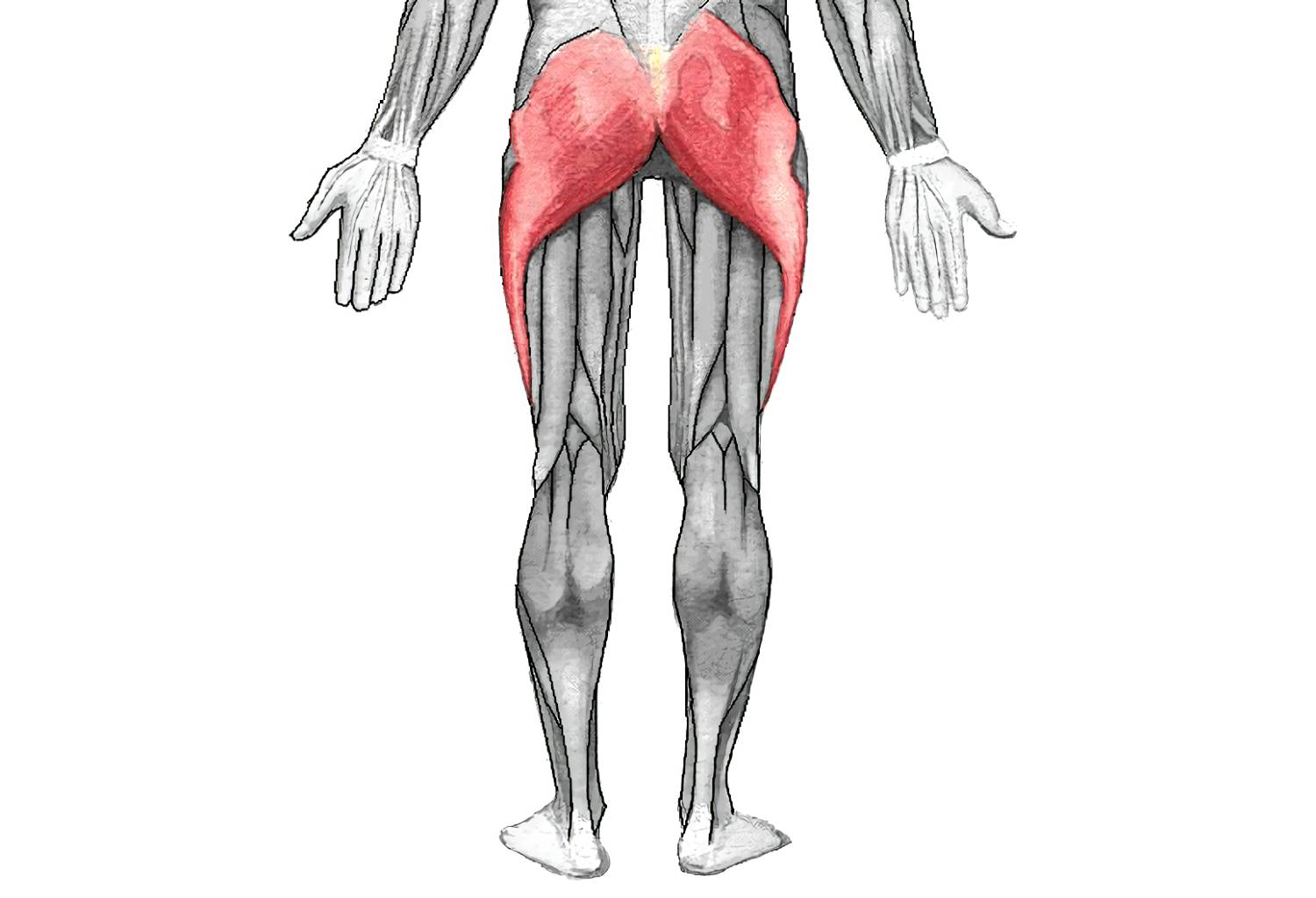
Some would think of muscles in the arms, such as the biceps or triceps. However, the most potent muscle is not up there at all; rather, it is buried deep inside our buttocks. Specifically, this refers to the largest muscle in your buttocks, also known as the gluteus maximus.
The pelvic girdle, the group of bones that run from the hips to the base of the spine, is where this muscle is found. Located in the leg’s dorsal and lateral muscles, it helps move the knee and ankle. It is the biggest muscle in the body and has the shape of a square. The buttocks’ round, protruding form is also largely due to it.
The function of the gluteus maximus
The gluteus maximus is a strong muscle for a reason; it serves an important function. Indeed, it helps to keep the posture upright by stabilizing the basin and keeping the trunk in extension. More importantly, it plays a role in gait and athletic performance by facilitating thigh motion during walking and running.
Gluteus maximus motion is also required for bending the knees and standing up. As a matter of fact, the muscle is used in a wide variety of sports and activities, such as jogging, cycling, skiing, and rugby. It seems logical that it would be the strongest.
Bonus: Strongest muscle based on its weight
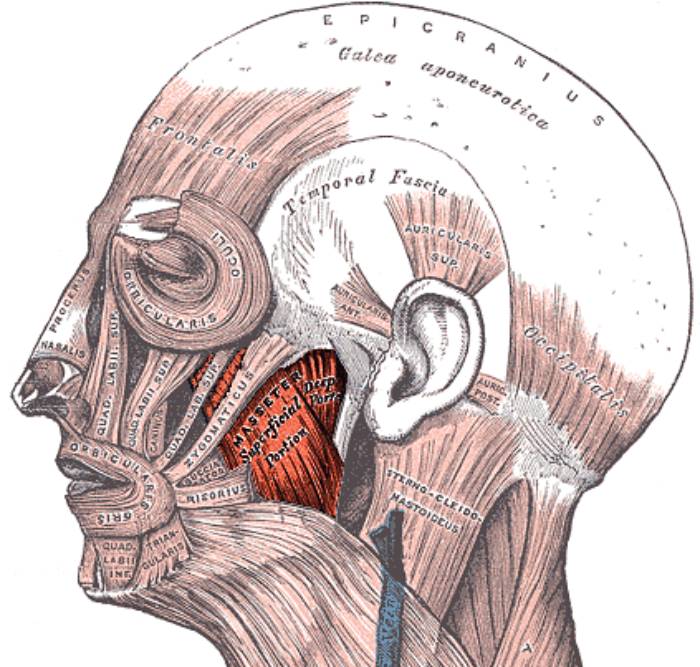
The masseter is the most powerful muscle in the body based on its weight. When the muscles of the jaw are fully engaged, the force of closure on the front teeth (the incisors) may reach up to 55 pounds (25 kilograms), while the force on the back teeth (the molars) can reach up to 200 pounds (90 kilograms).
Strengthening the gluteus maximus muscle
To strengthen this region of your body, laziness is not a must. Some kind of vigorous physical activity is required. The lunge is a great example of a good workout. Get into a position where your legs are just slightly apart. You put one in front while bending forward till your other knee nearly touches the floor. There should also be a 90-degree angle at your knee.
Once you’ve done that, you may straighten up by putting weight on your front leg. To avoid injuring your spine, it is crucial that you keep your fingers completely straight during the workout.