- They are small rodents with bushy tails, diverse fur colors (gray, brown, yellowish-gray).
- They inhabit pampas, dig burrows, stay active at night, and have a communal lifestyle.
- These animals face threats from Andean cats, foxes, humans; hunted for meat and fur.
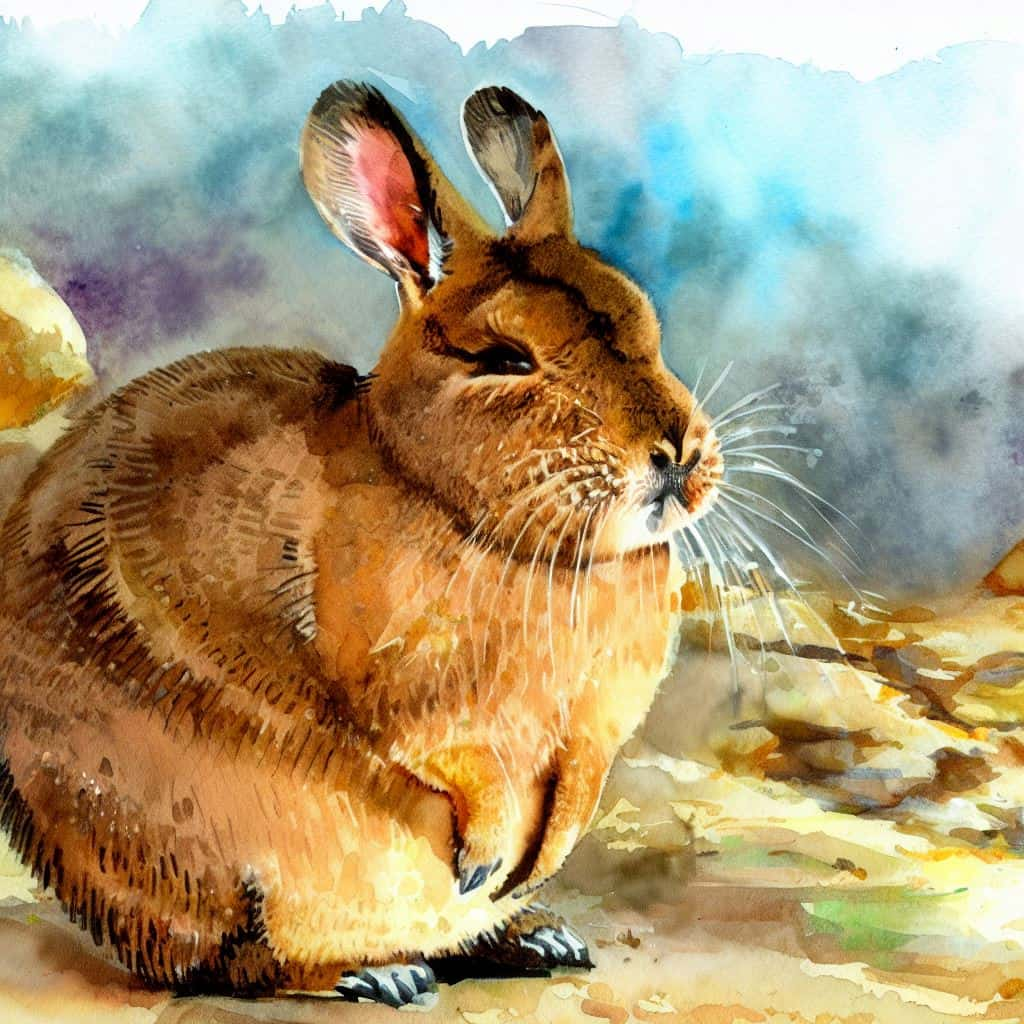
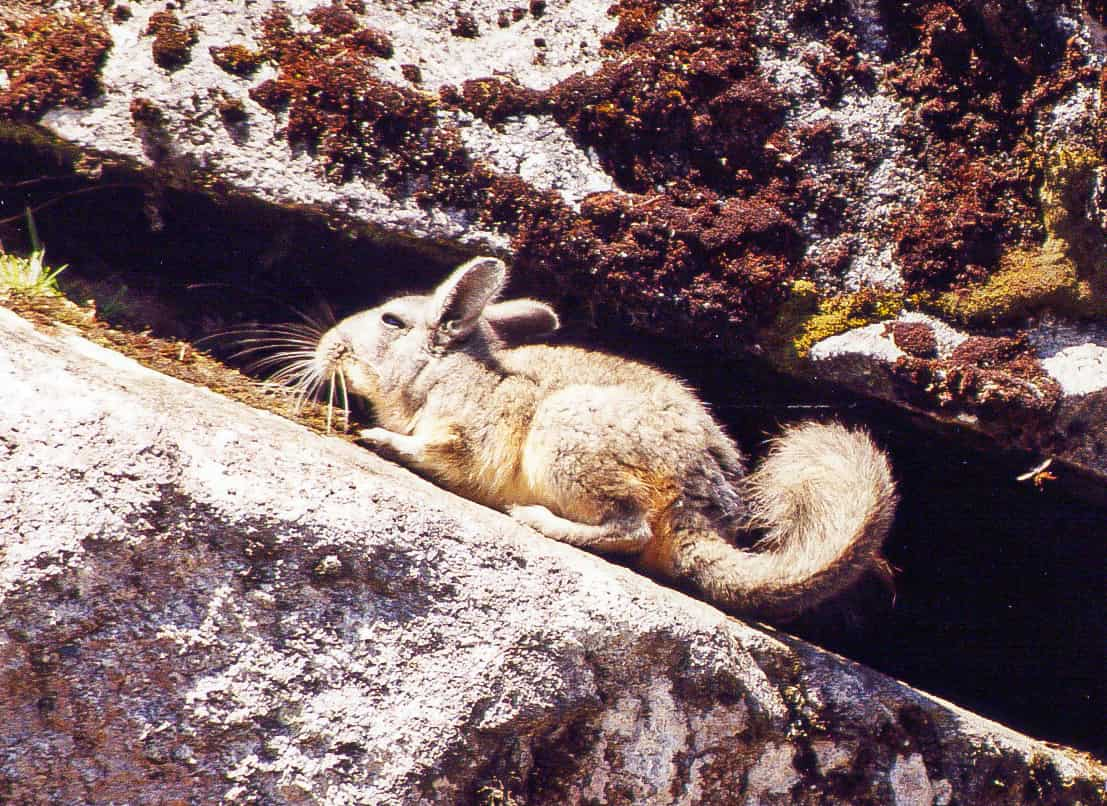
Burrowing and closely related to the chinchilla, the viscacha is a cute little rodent native to South America. The majority of their body is a shade of gray or brown, and their tail is really long and bushy. They consume a diverse diet of plant matter and are known to reside in big colonies where members of the same family are kept apart. All viscachas live mainly in the Andes Mountain range from Peru to Argentina, specifically around south-central Brazil, southeast Bolivia, and northern Argentina.
Lagidium and Lagostomus
The first viscacha was described in 1817 by the French zoologist Anselme Desmarest as the Lagostomus maximus, which is still the largest viscacha species ever discovered.
This animal belongs to the family Chinchillidae in the order Rodentia. There are two genera of the viscacha species: Lagidium and Lagostomus. The animals from the lagostomus look more like big rats, while the ones from the lagidium resemble rabbits.
Species
The genus Lagostomus consists of just one Viscacha species:

- Plains viscacha (L. maximus),
while the genus Lagidium has four Viscacha species:
- Ecuadorean mountain viscacha (L. ahuacaense)
- Northern viscacha (L. peruanum)
- Southern viscacha (L. viscacia)
- Wolffsohn’s viscacha (L. wolffsohni)
What Does a Viscacha Look Like?
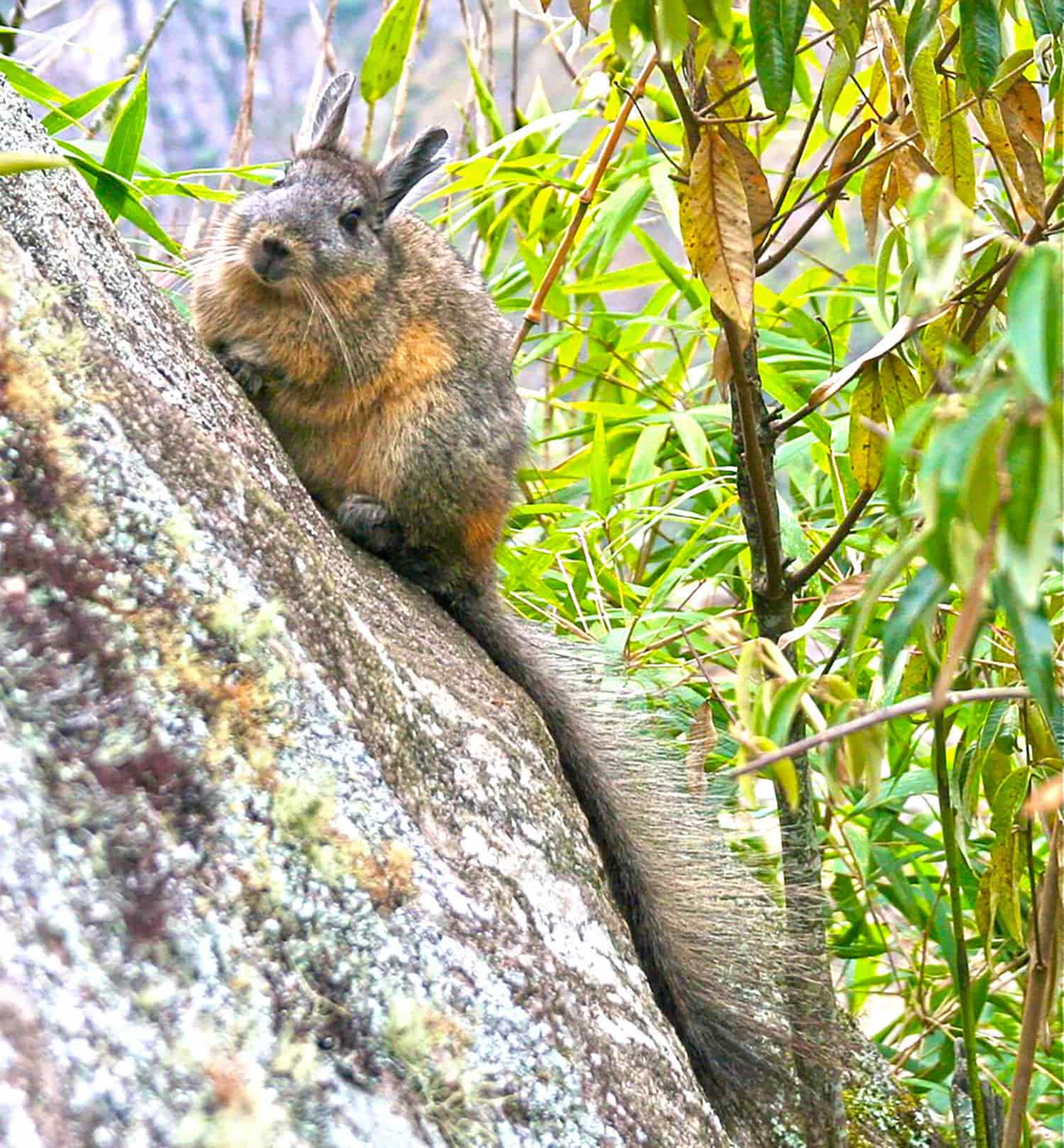
A viscacha’s long, bushy tail balances out its short front legs and long back legs. Its large, silky fur can be any shade of gray, brown, or yellowish gray.
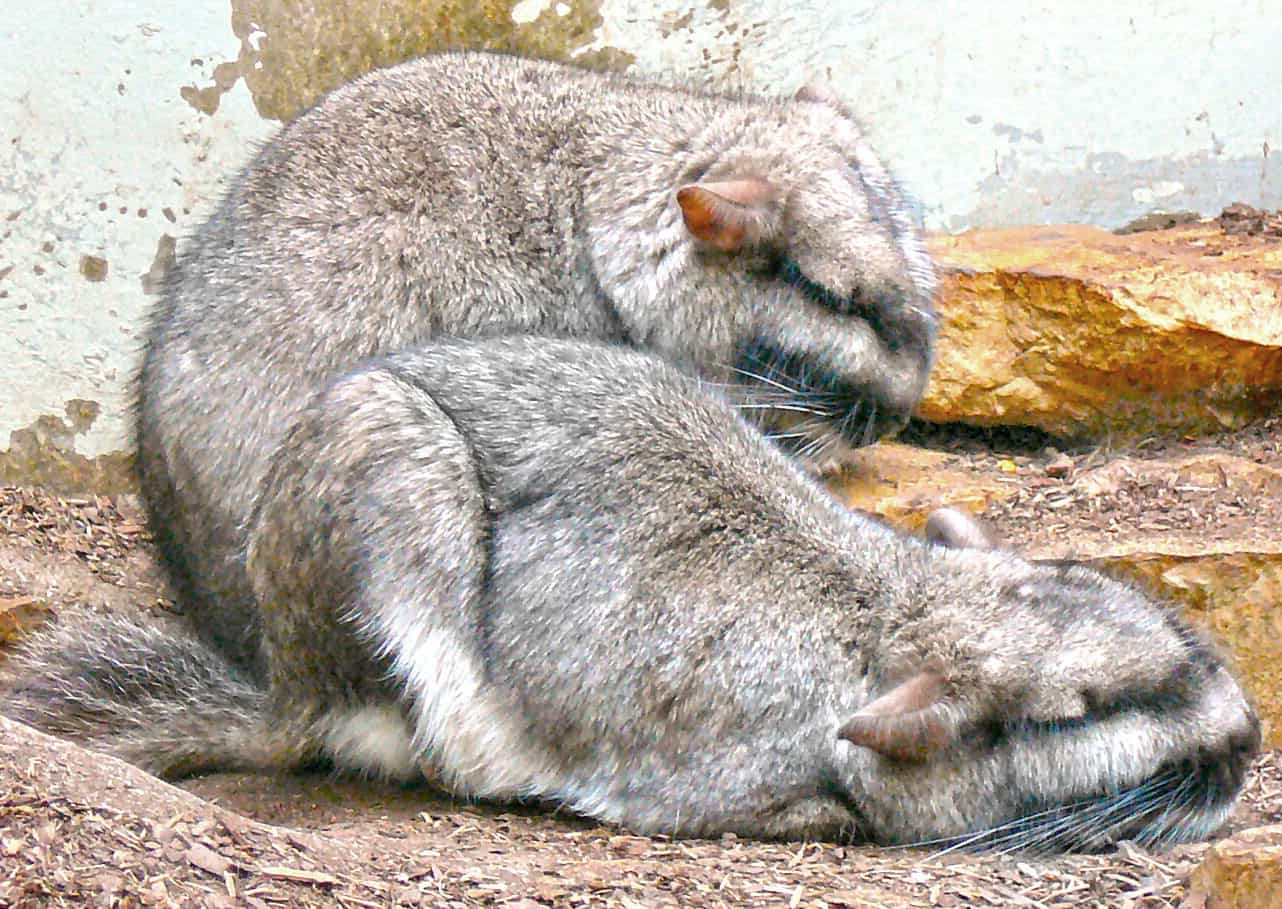
An anomaly: Ranchers see the plains viscacha as a nuisance because of its ability to strip grassland used to feed animals. Its black and gray mustache-like facial characteristics set it apart from other viscachas.
The whole length of a viscacha might range from 21 to 30 inches. The length of its tail ranges from 5.3 to 7 in. Males weigh 15.5 lb to 20 lb, while females weigh 8–10 lb. Their rear body is grayish, while they have a striped black and white face. The full-grown version of this rodent is usually between 21 and 26 inches in length and has a long, curly tail like a Shiba Inu dog.
It’s Not a Rabbit!
Its enormous ears lead many to believe it belongs to the rabbit family, but in reality, it is a rodent (perhaps even a chinchilla or gerbil, according to others). They look like rabbits with big tails, and they are very agile.

Like guinea pigs, they have four fingers on their front legs and three on their rear legs. Since evening lows can dip below -22°F (-15°C) in their habitat, their fur is quite thick and dense.
Where Does a Viscacha Live?
The pampas (low grasslands) and scrub woodlands are the homes of viscachas. Some of the species live in the Atacama Desert. They are nocturnal animals. They dig subterranean tunnels for their homes and dwell in communities of a dozen to several dozen. At the openings of their burrows, they stack stones, grass, bones, and dung.
They take advantage of the early morning sun by sitting still in it. This behavior is most often seen in reptiles, but it has also been observed in mammals like the ring-tailed lemur. The bigger viscachas have been known to sunbathe next to the smaller viscachas and even share living quarters with them.
Viscachas Are Living a Tough Life
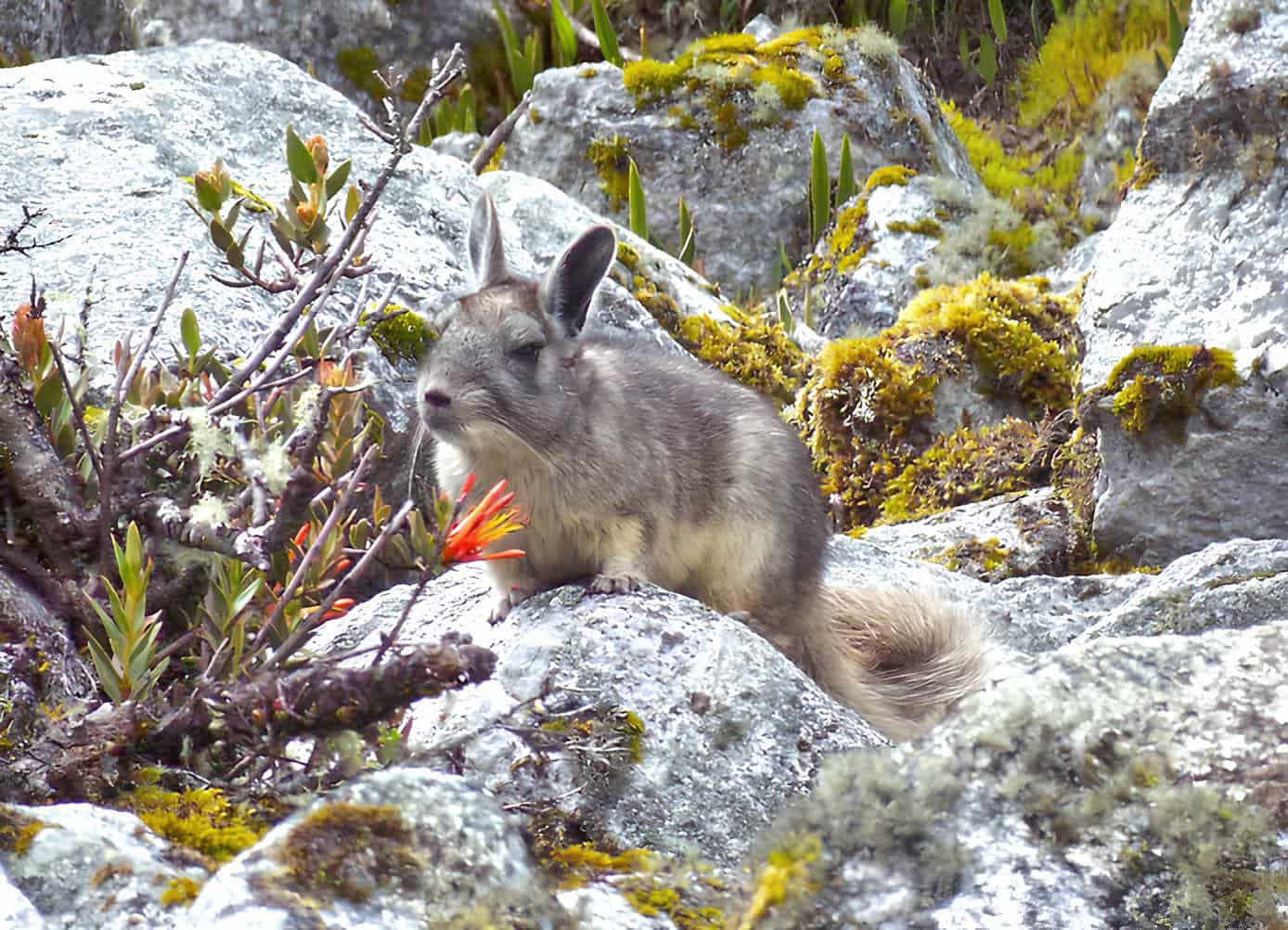
They like to make their home in elevated settings, like the rocky mountains. The limited oxygen level makes it difficult to regulate temperatures, and it may become so cold that even salt lakes freeze over, making life very tough for these animals. The warning cries of a viscacha are loud and distinctive.
They rely on their thick fur to keep them warm; keeping it in good condition is a crucial part of their routine. They are able to endure low oxygen levels and colds because of their thick coats and high number of red blood cells. This is also why they rest for long periods of time rather than exert themselves.
Their Daily Diet
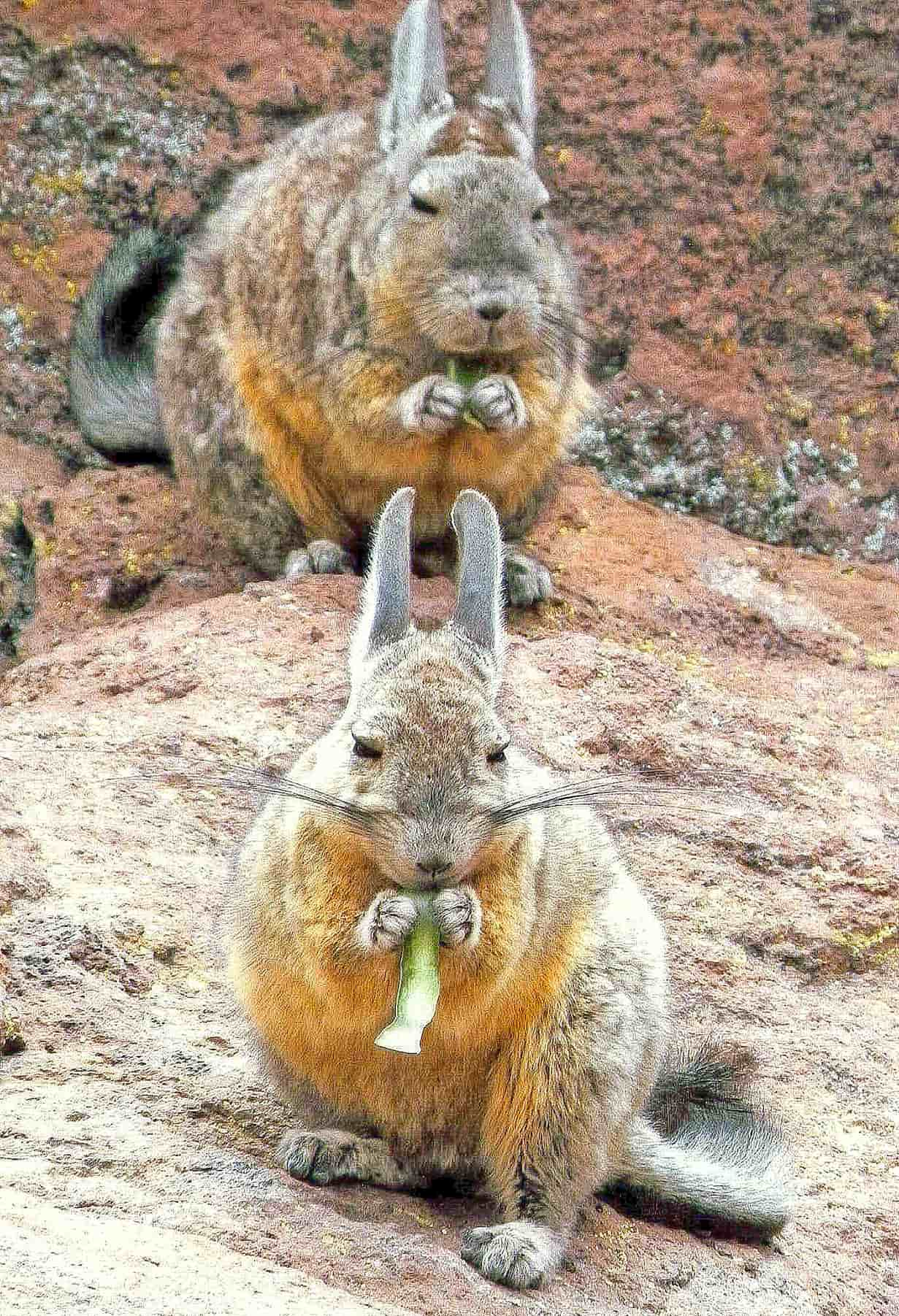
They supposedly only move when boulders fall on them, but when they see a foreign living being, they will leap from rock to rock and go underground. As soon as the ground thaws, they go on a hunt for food.
They mostly consume grasses and grass seeds in their diet. Arid regions with sparse grasses make for difficult foraging. Food contains sufficient amounts of water for their needs. Tourists often see viscachas in rocky regions like those around the Machu Picchu ruins.
It’s not uncommon for smaller viscachas to hang onto the backs of their mothers while moving around. These animals have twins with each birth, and their expected lifespan is between 7 and 8 years, which is pretty impressive.
Predators
Andean cats, foxes, pumas, and other carnivores; eagles and other birds of prey; and humans are among their natural predators. However, predators seldom engage in a full-scale chase since they have to invest so much energy to keep up with the viscacha due to the low oxygen level around their habitat.
Puma and boa constrictors are the main examples of predators. The pampas fox, a known juvenile predator, also frequents this species’ den. The female viscachas may be prey for Geoffroy’s cat and the crab-eating foxes.
Viscachas and Humans
Due to its widespread range and impressive population, the viscacha faces little threat of extinction. However, there is always a human impact, and the competition from human-introduced cattle is believed to affect these animals.
Plus, the cute viscacha is unfortunately a popular game animal to hunt in the area. They are mostly hunted for their meat and fur. But the economic value of their pelts is lower than that of similar-range animals like the vicuña, due to their fur changing frequently.
References
- Featured Image: File, Bachelot Pierre J-P, Creative Commons — Attribution-ShareAlike 3.0 Unported — CC BY-SA 3.0
- Genome Size Evolution in Animals – ScienceDirect