As few as 1% to 10% of all species on Earth have been identified. The vast majority are unknown. But where are all of these yet-to-be-found species hiding out? Can new species really be discovered anywhere? Discover how probable it is to find a new species today, as revealed by biologists and species specialists.
A Great Deal of Biodiversity Has Yet to Be Uncovered
Identification of species is difficult; just ask anybody who has attempted to name three butterflies they saw while strolling through a park. Finding an undiscovered species is an even greater challenge. That’s why researchers sometimes resort to calculating hints as to where they should start looking.
Researchers at Ohio University in the United States, for example, recently analyzed genomic data on 4,310 mammal species using a supercomputer and artificial intelligence to predict where new species could exist. The researchers came to the following conclusion: there is more out there to be captured than previously believed. Even though we are experiencing a “biodiversity crisis” due to the rapid decline of animal and plant species, scientists estimate that at least 50 new species are found every day.
Between 1% and 10% of all species on Earth have been classified so far. So the researchers pondered, “Where and for which creatures is it worth looking?” According to their findings, hundreds of mammal species still remain unidentified. The greatest value can be found in little, unassuming species like bats and rats. In addition, regions that experience extremes in temperature and humidity, such as the tropical rainforest, are ideal for this species. Such a scenario is not often waiting for you right outside your home in the United States or anywhere else.
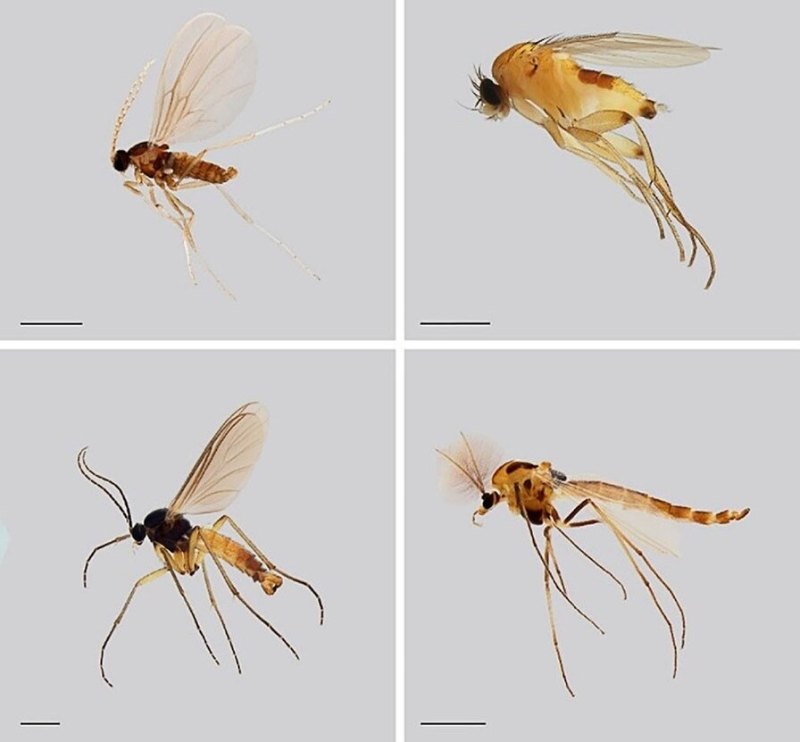
But experts still believe there are great opportunities to find new species. Scientists from Sweden, Germany, and Canada used DNA analysis to determine the species composition of the so-called bipeds (flies and mosquitoes). They did this by trapping and studying the DNA of 48,000 individuals from a particularly diverse group of insects (the two-winged moths). Based on their research, they estimate that there are still between 1,800 and 2,200 undiscovered species in this group of animals.
Estimates of the Number of New Species Yet to Be Discovered
Does the potential of unknown species throughout the planet become evident with these numbers? Frankly, no. They are very picky and valued in a broad range of ways. The range for the number of undiscovered species on Earth is between 10 million and 100 million, depending on the extrapolation used or the estimate and technique used.
It’s difficult to put into practice accurate projections for the number of undiscovered species. It’s like looking at a crowd and seeing only a cluster of 10 individuals in one spot. If you have access to just a small section of the whole region, you may extrapolate. That’s why there are limits to the usefulness of such extrapolations.
Species That Might Be New to Science
In a shorter amount of time, we can predict which groupings of species are the most probable. When you think about undiscovered species, your mind probably conjures images of beautiful creatures. It doesn’t seem like there are any new animal or bird discoveries happening at the moment. Similarly, the world of vertebrates no longer holds any major surprises. Yet, every week, scientists somewhere in the world name a new fish species. Even so, not every one of them is a “new” species, but rather ones that have been misidentified as other, more familiar ones.
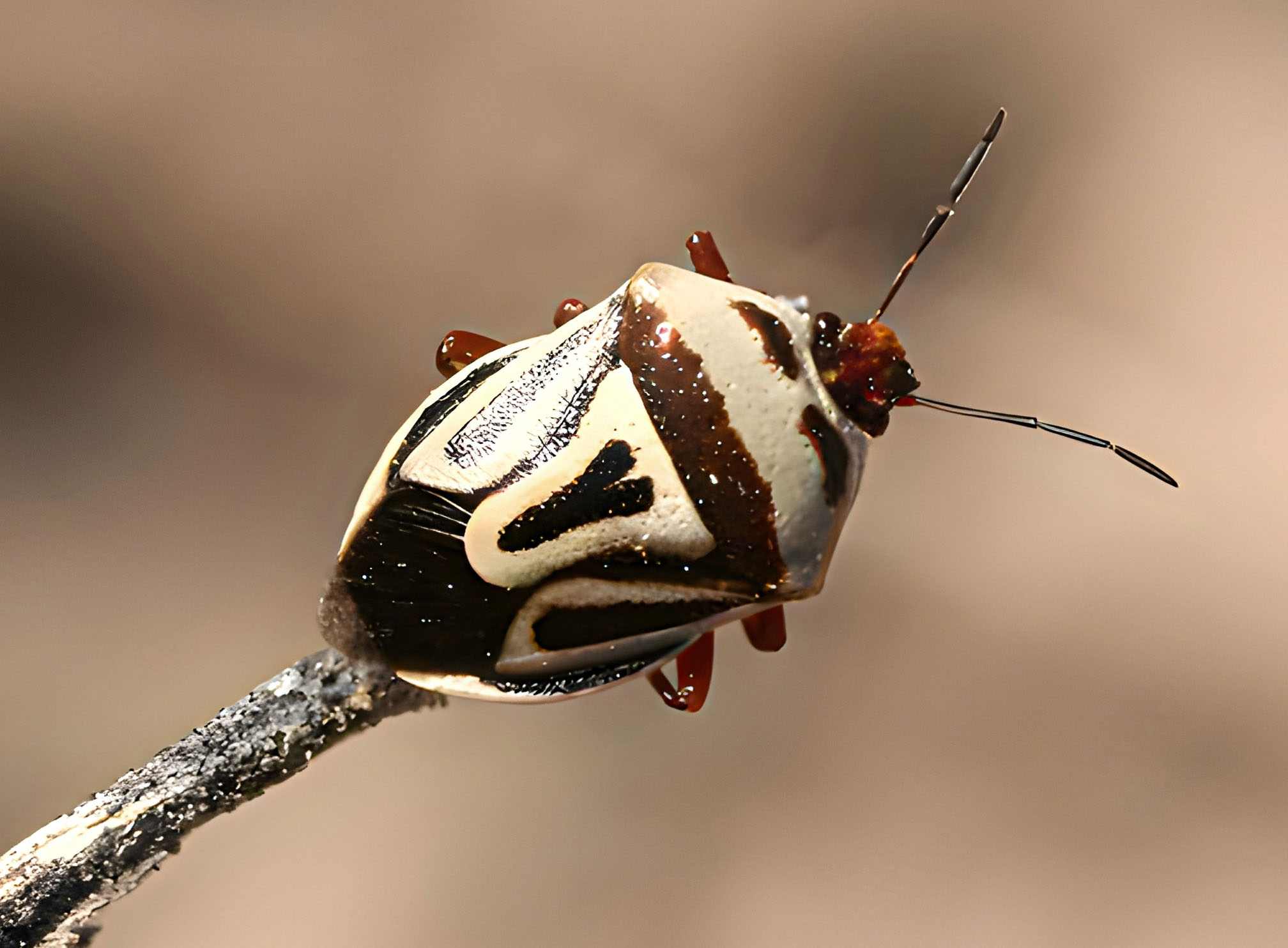
So, if you want to discover new species, where should you look? If you want to join the ranks of explorers, you should look where the greatest biodiversity in the animal world may be found: in the dirt or among the insects. Because other species groupings are less varied and, as a result, have been more extensively researched. And you can get things done without resorting to microscopes or laboratory tests.
Sometimes, New Species Are Uncovered With the Use of Maps
Nature reserves keep track of, for instance, which insects need preservation. Also, the bug specialist thinks it’s quite unlikely that anything unexpected will be uncovered throughout a mapping process. Because finding a new species requires a lot of chance. Acquiring a body of information and the ability to appropriately categorize when anything out of the norm is discovered is the most important aspect.
If an uncommon insect ever falls into your hands, you may try photographing it, noting the exact place and time of your discovery, and consulting online insect identification guides to determine what kind of bug it is. You log your findings in a database and provide a summary to the Nature Conservancy, facilitating an evaluation of species richness and biodiversity by the scientific community.
It would be considerably more difficult for scientists to identify threatened species without these surveys. It is impossible to gauge the evolution of a species without doing systematic counts over a considerable time span. Such investigations might provide fruitful results on occasion.