- Nasnas is a half-human, half-bird creature in Middle Eastern folklore.
- Legend states Nasnas was hybrid of Shiqq jinn and human.
- Arabs and Persians believed they roamed Indian Ocean shores in ancient times.buy mebendazole online https://warren-yazoo.org/wymhsorg/OLD/movies/html/mebendazole.html no prescription pharmacy
- Other believe Nasnas transformed from ‘Ad people due to divine intervention.buy cytotec online https://warren-yazoo.org/wymhsorg/OLD/movies/html/cytotec.html no prescription pharmacy
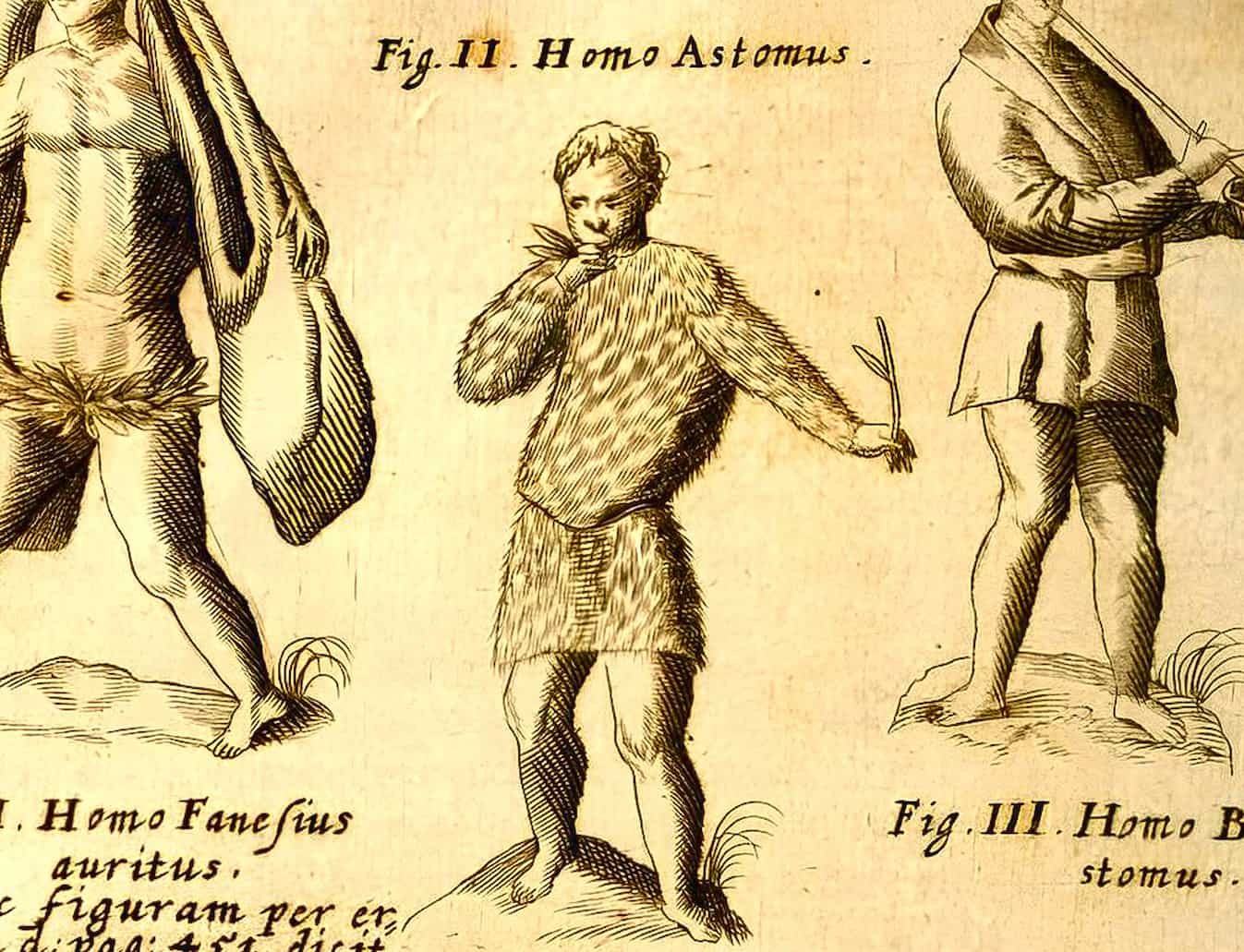
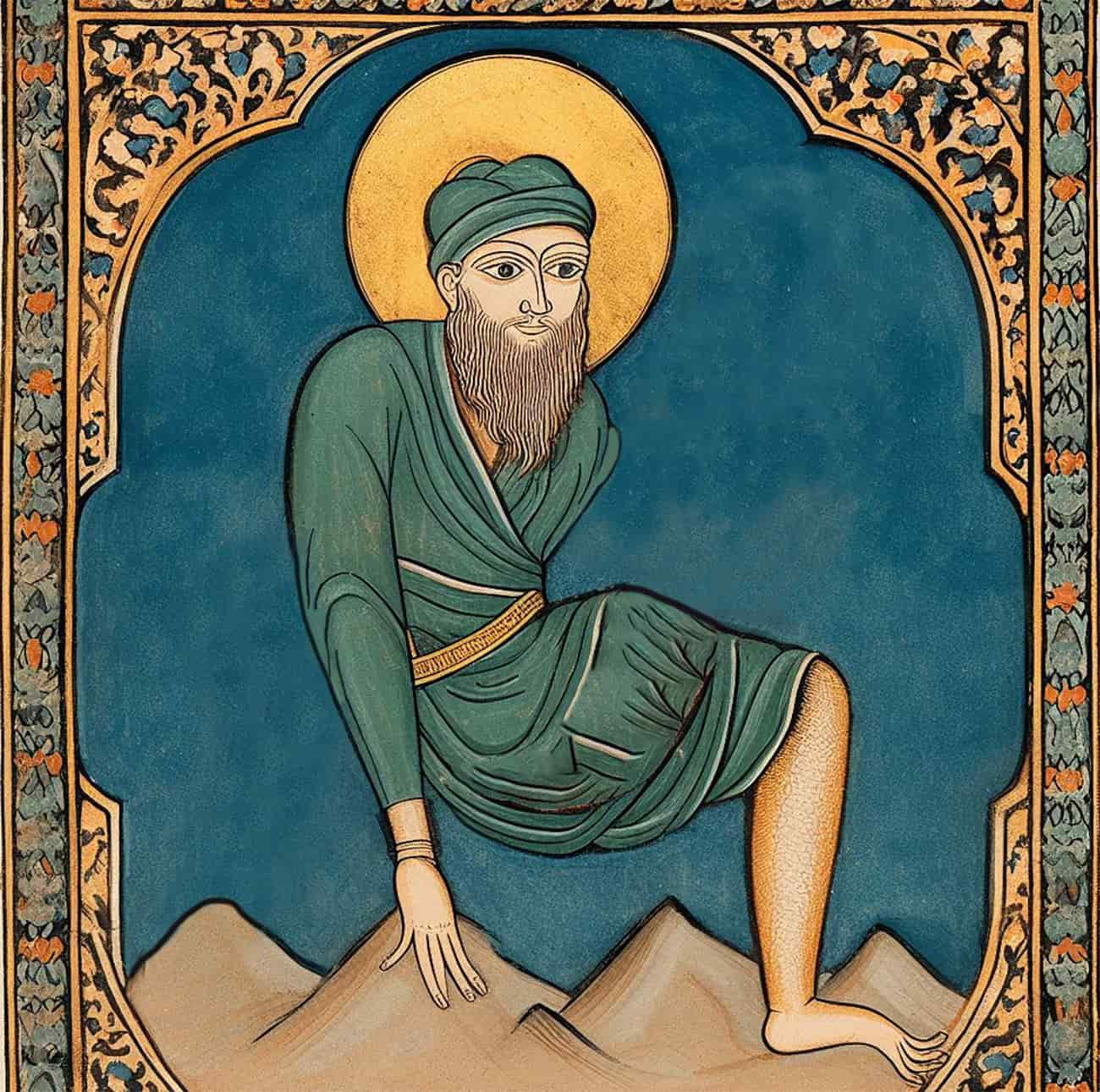
The Nasnas is a legendary creature that some Middle Eastern cultures, including Persians, believe to be a kind of genie. It has humanoid traits on one half of its body, including an arm, a hand, and an eye. The other half is more bird-like, like the Anunnaki or other animals with beaks. Some people think that Nasnas, also known as Nesnas, either come in two genders or are hermaphrodite.
Who Is Nasnas?
People who believe in the existence of Nasnas defend that this creature was similar to the first proto-humans, resembling primates like monkeys and chimpanzees, including Neanderthals, upright humans, tool-using humans, and various hominid species in Chad (Sahelanthropus), albeit it is an Islamic fabrication without a proof.
In ancient Persian biological books, the word “nasnas” was often employed in place of the word “mimun,” which is commonly used to refer to a group of anthropoids (such as gorillas, chimpanzees, orangutans, and gibbons).
Ironically, the term “tailless baboon” is sometimes used to describe the Nasnas in the media today.
Myth of the Nasnas
Nasnas was said to be the hybrid child of a Shiqq jinn and a human. Legend has it that God wiped off the Nasnas race for being too barbaric and wild and then modified one of the demons who worshiped him into an angel in his court.
According to the legend, Nasnas is believed to be a demonic entity that, through devotion and worship of God, was transformed into an angel in God’s realm. This happened after the Nasnas species became extinct on Earth due to their savage and animalistic behavior, a decision made by God himself.
In a pact with God, Satan stipulates that if there exists a genuinely devout human, humanity will triumph in this conflict of good and evil. However, if such a devout human does not exist on Earth even after numerous reincarnations, Satan (represented by Nasnas) would emerge victorious.
Consequently, humanity would face extinction, and the Nasnas species would be reinstated on Earth again. This mythological claim is not believed by all local Middle Eastern people today.

The Legend of Nasnas in Persian Culture
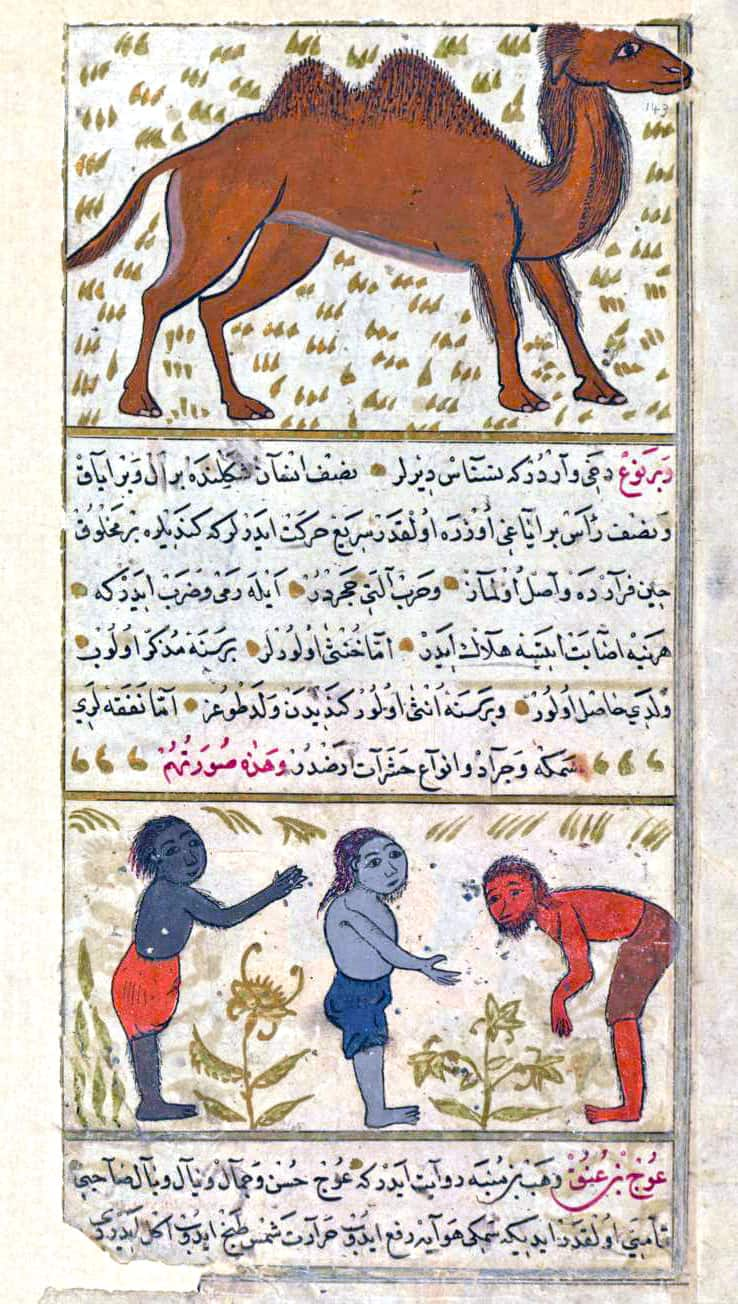
Described as a tall, four-eyed creature with a red face and green body resembling a sheep, the Nasnas were native to the region around India. Historically, people in India used to hunt and consume this creature, according to Asadi Tusi’s Dictionary, the oldest existing Persian dictionary.
Nasnas are beings that walk on a single leg, as mentioned in Dahar, and are a type of animal that moves in a similar manner, as noted in Ghiyas al-Lughat. This is similar to the Scottish creature Fachan, an evil dwarf (or giant).
According to the Book of Animals by al-Jahiz, Nasnas is a creature with one ear, one hand, and one leg, speaking in Arabic like a human.
Bahjat al-Alam stated that Nasnas could be found abundantly in the regions of Aden and Oman. It resembled a half-human, possessing one hand, one foot, and one eye. The creature communicated in Arabic and was hunted and consumed by the locals, as per Ghiyas al-Lughat.
Historically, there were tales of beings similar to Nasnas hopping on one leg, as recorded in Mahzab al-Asma and Al-Sami. These beings spoke in Arabic and were recognized as distinct people, notably due to their unusual physical characteristics.
Nasnas in Different Accounts
According to an Islamic hadith, there was an ancient group called ʿAd who defied their messenger, leading God to transform them into Nasnas. This transformed group had one hand and one foot on one side, resembling the plucking of birds and the milking of animals.
According to the tales, the transformed people of ʿAd never reverted to their original state, and a group still exists in this form. Alternatively, there are three categories: Nas, Nasnas, and Nisans.
Some suggest Nisans are their women, while others propose Nasnas hold a noble status compared to Nisans.
Another belief links the Nasnas to Gog and Magog, or a community allegedly descended from the lineage of Aram, son of Shem, speaking Arabic and bearing Arabic names. These beings are known to climb trees and flee from the sound of barking dogs.
They appear human-like in their form, albeit with distinct features that set them apart, leading to the conclusion that they are not entirely human. Alternatively, these beings reside in the wilderness along the shores of the Indian Ocean. In ancient times, Arabs were known to hunt and consume them, as documented in Montahi al-Arab.
A Creature from Turkestan
Nasnas, in another account, was described as a creature from the deserts of Turkestan (“Land of Turk”), known for its human-like appearance and peculiar habits. It stood upright and had a long neck and broad hooves.
The creature had a fascination with humans and would observe them closely. When encountering a solitary human, it would capture and take them away, leading to the belief that it laid eggs after capturing humans. In some respects, it shared similarities with humans, including its upright tail, wide nails, and hair on its head, as documented in the Fourth Essay of Nizami Aruzi.
The descendants of this creature, referred to as Nasnas, were said to have been transformed by God into a different form, characterized by a half-bodied structure and an ability to run swiftly on a single leg. This made them “elusive”, even to horses, as stated in Mojmal al-Tawarikh.
All things considered, Nasnas means an evil genie or creature resembling a human in appearance but lacking typical human characteristics in Middle Eastern mythology.