The conflict between France and Spain, which had begun in 1635, ended with the Treaty of the Pyrenees. It pitted two great royal houses against each other: the Bourbons ruling France and the Habsburgs ruling Spain. The Spanish were forced to negotiate an end to the conflict after their defeat at the Battle of the Dunes in 1658. This was finalized on November 7, 1659, when Cardinal Mazarin and Don Luis Méndez de Haro signed the Treaty of the Pyrenees.
As a result of this pact, France was able to regain control of some territories in the north and southwest that had been under Spanish control. The marriage of Infanta Maria Theresa of Austria, daughter of King Philip IV of Spain, to Louis XIV of France was another consequence of this treaty. This marriage greatly strengthened France’s status on the European continent by making the French sovereign the most powerful monarch in Europe and weakening the Spanish monarchy.
What Was the Background to the Signing of the Treaty of the Pyrenees?
The war between France and Spain started in 1635. At the time, both Spain under the House of Habsburg and France under the Bourbons wanted to increase their sway over Europe. The bloody conflict between the two continental powers lasted over 25 years. It wasn’t until the Battle of the Dunes in 1658 that France finally managed to pull ahead. It occurred on territory controlled by the Spanish crown between Nieuport (Flanders) and Dunkirk. The Treaty of the Pyrenees was concluded on November 7, 1659, after extensive negotiations.
What Powers Did the Treaty Bring Into Play?
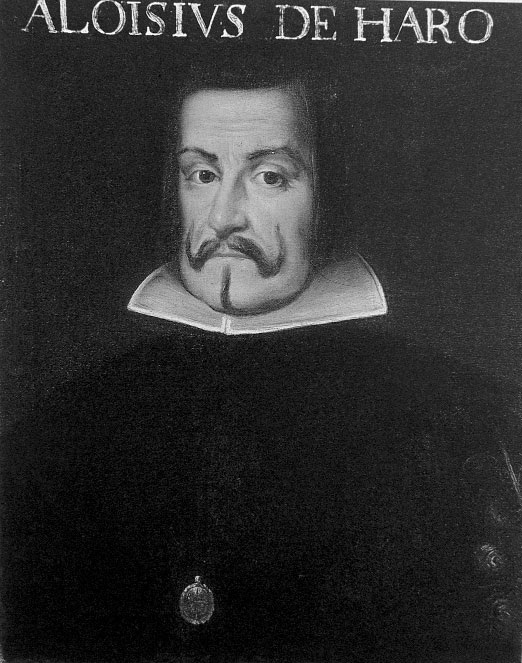
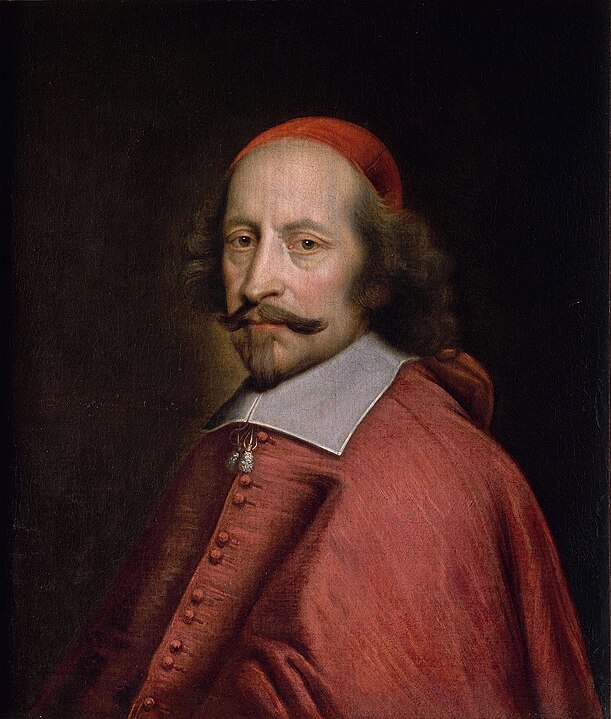
Both Spain and France were major powers in Europe during the 17th century. Several Germanic and Austrian rulers were enthroned by the House of Habsburg in Spain over the ages. On the French side, the Bourbon line wielded power. At the start of the war, Louis XIII was in charge of the French kingdom; Louis XIV took his place in 1643. France triumphed over Spain in their battle, and the Treaty of the Pyrenees was ratified by Cardinal Mazarin. King Philip IV of Spain had his Prime Minister, Don Luis Méndez de Haro, handle this responsibility.
What Did the Treaty of the Pyrenees Establish?
The Treaty of the Pyrenees was an important moment in European history. The House of Bourbons finally triumphed over the House of Habsburg after decades of intermittent conflict that culminated in the Franco-Spanish War. The two reigning dynasties negotiated arrangements that favored France under the Treaty of the Pyrenees. Although talks had begun in 1656, it wasn’t until the French victory at the Battle of the Dunes in 1658 that the Spanish agreed to give as much ground as they did.
There were a total of 124 provisions in the Treaty of the Pyrenees, plus another 8 that were kept secret. There are certain articles that are more vital than others. Article 42, for example, delimits the frontier using the peaks of the Pyrenees as its boundary. Article 61 highlights Philip IV’s rejection of any right to the Alsatian provinces.
What’s in It for the Warring Powers?
French King Louis XIV saw the Treaty of the Pyrenees as a chance to cement his rule over the rest of Europe. The House of Habsburg was severely weakened, as was the Spanish crown. In particular, northern France and the Netherlands were two areas where Spain had to give up control. The Treaty of the Pyrenees, in particular, suggested to Spain that it was compelled to join a forced coalition.
Louis XIV married the daughter of Emperor Philip IV of Austria, Maria Theresa. The infanta and her heirs were legally required to give up their claim to the Spanish throne as part of the marriage contract. The marriage contract was amended by Cardinal Mazarin to include a dowry provision demanding that Spain pay 500,000 gold ecus. The sum was so enormous that it was a factor in Louis XIV’s claim to the Spanish throne and the subsequent War of Devolution.
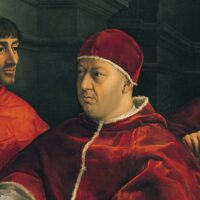
Cardinal Mazarin adds a clause so that Spain is required to pay a dowry of 500,000 crowns for the marriage. A colossal sum that Spain will be unable to pay, which will later be used by Louis XIV to claim rights over the Spanish crown and will lead to the War of Devolution.
How Did the Treaty of the Pyrenees Redraw the Franco-Spanish Map?
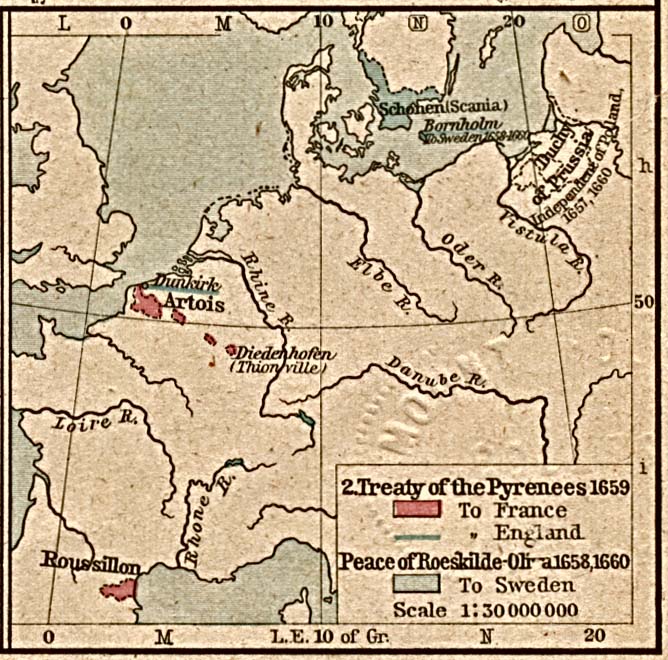
Spain held extensive territory in what is now northern France and the Netherlands prior to the Treaty of the Pyrenees. The “Spanish Netherlands” was the name given to these territories. After defeating Spain in battle, France annexed the territory to its crown. South of it, it absorbed principalities like Catalonia, where modern-day Montpellier is situated.
The treaty resulted in significant changes to the border between France and Spain. France gained control of territories in Catalonia and Roussillon, solidifying its control over these regions.
The delineation of the French-Spanish border, however, was the most consequential event. In a rough sense, the Pyrenees serve as a border here. “The crests of the mountains that form the slopes of the waters” are all that is needed to define the boundary, according to the treaty. It was a complete and utter win for Louis XIV and France. The only concession granted to Spain was the renunciation of support for Portugal, then at war with its Iberian neighbor.