By using this site, you agree to the Privacy Policy.
Accept
MalevuzMalevuz
  • HISTORY
  • SCIENCE
  • BIOGRAPHY
MalevuzMalevuz
Search
  • HISTORY
  • SCIENCE
  • BIOGRAPHY
Follow US
Malevuz > History > 20 Key Dates of Hitler’s Rise
History

20 Key Dates of Hitler’s Rise

Hrothsige Frithowulf
ByHrothsige Frithowulf
History Editor
Hrothsige is a history writer at Malevus. He has a bachelor's in history from the University of Exeter. Hrothsige's areas of historical interest encompass the ancient...
- History Editor
24 September 2024
Share
7 Min Read
SHARE

On November 11, 1918, the armistice was signed, marking the end of World War I. The extreme right attributed this failure to the home front, Jews, Republicans, and the left.
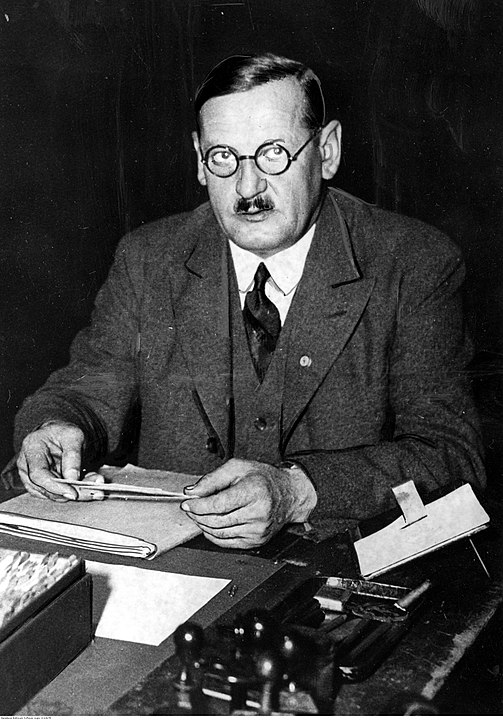
Anton Drexler
Anton Drexler, 1920.

On January 5, 1919, the German Workers’ Party (DAP) was created by Anton Drexler. Among the founders of this far-right party were Dietrich Eckart, the editor of an anti-Semitic periodical, and the economist Gottfried Feder.
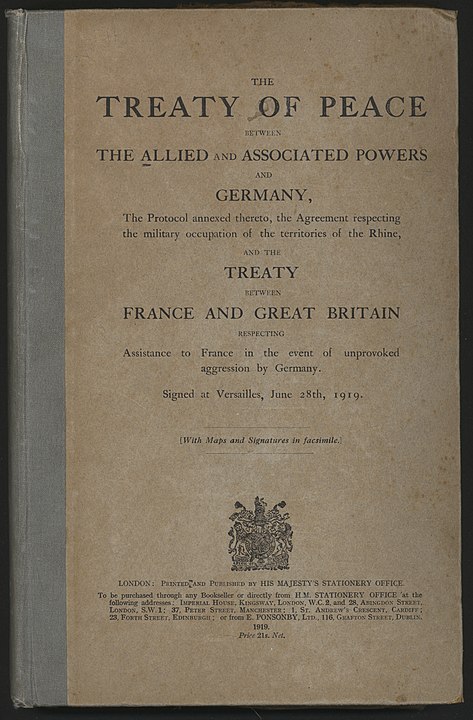
Treaty of Versailles
Treaty of Versailles, english version.

June 28, 1919, saw the signing of the Treaty of Versailles, attributing the overall responsibility for the war to Germany. Reparations and war indemnities of 269 billion Reichsmarks were demanded from the Germans.
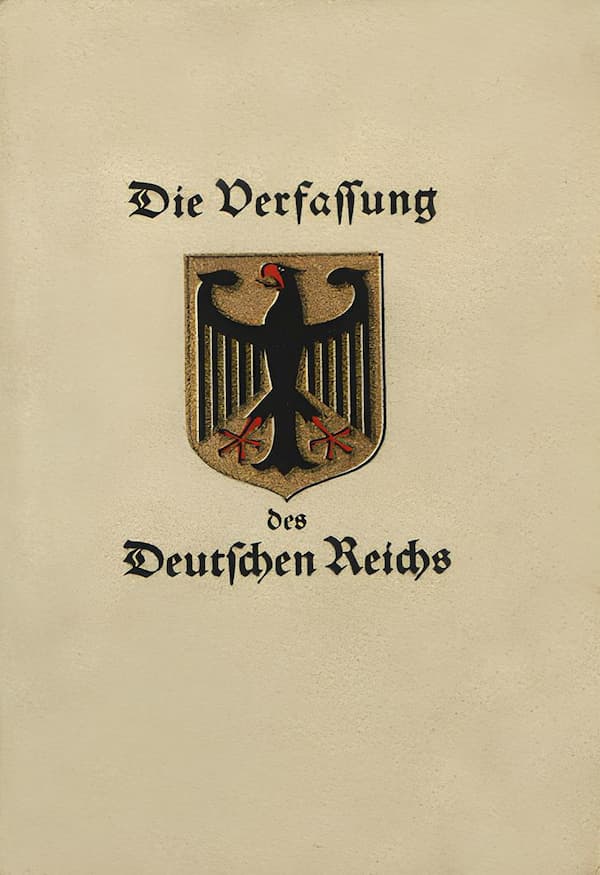
The Weimar Constitution in booklet form
The Weimar Constitution in booklet form.

On August 11, 1919, the official birth of the Weimar Republic took place as it adopted a constitution. The German extreme right immediately rejected this parliamentary regime, considering it corrupt and guilty of signing the Treaty of Versailles.
More Read

800px pieter brueghel de jonge zomer oogster 3
Agriculture, population and peasant life in the 18th century
Overview of the mysterious “Ghost Army” that fought in WWII
Christmas in Italy: Traditions, Celebrations, and History
How Did Latin America Gain Independence From Spanish Fule?
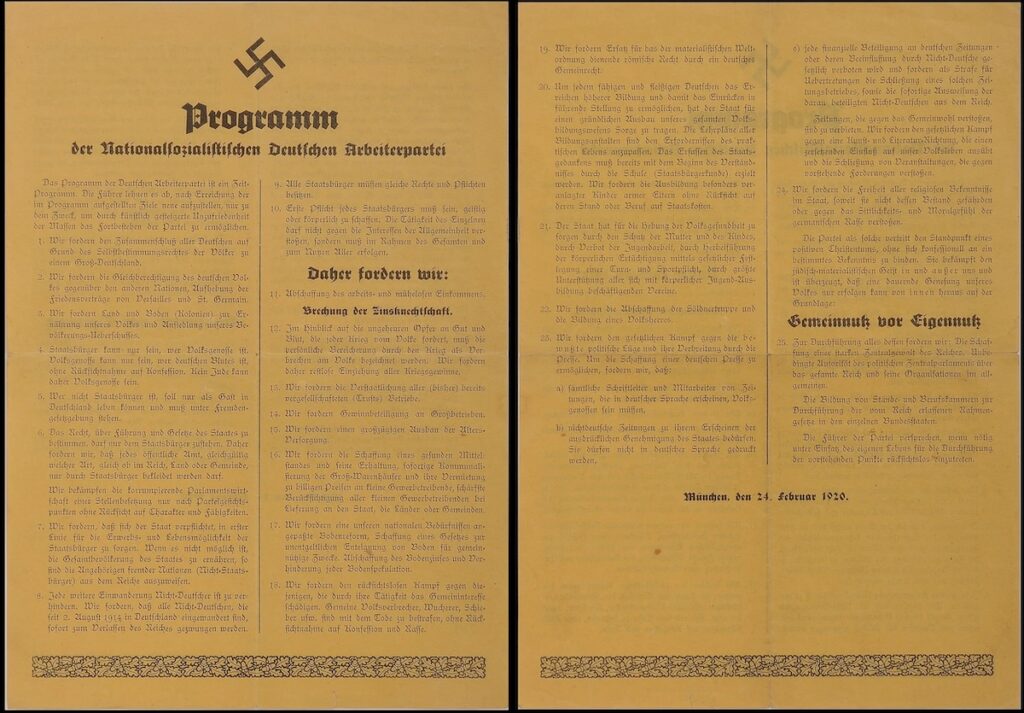
National Socialist German Workers’ Party
First political program of the National Socialist German Workers’ Party. Image: Museum of World War II Boston.

February 24, 1920, marked the transformation of the DAP into the National Socialist German Workers’ Party (NSDAP). The party advocated for a “racist and nationalist” state, with Adolf Hitler emerging as a prominent figure among its fervent supporters.
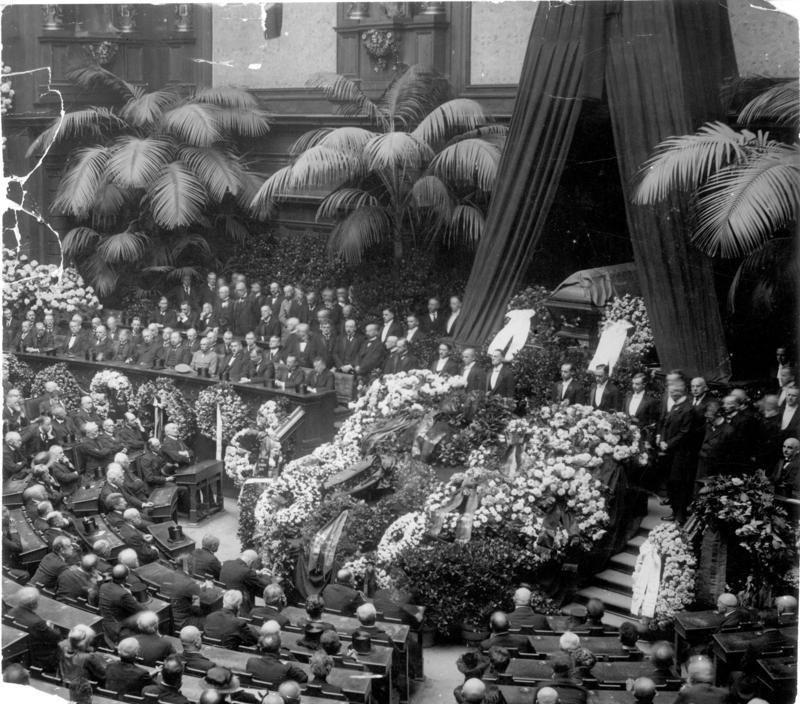
State memorial ceremony with Rathenau's laid-out coffin in the Reichstag, 27 June 1922
State memorial ceremony with Rathenau’s laid-out coffin in the Reichstag, 27 June 1922. Image: Bundesarchiv, Bild 183-Z1117-502 / CC-BY-SA 3.0.

In less than a year, nationalist attacks on January 26, 1921, and June 24, 1922, claimed the lives of two Republicans: Matthias Erzberger, a signatory of the armistice, and the Jewish industrialist Walther Rathenau.
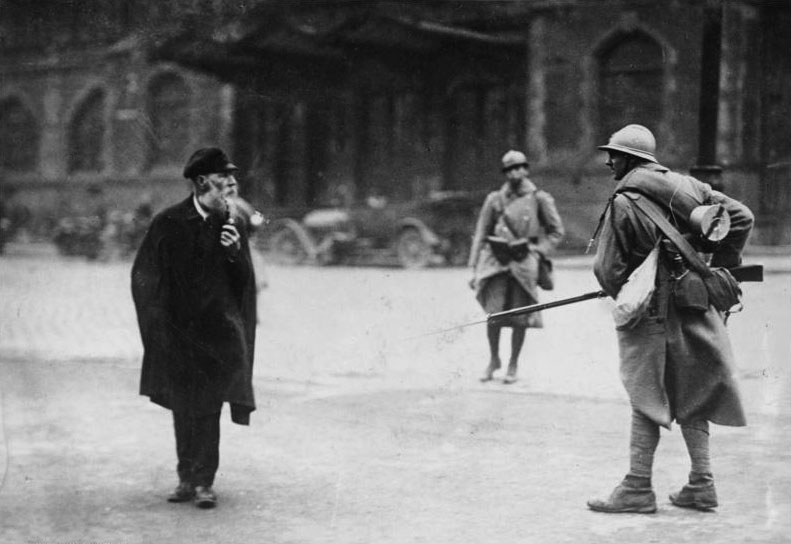
French soldiers and a German civilian in the Ruhr in 1923
French soldiers and a German civilian in the Ruhr in 1923. Image: Bundesarchiv, Bild 183-R09876 / CC-BY-SA 3.0.

In January 1923, the occupation of the Ruhr occurred as France and Belgium conducted a military operation to forcefully claim war reparations from Germany. The NSDAP perceived it as another affront to the German people.
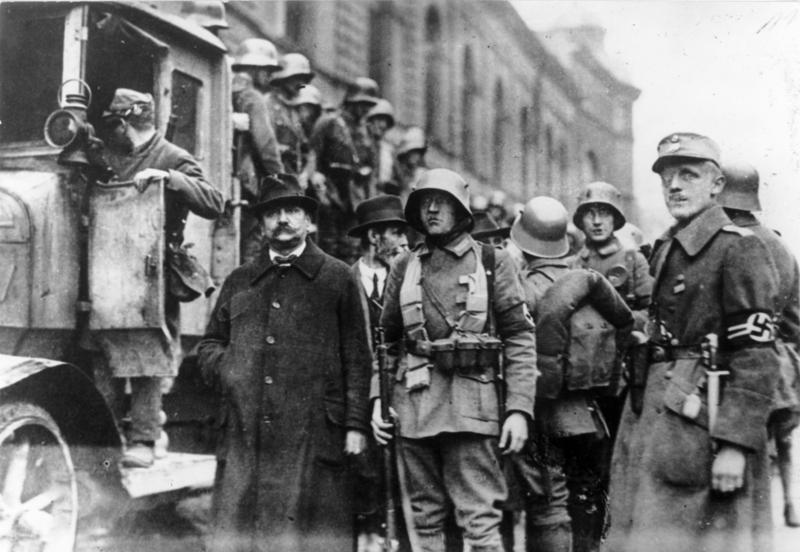
Beer Hall Putsch
Early Nazis who participated in the attempt to seize power during the 1923 Putsch. Image: Bundesarchiv, Bild 146-2007-0003 / CC-BY-SA 3.0.

The failed Beer Hall Putsch on November 8 and 9, 1923, in Munich, led by Hitler and supported by Göring, Himmler, and Ludendorff, became a foundational myth of the Nazi Party.
More Read

Leonidas at Thermopylae (1814)
9 Common Misconceptions About Ancient Greece
Christmas in America: Traditions, Celebrations, and History
Christmas in Portugal: Traditions, Celebrations, and History
Yubitsume: A Japanese Way of Reflection, Arbitration, and Protest
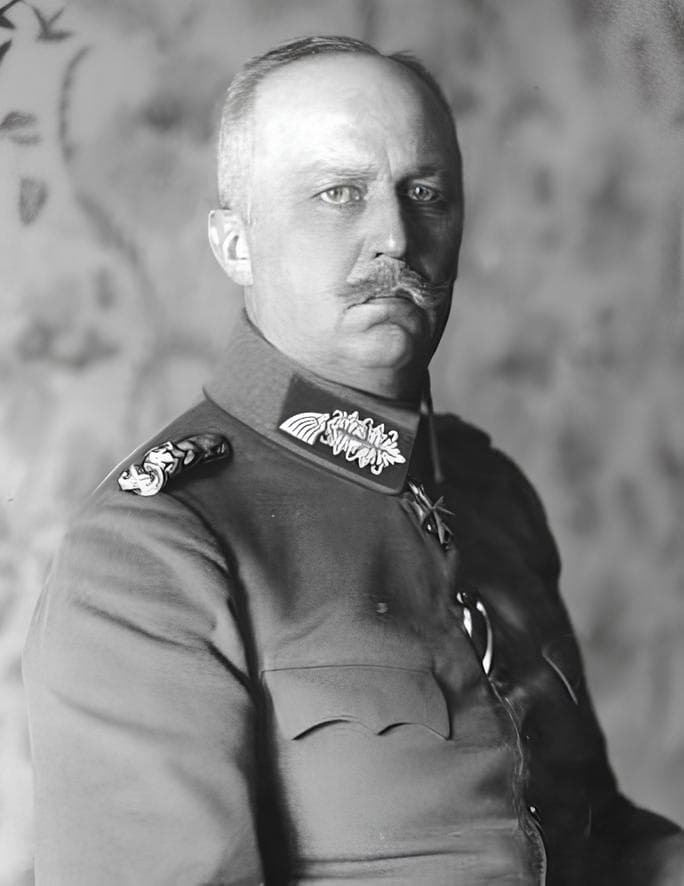
Ludendorff in 1915
Ludendorff in 1915. Image: Bundesarchiv Bild 183-2005-0828-525 / CC-BY-SA 3.0.

March 29, 1925, witnessed a presidential election in Germany. Erich Ludendorff, chief of the German armies in World War I and an active supporter of the NSDAP, was strategically pushed by Hitler to run in a presidential election destined for failure. Ludendorff secured only 1.1% of the votes in the first round.
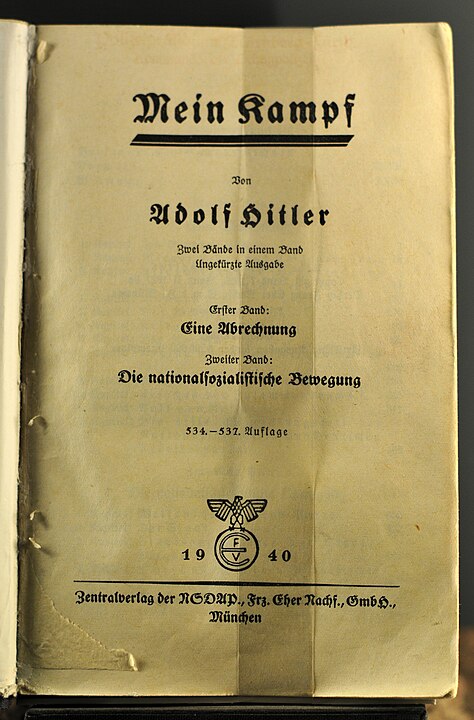
mein kampf
Title page of the 1940 edition, exhibited at the Documentation Center Nazi Party Rally Grounds in Nuremberg. Image: Public Domain.

On July 18, 1925, Mein Kampf was published. Hitler, imprisoned after the failed putsch, wrote his manifesto behind bars with the assistance of Winifred Wagner, the daughter-in-law of Richard Wagner.
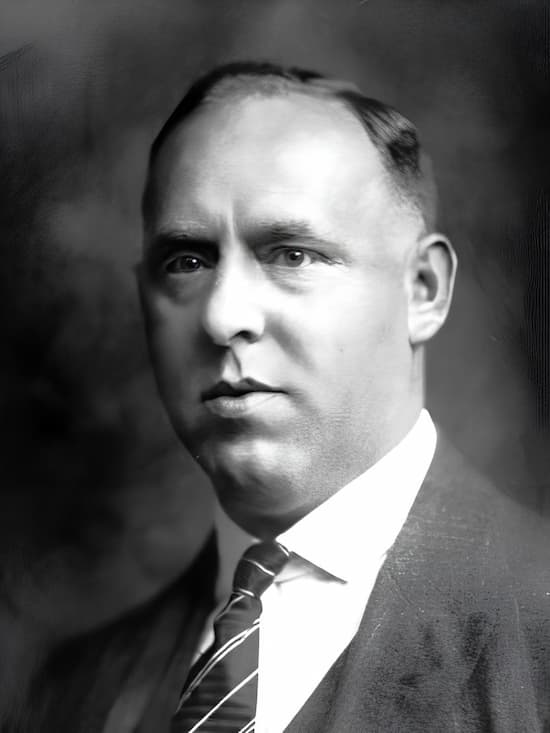
Gregor Strasser, c. 1928
Gregor Strasser, c. 1928. Image: Bundesarchiv, Bild 119-1721 / CC-BY-SA 3.0.

The Nazi Party congress in Bamberg on February 14, 1926, was convened by Hitler to solidify his legitimacy, gaining support from figures like Gregor Strasser and Joseph Goebbels from the left wing of the party.
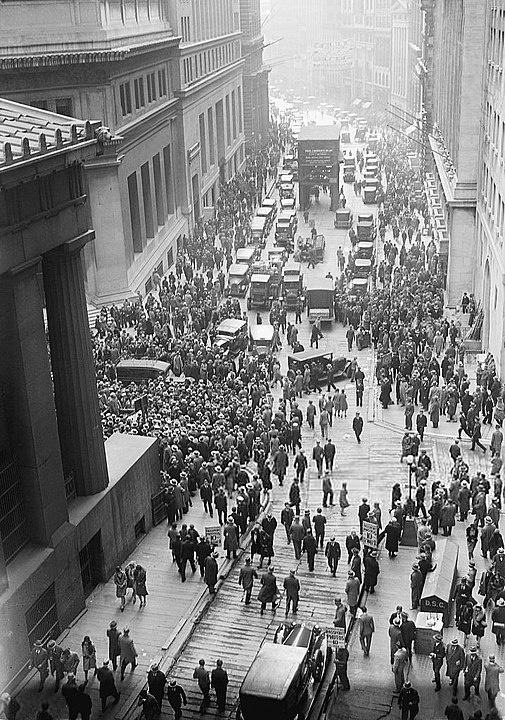
Crowd gathering on Wall Street after the 1929 crash
Crowd gathering on Wall Street after the 1929 crash.

The Wall Street Crash on October 24, 1929, prompted the United States to withdraw its capital from Germany overnight. The NSDAP seized the opportunity to strengthen its nationalist discourse.
  • Also: Great Depression: Stock Market Crash of 1929, Black Thursday
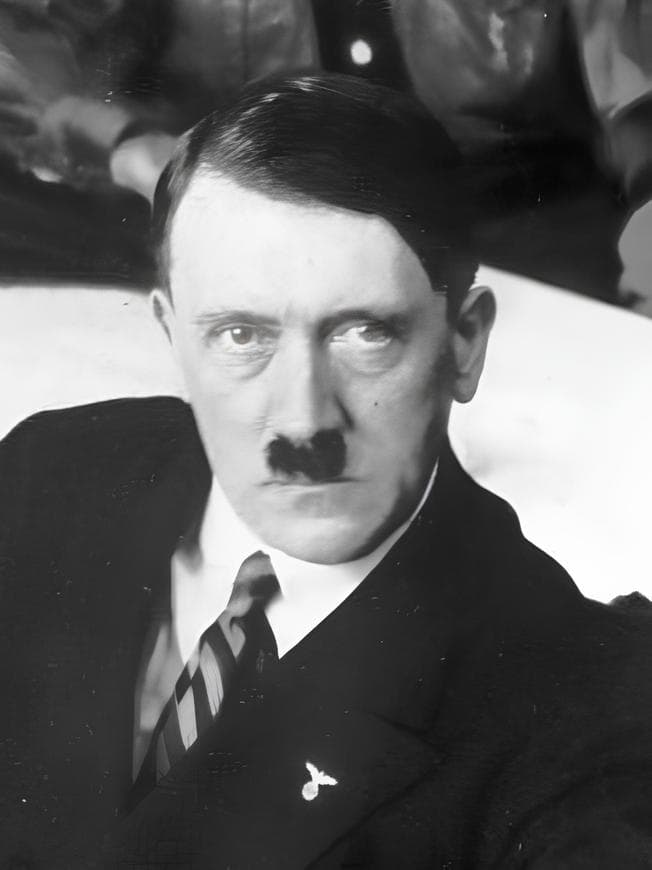
Adolf Hitler
Adolf Hitler. Image: Bundesarchiv, Bild 102-12922 / CC-BY-SA 3.0.

On September 14, 1930, the NSDAP secured 18.3% of the votes in the legislative elections, following the dissolution of the Parliament due to disagreements on unemployment insurance. Financial support from magnates like Emil Kirdorf, Fritz Thyssen, and Hjalmar Schacht contributed to the Nazi Party’s rise.
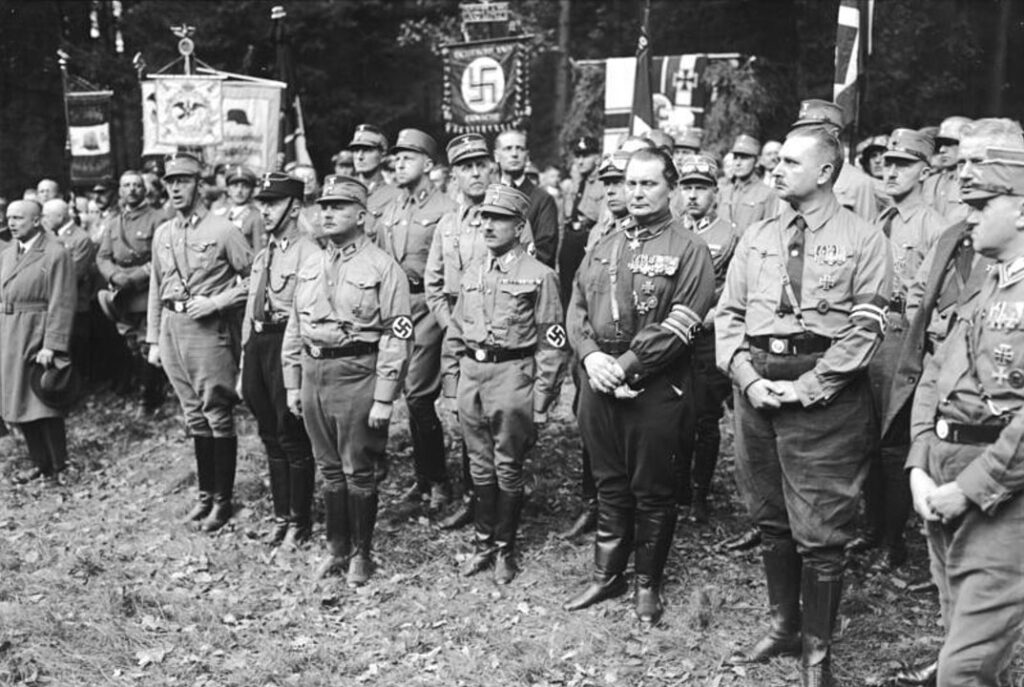
Camp service of the NSDAP delegation, in the first row SS Chief Heinrich Himmler, SA Chief Ernst Röhm and Hermann Göring Harzburg Front
Camp service of the NSDAP delegation, in the first row SS Chief Heinrich Himmler, SA Chief Ernst Röhm and Hermann Göring. Image: Bundesarchiv, Bild 102-02134 / CC-BY-SA 3.0.

October 11, 1931, witnessed the creation of the “Harzburg Front,” an alliance of heavy industry employers and right-wing and far-right parties, including the NSDAP, opposing Chancellor Heinrich Brüning and advocating for a strong leader for Germany.
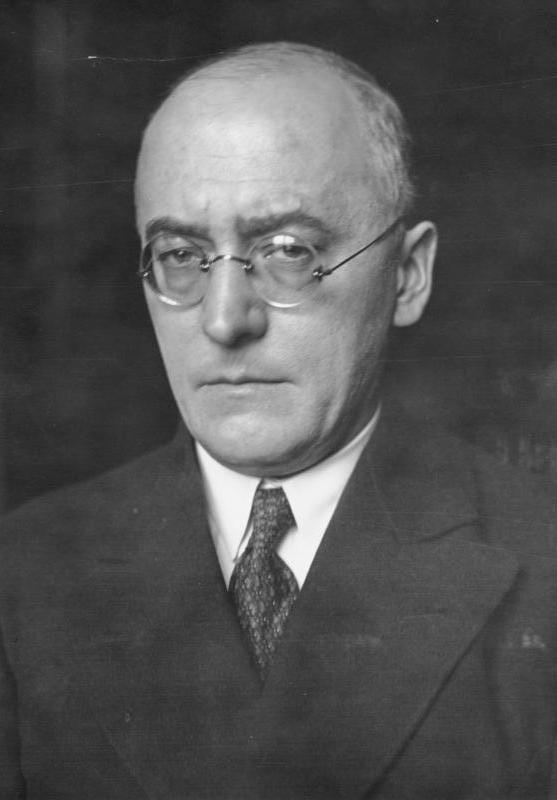
Heinrich Brüning
Heinrich Brüning, Image: Bundesarchiv, Bild 183-1989-0630-504 / Unknown / CC-BY-SA 3.0.

In February 1932, with unemployment at 33.8%, Brüning chose deflation to support the economy, leading to a 25% reduction in public spending, a 14% cut in unemployment benefits, and a 15% increase in taxes. Meanwhile, on February 25, 1932, Hitler obtained German citizenship.
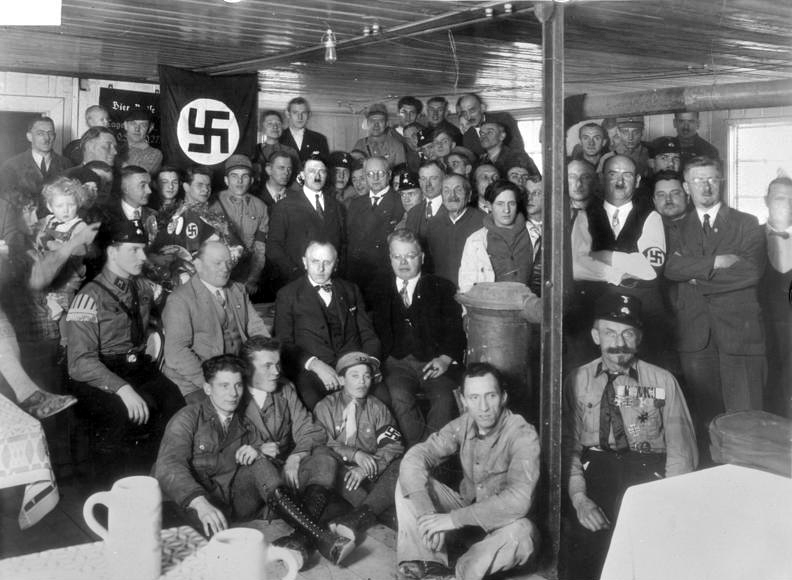
Hitler with Nazi Party members in December 1930
Hitler with Nazi Party members in December 1930. Image: Bundesarchiv, Bild 119-0289 / Unknown author / CC-BY-SA 3.0.

On July 31, 1932, the NSDAP became the largest party in Germany, securing 37.3% of the votes in the legislative elections, surpassing the Social Democratic Party (21.6%). President Paul von Hindenburg refused to appoint Hitler as chancellor.
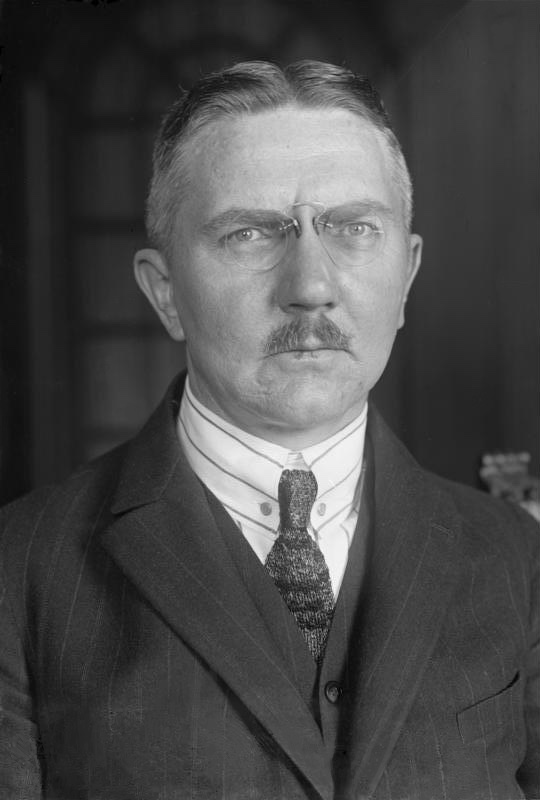
The writer of the submission: Hjalmar Schacht (photo from 1931) Industrielleneingabe
Hjalmar Schacht (photo from 1931). Image: Bundesarchiv, Bild 102-12733 / CC-BY-SA 3.0.

November 19, 1932, saw an appeal (Industrielleneingabe) from 19 financiers and industrialists to President Hindenburg to appoint Hitler as chancellor, but he refused. Göring, a Nazi party member, had been leading the Reichstag since August 30.
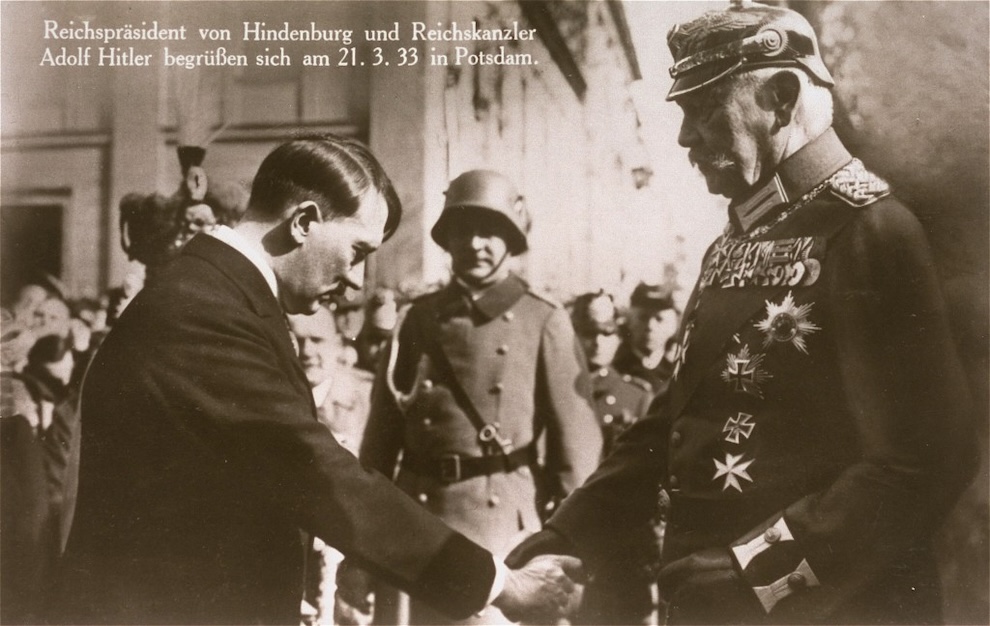
Recently appointed as German chancellor, Adolf Hitler greets President Paul von Hindenburg in Potsdam
Recently appointed as German chancellor, Adolf Hitler greets President Paul von Hindenburg in Potsdam, Germany, on March 21, 1933. Image: US Holocaust Memorial Museum.

Finally, on January 30, 1933, Hitler was appointed chancellor as Hindenburg yielded after weeks of political intrigues, orchestrated in part by von Papen and the German National People’s Party (conservative), believing they could “control” the Führer.
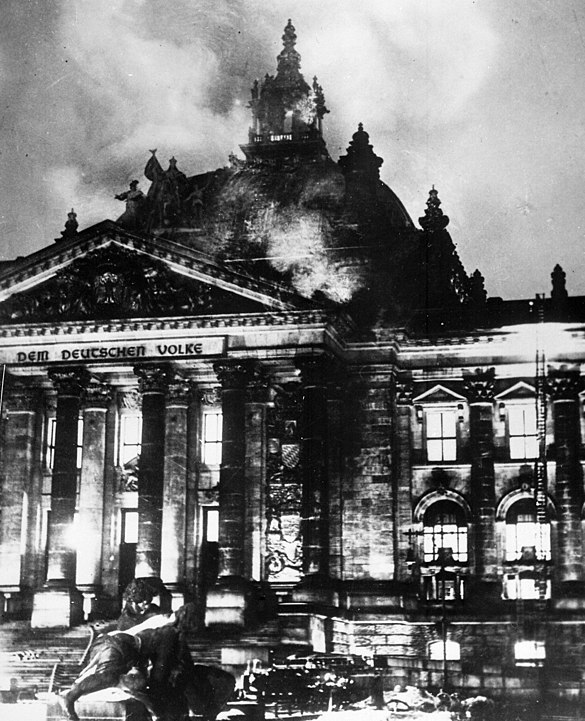
Reichstag Fire
Reichstag Fire. Image: Public Domain.

On February 27 and 28, 1933, the Reichstag Fire, a criminal act, was used by the Nazis to implement a policy of suspending individual liberties and suppressing communists. On March 23, after the arrest of 4,000 opponents, the new parliament passed the Enabling Act, granting Hitler full powers.

Share This Article
Email Copy Link Print
ByHrothsige Frithowulf
History Editor
Hrothsige is a history writer at Malevus. He has a bachelor's in history from the University of Exeter. Hrothsige's areas of historical interest encompass the ancient world and early Europe, along with the history of modern culture.
Previous Article Christmas in Georgia Christmas in Georgia: Traditions, Celebrations, and History
Next Article Roman Society Roman Society: Social Groups and Their Statuses

Latest News

985px Landing of Lieutenant James Cook at Botany Bay 29 April 1770 painting by E Phillips Fox

Top 10: The Greatest Knights in History

Knights were the medieval equivalent of elite soldiers, and many…

List
3 November 2026
Charles Rolls driving a Peugeot 1896
List

10 of the Craziest Laws in History

For more than 4,000 years, humans have devised new laws…

18 October 2026
Ikinci Meksika Imparatorlugu
History

Why Did the Second Mexican Empire Collapse?

The Second Mexican Empire did not collapse because of a…

14 April 2026
A painting depicting Aboriginal Tasmanians attacking John Allen’s Milton Farm near Great Swanport in 1833.
History

Colonialism in Tasmania

The colonization of Tasmania was not a simple story of…

14 April 2026

You Might Also Like

Women scientists erased from history by gender bias (Matilda effect)

11 December 2025
Christmas in Los Angeles
History

Christmas in Los Angeles: Traditions, Celebrations, and History

22 December 2023
The Death of Julius Caesar by Vincenzo Camuccini, 1806
History

Political Assassinations That Changed History

9 March 2026
havamal
History

Havamal: 164 Eddic Verses of Norse

20 February 2024
  • Privacy Policy
  • About us
  • Editorial Standards

© Malevuz. All Rights Reserved.

Welcome Back!

Sign in to your account

Username or Email Address
Password

Lost your password?