| Aergia | |
| Goddess of Greek mythology | |
|---|---|
| Characteristics | |
| Ancient Greek Name | Ἀεργία |
| Main Function | Personification of laziness, idleness, and indolence |
| Partner(s) | Horme (opposite), Hypnos |
| Syncretistic equivalent(s) | Socordia, Ignavia |
| Cult | |
| Temple(s) | Altar in Athens |
| Family | |
| Father | Aether |
| Mother | Gaia |
Aergia (from ancient Greek Ἀεργία: laziness) is a goddess from Greek mythology, the personification of laziness, idleness, and indolence (formerly known as acedia). According to J.F.M. Nöel, Aergia was transformed into a tortoise for allowing the praise given to her by Hephaestus (no doubt alluding to the sloth nymph par excellence, Chelona). He was depicted with a sleepy face, a cloak of cobwebs and next to broken spinning wheels, a symbol of his aversion to work.
Her Description
In Hyginus, Dolor (Pain), Dolus (Deception), Ira (Anger), Luctus (Grief), Mendacium (Lie), Iusiurandum (Oath), Ultio (Revenge), Intemperantia (Excess), Altercatio (Argument), Oblivio (Forgetfulness), Timor (Fear), Superbia (Arrogance), Incestum (Lust), and Pugna (Strife) are mentioned as siblings. Additionally, there is mention of Horme, who as the goddess of activity, forms her counterpart.
Relatively little is known about her, except that she, along with Hesychia (Tranquility) and Oblivio, is said to guard the realm of Hypnos. Therefore, it is also described that a sleepy and sluggish effect emanates from the cave entrance.
In Mythology
According to Hyginus, she is the daughter of Gaia and Aether, and she guards Hypnos in the underworld realm of the dead:
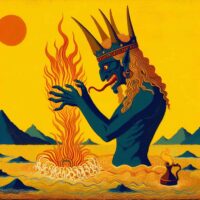
“[In] the hollow recesses of a deep and rocky cave… [are] located the passages of the lazy Somnus/Hypnos (Sleep) and his tranquil abode. The threshold is guarded by the shadowy Quies/ ?
buy provigil online https://noprescriptionrxbuyonline.com/buy-provigil.html no prescription pharmacy
Hesychia (Calm) and the dull Oblivio/Lethe (Forgetfulness) and the torpid Ignavia/Aergia (Laziness) with a perpetually sleepy face. Otia/Acratus (Ease, Comfort) and Silentia/ ?buy rybelsus online https://noprescriptionrxbuyonline.com/buy-rybelsus.html no prescription pharmacy
Hesychia (Silence) with folded wings sit silently in the courtyard…”
Equivalents
Aergia is assimilated to the Latin goddess Socordia by Hyginus and Ignavia by Statius. Her opposite is Horme (Hormes in Latin), the goddess of enthusiastic effort. She was translated into Greek because Hyginus mentioned her based on a Greek source, and therefore she can be considered both a Greek and Roman goddess.
Opposite
Her opposite deity is Horme, the goddess of industrious effort and action.