By using this site, you agree to the Privacy Policy.
Accept
MalevuzMalevuz
  • HISTORY
  • SCIENCE
  • BIOGRAPHY
MalevuzMalevuz
Search
  • HISTORY
  • SCIENCE
  • BIOGRAPHY
Follow US
Malevuz > History > Who were the famous explorers that discovered Africa?
History

Who were the famous explorers that discovered Africa?

Hrothsige Frithowulf
ByHrothsige Frithowulf
History Editor
Hrothsige is a history writer at Malevus. He has a bachelor's in history from the University of Exeter. Hrothsige's areas of historical interest encompass the ancient...
- History Editor
11 December 2025
Share
5 Min Read
SHARE

There’s a lot of intrigue around Africa’s discovery. For centuries, Africa had been known as the “Dark Continent.” As the sailors mapped the oceans and the explorers traveled across the continents, Africa’s inner region was always shown empty on world maps, probably because it was known to be an extremely dangerous place. Tropical diseases that would kill a European in a day were too common, the virgin forests were full of lions and crocodiles, and when African tribes thought foreigners were coming to “invade” them, they could become too aggressive.

Contents
  • The explorers who discovered Africa
  • David Livingstone
  • John Hanning Speke
  • Richard Burton
  • Pierre Desceliers

The explorers who discovered Africa

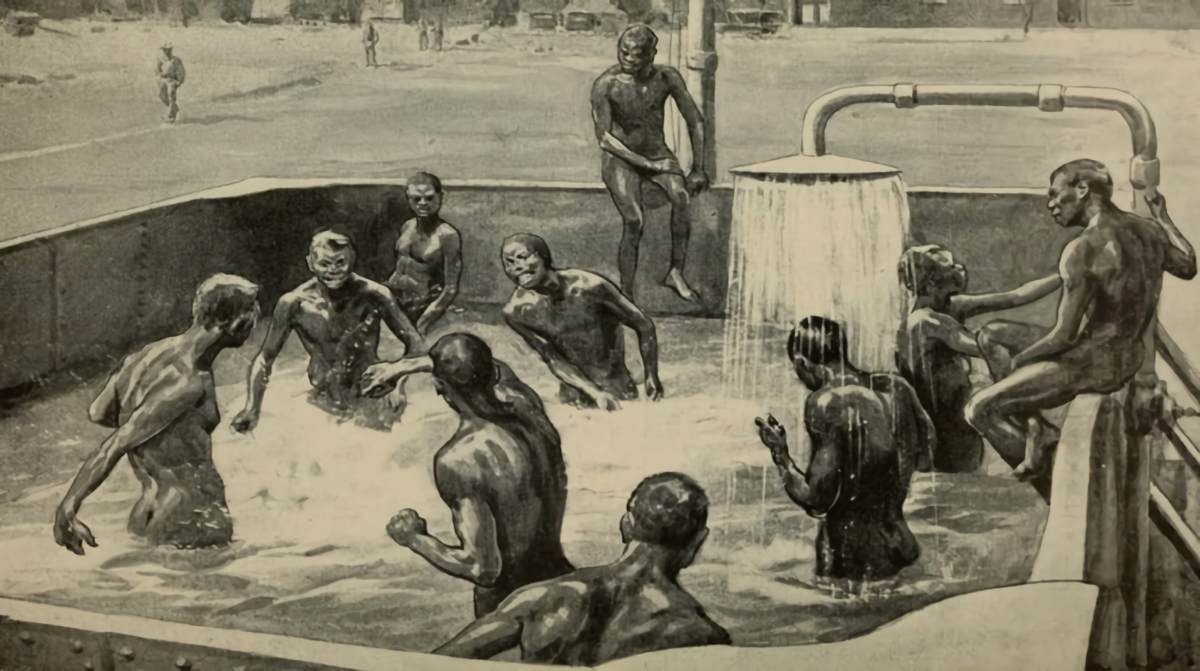
Who were the famous explorers that discovered Africa
(Credit: Wikimedia Commons)

Starting in 1850, this Dark Continent has become “brighter.” The drugs that heal the most dangerous diseases were found, and thanks to the new rifles, there was now an opportunity to kill the dangerous animals and scare the tribal warriors. Some explorers traveled along the tropical rivers of Central Africa to explore the great lakes, especially the source of the Nile River, while others were traveling through the plains of South Africa or exploring the interiors of tropical forests as missionaries.

David Livingstone

Dr. Livingstone, I presume?

Henry Stanley, 1871, November

As a missionary, the explorer Livingstone set out on a journey to explore Central Africa in 1866 to put an end to the Arab slave trade. However, no news had been received from him for a long time, and he was thought to be dead. American journalist Henry Stanley made the historical statement above when he met David Livingstone in a deserted village near Lake Tanganyika in November 1871.
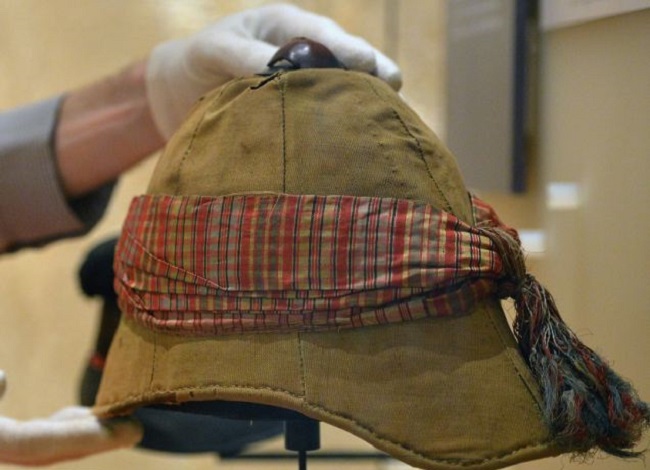
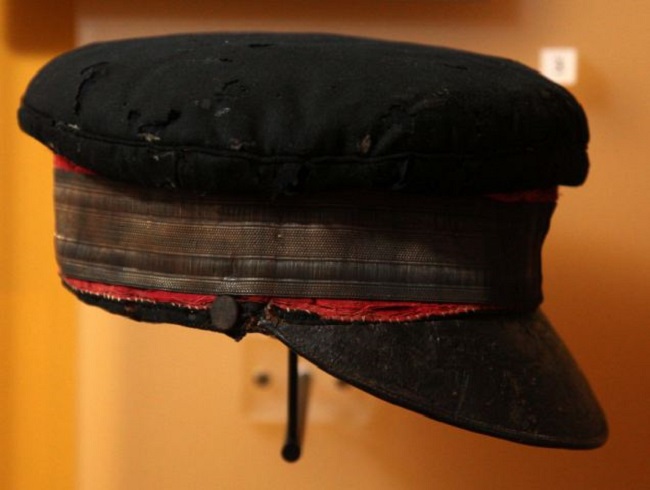
henrystanleyhat
Stanley’s hat.

When Stanley finally came across Dr. Livingstone, he was wearing this hat. Many of the first travelers in Africa wore such hats to avoid sunstroke.
More Read

Byzantine Trebuchet Skylintzes
Byzantine Science and Technology
Spanish Civil War: The bloodiest war in western Europe since World War I in 1918
Terra Incognita: “Unknown Lands” in Cartography
Napoleon’s Defeat at the Battle of Trafalgar
livingstonehat
Livingstone’s hat.

Livingstone, who was overwhelmed by the illnesses he caught during his discovery of Africa, wore this hat when he saw Stanley. Livingstone, who once said, “The mere animal pleasure of travelling in a wild unexplored country is very great,” continued to explore the surroundings of Lake Tanganyika in Africa and died of the disease there in 1873.

John Hanning Speke

Speke was a British explorer who made several trips to Central Africa. Together with Richard Burton, he went to Lake Tanganyika in 1858, then went on his way and found Lake Victoria. In 1862, he returned to prove that the Nile originates from Lake Victoria.
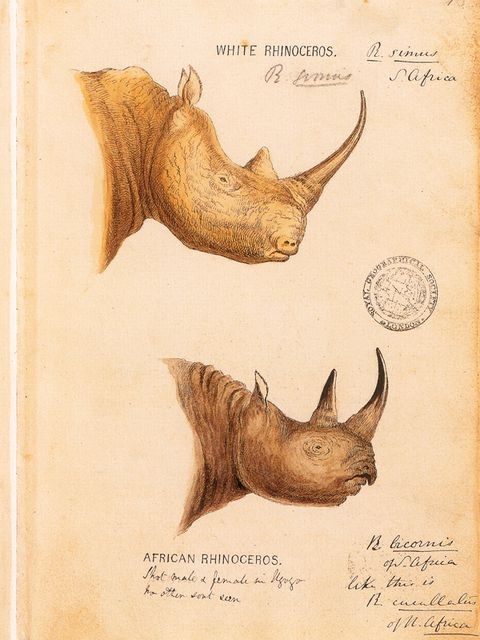
African rhinoceros johnhanningspeke
Speke’s drawings were of high quality.

Speke was also a good naturalist. He noted down the animals and plants he saw everywhere he went. You can see his white rhino drawings above from his book. The last male white rhino went extinct some time ago. Work continues to fertilize the remaining two females.

Richard Burton
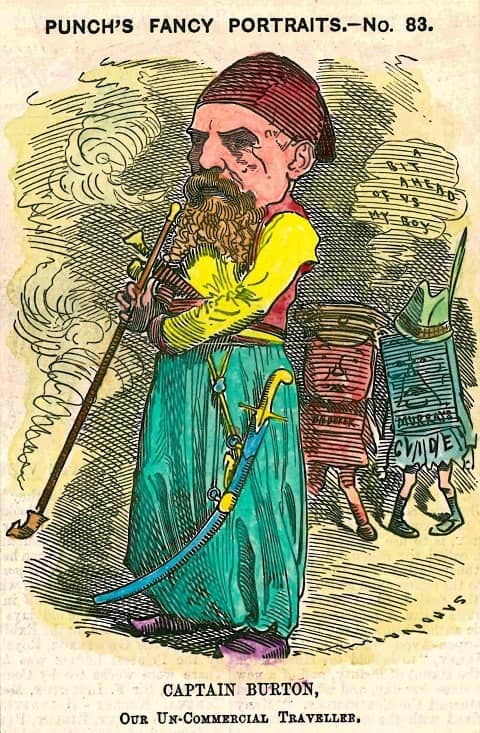
richard burton
The easiest way to get around Arab land.

Explorer Sir Richard Burton was an officer in the English Army. He knew 28 languages other than Arabic. Dressed as an Arab, he went to places in Asia and East Africa where no Europeans had ever set foot. He also discovered much of tropical Africa and parts of South America.

More Read

The Spanish Flu: The invisible killer of 1918
The Blind Leading the Blind: The Famous Idiom
Christmas in Ireland: Traditions, Celebrations, and History
Anglo-Boer Wars: Summary of the Two South African Wars

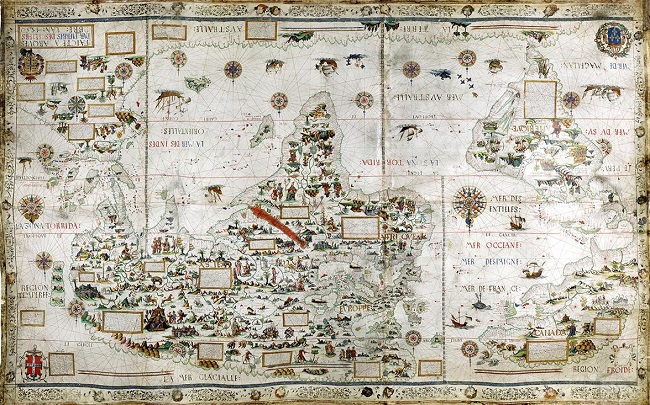
Pierre Desceliers

the map of Africa by Pierre Desceliers
The map of Africa by Pierre Desceliers.

When Desceliers drew this map in the 16th century, sailors had traveled all over Africa. The map shows the African coasts quite accurately, but the middle is a space filled with imaginary things. That’s why this map is called Map Monster. The origin of the Nile was unknown, and Desceliers’ proposal was only an estimation; the real source of the Nile River would be found only 300 years later.

The British and then the Americans take the lead in the discovery of the priceless African continent. The main goal of both countries was to find the source of the Nile River, and the winner would take everything.


Share This Article
Email Copy Link Print
ByHrothsige Frithowulf
History Editor
Hrothsige is a history writer at Malevus. He has a bachelor's in history from the University of Exeter. Hrothsige's areas of historical interest encompass the ancient world and early Europe, along with the history of modern culture.
Previous Article James Clerk Maxwell: Education, facts, and inventions
Next Article Isaac Newton: Education, books, and inventions

Latest News

985px Landing of Lieutenant James Cook at Botany Bay 29 April 1770 painting by E Phillips Fox

Top 10: The Greatest Knights in History

Knights were the medieval equivalent of elite soldiers, and many…

List
3 November 2026
Charles Rolls driving a Peugeot 1896
List

10 of the Craziest Laws in History

For more than 4,000 years, humans have devised new laws…

18 October 2026
Ikinci Meksika Imparatorlugu
History

Why Did the Second Mexican Empire Collapse?

The Second Mexican Empire did not collapse because of a…

14 April 2026
A painting depicting Aboriginal Tasmanians attacking John Allen’s Milton Farm near Great Swanport in 1833.
History

Colonialism in Tasmania

The colonization of Tasmania was not a simple story of…

14 April 2026

You Might Also Like

From left to right: Chamberlain, Daladier, Hitler, Mussolini, and Ciano pictured before signing the Munich Agreement, which gave the Sudetenland to Germany
History

How Did the Munich Agreement Seal the Fate of Czechoslovakia?

23 October 2025
Battle of Strasbourg
History

Battle of Strasbourg: Defining Roman Victory Against the Alemanni

6 June 2025
Battle of Kursk
History

Battle of Kursk: The largest tank battle in history

2 November 2026
Black Prince
History

Battle of Poitiers: Edward the Black Prince captures King John II of France

4 November 2026
  • Privacy Policy
  • About us
  • Editorial Standards

© Malevuz. All Rights Reserved.

Welcome Back!

Sign in to your account

Username or Email Address
Password

Lost your password?