Did Catherine the Great eat dirt in real life when pregnant? It is not true that Catherine the Great, Russia’s imperial ruler from 1762 to 1796, ate dirt when pregnant. This disorder is called pica and can be related to pregnancy, but there are no historical documents or evidence regarding Catherine the Great having pica disorder. Thus, it is safe to say that Catherine the Great never ate dirt in real life, whether pregnant or not. That is why many viewers considered it to be an amusing addition to the show, The Great.
- Why does Catherine keep eating dirt in The Great?
- What does eating clay do to your body?
- Why do I crave soil during pregnancy?
- What is Catherine the Great most known for?
- Did Catherine the Great Eat Dirt?
- The Reasons for Catherine’s Dirt Eating
- What is Pica?
- What Did Catherine the Great Eat?
- The Dirt Eating Around the World
- Why Pregnant Women Eat Dirt
- Weird, Unusual Conducts of Catherine
- Did Catherine the Great Have Illegitimate Children?
- Catherine the Great Was One of the Smartest People in Europe
Why does Catherine keep eating dirt in The Great?
Catherine keeps eating dirt in The Great probably due to the condition called pica. The involuntary ingestion of inedible substances is called u0022pica,u0022 and it is a symptom of the mental disorder. Pica is common among pregnant women, children, and people with learning difficulties. Pica is usually harmless, but it may become quite dangerous if the person swallows the thing they are picking at.
What does eating clay do to your body?
Consuming clay or soil can pose a significant risk to your health. The dirt might be contaminated with various harmful substances like blood, feces, urine, and more, which could lead to a plethora of illnesses if ingested.
Why do I crave soil during pregnancy?
Intentional ingestion of dirt, soil, or clay is called geophagia. In times of hunger and extreme poverty, people frequently resort to eating dirt. People who are pregnant or who have iron deficiency anemia could feel like eating dirt. Some people with pica have low iron levels; however, this is only a minority.
What is Catherine the Great most known for?
The longest rule by a Russian woman was that of Catherine the Great, who ruled for 34 years. By guiding Russia into the political and cultural life of the West, Catherine modernized Russia. She reorganized the Russian judicial system and promoted the arts.
Did Catherine the Great Eat Dirt?
Catherine the Great’s dirt-eating habit was first mentioned in the pilot episode of season 2 of The Great, titled “Heads It’s Me.” And in subsequent episodes, Catherine the Great is seen being served even more dirt. Actress Elle Fanning, who plays Catherine the Great, actually ate dirt and sucked on rusty nails (potentially to consume more iron) to get into her character.
But Catherine II never engaged in such unusual conduct, at least according to history. And even though Catherine the Great did not eat dirt in real life, eating dirt and other non-food stuff when pregnant is a known phenomenon among women in history.
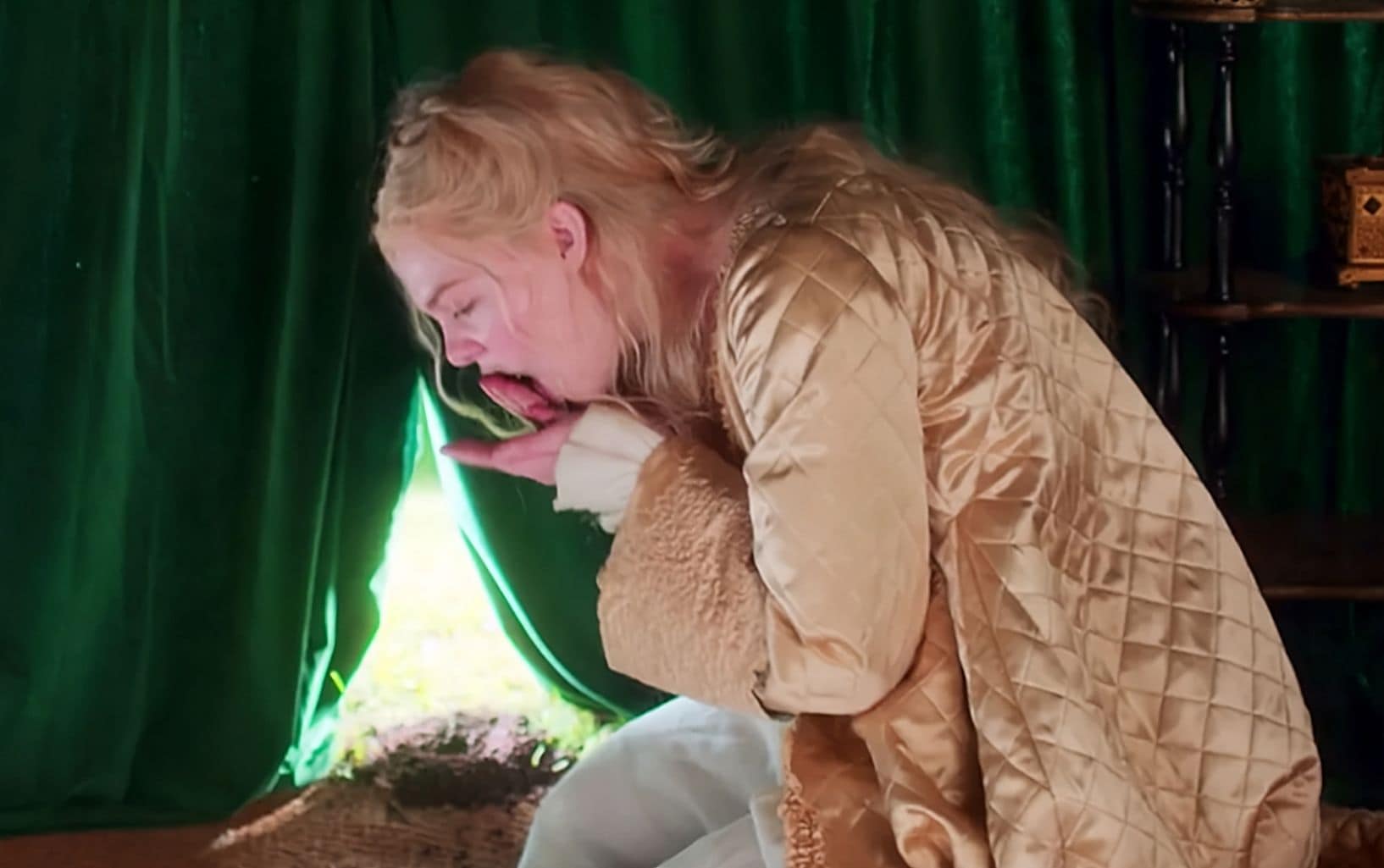
The idea of Catherine the Great consuming dirt in the show is not only unproven, but it also poses a significant risk to her health. Battlefield areas are known to be contaminated with various harmful substances like blood, feces, urine, and more, which, if ingested, could lead to a plethora of illnesses.

Pica, Catherine the Great’s alleged disorder, has been around for a long time, and studies on it have revealed that there is no obvious explanation for it. Because when it comes to eating dirt, why pregnant women have such strange food cravings is still a mystery.
The Reasons for Catherine’s Dirt Eating
Since a baby’s development depends on iron, it’s possible that a pregnant woman’s body can tell her to eat dirt. This is similar to when you lack calcium and crave ice cream or protein and crave meat. Although it was never explained, this could be the reason behind Catherine’s dirt-eating habit in the series The Great.
However, knowing that dirt contains iron is necessary in the first place to start a craving for it; therefore, this explanation doesn’t hold much water. And it would have been required for us to eat dirt every day if our bodies possessed this information. That’s why it’s not clear whether anemia (iron deficiency) leads to pica or if pica leads to anemia. Just like Catherine the Great in the series, literally hundreds of thousands of pregnant women suffer from pica, and many are concerned and dismayed by their odd appetites. Now that we know if Catherine the Great ate dirt or not, what exactly is pica?
What is Pica?
A person with pica has an inordinate need for both food and non-food objects. One of the oldest reported examples of pica, in a pregnant woman in the 6th century AD, has been a part of the medical literature for decades. A large number of cases of pica have been reported since then, with patients reporting eating everything from ice cubes (pagophagia) to clay (geophagia) to chalk, cigarette butts, hair, lead, and laundry starch.
Pica is most prevalent among people with developmental impairments; however, it has been documented in people of different ages, genders, and races, with a greater prevalence among those with less affluent backgrounds. Pica affects young children at a rate of 25%–33% worldwide, pregnant women at a rate of 20%, and people with learning difficulties at a rate of 10%–15%. Only a small group of people with pica have a low iron count.
What Did Catherine the Great Eat?
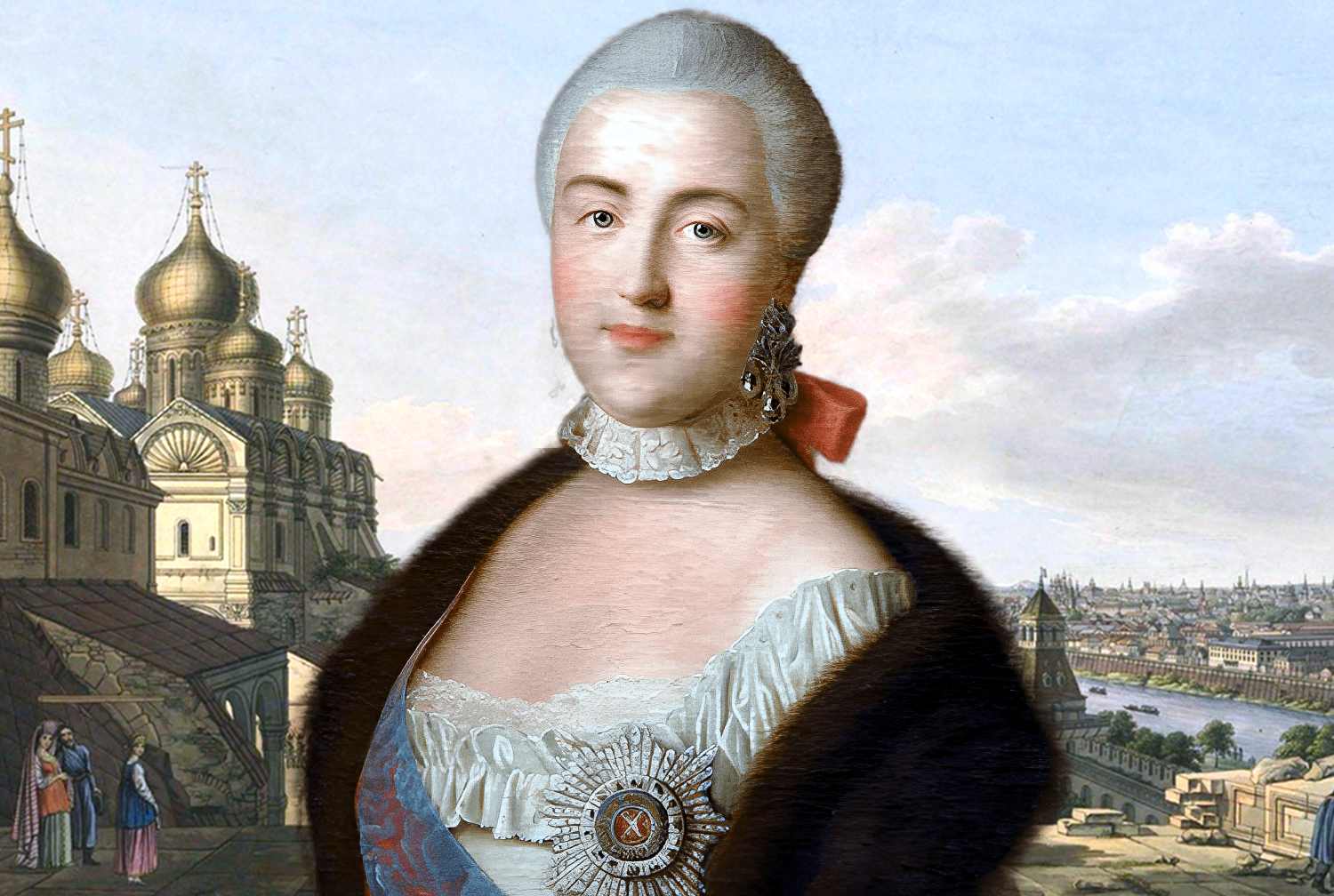
Catherine the Great’s later years were marked by a palate simplification comparable to that of Peter the Great. Historians claim that her go-to meal was a bowl of venison tongue sauce over boiling meat and cucumbers. As the Russian queen of the 18th century, Catherine the Great of Russia was renowned for her opulent lifestyle, which was reflected in her dining habits.
One of her favorite dishes was the luxurious combination of sturgeon and champagne soup. She also had a penchant for pickled beef and minced game meat cutlets. Despite her reputation for promoting diverse culinary experiences, Catherine had a special appreciation for traditional Russian cuisine. She was particularly fond of simple, hearty meals such as cabbage soup (shchi) and porridge.
The Dirt Eating Around the World
If you find Catherine the Great’s dirt craving odd, this phenomenon is actually prevalent. The consumption of dirt, also known as “geophagia,” is a prevalent occurrence in areas that are plagued by poverty and starvation. People suffering from iron deficiency anemia may turn to eating dirt as a source of nutrition. In certain regions of Africa, pregnant women frequently partake in the practice of consuming dirt, often driven by a desire for the specific taste and texture of the dirt.
The dirt of choice for many is typically red dirt, and there are various cultural, religious, and even medicinal reasons for this behavior. Some people believe that dirt consumption can benefit the growing baby, however, it can be detrimental when the dirt is contaminated with pollutants or parasites.
Why Pregnant Women Eat Dirt
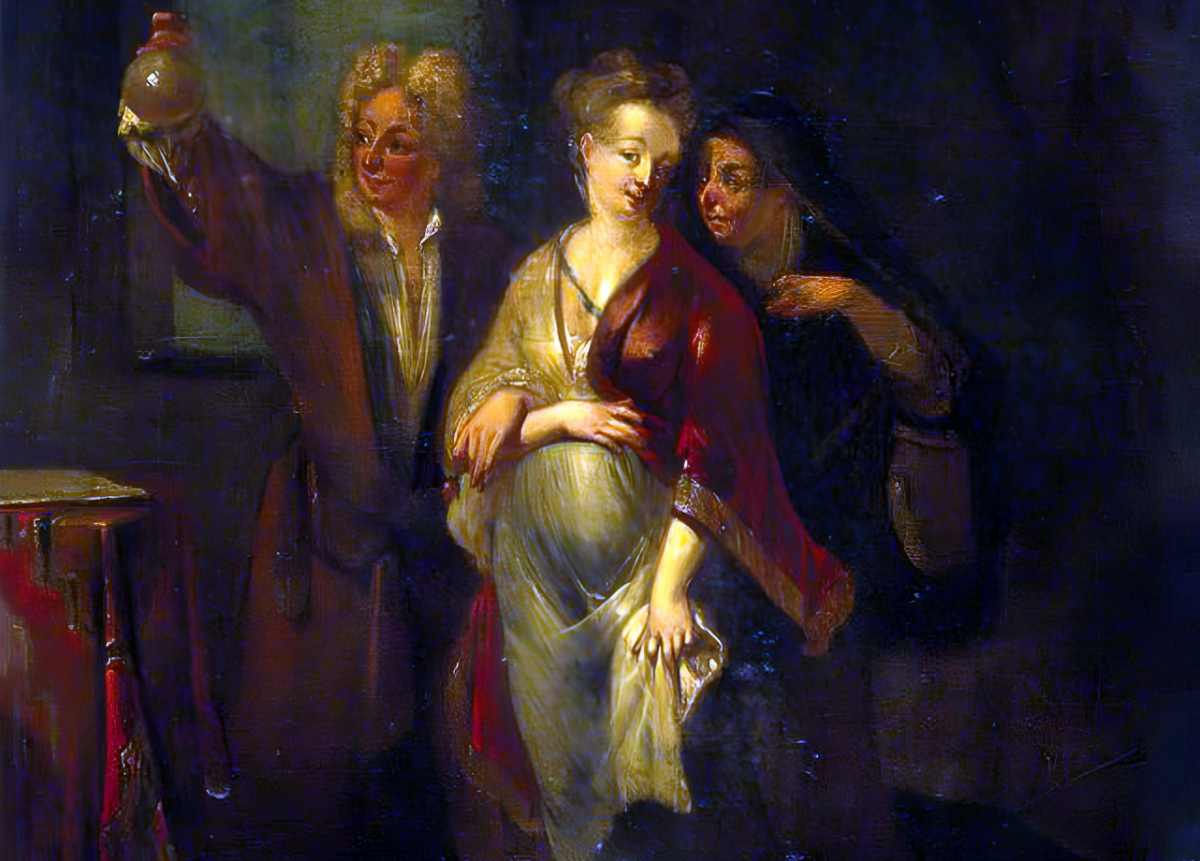
Geophagia, or the habit of eating dirt, is a type of pica that is often attributed to a shortage of iron and other nutrients for pregnant women. A pregnant woman may feel compelled to eat dirt due to its high mineral content since elements like iron, calcium, and zinc are needed for the baby’s development.
They are more likely to suffer from pica since their bodies have higher dietary requirements, and this may indicate that their bodies are not getting the proper nutrients. However, only a small percentage of people with pica are iron deficient, and scientists have been unable to explain why pregnant women eat dirt for that reason.
Pregnant women from poor and malnourished societies where eating dirt is commonplace or sacred also exhibit geophagia. Eating dirt to get the nutrients one needs is not rare in areas like that. However, pregnant women shouldn’t consume dirt since it could contain hazardous pollutants or parasites.
Weird, Unusual Conducts of Catherine
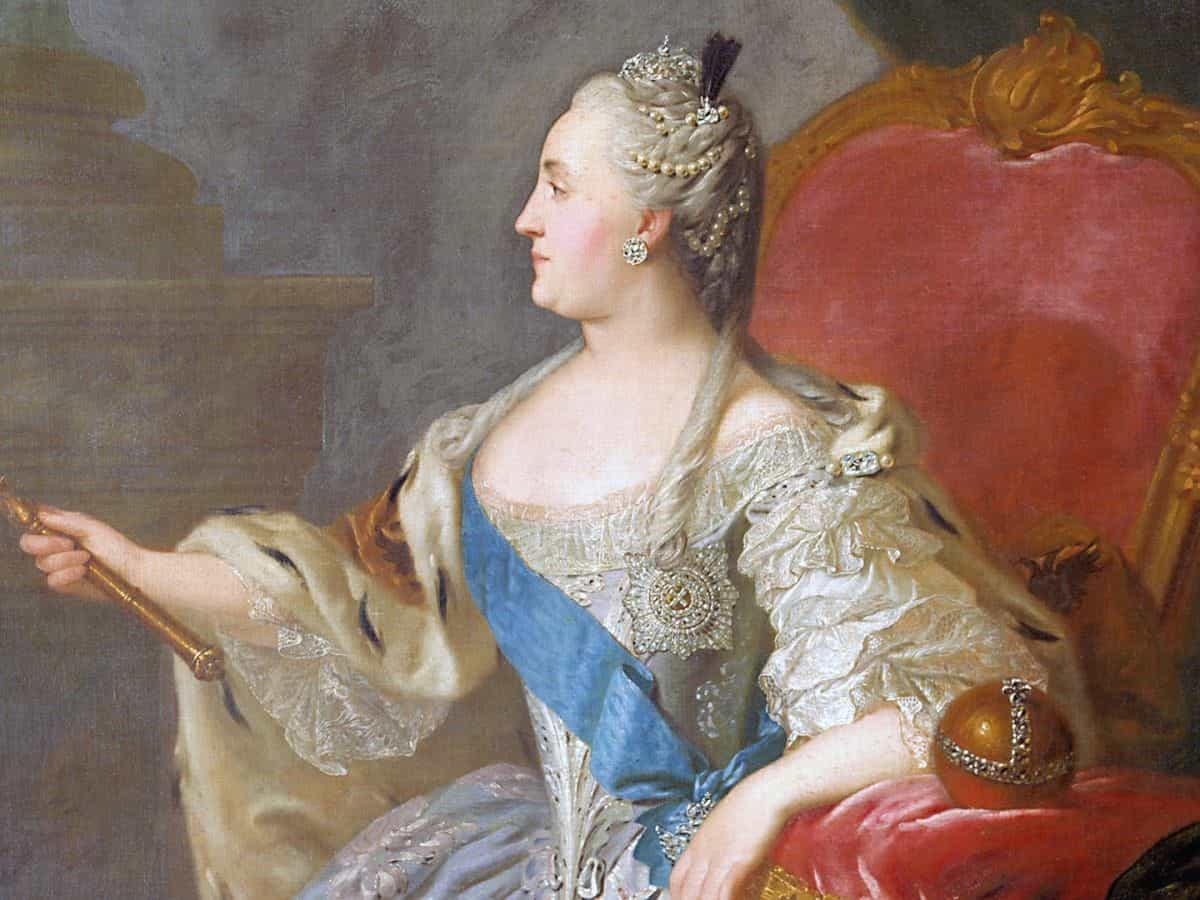
Despite the fact that Catherine the Great is portrayed as eating dirt in The Great (which is not that unusual for pregnant women), in her life she was mostly far away from such “odd” or “weird” conduct. Catherine the Great, the Russian monarch who ruled the country the longest at the time, was born the oldest daughter of a poor Prussian nobleman. After her birth in 1729, Sophie von Anhalt-Zerbst had her pick of eligible suitors thanks to her mother’s illustrious family tree.
Catherine’s run of scandalous relationships is perhaps what brought her the most fame. The empress was said to have had 12 lovers, but contrary to common belief, she was not a sexual pervert. Catherine the Great was portrayed negatively due to the fact that her son, Paul I of Russia, fostered a culture of palace intrigue that included rumors that she enjoyed collecting erotic furnishings and false accusations that she was a nymphomaniac or libertine.
Did Catherine the Great Have Illegitimate Children?
Catherine’s association with Orlov produced a boy named Alexei Grigorievich Bobrinsky and a daughter who perished in infancy. Vasily Shkurin’s family, a former valet for the Empress, fostered the boy. Later, Alexei studied abroad with Vasily’s sons and adopted the surname Bobryk, the name of the property that was given to him. Elizabeth Temkin, who was born in 1775, was yet another supposed Catherine descendant. But considering that Catherine was around 45 years old at the time, and that Temkin’s mother was probably one of Potemkin’s lovers.
Catherine the Great Was One of the Smartest People in Europe
Catherine the Great was undeniably a smart and perceptive person, but intelligence is notoriously hard to measure. She admitted that her mind was not creative in the usual sense, but that it was receptive to and made excellent use of the ideas of others. Her enthusiasm for building “Spanish castles,” as she called them, typified the rationality and idealism of the Enlightenment.