Hanbo at a Glance
What is a Hanbo weapon?
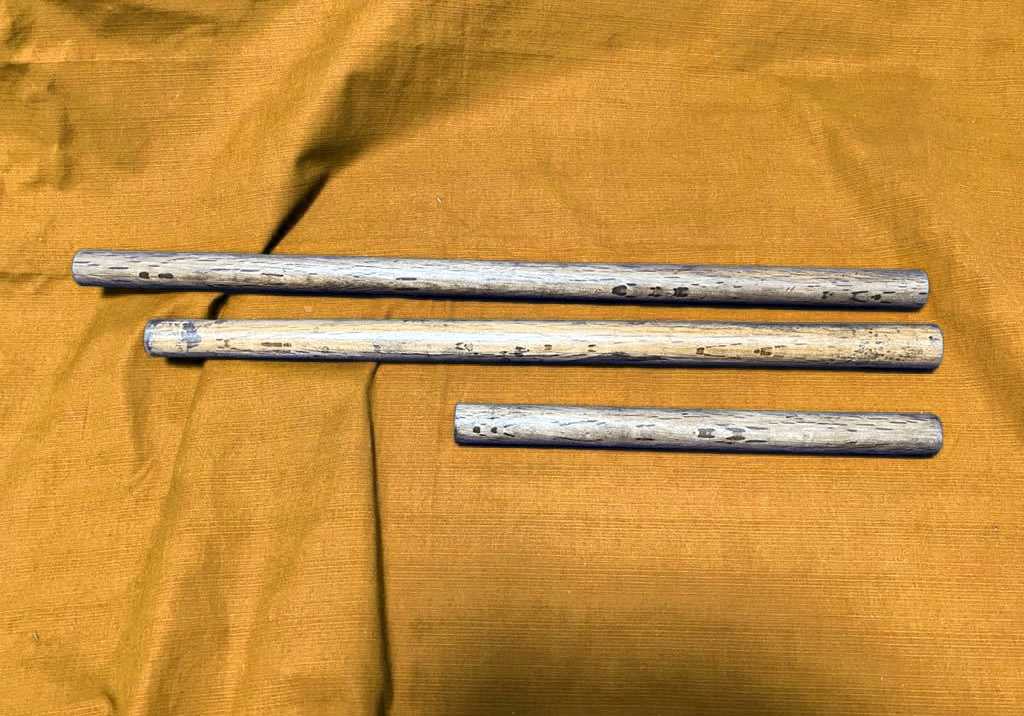
Hanbo is a hardwood staff weapon of Japanese origin, used for striking and thrusting in martial arts. It is half the size of a Bo staff, with a length ranging from 32 to 40 inches (80 to 100 cm), and a thickness of about 0.9 to 1.2 inches (2.3 to 3 cm).
What are the styles and uses of Hanbo?
There are several styles of hanbo, and the weapon is used in Kobudo, Ninjutsu, Jujutsu, Karate, and Aikido. It can be held toward one end and swung like a sword or gripped in the center like a staff for attacking or blocking. The hanbo is mostly used for leverage, including striking, restraining, and tossing an opponent.
Why is Hanbo considered a valuable skill?
Knowledge of hanbo is considered a valuable skill since sticks are constantly available, and it is beneficial in close-combat fighting. It is also recommended for those who want to become a swordsman because hanbo can be wielded and used similarly to a Japanese sword. When used correctly, a katana can be parried with hanbo by hitting the flat sections of the blade to deflect the sword.
What is the history of Hanbo?
Hanbo was utilized as a capturing tool during the Edo era in Japan, and citizens used it for self-defense and combat. It is still taught in traditional Japanese martial arts schools such as Kukishin-ryu (14th century) and Hontai Yoshin-ryu (16th century). The weapon was included in the Kukishin-ryu curriculum after Nagafusa Kuriyama used the remainder of his spear as a hanbo and defeated an opposing swordsman in 1575.
Hanbo (hanbō) is a short hardwood staff weapon used for both striking and thrusting. It is a type of weapon that has a length ranging from 32 to 40 inches (80 to 100 cm) and a thickness of about 0.9 to 1.2 inches (2.3 to 3 cm) depending on hand size. Its name is derived from the fact that it is half the size of a bo, with “han” meaning “half” and “bo” meaning “stick.” The standard length of a hanbo has mostly been three shaku, or around 35 in (90 cm).
History of Hanbo
The Japanese martial art hanbojutsu (“hanbo technique”) is named after the Japanese hanbo staff. Jojutsu and tanjojutsu were common names for techniques developed after the Meiji era (1868–1912).
Hanbo is three shaku in length, but the categorization of bojutsu, jojutsu, chigiriki, hanbojutsu, etc. always differs from school to school. For instance, a stick with four or five shakus in length can still be referred to as a hanbo.
And a rod with a weight chain (kusari-fundo) attached is often referred to as a “chigiriki” but it is also called a “swinging jo staff.” In practice, the distinction is muddied because of the existence of other distinct schools with “hanbo” in their names.
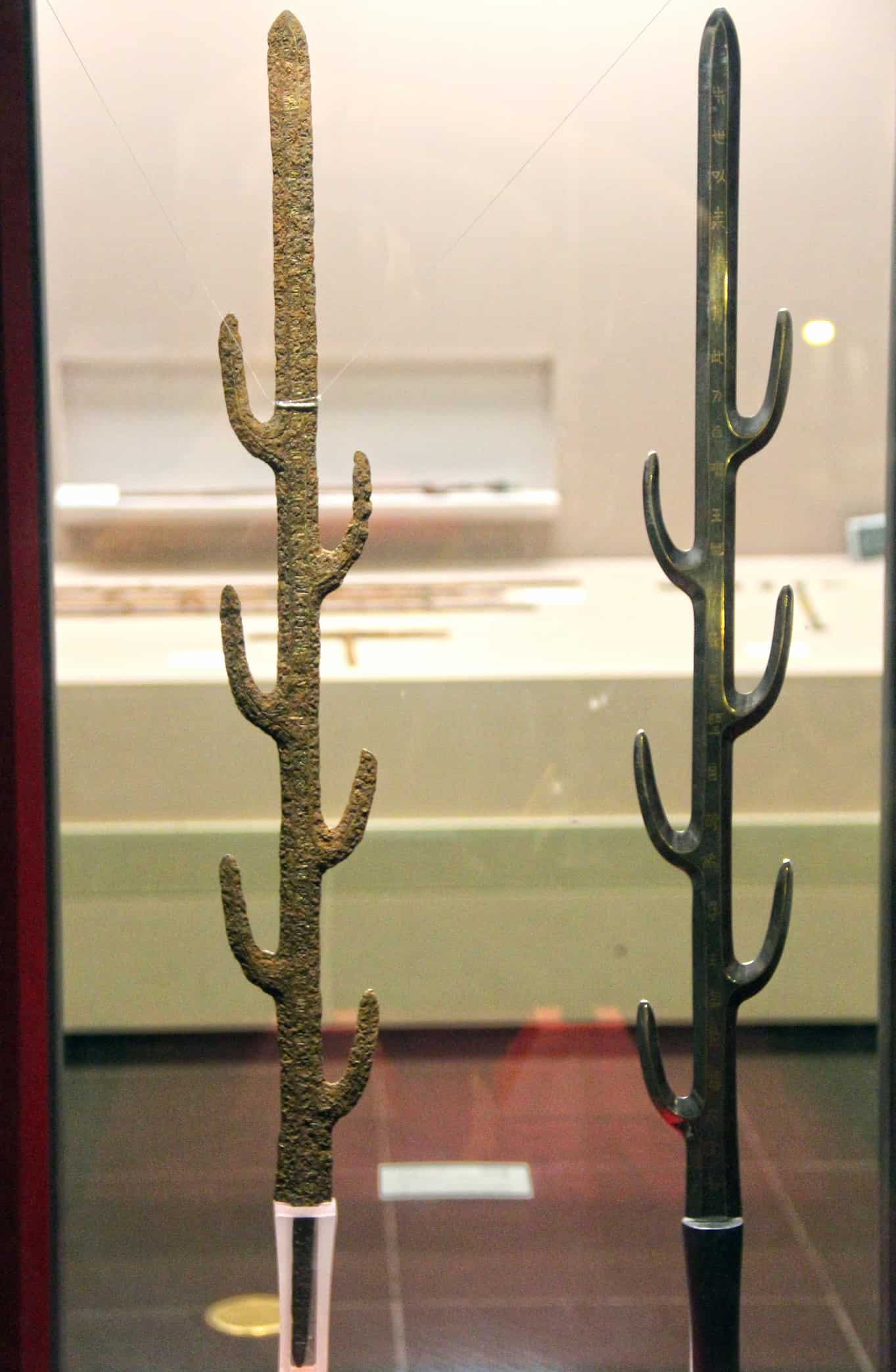
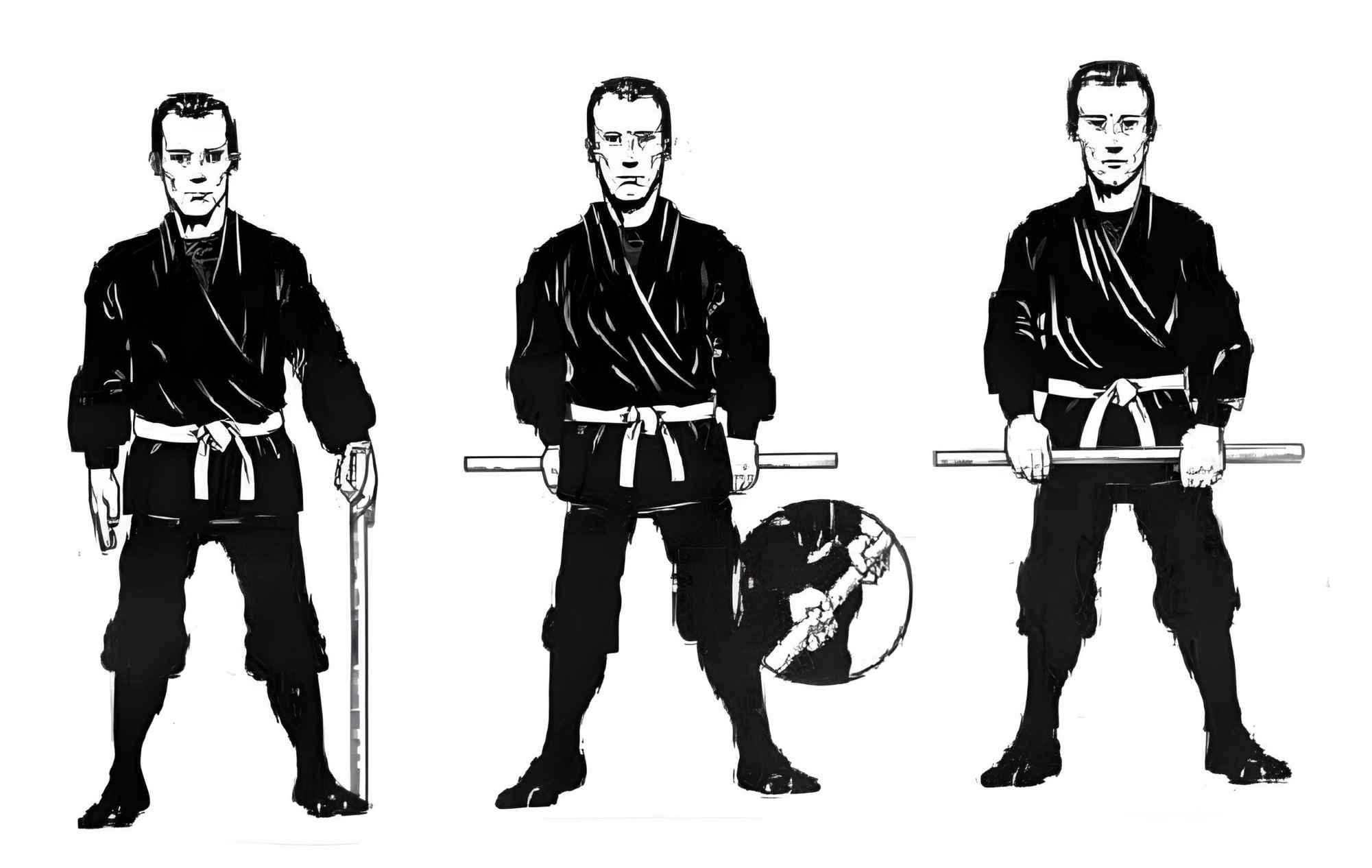
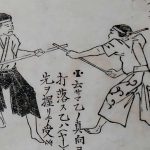
During the Edo era (1603–1868), a hanbo was utilized as a capturing tool (capturing a person without killing) alongside the more common bo staff. Essays written during the Edo era also detail how citizens armed themselves with hanbo staff for protection and combat.
The hanbo is referred to as the koryu (“traditional school”) weapon in Japan. The hanbo is a weapon commonly taught in Kukishin-ryu (14th century) and Hontai Yoshin-ryu (16th century), both of which are traditional Japanese martial arts schools.
Kukishin-ryu is particularly well-known and is still taught today in various Jujutsu schools such as the Bujinkan, Jinenkan, and Genbukan.
The hanbo is a blunt weapon featured in the Dead Island and Dead Island: Riptide video game series.
Hanbo’s Origin
In 1575, when Nagafusa Kuriyama’s yari (spear) was destroyed by the opposing swordsman (he probably wielded a katana) in combat, he continued to fight with the remainder of the staff and still beat him, inspiring him to include the hanbo into the Kukishin-ryu curriculum.
The tanjo, a western-style walking stick that the Budo artist Uchida Ryogoro used to develop self-defense techniques in the early 1900s, is a weapon very similar to the hanbo.
This martial art style is still taught in Shinto Muso-ryu and is named for its creator (Uchida Ryogoro), Uchida-ryu Tanjojutsu. Tanjo can be employed efficiently in combat by spinning the wrist in quick assaults, among other things, and the tanjo is relatively easy to hide because of its tiny size.
Just like hanbo, short staffs or tanjo are those that are less than 40 inches (100 cm) in length and are also known as tanbo.
Styles and Uses of the Hanbo Weapon
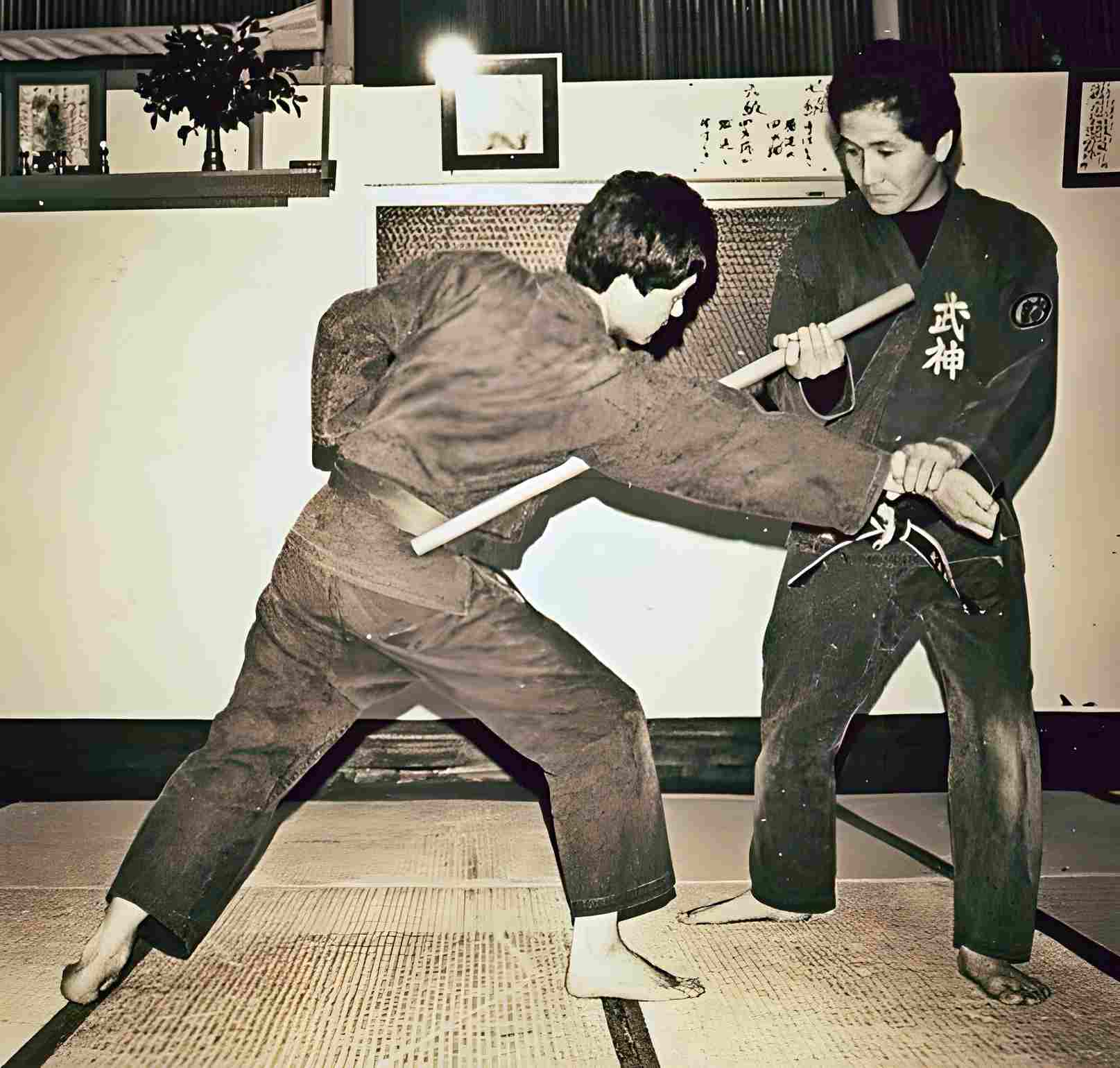
You can hold the hanbo toward one end and swing it like a katana or kendo sword. It can also be gripped in the center like a staff and used to attack or block from either end.
However, jabs and punches account for only about one of every five uses of the hanbo weapon. The hanbo is more often utilized for leverage. The hanbo has several applications, including striking, restraining, and tossing an opponent. Sticks are constantly available, making knowledge of hanbo a valuable skill.
See also: Jo Staff: A Stick Designed to Beat Katana
There are several styles of hanbo. The weapon is used in Kobudo, Ninjutsu, Jujutsu, Karate (different styles) and also in Aikido. In every style, the form (kata) of the hanbo is expanded upon and modified in several ways.
The hanbo has advantages in close-quarters fighting, where you can use punching and thrusting tactics in addition to excellent lever methods. As a result, ranged weapons like the bo staff are often better than the hanbo staff outside of close combat due to their greater range.
If you want to be a swordsman, according to martial artist Masaaki Hatsumi, you need to learn hanbo first. Since it can be wielded and used in the same way as a Japanese sword, albeit without the blade. When handled correctly, a katana can be parried with hanbo by hitting the flat sections of the blade to deflect the sword.
Hanbo Schools
- Professional schools:
- Uchida-ryu Tanjojutsu (developed in the Meiji era as a walking stick method derived from Shinto Muso-ryu jojutsu. Incorporating Shinto Musou-ryu)
- Part of the Bo and Jo schools:
- Attached to the Kukishin-ryu Hanbo Jutsu (Linked to the Kukishin-ryu Bojutsu. Kukishin-ryu Bojutsu and Takagi-ryu Jujutsu are fused in this system.)
- Chikubushima-ryu Bojutsu
- Muhen Yogan-ryu Hanbojutsu (Once passed down through the family of the Morosho-ryu sect, it is now handed down independently.)
- Imaeda Shin-ryu Short Cane (attached to Imaeda Shinryu Walking Stick)
- Part of the Naginata school
- Yangshin-ryu Hanbojutsu
Hanbo Kata
Kata of Hanbojutsu
Kukishin Ryu
These kata involve working with another person:
- Kamae-kata:
- Otonashi
- Shinsen
- Kachimi
- Danpi
- Outai
- Kihon-kata or Furi-kata
- Omotenokata
- Tachiotoshi
- Atekomi
- Koshiore
- Ategaeshi
- Tsukiiri
- Chugokui
- Kirinohitoha
- Otoshimatsuba
- Mizudori
- Gorinkudaki
- Mawaridori
- Gokuino-kata
- Tsurunohitokoe
- Karamedori
- Shin-no-karamedori
- Sensudori
- Tenno-kata
- Chino-kata
- Jinno-kata
Kata in Ryukyu Kobujutsu Hozon Shinko Kai
- Sanjakubo
The other Kobudo styles that trace their roots back to the Japanese martial artist Taira Shinken do not teach this kata, and neither does the Ryukyu Kobujutsu Hozon Shinko Kai.
Kata of Gendai Goshin Kobu Jutsu:
- Renshuho Shodan
- Renshuho Nidan
- Renshuho Sandan
- Renshuho Yondan
- Renshuho Godan
- Renshuho Kaiten
- Fudoshin no Sho
- Fudoshin no Dai
- Hate no Sho
- Hate no Dai
- Tsuken no Sho
- Kanjo
References
- Stick Fighting: Techniques of Self-Defense – Masaaki Hatsumi, Quentan Chambers – Google Books.
- Era drama full of mistakes (Kawade Bunko) – Yumio Nawa (Author) – July 1, 1989.
- FEJ : European Jodo Federation – Archive.org – Archieved.