Since the birth of Jesus has no religious significance in Judaism, Jews do not celebrate Christmas as a religious festival. In countries like Russia, where pine trees are linked with the New Year, Jews may observe non-religious aspects of Christmas celebrations, like having a tree. Some Jews may celebrate Christmas with friends and family, with an emphasis on sharing good times rather than religious adherence.
- The Reasons Why Jews Don’t Celebrate Christmas
- Theological Disagreements
- Traditional Persecution
- Nittel Nacht: Jewish Christmas Eve
- Hanukkah: A Jewish Alternative to Christmas
- Commercialization
- Then Why Did Jews Write Christmas Songs and Movies?
- Why Some Jews Still Celebrate Christmas
- What Do Jews Do on Christmas?
- The Relationship Between Christmas and Judaism
- The Origins of Christmas
Hanukkah (late November–early December), a Jewish festival celebrated for eight days, often coincides with Christmas and shares several of its traditions, such as the exchange of gifts and the display of festive decorations. In the past, when Jews lived in areas where they were persecuted, they established new Christmas customs to help keep them safe. Unlike Christmas, which commemorates the birth of a religious figure, Jews commemorate Hanukkah for the Maccabean revolt and subsequent triumph against the Hellenistic-Syrian empire.
-> See also: Do Jewish People Celebrate Halloween?
The Reasons Why Jews Don’t Celebrate Christmas
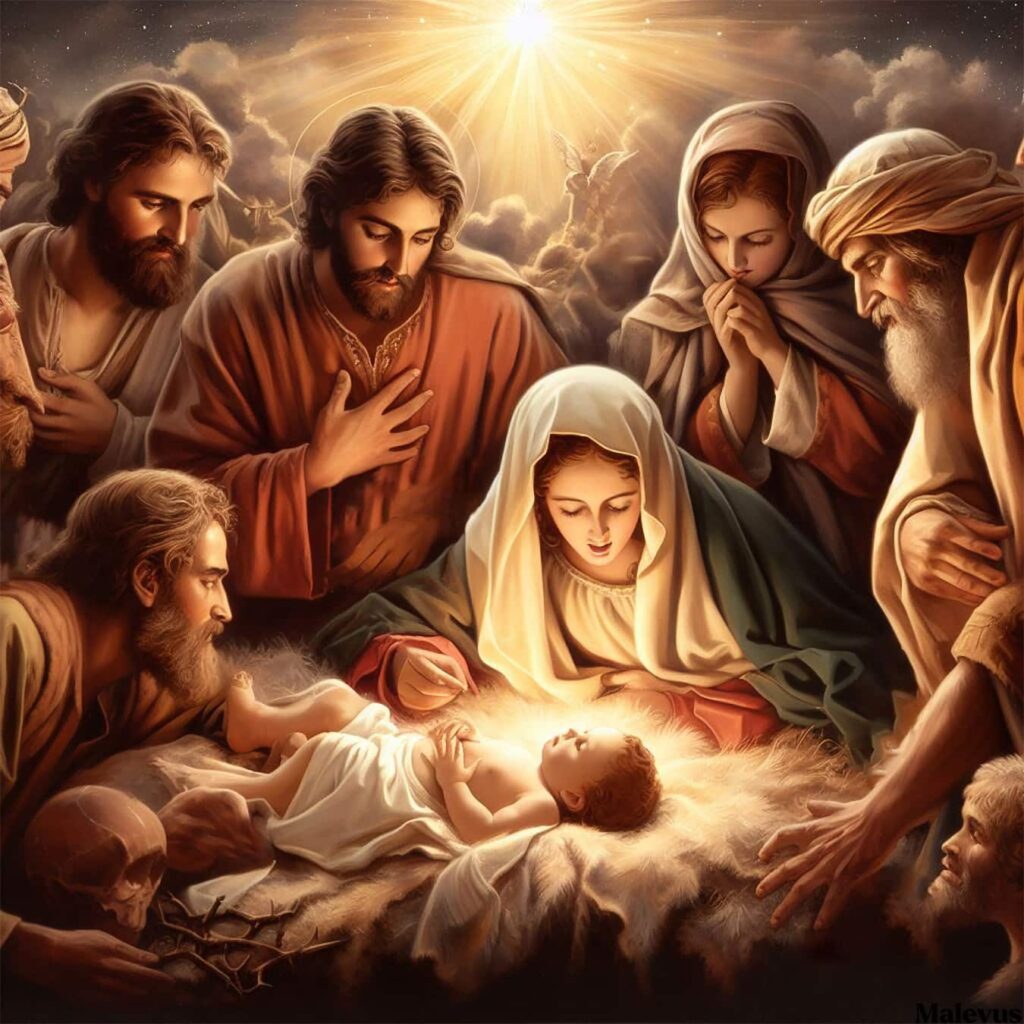
According to Jewish people, no Jewish person or community should ever celebrate Christmas for the following reasons:
Theological Disagreements
Christians believe Jesus to be the promised Messiah, while Jews disagree. Jewish people think he can’t be the one who was prophesied since he hasn’t fulfilled all of the prophecies about him. Christians, but not Jews, expect Jesus’ second coming to bring about the events foretold in his writings. Jews observe the Torah, which Jesus ‘violated’ by not keeping the Sabbath sacred according to Jews. Christianity directly challenges Jewish tenets. When it comes to God, Roman Catholics believe in a Holy Trinity consisting of the Father, Son, and Holy Spirit, whereas Jews hold that there is only one God.
Traditional Persecution
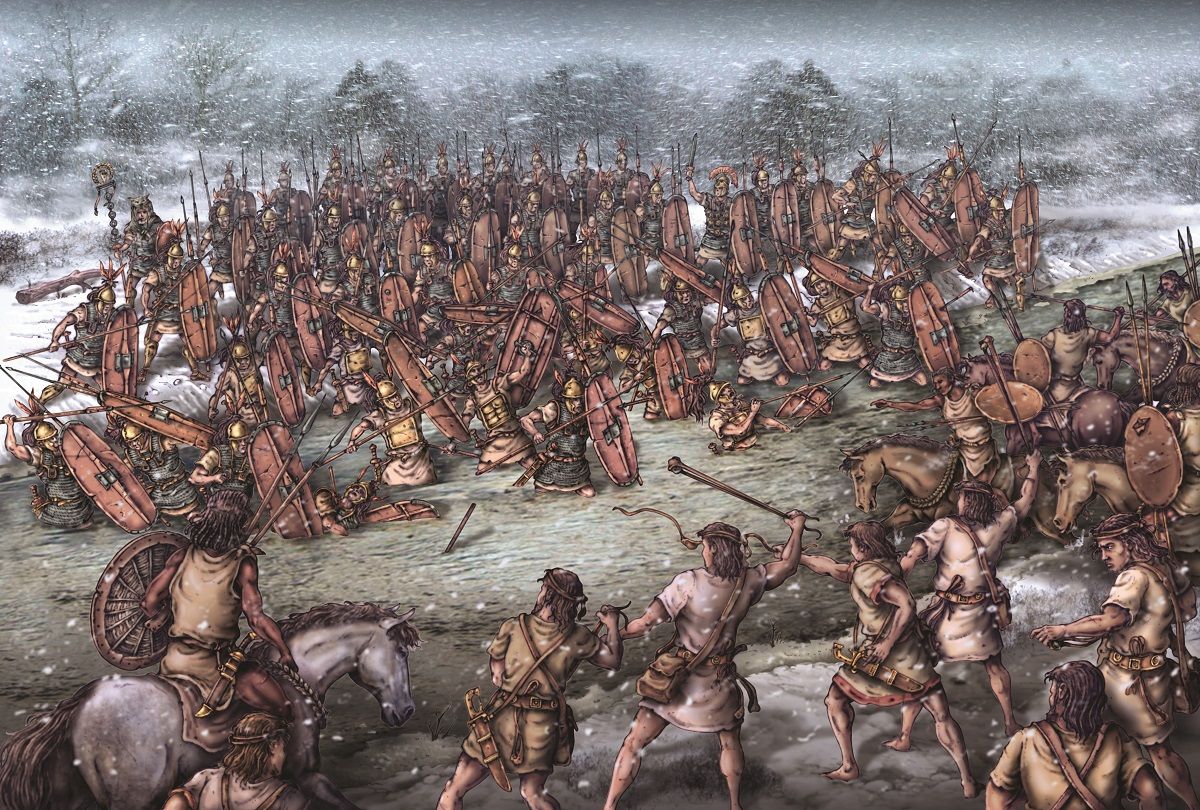
Jews in Eastern and Central Europe have been terrified of Christmas for millennia. To escape danger, they would stay indoors and engage in peaceful family activities. The 25th of December often saw a peak in anti-Jewish violence in history.
Nittel Nacht: Jewish Christmas Eve
During the Middle Ages, Jews were prohibited from public appearances during Christmas, with Christmas Eve often leading to attacks on them. To avoid danger, many Jews observed Nittel Nacht (“Idle Night” or “Blind Night”) by staying home and refraining from any activities that might suggest they were celebrating the Christian holiday. They passed time by playing cards and chess.
Originating in the 16th century, Nittel Nacht, named for Christmas Eve in Yiddish and marked by Jewish scholars, involved abstaining from Torah study and refraining from public appearances due to historical tensions. Some customs included late-night games, while certain Hasidic communities continue to observe them in modern times.
Hanukkah: A Jewish Alternative to Christmas
In the same timeframe as Christians celebrate Christmas, Jews observe Hanukkah. While for some, Hanukkah serves as a Jewish alternative to Christmas, for others, it’s just another opportunity to take part in mainstream society. The Zionist movement embraced Hanukkah because of the holiday’s symbols of Jewish manhood, power, and political triumph. Some Jews combine the two holidays into one they call “Chrismukkah.”
Hanukkah takes place over the course of eight consecutive evenings and days. The date of this festival varies from year to year, although it is often around the latter half of November or the beginning of December. This is the case since Hanukkah is fixed to the 25th day of the Hebrew month of Kislev.
Commercialization
Another factor in Jews’ refusal to observe Christmas is the holiday’s increasing commercialization. The commercialization of the celebration, which emphasizes extensive preparation for Christmas, has muddied the traditionally liturgical separation of Advent and the Christmas season.
Then Why Did Jews Write Christmas Songs and Movies?
Many popular Christmas songs and films have Jewish composers or directors for a few reasons. To make ends meet and feel more included in mainstream society, some Jews continued to create Christmas-themed music and films. This was a way for them to feel involved in the society they were living in.
- Integrating Themselves: It’s possible that Jews’ desire to fit in was a driving force behind the proliferation of Christmas music and films. Jewish artists and musicians participated in the celebration of Christmas through their works. It allowed them to blend in with society without losing their religious identity.
- Opportunity: Jews in the early 20th century had limited employment options, but those working in the entertainment sector were mostly unaffected by the pervasive anti-Semitism of the time. The hope of making it big in the music or film industry meant the possibility of escaping the plight of immigrant poverty.
- Appreciation for the United States of America: Throughout their Christmas and other songs from the mid-20th century, Jewish artists express their own successful assimilation and appreciation for America. Their art appealed to a nation that wanted to feel courageous and unified as it fought World War II.
- Secular Lyrics and Films: Jewish singers and filmmakers have often crafted secular takes on the Christmas genre. Both the joy of the holiday season and its status as a uniquely American celebration are captured in those works.
Why Some Jews Still Celebrate Christmas
While Jews do not celebrate Christmas, some of them nevertheless do, particularly mixed households:
- Interfaith: One or both members of an interfaith couple usually opt to observe both the Jewish holiday of Hanukkah and the Christian holiday of Christmas.
- Open Mindness: Rather than seeing it as a religious holiday, some Jews celebrate it as a cultural holiday. The party’s décor, music, and vibe can strike a chord with anyone. The secular customs of exchanging presents and decorating a tree may be observed.
- Feeling a Part of It: Feeling part of society is a driving motivation for those Jews. To avoid feeling out of place throughout the holiday, some Jews prefer to celebrate it even if it isn’t their favorite holiday.
- Blending In: For the sake of blending in, some Jewish people celebrate Christmas. They feel pressured to fit in with the majority, and adopting a Christmas celebration is one way to do so.
What Do Jews Do on Christmas?
They take this holiday season as an excuse to delve into their own distinct activities:
- Movies and Chinese Food: Due to the fact that many businesses shut on Christmas Day, many people go to the relatively few venues that are open, such as movie theaters and Chinese restaurants.
- Family Visiting: Some Jews utilize this day to get together with relatives or catch up on work.
- Hanukkah: It is possible for the Jewish festival of Hanukkah to coincide with Christmas in certain years. Many Jewish households observe this holiday by lighting the hanukkiah, engaging in games of dreidel, and feasting on traditional dishes such as latkes and sufganiyot (jelly doughnuts).
- Synagogue: If Christmas comes on a Saturday, the Jewish Sabbath, some Jews may observe the holiday by attending synagogue.
The Relationship Between Christmas and Judaism
Christ’s birth is commemorated as the reason for Christmas, a Christian celebration. It is not a Jewish festival, and Jews do not observe it religiously. Yet, Christmas and Judaism have shared roots throughout history.
There is a correlation between the persecution of Jews and the holiday season since so many well-known Christmas songs and films have Jewish composers or authors. Many Jews feel uneasy about Christmas Eve, which is known as Nittel Nacht in Jewish tradition.
Persecution: For decades, Central and Eastern European Jews lived in terror of Christmas because of persecution. Normally, devout Jews wouldn’t be seen at the synagogue on Christmas Day, studying the Torah. Wary of being assaulted in the street, they sought sanctuary in their houses, playing cards and board games with their families. As a result of being the religious minority in nations where Christians make up the majority, many Jews have traditionally been subjected to antisemitism.
Jewish Ties: There are Jewish ties to Christmas music since several well-known carols were penned by Jews. Jewish authors have produced some of the most beloved Christmas films and TV specials. However, a recent approach for Jews to react to the Christmas mindset has been loudly reiterating their ethnicity in defiance of the holiday.
Christmas and Hanukkah: Over time, a connection emerged between the Jews and the great Christian festival of Christmas, including the establishment of independent customs and the confluence of Hanukkah and Christmas. While some traditions endure due to a fear of change, others thrive because they are fun and easy to access when stores are closed over the Christmas season.
Nittel Nacht: In Jewish practice, Christmas Eve is referred to as Nittel Nacht. On Nittel Nacht, people consume large quantities of garlic to fight off the werewolves and vampires that are claimed to prowl the streets. The day of Nittel Nacht is also taboo for sexual activity since it is believed that a child conceived on that day would be born with wicked intentions.
December Dilemma: Many Jews feel uneasy about Christmas, creating a dilemma for everyone throughout December. They are OK with those around them enjoying Christmas, but they themselves feel uneasy about all the holiday glitz and glitter. Jewish parents suffer the “December Dilemma” when their children express envy for the gifts and celebrations associated with the Christmas holiday, and interfaith couples face the same dilemma while trying to determine how to celebrate the December holidays.
The Origins of Christmas
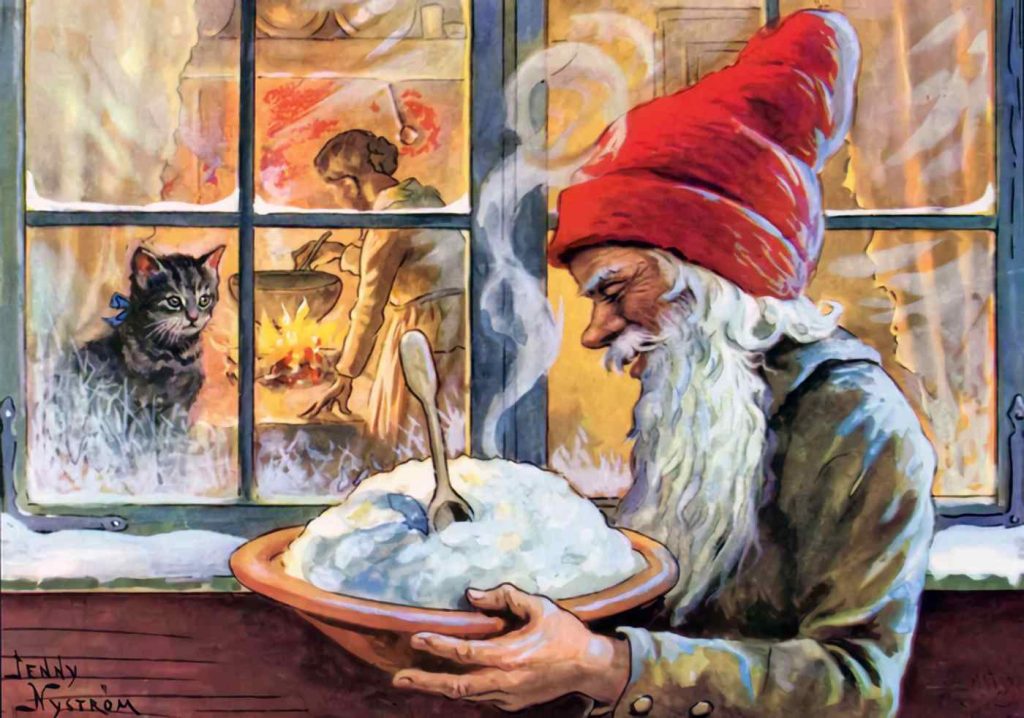
The roots of Christmas trace back thousands of years to primitive rituals around the midwinter solstice. In time, the celebration has adapted to include elements from many different cultures.
Beginnings in Paganism
Many of the customs linked to Christmas have pagan roots. During the winter solstice, the Germanic peoples had a feast known as Yule. The festivities included cooking over open flames, exchanging gifts, and lighting candles. The arrival of longer days and more sunshine during the winter solstice was a cause for celebration in many civilizations.
The Norse celebrated Yule from the winter solstice on December 21 to January. During the midwinter festival, the pagan deity Oden was celebrated throughout Germany. Both Saturnalia, a two-week celebration commemorating Saturn, the Roman god of agriculture, and Mithra’s birthday, the Roman deity of the sun, were celebrated by the ancient Romans in December.
The Christian Origin
In 325 AD, on December 25th, the first Christian Roman emperor, Constantine the Great, established Christmas as a fixed feast. The 25th of December has been celebrated as a holiday since at least 273 AD. However, history tells us that the first confirmed Christmas was celebrated on December 25, 336 AD, marking the beginning of the Christian era.
The date was selected because it marks nine months after March 25, the day traditionally observed as the anniversary of the Annunciation and the beginning of the Christian calendar. In the eyes of Christians, Jesus Christ is both God’s son and humanity’s savior, and his birth is celebrated as a holy day. Christians take stock of their faith and their lives during this holiday season dedicated to commemorating the birth of Jesus Christ and honoring his life and teachings.
The First Christmas Trees
Decorating Christmas trees is a German custom that dates back to the Middle Ages. The tradition of decorating a tree with Christmas ornaments dates back to at least the 16th century and gained widespread acceptance in the 19th. Decorating evergreen trees with lights and decorations is a common method to mark the winter holiday season and the renewal represented by the season. Since 1870, the federal government has officially recognized December 25 as a holiday.
Why Gift-Giving?
The tale of the Three Wise Men visiting the infant Jesus and presenting him with gifts is the basis for the custom of exchanging presents at Christmastime. In the 18th century, gift-giving among families was already a common practice.
Commercialization
The commercialization of Christmas originated in the 19th century, when greeting cards and commercialized gift-giving became commonplace. This commercialization, with its focus on elaborate Christmas preparations, has blurred the traditional religious distinction between Advent and the Christmas period.