Although steam power was not used until the 17th century, scientists had understood its potential for hundreds of years. The Greek scientist Hero of Alexandria invented the first steam device called an aeolipile that showed the possibilities of water vapor as early as the 1st century AD.
- The first steam-powered devices
- Hero’s steam engine, 1st century
- The first steam boiler, 1679
- High-pressure steam engine, 1698
- Newcomen steam engine, 1712
- James Watt’s steam engine, 1765
- The first steam car, 1769–1770
- Trevithick’s steam engine, 1801–1804
- The first steamship, 1802–1807
- The first ship to cross the Atlantic, 1819
- Stephenson’s Rocket, 1829
- Water tube steam boiler, 1867
- The first steam turbine, 1884–97
- Geothermal power, early 20th century
- Steam turbines and nuclear energy, 20th century
The first steam-powered devices
Aeolipile worked by heating the water in a sphere with two inclined nozzles. When the steam was released from the nozzles, the sphere rotated. Although there was no practical benefit to the device, it was the first example of an experiment with steam power. Greater developments took place with the invention of the first steam boiler in the 17th century. Despite the fact that it was nothing more than a pressure cooker at the time, it sparked a chain reaction of inventions.
At the beginning of the 18th century, engineers understood how steam-powered devices could be used to extract water from mines. This had become an important issue in the face of the increasing demand for coal in Europe during the Industrial Revolution. Scientists soon realized that steam could be used to power engines. Although Thomas Newcomen first discovered the steam engine in 1712, the actual improvements made by James Watt made the device more effective. Watt’s key change was to condense the steam and make it more effective, eliminating the need for the engine to heat and cool the cylinder. In a short time, steam power was used as fuel in ships and locomotives, which allowed the vehicles to go farther and faster. In the 19th century, steam power was first used to make electricity. It is still used today, with most of the technology coming from the past few centuries.
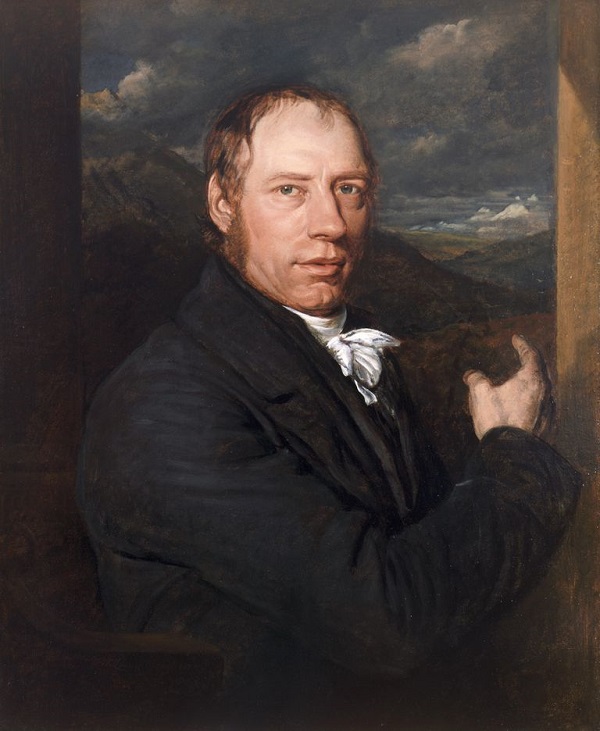
In the whole history of technology, it would be difficult to find a single greater advance than this [engine] …
L.T.C. Rolt, English writer and engineer, Thomas Newcomen: The Prehistory of the Steam Engine, 1963
Hero’s steam engine, 1st century
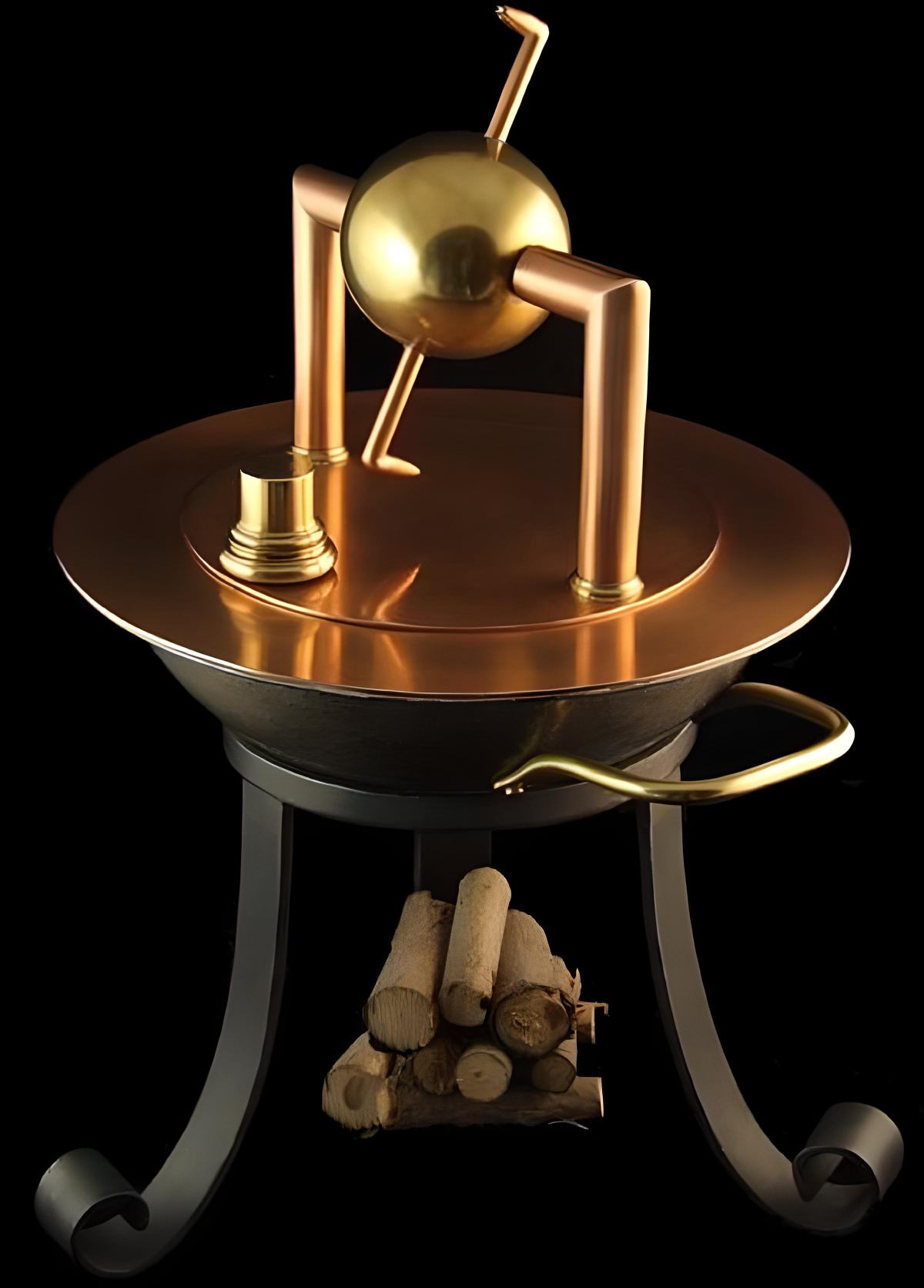
The Greek scientist Heron identified a device called an “aeolipile” with a gushing stream of steam rotating a sphere.
The first steam boiler, 1679
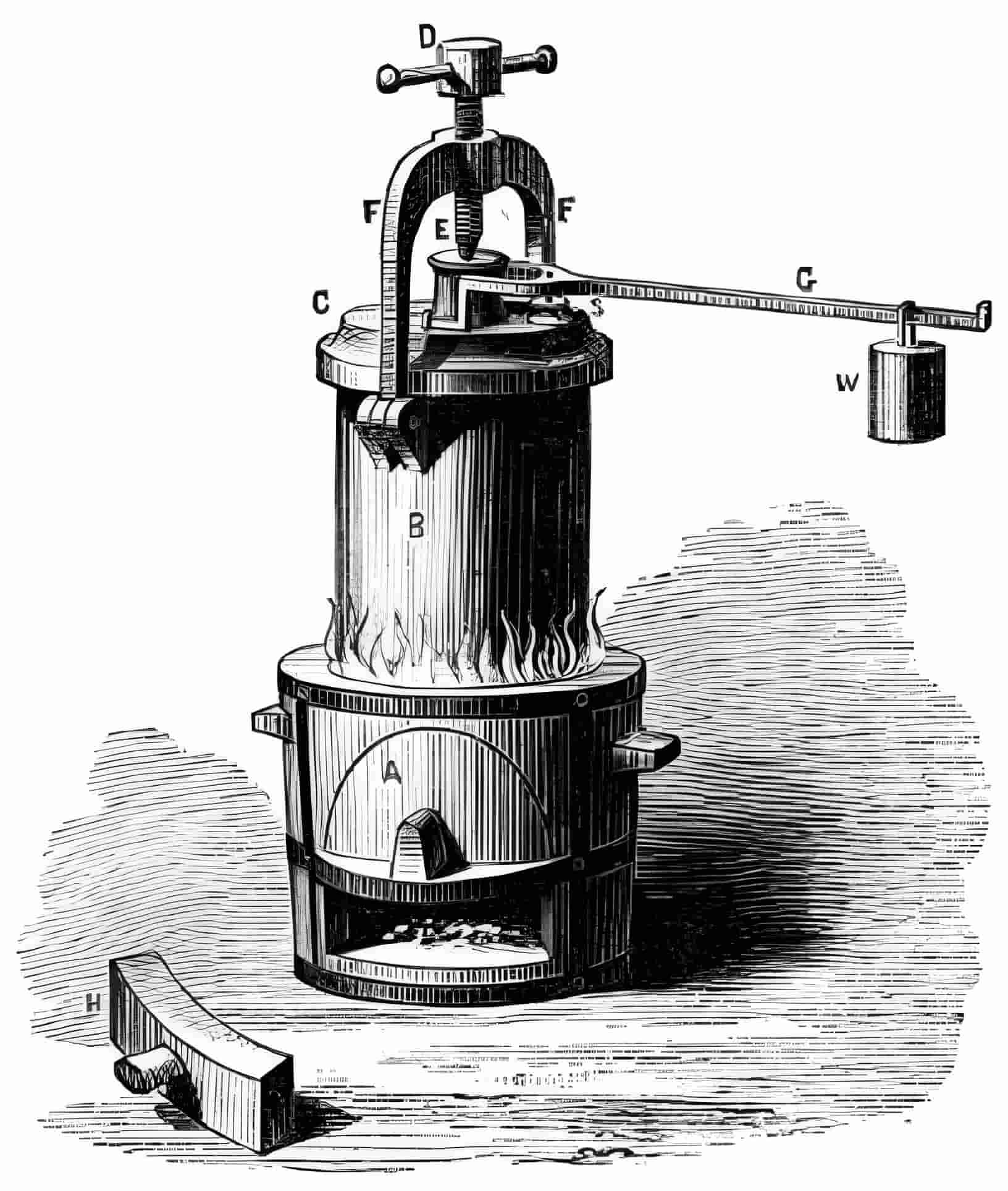
French inventor Denis Papin turned the liquid into steam and designed the first pressure cooker-like device.
High-pressure steam engine, 1698
In the UK, Thomas Savery used his experience with the steam engine to create a machine called “The Miner’s Friend” that extracted water from coal mines, although it was not that successful.
Newcomen steam engine, 1712
Thomas Savery joined forces with Thomas Newcomen and created an engine that pumped atmospheric steam.
James Watt’s steam engine, 1765
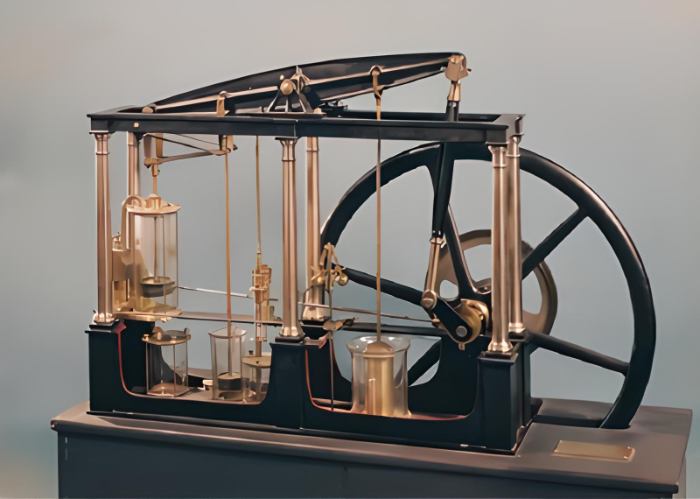
Scottish inventor James Watt further improved the Newcomen engine by adding a condenser and developing a motor that turns an axle, which replaced the pumping motor.
The first steam car, 1769–1770
Nicholas Cugnot invented a steam-powered road vehicle in France in the 18th century. He did this by turning steam energy into piston movement and spinning motion.
Trevithick’s steam engine, 1801–1804
Englishman Richard Trevithick developed a smaller, lighter steam engine and placed this device on wheels, creating a “road locomotive.” It was the world’s first locomotive.
The first steamship, 1802–1807
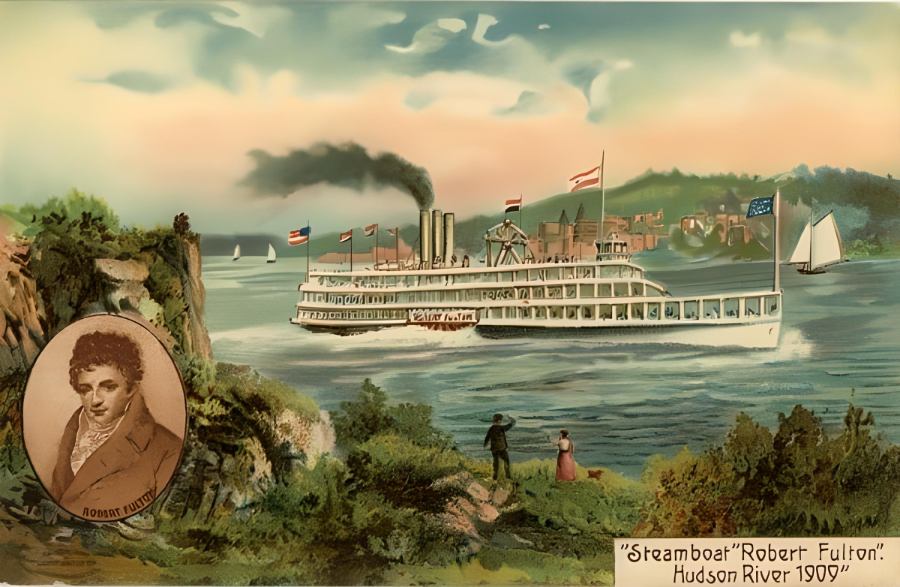
In the US, Robert Fulton managed to apply steam power technology to a cruise ship (the first steam-powered vessel), and this first steamship, called “steamboat”, succeeded in fighting against the currents.
The first ship to cross the Atlantic, 1819
The US ship Savannah is the first steamship to cross the Atlantic Ocean using steam power as well as sails. The Age of Sail would soon be over.
Stephenson’s Rocket, 1829
English engineer Robert Stephenson applied steam power to locomotives, and his “Rocket” became a commercial success.
Water tube steam boiler, 1867
George Babcock and Stephen Wilcox invented the water tube steam boiler in the US, where water flowed through the pipes. The water tube steam boiler was later used in 1882 to generate electricity.
The first steam turbine, 1884–97
Sir Charles Algernon Parsons developed a steam turbine generator that produced a huge amount of electricity. The generator was used to power large ships such as the Titanic.
Geothermal power, early 20th century
In Lardarello, Italy, scientists discovered “geothermal” or “dry steam” energy and built the first such energy station in 1911.
Steam turbines and nuclear energy, 20th century
The controlled nuclear chain reactions in the reactors boil the water, which creates steam. The steam is then used to turn on the steam turbines, which produce electricity.
The history of steam energy was built on these inventions and designs. The development of steam power has generally started in UK countries.