By using this site, you agree to the Privacy Policy.
Accept
MalevuzMalevuz
  • HISTORY
  • SCIENCE
  • BIOGRAPHY
MalevuzMalevuz
Search
  • HISTORY
  • SCIENCE
  • BIOGRAPHY
Follow US
Malevuz > Cosmos > What is time? And how can it be best defined?
Cosmos

What is time? And how can it be best defined?

Hrothsige Frithowulf
ByHrothsige Frithowulf
History Editor
Hrothsige is a history writer at Malevus. He has a bachelor's in history from the University of Exeter. Hrothsige's areas of historical interest encompass the ancient...
- History Editor
11 December 2025
Share
4 Min Read
SHARE

What exactly is time? Anyone might claim that time is “what the clock measures,” but this is not always the case. We believe that clocks are exclusively found in humans. Regardless of that it only works as day and night, animals have a time notion too. If time is not unique to humans, then it must exist outside of clocks.

Contents
  • Is time absolute, or does it exist at all?
  • Is time an entity?
  • What is now?
  • Then, what is the present time?

Is time absolute, or does it exist at all?

Time is tied to the situation we are in, as are the seconds that pass. Many intellectuals and scientists have claimed that there is no such thing as time. Is time unchangeable? Perhaps this is the most profound question regarding time. Is time independent of the universe and everything else, or is it just a term for the order of events?

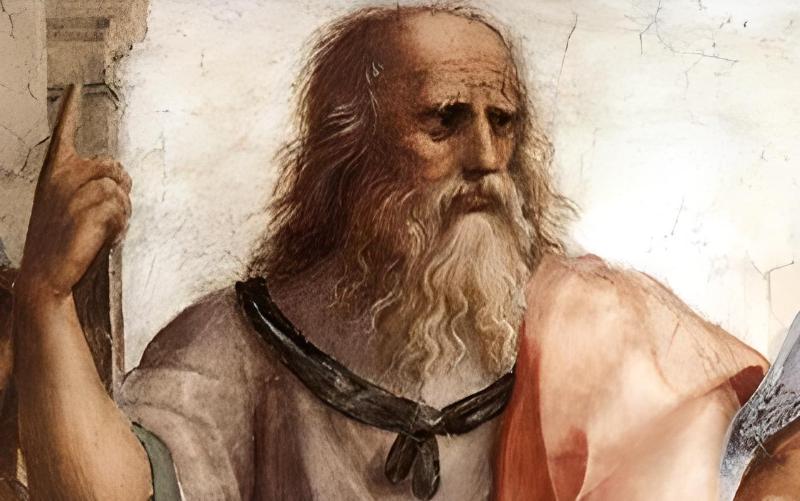
“On those who enter the same rivers, ever different waters flow.”

Plato
Plato
Plato

Is time an entity?

Using a similar approach to mathematics, one may ask, “Is mathematics an absolute object at the center of the cosmos waiting to be explored?” Or are such notions only human inventions? One thing is certain: whether we can perceive it or not, time is an “entity” that we pass through.

What is now?

Time has three components: Now, Past, and Future. The past is gone, the now is here, and the future has yet to come. For the “present time” we say “is progressing,” it links the past and the future by moving nonstop across the cosmos and our existence.
More Read

apollo 17 the last moon shot
Astronaut, Spationaut, Cosmonaut: What’s the Difference and Why?
Earth Without A Moon: What If Earth’s Satellite Didn’t Exist?
How quasars produce the brightest light in the universe
Geminids: The best meteor shower of every year

Then, what is it now? Is it an eternally tiny slice of time or the smallest possible piece of it? Could time be made up of an unlimited number of nows that follow each other?
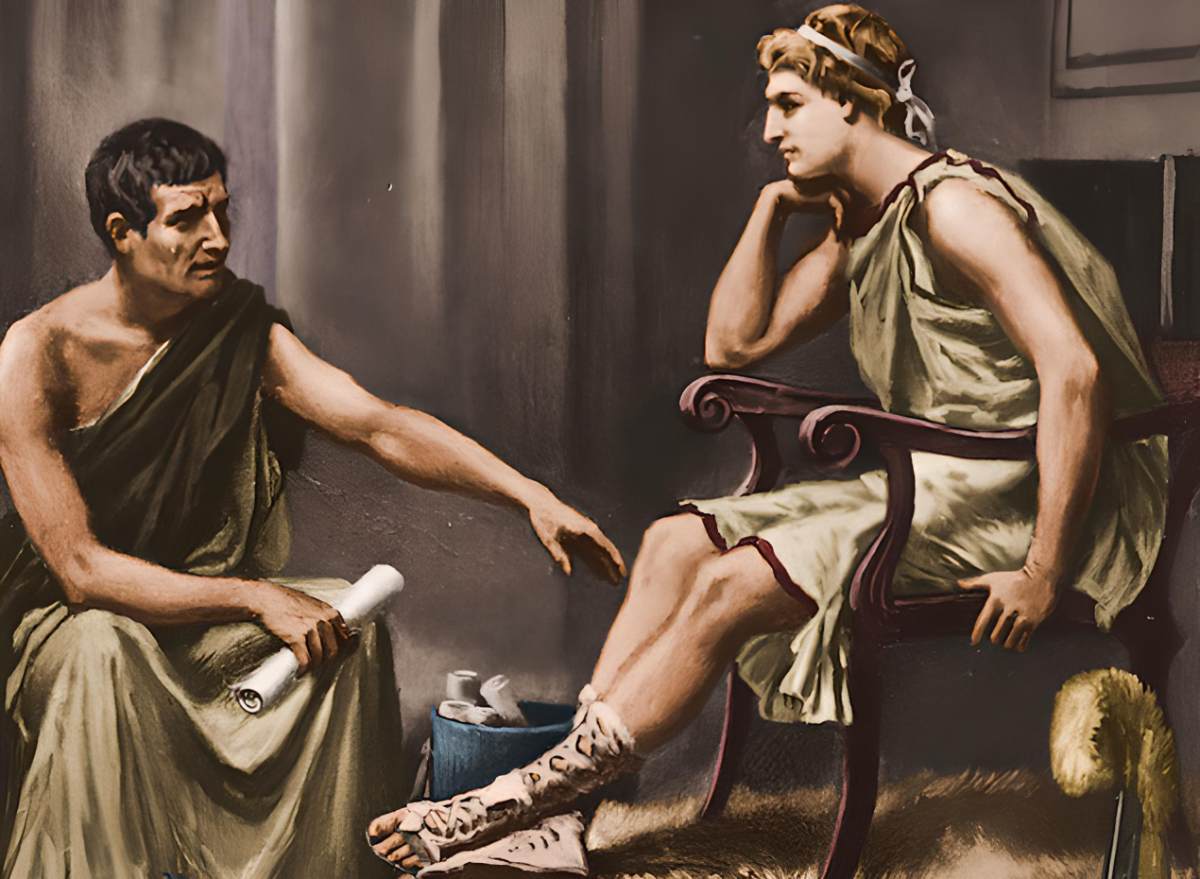
Aristotle
Aristotle

Aristotle had a different idea. The preceding now must have disappeared while the current now is taking place. Now cannot vanish as it occurs since each now is finite; nevertheless, the now that follows it cannot disappear either. Because nows follow each other and cannot coexist.

“Time is the measurable unit of movement concerning a before and an after.”

Aristotle

Each part of the time is a thing of the past, while the next part will arrive in the future. However, none of the parts can be Now. Because Now cannot stand alone as a component. It just divides the past from the future. Others argue that time does not exist at all. Because, the past is now gone, the future has yet to come, and time is only a distinction.

Then, what is the present time?

Some argue that Augustine of Hippo provided the finest solution to the issue of what is time. He defined time in the definitive lines of Now; If segments of time that can no longer be divided into smaller moments are envisioned, this is what we mean Now; nonetheless, this entity flies so quickly from past to future that it cannot be expanded by any delay. Because it may be separated into past and future if expanded, yet the present time takes up no space.
More Read

Ophiuchusurania-Ophiuchus as depicted in Urania’s Mirror, a constellation card published in London c. 1825. A
Constellations: Universal time and direction indicators
What Happens if You Fall into a Black Hole?
James Webb Space Telescope: Everything You Need to Know
Jupiter is closer and brighter since 1963
Share This Article
Email Copy Link Print
ByHrothsige Frithowulf
History Editor
Hrothsige is a history writer at Malevus. He has a bachelor's in history from the University of Exeter. Hrothsige's areas of historical interest encompass the ancient world and early Europe, along with the history of modern culture.
Previous Article Albert Einstein: His Early Life, Discoveries, and Theories
Next Article Joseph-Cugnots-fardier-a-vapeur-was-the-first-car-in-history History of Steam Engines and Steam Power

Latest News

985px Landing of Lieutenant James Cook at Botany Bay 29 April 1770 painting by E Phillips Fox

Top 10: The Greatest Knights in History

Knights were the medieval equivalent of elite soldiers, and many…

List
3 November 2026
Charles Rolls driving a Peugeot 1896
List

10 of the Craziest Laws in History

For more than 4,000 years, humans have devised new laws…

18 October 2026
Ikinci Meksika Imparatorlugu
History

Why Did the Second Mexican Empire Collapse?

The Second Mexican Empire did not collapse because of a…

14 April 2026
A painting depicting Aboriginal Tasmanians attacking John Allen’s Milton Farm near Great Swanport in 1833.
History

Colonialism in Tasmania

The colonization of Tasmania was not a simple story of…

14 April 2026

You Might Also Like

How is China becoming the new superpower in space?

11 December 2025
The Moon Fall Into The Earth
Cosmos

Why Doesn’t The Moon Fall Into The Earth?

2 November 2026
Image of the supermassive black hole at the core of the galaxy Messier 87 / ESO
Cosmos

What if the Sun Became a Black Hole?

6 June 2025
Facts About Gravity
Cosmos

5 Facts About Gravity

7 June 2025
  • Privacy Policy
  • About us
  • Editorial Standards

© Malevuz. All Rights Reserved.

Welcome Back!

Sign in to your account

Username or Email Address
Password

Lost your password?