Sunlight is essential for photosynthesis, the process by which plants convert light into chemical energy. However, just as with humans, giving them an excessive amount of it could prove fatal. On the other hand, when it’s hot the plants can’t easily hide from the sun or put on sunscreen in contrast to us. What happens to plants when they are subjected to an abnormally high level of sunlight?
During the course of the day, plants carry out the chemical process of photosynthesis by utilizing the chlorophyll that is found in their leaves. They begin by converting carbon dioxide and water into glucose by utilizing the energy that is provided by the sun.
The next step in the process involves the production of additional carbohydrates, such as cellulose and starch. Besides that, they almost unintentionally produce oxygen that is required for the survival of other living things; as a result, entire ecosystems are dependent on this metabolic interaction.
The Energy Contained in Sunlight Is 1,000 Times More Than Needed
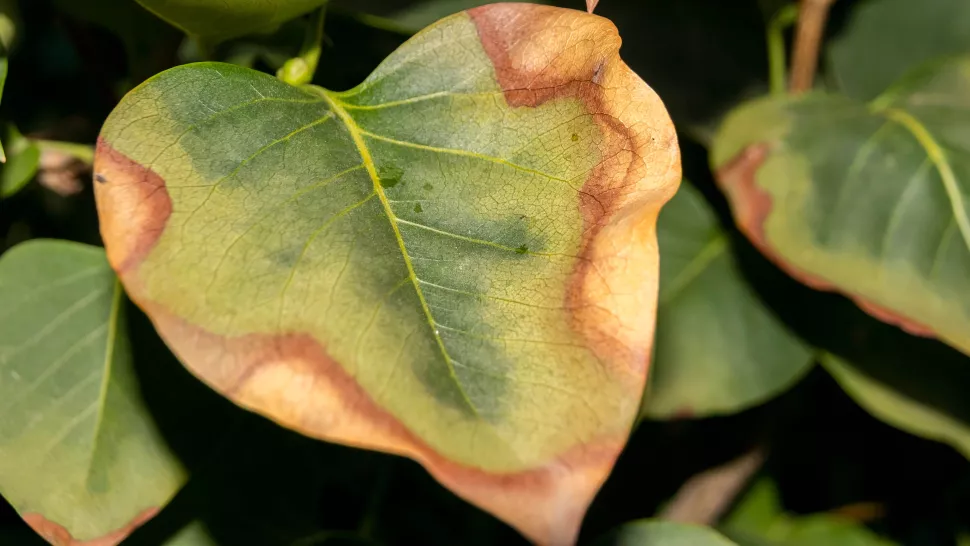
Even an overcast sky is sufficient for this foundation of life to continue to operate at close to a 100 percent effectiveness level. So, in reality, not that much sunlight is actually necessary. There are a great number of plants able to survive and even thrive in low-light environments, such as growing in the shade cast by other plants or near polar circles.
On the other hand, when there is no cloud cover and the scorching summer sun is shining down from a clear sky, the plant receives one thousand times more energy than usual. If chlorophyll takes in more energy than the system is able to process, then potentially large amounts of aggressive oxygen radicals will be produced.
These could cause the plant to be completely destroyed or suffer significant damage. So, the plant needs to find a way to get rid of this extra energy without hurting itself or the environment around it. Protecting plants from the sun’s harmful rays is essential to their ability to thrive in its presence.
Special Molecules to Prevent Sunburn
There is an orange molecule in plants for sunburn protection. These special carotenoids combine with green chlorophyll to form a complex. This would not be possible if only green chlorophyll were present. In this combination, the carotenoid molecule is the one that ends up receiving the sun’s excess energy that the chlorophyll molecule has taken in.
After that, the energy is converted into harmless heat, which acts as a sort of lightning conductor. Because of quantum mechanical processes, the two molecules act as if they were one, and they give back the extra light they have taken in as heat to their surroundings.
These two molecules will not combine into a single molecule until there is excess sunlight. Even when a cloud passes in front of the sun, the two molecules separate and become two separate molecules again.
The process of photosynthesis is always able to operate at the greatest degree of efficiency without going out of control and resulting in the plant becoming sunburned because of how rapidly molecules combine and separate again.