The words “poisonous” and “venomous” tend to cast a negative light on whatever is being described. But whether applied to animals or plants, it always means toxic life forms; toxin-producing microorganisms that can cause harm to humans. Then what is the difference between poisonous and venomous?
It might not be easy to get the impression from common usage that animals are venomous and plants and fungi are poisonous. Because the two terms used to be equivalent with one another in the past. The terms “venomous” and “poisonous” have been used differently in reference to animals and plants, especially since the seventeenth century. However, there are a few notable outliers.
It is the main difference. Poisonous plants and animals both exist, although only animals are considered venomous.
How does venom work?
The term “venomous,” first used in the 12th century, comes from the same French root “venim.” Venomous organisms inject their venom via digestive system glands. This venom is used as a defensive strategy by biting or stinging prey or other predators. But how do you know which animals are venomous? Some snakes or spiders, fish, bees, stingrays, jellyfish, and a few other creatures are known to be venomous.
Bites and stings are viable delivery mechanisms for this potentially lethal or at least annoying fluid. A scorpion injects its poison, while a dangerous snake bites its prey. Venomous animals are those that produce the poisonous substance known as venom.
However, there are many tools and protection mechanisms available in the animal kingdom. It follows that there are venomous creatures that are harmful even when they are not actively attacking something. Toxic substances secreted by animals like toads and octopuses can be delivered through the pores of the skin. In other words, it is sufficient to only contact them in order to get infected.
In light of this, here’s some guidance: examine the plant and animal kingdom visually and avoid direct contact with both.
How does poison work?
The term “poisonous,” which has been in use since the 15th century, is derived from the Latin word potio which means “drink.” There are two possible scenarios for a poisonous creature. Either it poisons itself via the production of toxins, or it ingests creatures that release toxins as part of their food.
Whether the victim comes into contact with the poison by touch or consumption, they will be poisoned. It is, of course, possible to become poisoned just by eating some types of mushrooms or plants. The popular red and white fly agaric mushroom, for instance, should not be even handled. Such as the toxic belladonna plant.

Poisonous organisms have the quality of having toxins inside their cells. Contact with the plant may be harmful or unpleasant, or poisoning can occur if we swallow the plant or fungus and the poison blooms in our bodies. Ancient criminals and suicides alike turned to hemlock, one of the most well-known deadly plant poisons.
Many mushrooms are dangerous, therefore it’s important to learn to identify them or get them examined by a qualified pharmacist before you eat them. The beautiful fly agaric, known for its distinctive red cap and white dots, is really a very toxic poisonous fungus.
Not just plants
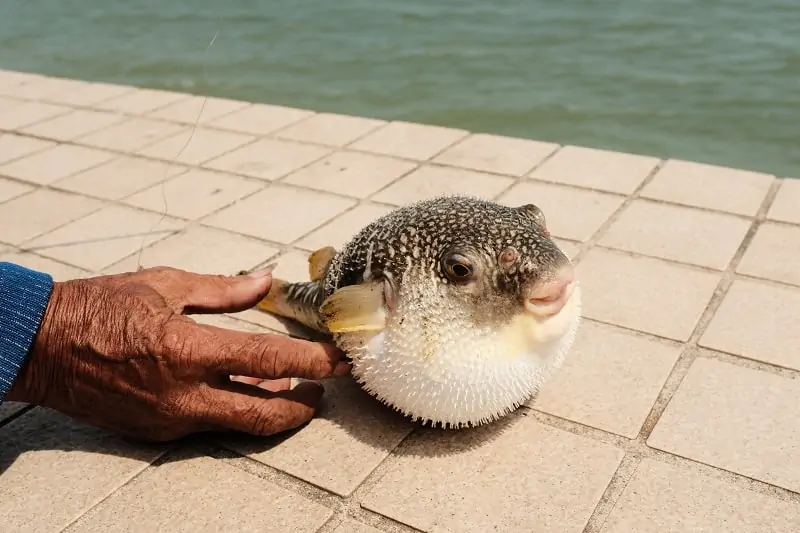
Therefore, when referring to plants, the word “poisonous” should be used, while the word “venomous” is reserved only for animals. Some counterexamples, however, do not support this generalization. Poisonous foods include, for instance, the fugu fish. Toxins in the liver, skin, and ovaries of this well-known Japanese fish have been linked to at least one fatality in humans after being introduced during cooking.
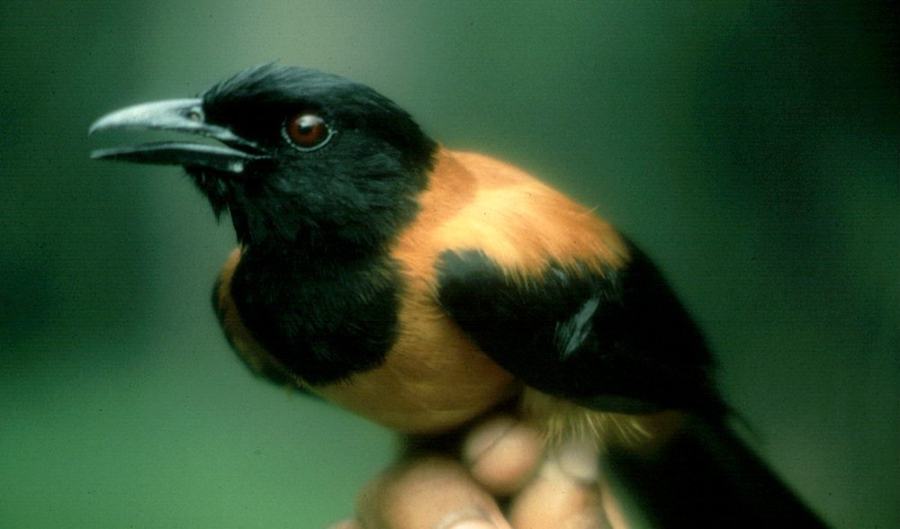
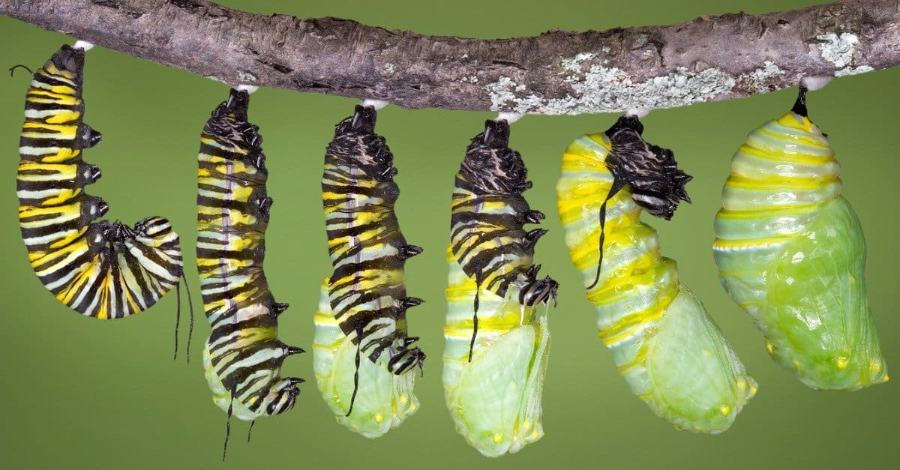
This also describes the Pitohui bird. The plants and insects the bird consumes are a concentrated source of poison that it stores in its skin and feathers. Caterpillars of the monarch butterfly follow a similar pattern, depending on the kind of leaves they eat. And we call them poisonous instead of venomous.