
Weapons
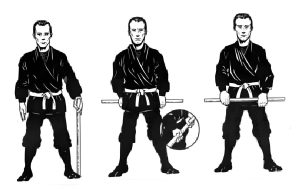
Hanbo: One of the Shortest Martial Art Staffs
The hanbo has advantages in close-quarters fighting where you can use punching and thrusting tactics in addition to excellent lever…
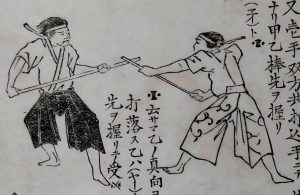
Bojutsu: The Japanese Martial Art of the Bo Staff
Bojutsu is a traditional Japanese martial art that focuses on the use of a long staff as its central weapon.
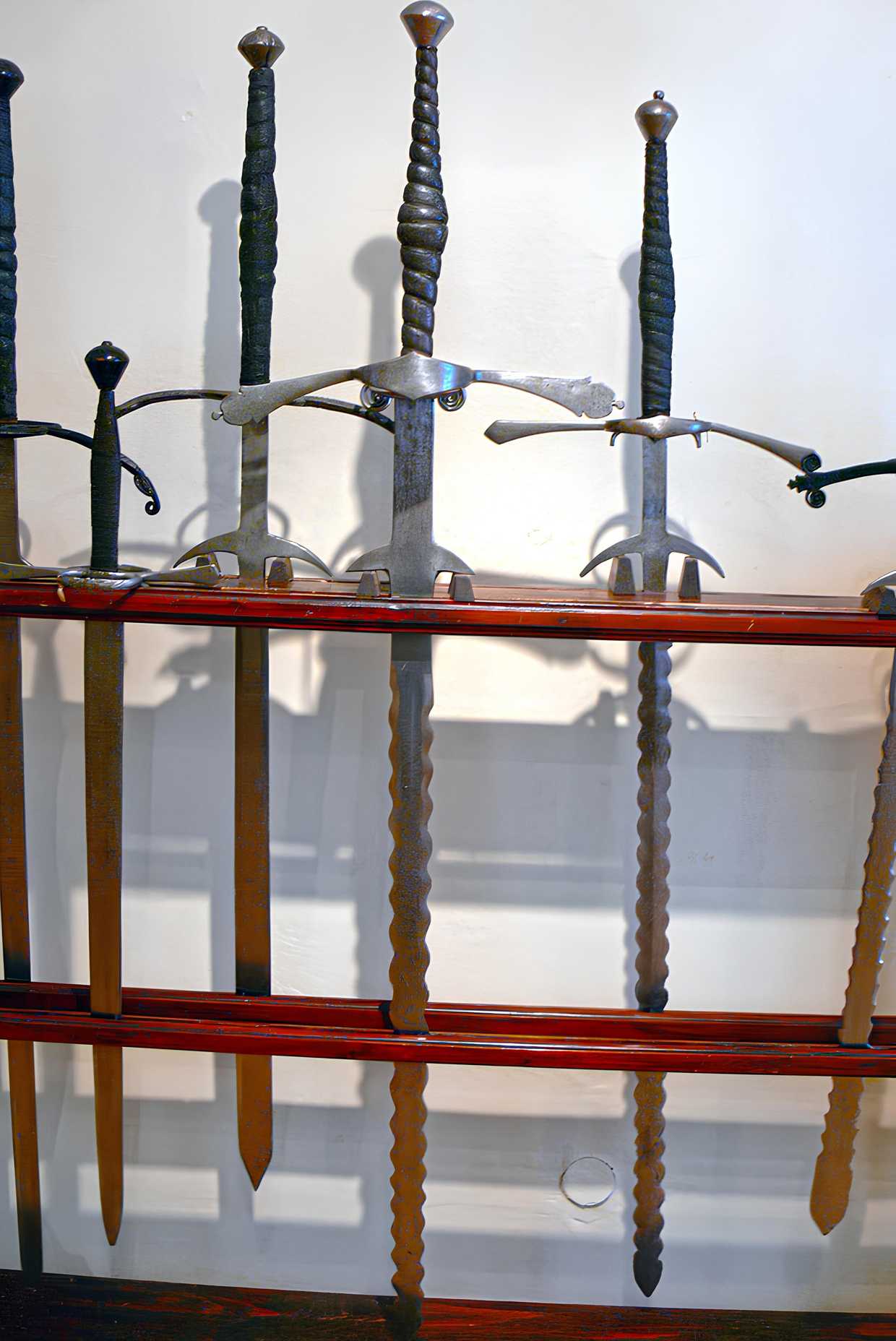
Flamberge Sword: A 15th-Century Weapon with a Flaming Blade
The flamberge swords were incredibly lethal weapons, to the extent that in many armies it became customary to immediately retaliate…
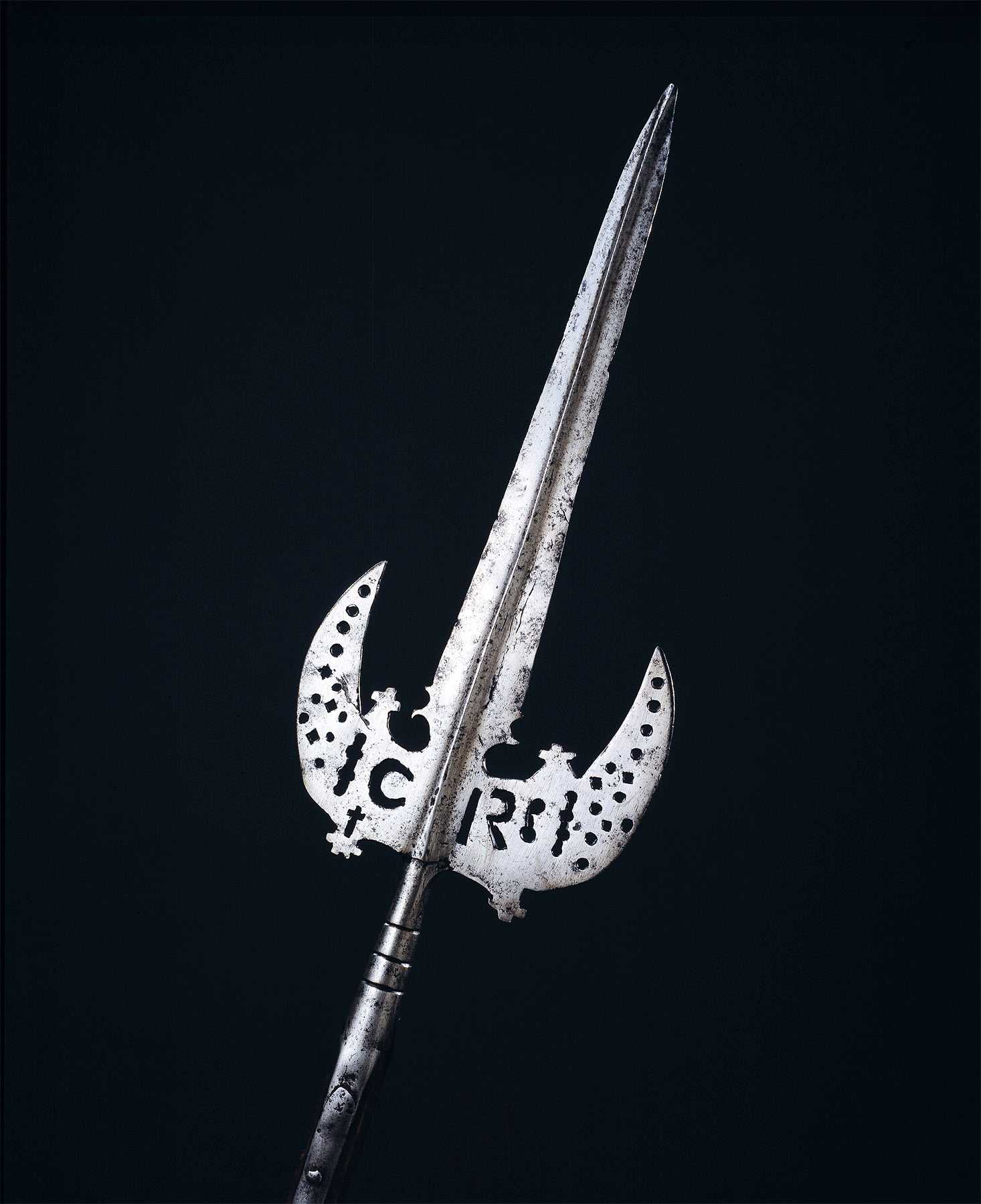
Partisan Weapon: A 15th-Century Spear of the Humanists
The partisan weapon, used primarily for impaling the adversary, entered into use in the 15th century as a more controllable…
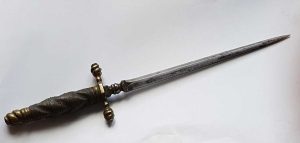
Misericorde Dagger: A 12th-Century Dagger to End a Knight
Misericorde was a dagger commonly used by medieval knights to strike a wounded enemy to end their suffering quickly and…
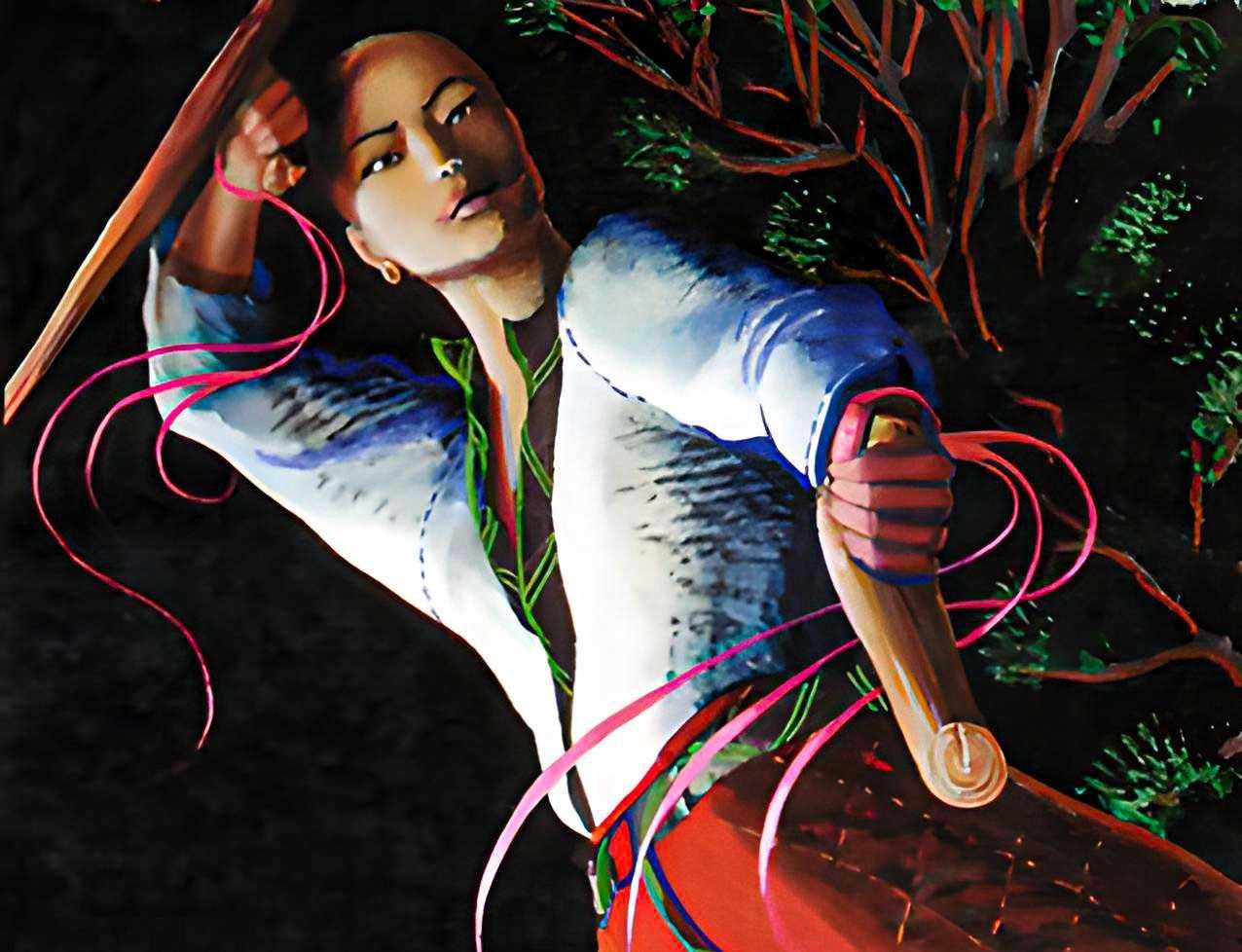
Tonfa Weapon
The tonfa is one of the most distinctive and versatile close-combat implements to emerge from the martial traditions of Okinawa.…
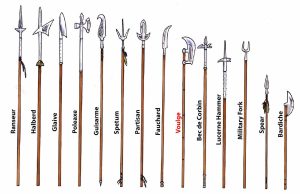
Voulge: This Weapon Created the First Regular French Army
A formidable weapon was required, one that would draw attention, provide a barricade against a crowd's advance, and be able…
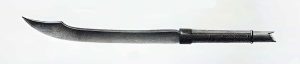
Sovnya: A Rus’ Weapon Derived from the Bear Spear
The appearance of the sovnya is a mixture of the glaive and rohatyn ("Bear Spear") of Western Europe.
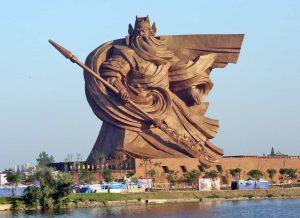
Glaive: A Polearm Developed from the War Scythe
The term "glaive" comes from French. The name either originates in the Celtic word "cladivos", which means "sword," or the…
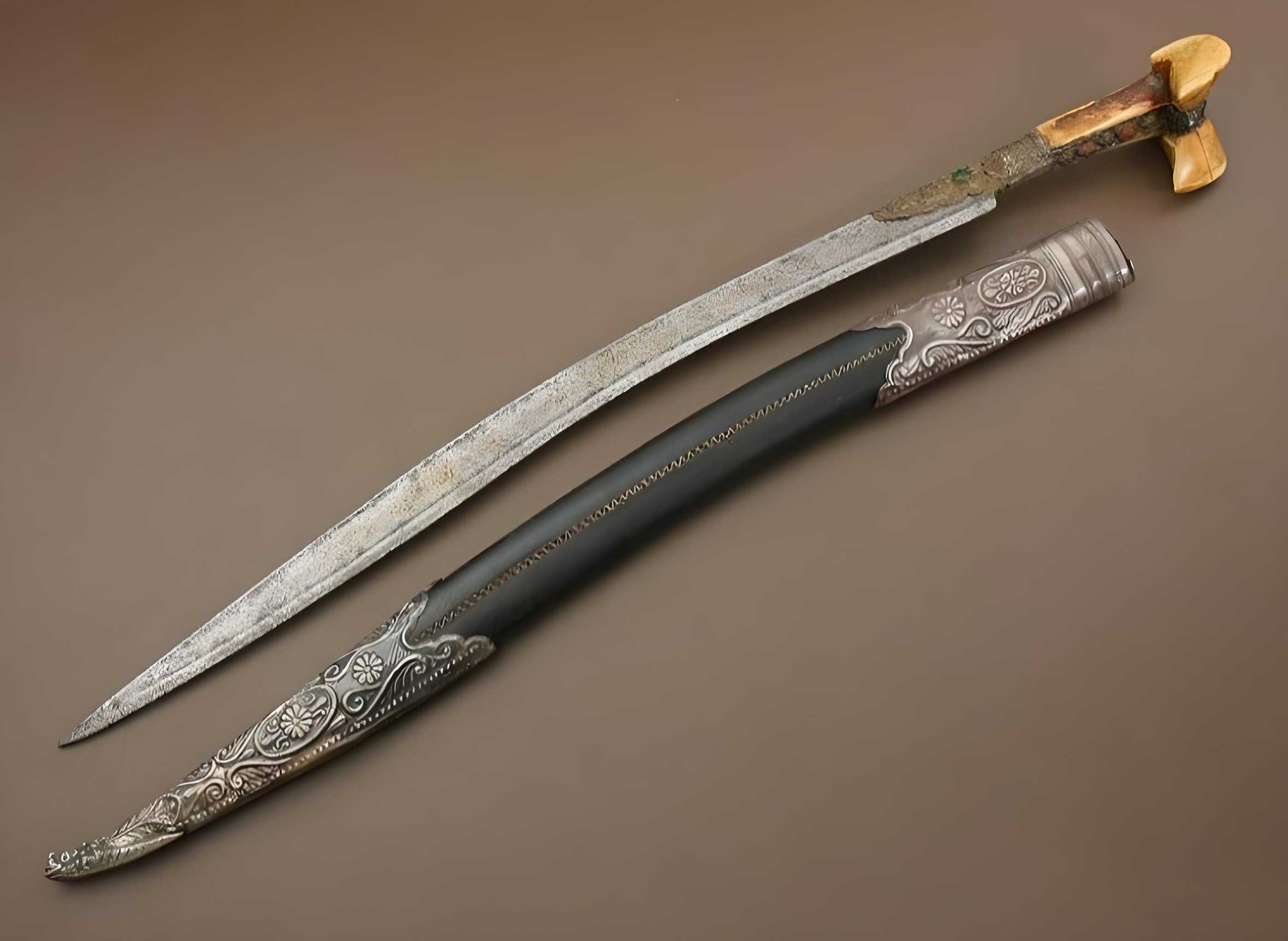
Edged Weapons: Their Types and History
Edged weapons may chop, slash, pierce, and cut, depending on the form of the blade and the composition of the…
Cold Weapon: Weapons That Do Not Involve Fire or Explosions
The cold weapons originally appeared quite a long time ago as a hunting tool.
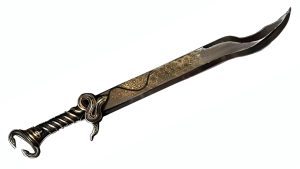
Harpe Sword: The Weapon That Killed Medusa
The harpe sword, crafted from adamantine, was a deadly weapon in Greek mythology that was used during the greatest deeds.