Anyone who enjoys spicy curries is familiar with the sensation of having their tongue and mouth region burn and their body suddenly become very heated and sweaty. Tears, stomach cramps, and, in the worst cases, nausea and vomiting could be the result of eating very spicy chili peppers. Yet, why? When we consume spicy food, what happens to our body physiologically?
Humans have taste buds that pick up on five different flavors: sweet, sour, bitter, salty, and umami, the latter of which is the spicy flavor associated with protein-rich cuisine or soy sauce. When we consume anything salty, for instance, our saliva carries the salt to the taste buds, where it gets detected. On the other hand, the bitterness or sharpness in spicy foods is sensed in a manner unrelated to the tongue’s taste receptors.
Sharpness is “fooling” our receptors
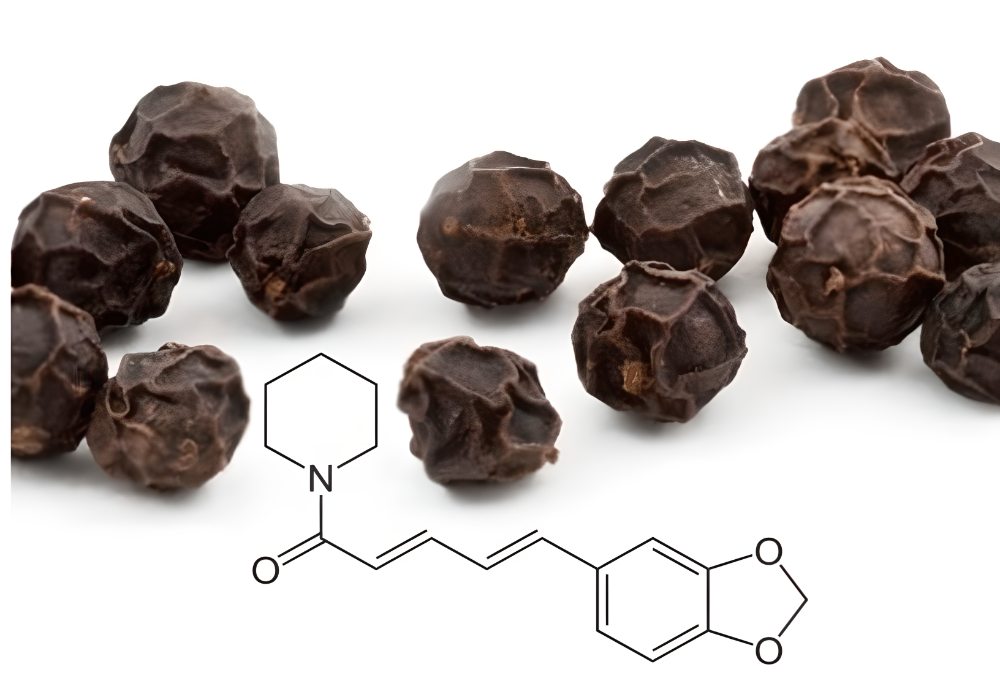
This is caused by the active chemicals in spicy foods, such as the piperine in pepper, the mustard oil in horseradish and mustard, the allicin in garlic, the isoalliin in onions, the gingerol and shogaol in ginger, and the capsaicin in chilies.
When these molecules reach our tongues, they irritate pain receptors like the so-called TRP channels, which are also responsible for the experience of heat and serve as a burn warning system. The sharp stimulus from bitterness causes not just pain but also heat perception, “fooling” our receptors.

The sensation of heat
The nerve cells of the mouth secrete chemical messengers called neuropeptides in response to intense heat impulses, such as capsaicin from chili peppers. These trigger a response in our neural system. The blood vessels widen as a result. This increases heat loss by increasing blood flow to the skin’s surface. However, in severe circumstances, this might cause a reduction in blood pressure and circulation issues.
The glands also increase their output of fluids like sweat and tears. The evaporation of sweat from the skin results in the cooling of the human body. Since the active substances stay on the tongue after swallowing the spicy food, the resulting effects on the body are prolonged. The “burning” in our lips persists, and we experience an increase in body temperature and sweating.
The brain, too, has an emotional response to sharpness, producing chemicals like adrenaline and endorphins (the latter of which works as the body’s natural pain inhibitors but can also generate emotions of enjoyment) in response to spicy, sharp foods. Spiciness, in large enough quantities, may even intoxicate us. “Pepper High Effect” is another name for this phenomenon.
Digestion is also affected
Capsaicin, which is found in chili peppers, speeds up your metabolism and gets the digestive system working better. This is due to the fact that the active component causes irritation in a variety of different receptors and the stomach lining. This prompts the stomach to contract more forcefully and secrete more gastric acid than normal in an effort to get rid of the heat as fast as possible. The digestion process is sped up as a result.
The heat from chili peppers has been shown to increase metabolic rate and improve digestion in rodent studies, which may explain why some people report feeling more “full” after eating spicy foods. When added to a high-fat meal, capsaicin prevented weight gain in rats. They were also more active than usual despite the abundance of food. Scientists are investigating whether or not capsaicin may increase thermogenesis (body heat) and hence fat burning.
Cons and pros of spicy foods
In addition to the heated active substances, many spicy meals also include additional ingredients that offer health benefits. Ginger, for instance, is often recommended for those experiencing gas and bloating. Garlic has been linked to lowering blood cholesterol levels and helping manage high blood pressure, while horseradish has been touted for its antimicrobial properties.
However, not everyone can handle spicy meals despite their health benefits. Spicy foods may irritate the mucous membranes, leading to sickness, vomiting, and even high blood pressure in persons with weak stomachs. Spicy foods may initially be too much for some people, but they may develop a tolerance over time if they are introduced to them gradually. Nonetheless, it’s best to keep kids away from chili and other spicy foods.
Fat to extinguish everything
Fat, such as mascarpone, cream, milk, or oil, helps with the burning feel of spicy foods, as the pungent active ingredients are fat-soluble and can combine with the capsaicin on the tongue, for example, to wash down the spiciness if a dish is too spicy and painful. Water usually does not help with the burning feeling from spicy foods since it only distributes the active ingredients on the tongue without actually combining with them.