At the movies, popcorn is regarded as the ideal snack, regardless of whether it is sweetened, caramelized, or salted. And even if you’re just making it at home, all you need is a saucepan full of boiling oil. The pops of corn emerge from the kernels of corn in a very short period of time. But how exactly does corn turn into popcorn? And who discovered popcorn first?
To successfully prepare popcorn, you must use only those types of corn kernels that have enough moisture. One of them is a bright yellow cultivar known as “Golden Butter.” The husk of this puffed corn is much thinner yet much more resilient than that of traditional corn. The primary uses for the conventional cultivation of corn are the production of starch and feed for animals.
Turning grain into a snack
When you heat a corn kernel, a great amount of pressure builds up inside the husk. The hard husk plays a vital part in the process of creating popcorn. The endosperm is a kind of storage tissue that is made up of starch and has more than ten percent water in its composition. When heated, water undergoes a phase transition that transforms it into a gas. When it is in the form of water vapor, it takes up more space than when it is in the form of water liquid.
At first, the shell is what stops the water vapor from dissipating into the surrounding air. However, when the temperature continues to rise, the pressure continues to grow, and the shell is unable to continue withstanding it. The corn kernel will burst open at a temperature of around 340 degrees Fahrenheit or 170 degrees Celsius, at which point all of the water will have quickly evaporated. Because of this, the starch will expand into a porous foam and puff up in all directions.
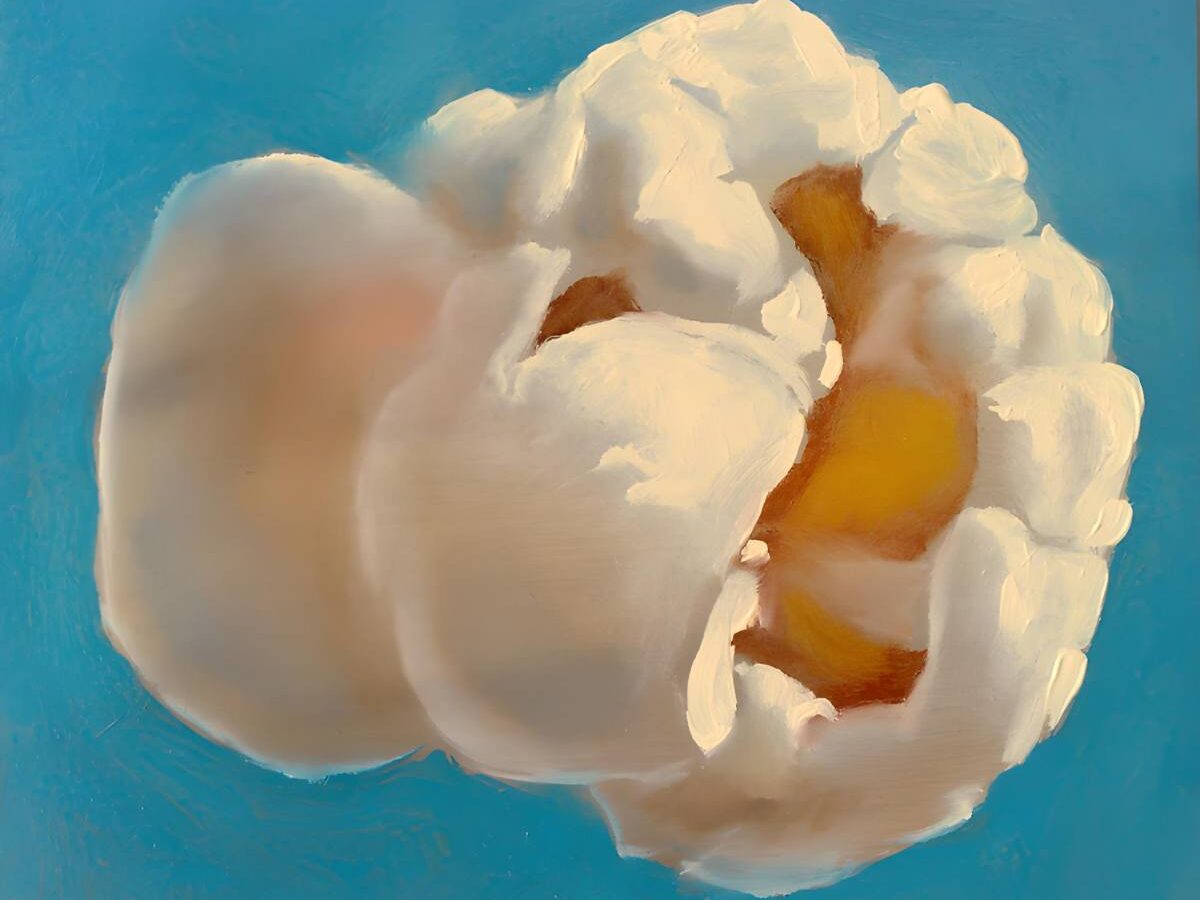
This foam instantly begins to solidify as it cools down. The corn kernels have a much smaller volume compared to the popcorn, which is anywhere from 40 to 50 times bigger. When the kernels will start popping is dependent on factors such as their size, the amount of moisture they contain, and how the warmth is distributed throughout the container. When popcorn is prepared, there are often remnants of the husk left behind.
A very old kind of nutrition
Native Americans from both North and South America were already familiar with this characteristic of corn kernels. Corn that was 5,000 years old was discovered by archaeologists while digging in the graves of Aztecs and Incas during the course of archaeological investigations. Even kernels that were more than a thousand years old and yet had the ability to be popped were found in graves in Peru. Popped corn kernels were not only consumed by the Native Americans but also worn as ornamentation and decoration on their garments. During that historical period, it was cooked either directly on the cob of corn, which was simply held over the fire, or in clay pots, clay jars, and eventually metal pans.
Historians are of the opinion that Christopher Columbus was also presented some popcorn by the indigenous when he found the Americas. According to the findings of the investigation, however, popcorn did not become popular until an Indian chief presented it to the settlers celebrating Thanksgiving. Beginning in 1930, it enjoyed rising levels of popularity around the globe, coinciding with the rise of cinemas.
The term “popcorn effect” is now often used in the field of technology. It takes place in electronic components when moisture has built up and the components are rapidly heated. After then, the liquid evaporates, the vapor expands, and the ensuing overpressure causes an explosion, very much like what happens when you pop popcorn.