Two separate historical figures are combined to become St. Nicholas. Among them is Nicholas of Myra, the bishop of the city of Myra in modern-day Turkey, Antalya. During the 3rd century, he was alive in the records. In contrast, there was also Nicholas of Sion who also lived close to Myra but in the 6th century.
Every year on December 6th, if you’ve been nice, there will be something delicious in your boot. The origin of the Saint Nicholas tradition has long been a mystery. Who is the patron saint of numerous churches? How did Saint Nicholas transition from a devout Christian to Santa Claus?
Who was the real Saint Nicholas?
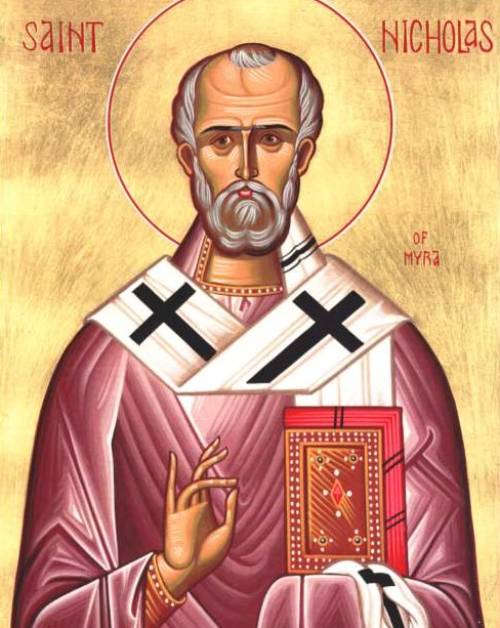
Saint Nicholas is a composite mythological character based on the lives of two individuals whose stories became intermingled in folklore. This hybrid character of Saint Nicholas allegedly stilled a storm and brought the dead back to life, among many other marvels. The tale goes that he helped a poor man who was on the verge of letting his three children into prostitution because he was so desperate for money.
When nothing worked, St. Nicholas sneakily pitched in by dropping gold coins through the window at night. Therefore, the legend of the selfless guardian who visits unobserved youngsters with gifts through the night took shape in this period, a theme that created Santa Claus.

Among the many saints venerated in the Middle Ages, St. Nicholas gained widespread acclaim, especially in Russia, where he eventually became a patron saint. The European merchant guild Hanseatic League chose Saint Nicholas as its patron saint since he was the patron saint of merchants and sailors along with the repentant thieves. Even now, churches dedicated to St. Nicholas stand as living proof of this fact in many Hanseatic towns. The St. Nicholas Memorial was built to honor those who lost their lives due to Nazi persecution.
How Martin Luther pushed St. Nicholas back
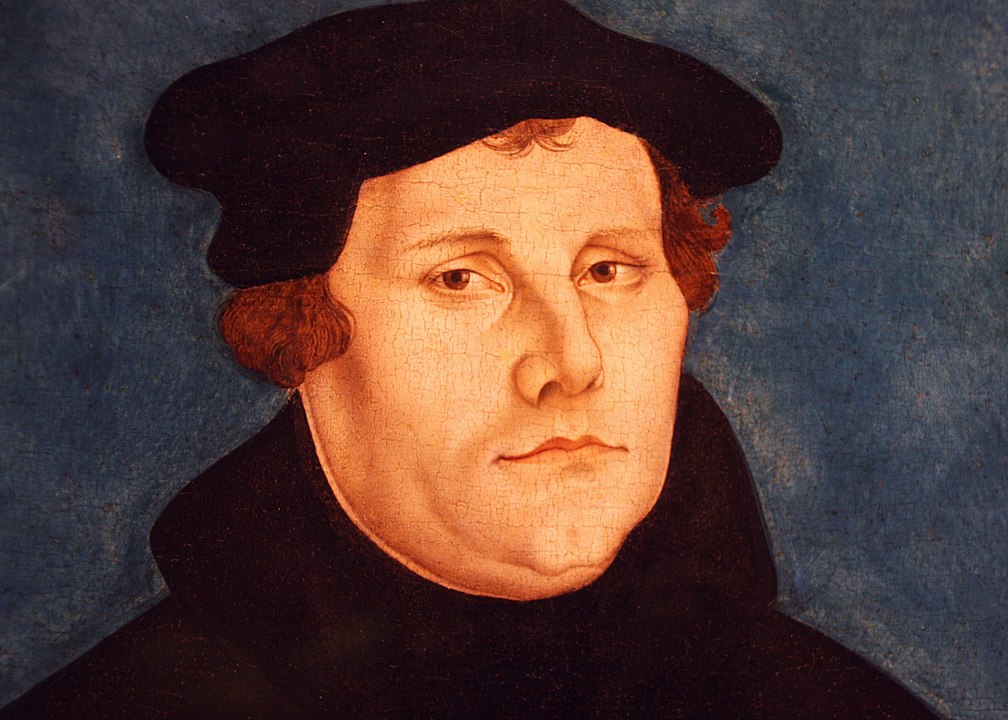
People have been exchanging gifts on December 6 in honor of St. Nicholas Day since at least the 12th century. Martin Luther condemned the saint worship and St. Nicholas gifts as simple-minded for the Reformation. In this stead, he introduced the practice of exchanging presents in Christmas instead of in the Saint Nicholas Day. People all around the globe, and not only in the Catholic world, observe this tradition at Christmas now.
Martin Luther is implicitly responsible for the creation of the Christ Child icon. St. Nicholas, who had been in charge of the presents up until that point and who may be traced back to the canonized Bishop Nicholas of Myra, was an obvious target in Luther’s war against the worship of saints in general. This is why in 1535 Luther changed the tradition of distributing gifts to children and family members from St. Nicholas Day to Christmas. No longer did Saint Nicholas deliver the presents; instead, the “Holy Christ” did it. Eventually, this image was reduced to the Christ Child because it was too abstract for children and regular people.
The Christ Child is a character from Christmas plays and nativities, not the infant Jesus in the manger, as is often believed. Mary and Joseph were commonly escorted by a group of heavenly girls with white robes and golden hair, with the “Christ Child” (the newborn Jesus) acting as their leader. This figure was then modeled after the many depictions of saints and angels seen in churches.
Origin of Black Pete, Saint Nicholas’ companion
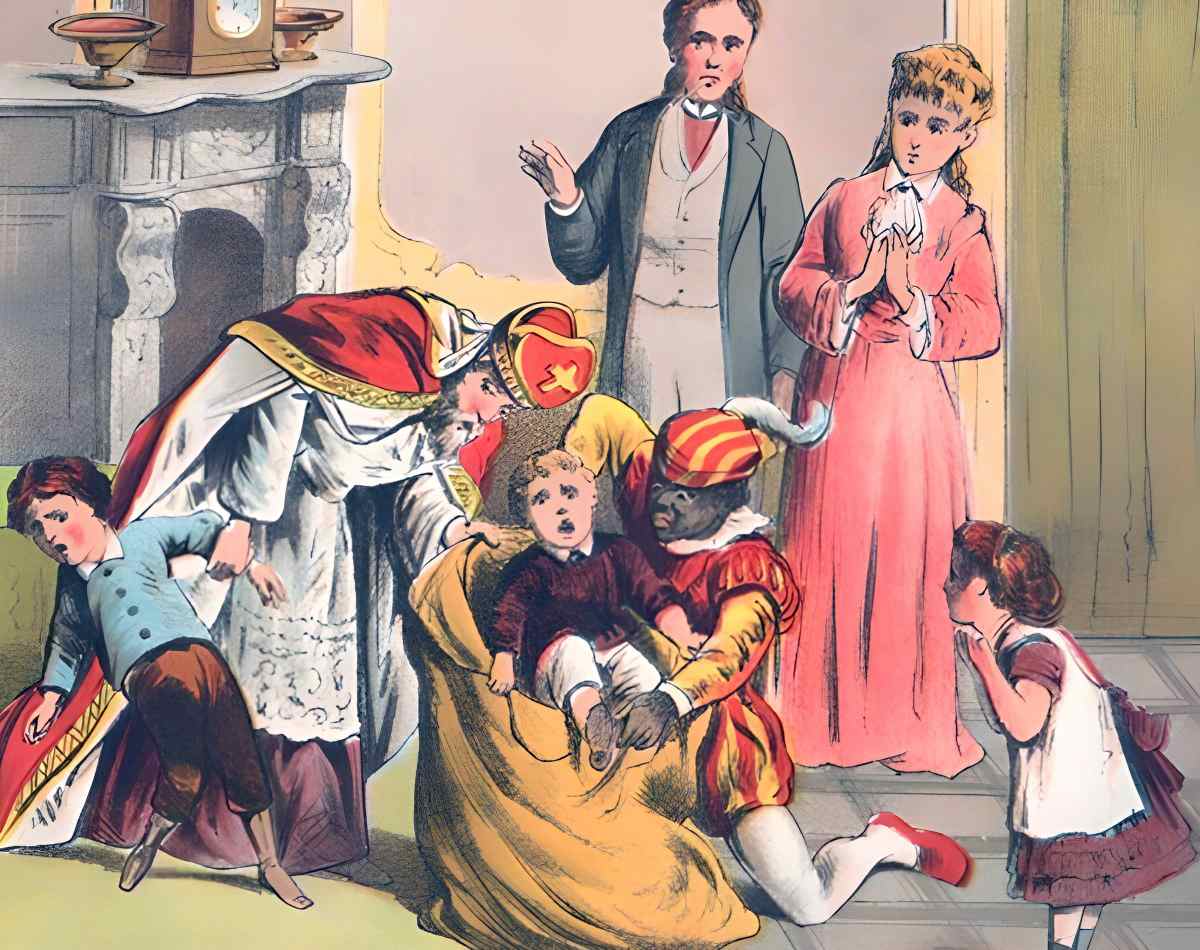
However, beginning in the 19th century, Santa Claus was shown not just as a generous gift-giver but also as a harsh disciplinarian. He was typically joined by a scary figure known variously as “Black Pete” or “Zwarte Piet,” all of whom are intended to terrify youngsters. He often wields a rod in place of a bag of gifts. But he wasn’t always a bad guy. It was widely believed in the 19th century that the origins of St. Nicholas’ helper were in Pagan traditions. He traveled over the winter months to chase away bad spirits.
In Pagan rituals, Black Pete was not black but rather had soot on his face that made him look like one. In Northern Europe about 1,100 BC, Pagan Shamans began dressing in animal skins and blackening their faces with soot to represent fabled monsters of the underworld, providing a possible genesis for the companions of Saint Nicholas (and Santa Claus) with a dark complexion.
On the other side, there are legends that cast Black Pete in an even worse light. For instance, Black Pete was a clergyman who cursed children who were joyfully rejoicing and dancing on Christmas Day in the year 1021. Others place the beginnings of Black Pete in the Middle Ages, when the concept of “child horror” was employed to legitimize reforms in the classrooms. Whatever the situation may be, he was actually often portrayed as an enemy of Saint Nicholas.
How did St. Nicholas turn into Santa Claus?
St. Nicholas is traditionally represented with the gown and mitre of a bishop in Central Europe. However, in other parts, the popular image of St. Nicholas is that of a jolly elderly man with a white beard and a thick red cloak, somewhat unlike Santa Claus. But Luther’s reformation did widely relegate St. Nicholas to obscurity and make him morph into Santa Claus.
Santa Claus has been around in history for quite some time. For a long time, on the night of December 5-6, St. Nicholas stuffed the shoes and socks of the Catholic aristocracy. He had an assistant named Knecht Ruprecht, or Zwarte Piet (Black Pete) who would reward good and hardworking kids and penalize slackers.
Changes that resulted in the modern Santa Claus image occurred in the 19th century. Combining elements of Zwarte Piet (his boots, bag, and rod) with the childlike godfather of St. Nicholas with his red bishop’s regalia and gift-giving role (and his long white beard), the stereotypical Santa Claus was born.
Santa Claus, however, has evolved from playing the role of the loving but authoritarian father who pays the children for good behavior and punishes them for bad, to that of a more lighthearted character who wears a thick red fur coat and has a big round belly and red, chubby cheeks.
The image of modern Santa Claus
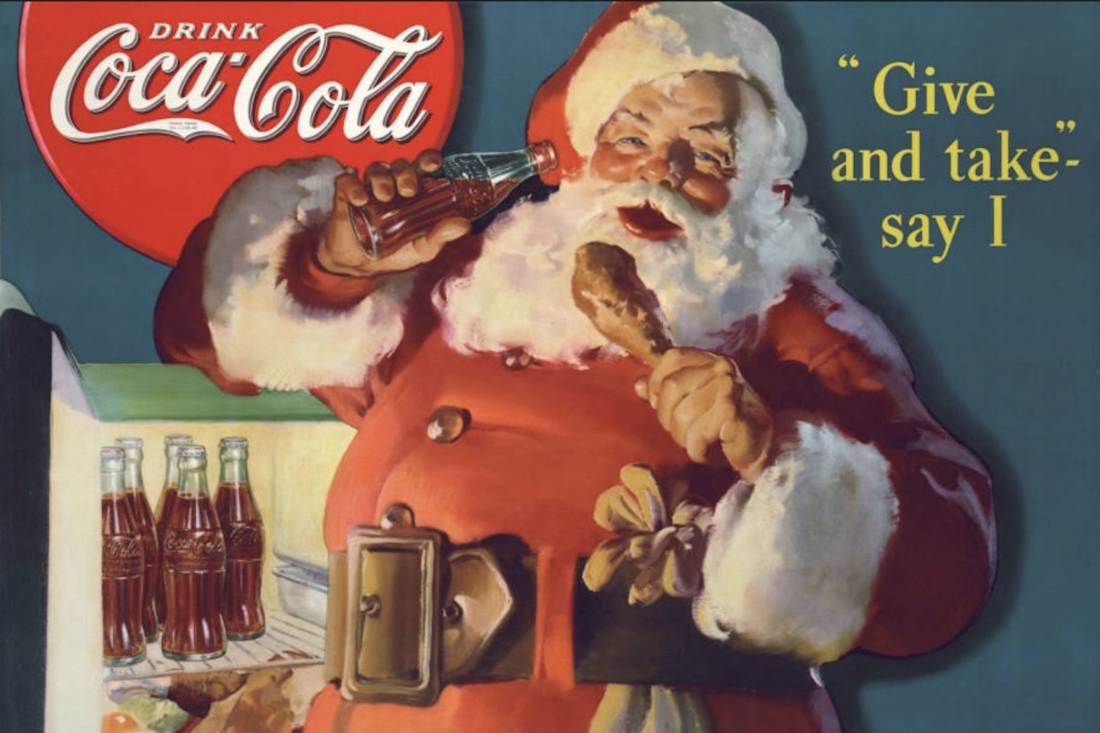
The German immigrant Thomas Nast is credited with giving St. Nicholas the look of today’s Santa Claus. In the United States, the cartoonist depicted Santa Claus with a white beard, red suit, and fur-trimmed hat as early as 1862. The plump, bearded man brought gifts to Union troops stationed up north. It was Union propaganda meant to solidify the public’s perception of Santa.
After that, Santa Claus had been portrayed in the art for decades with a striking resemblance to the modern-day version. Coca-Cola didn’t utilize this version of Santa Claus in a commercial until 1931, which later popularized the character worldwide for the first time in history.
Bibliography
- Jean Blacker; Glyn S. Burgess; Amy V. Ogden, 2013, “The Life of St Nicholas: Introduction”.
- George Ferguson, 1976, “St. Nicholas of Myra or Bari”, Signs and Symbols in Christian Art, Oxford University Press.
- Jeremy Seal, 2005, Nicholas: The Epic Journey from Saint to Santa Claus.