Voulge at a Glance
What is a voulge?
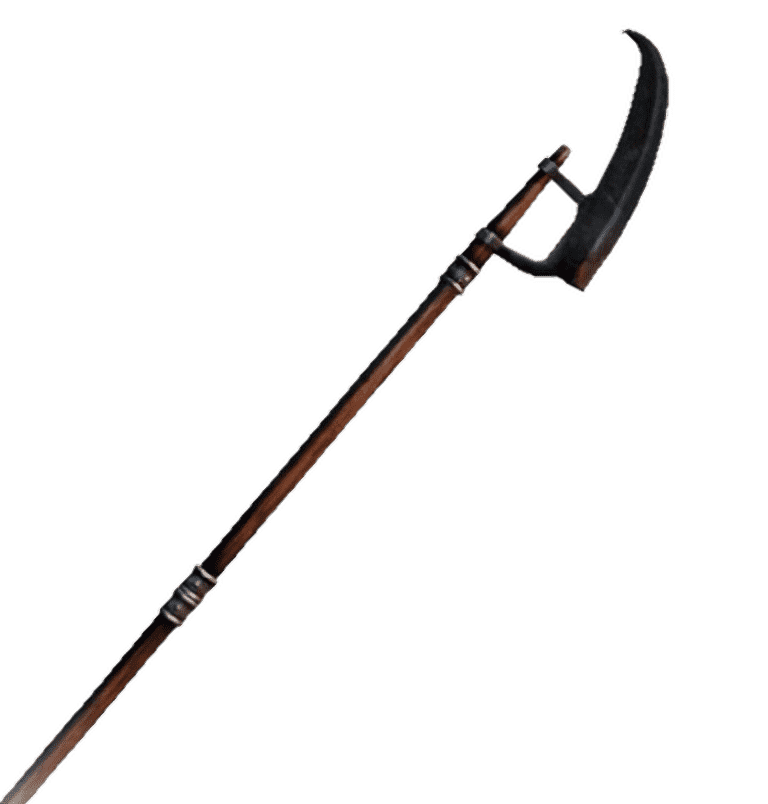
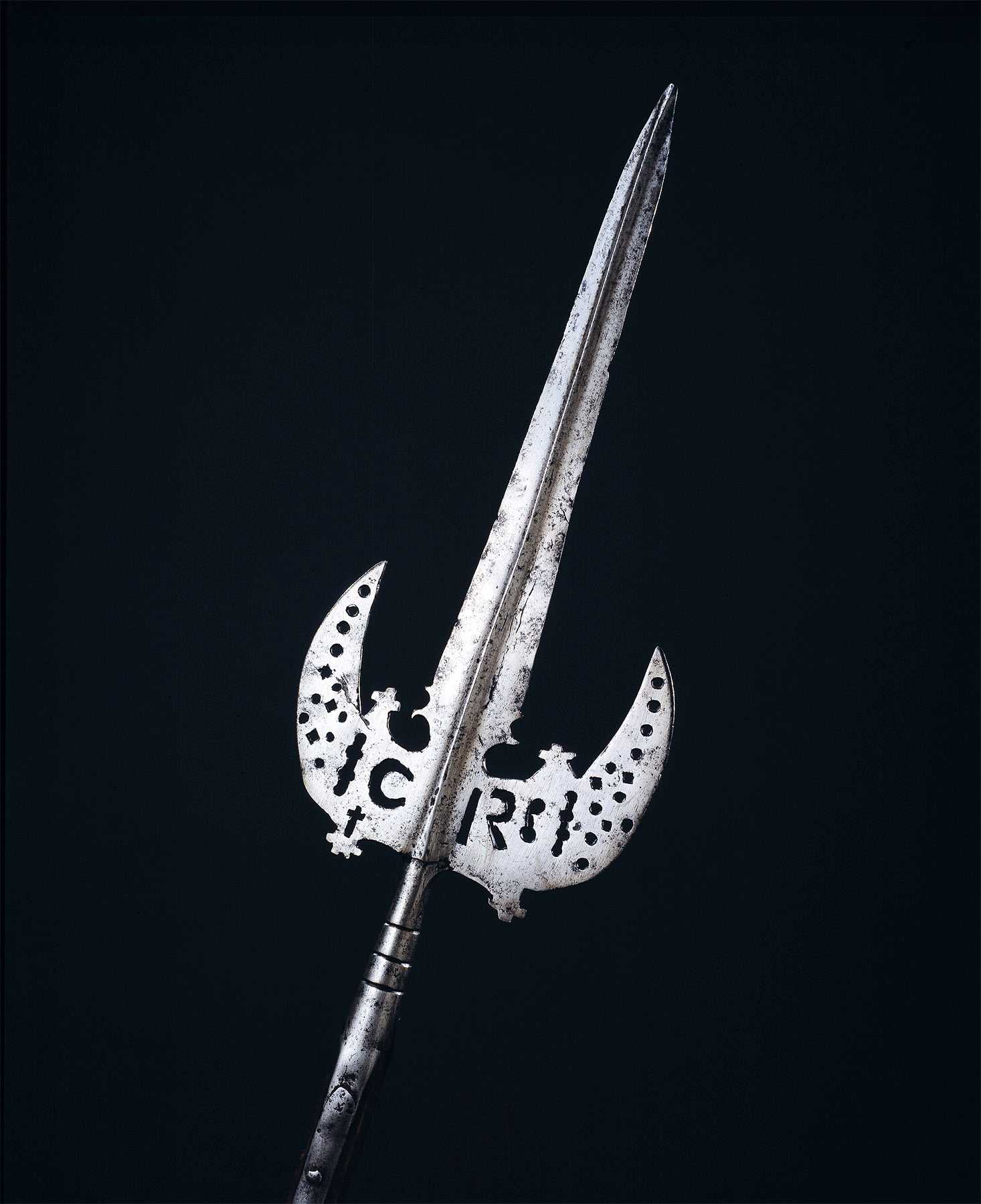
A voulge is a medieval polearm weapon used in Europe during the 15th century. It is a basic spear with a wooden shaft and metal blade that weighs around 5 pounds. The blade is mounted on an eight-sided hardwood shaft between 4.9 and 6.6 feet long, and it has a guard at the end of the hexagonal base to block the opponent’s blade.
Who used voulges in medieval times?
The voulge was widely used by foot troops, including the forefathers of infantrymen called Vougiers, and the Francs-Archers in France. The u0022body archersu0022 who were guards of lords and dignitaries also utilized this weapon.
What are the historical literary works that include the voulge?
There are several historical literary works that mention the voulge, including u0022Chronicles of Froissartu0022 (1369), u0022Account of the chronicles and old histories of Great Britainu0022 (c. 1446) by Jean de Wavrin, u0022Memoirs: The Reign of Louis XIu0022 by Philippe de Commines, u0022Great Parangon of Newsu0022 by Nicolas de Troyes, and u0022The Artillery of Charles the Boldu0022 by Michael Depreter.
How is a voulge different from a bardiche?
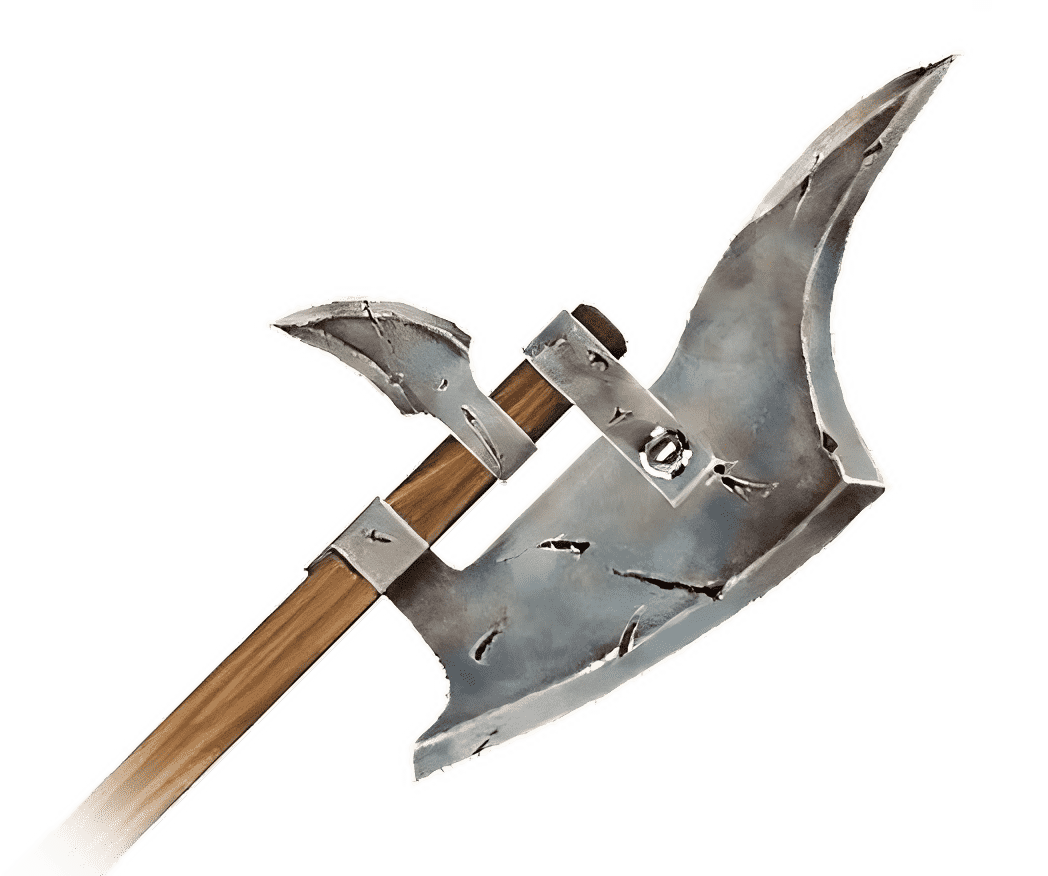
A bardiche is sometimes mistakenly referred to as a voulge. However, they are two different weapons. The bardiche is similar to an axe with a tip that is attached to the shaft by two hoops at the blade’s back, while the voulge has a triangular blade mounted on an eight-sided hardwood shaft and has a guard at the end of the hexagonal base.
The voulge is a medieval polearm that was widely used in Europe during the 15th century, especially in France. Vougiers (or Voulgiers) were foot troops (the forefathers of infantrymen) who utilized this weapon. The Francs-Archers (“free archers”) made notable use of this weapon and they were France’s first effort at creating a regular infantry. The voulge, which appears like a spear, is also known as the vouge or couteau de breche (“breach knife”). The above picture shows the vigils of King Charles VII (1429–1461) along with the voulges carried by the guards.
History of the Voulge
One of the roles of archers was to provide close protection for lords and dignitaries. These guards were called “body archers” (ancestors of bodyguards).
And of course, to fulfill this role, they needed to be able to keep the public at a distance. But not at a distance for shooting; a bow was therefore inadequate, as the public was often too close. A dagger was also inadequate (not visible enough).
An impressive edged weapon was needed, one that would draw attention, create a barrier against a crowd, and block or attack an assailant. This weapon was the voulge, or “breach knife.”

Several medieval French manuscript miniatures, like those from the Chronicles of Froissart (1369) and the Account of the chronicles and old histories of Great Britain (c. 1446) by Jean de Wavrin, include the voulge.
| Voulge | |
|---|---|
| Type of weapon: | Polearm |
| Region | Europe |
| Historical lifespan | 14th century to about 18th century |
| Weight: | Around 5 lbs (2.3 kg) |
| Length: | Approx. 80 inches (200 cm) |
| Shaft: | Wood |
Description of the Voulge
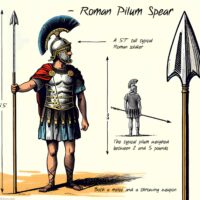
Usually weighing around 5 pounds (2.3 kg), the voulge is a very basic spear that resembles halberds, pikes, and other spears due to its wooden shaft and metal blade. The “coutiliers” were armed to the teeth with a voulge, a mail shirt, and a tiny head protection called a sallet.

To create the voulge, a narrow, single-edged blade is fitted in a socket on a shaft between 4.9 and 6.6 feet (1.5 and 2 m) long. Sometimes a voulge had a langet attached to it, much like an axe, or a rondel to keep the wielder’s hands safe.
It is believed that this kind of combined polearm is the direct ancestor of the halberd.
The blade of the voulge above consists of a straight and wide tip with a triangular front and a sharply truncated fifth edge that can be used as a hook. The blade is attached to the pole with the help of two ferrules (metal rings) and a short half-haft.
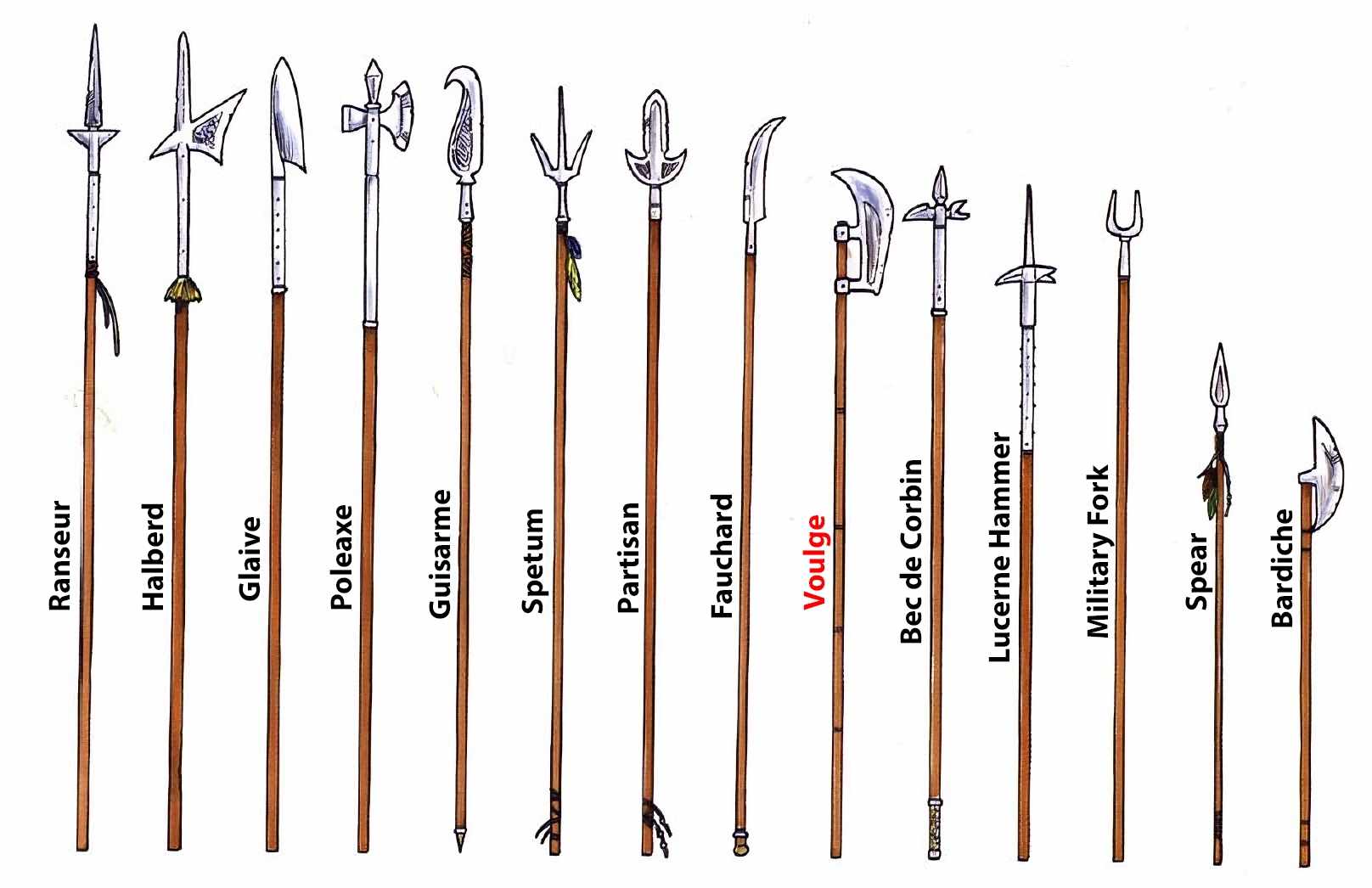
The blade of a regular voulge is triangular in shape, and it is mounted on an eight-sided hardwood shaft with no iron shoe at the foot. The blade’s top third is diamond-shaped, allowing for thrusts (given with the tip) while the middle third is triangular, allowing for slashes (with the edge).
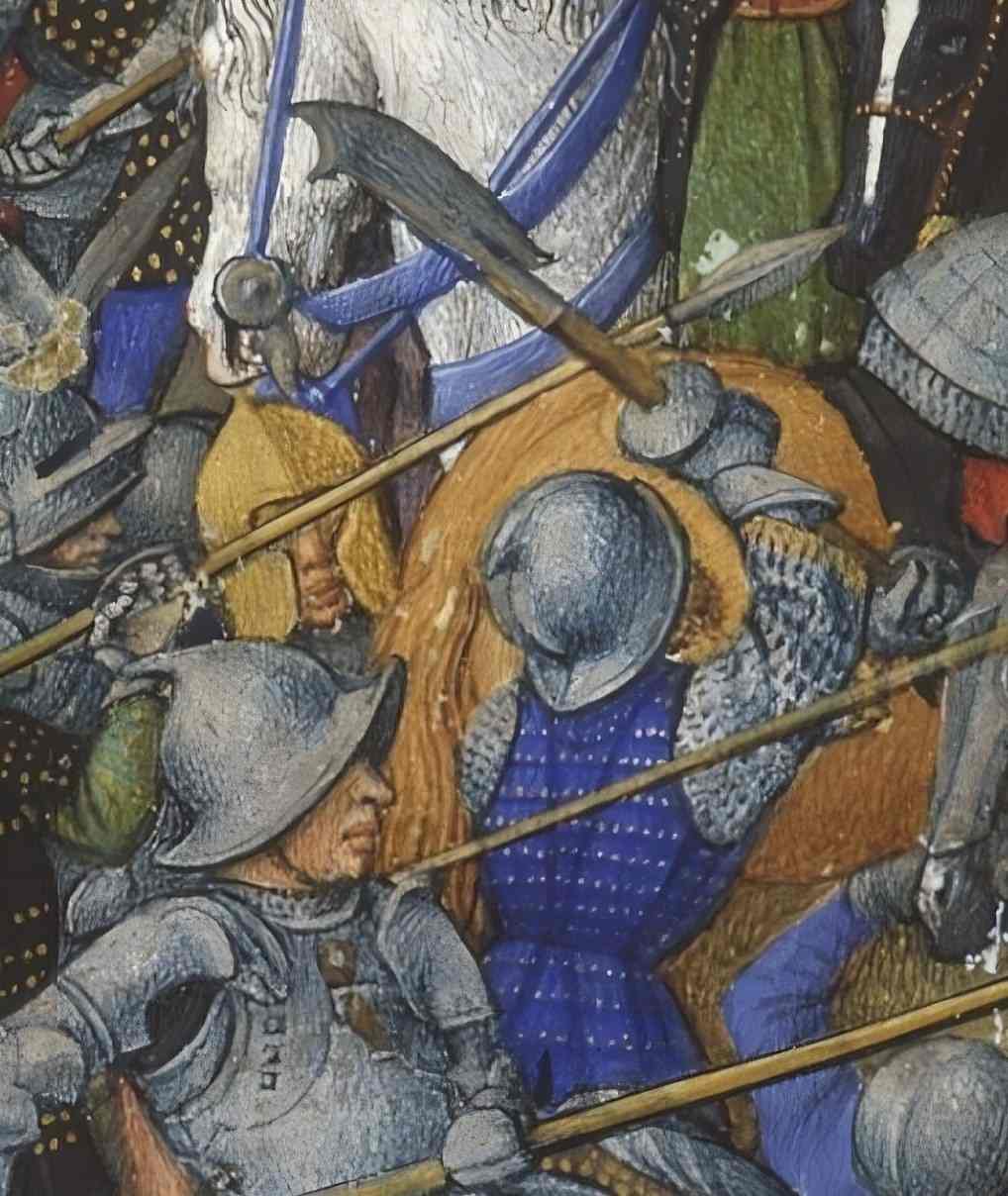
Finally, a guard at the end of the hexagonal base serves to block the opponent’s blade as it slides along the weapon.
See also: Cold Weapon: Weapons That Do Not Involve Fire or Explosions
The blade is massive and securely fastened to the shaft with two metal splints that are riveted into the wood. When the voulge is at its greatest length of 7.84 feet (2.39 m), the combined length of the blade and splints is almost 3.3 feet (1 m). Sufficiently large that its wielder can avoid hand-to-hand combat and, if required, reach a horseman from the ground.
Other Historical Literary
Several other historical literary works also include the voulge:
“He drove them away, and did not have a hundred horses in all. Only one man on foot turned back, who struck him with a voulge in the stomach...” (Philippe de Commines, Memoirs: The Reign of Louis XI, Volume 1, Chapter 4.)
“Then all those from the king’s household gathered together and chased after this poor cat, inside a large hall with daggers, swords, knives, pikes, half-pikes, javelins, halberds, voulges, angons, and many other kinds of weapons, all of which were hurled at the cat.” (Nicolas de Troyes, Great Parangon of News, p. 41)
“My lord had 200 voulges made last year, most of which have been sent out and delivered, and it seems to the most noble correction of my lord that, considering how much the English and Lombards demand and require them, and also that they are weapons for assault, … (Michael Depreter, 2011, The Artillery of Charles the Bold.)
Mistaken Identity: Bardiche for Voulge
Today, the bardiche—similar to an axe with a tip that is attached to the shaft by two hoops at the blade’s back—is sometimes incorrectly referred to as a voulge. It wasn’t until the very last years of the 15th century that this weapon made its way to France from its birthplaces in Germany and Switzerland.
The incorrect naming of the bardiche as a voulge seems to have begun in the 19th century with the work of Eugene Viollet-le-Duc. In his work, he incorrectly calls the bardiche by the name voulge. That weapon was an early form of the halberd.