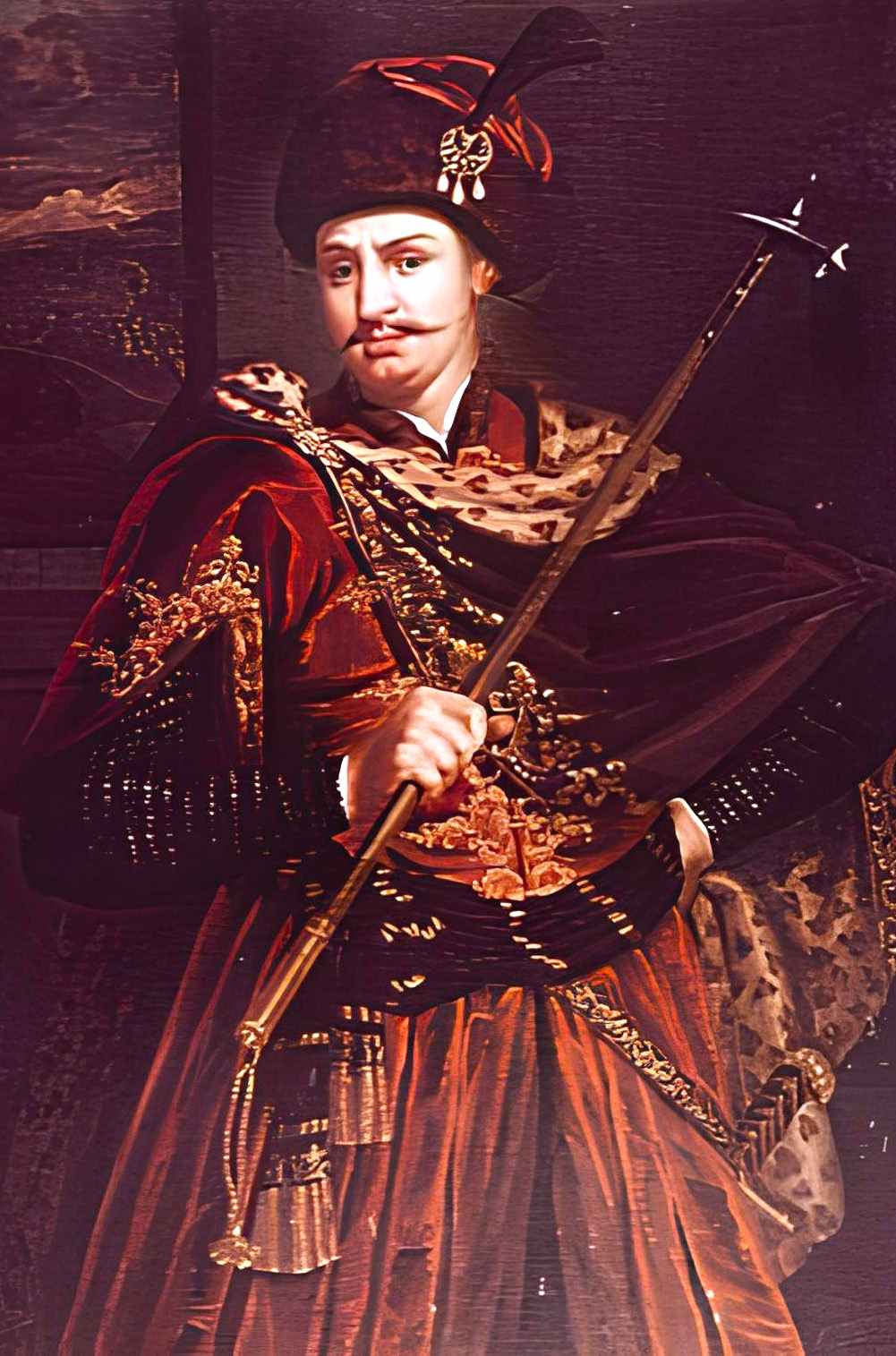
- The name “Hwando” means “rounded sword,” and it referred to various Korean long swords.
- Hwando has a smaller blade curve than the katana.
- It is worn with a cord around the waist and has a painted scabbard with tassels.
The Hwando was a curved sword with a single outer edge that was popular throughout the Goryeo and Joseon dynasties in Korea. The sword was between 25 and 40 inches in length, depending on whether it was used by cavalry or infantry. The blade of this sword has a curve like that of a saber or scimitar. A Hwando appears very similar to the Japanese katana.
Origin of the Name
The name “Hwando,” which means “rounded sword,” is said to have been named after either the rounded curvature of the blade or the ring on the scabbard from which the sword was hung at the waist. Both infantry and mounted soldiers of the time utilized Hwando swords.
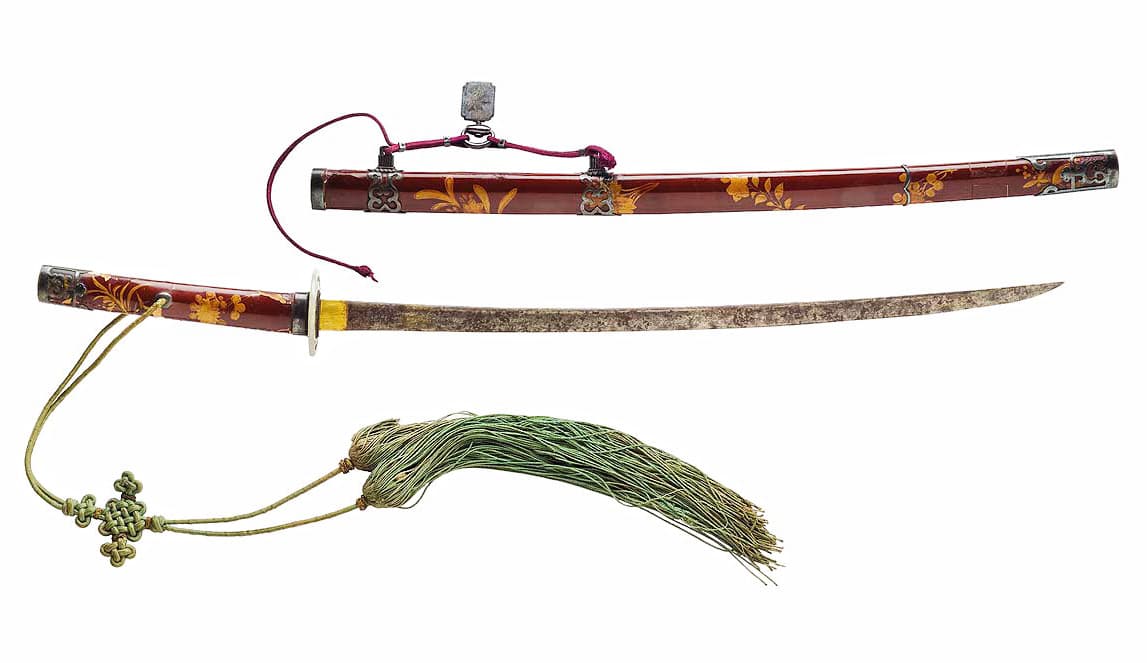
The term Hwando was also sometimes used during the Joseon era to refer to a wide variety of outer-edged long swords, including many distinct sorts of swords used for martial arts and combat training. That’s why the name Hwando actually referred to more than just one sort of Korean sword.
History of the Hwando Sword
The name “Hwando” first appeared in historical records during the reign of King Chungnyeol in the 3rd year of the Goryeo Dynasty (1277, April). In this record, envoys Yu Hong and Holno were sent from Yuan (Mongol) to King Chungnyeol, and King Chungnyeol ordered Lee Chang-mo to make 1,000 Hwando swords in Chungju. There are also records in the “Yuan Shi” (History of Yuan) mentioning someone offering Hwando swords to the “Great Khan” of the Mongols during the reign of King Sejo. It is presumed that the name Hwando was introduced during the late Goryeo period, possibly due to Mongol influence.
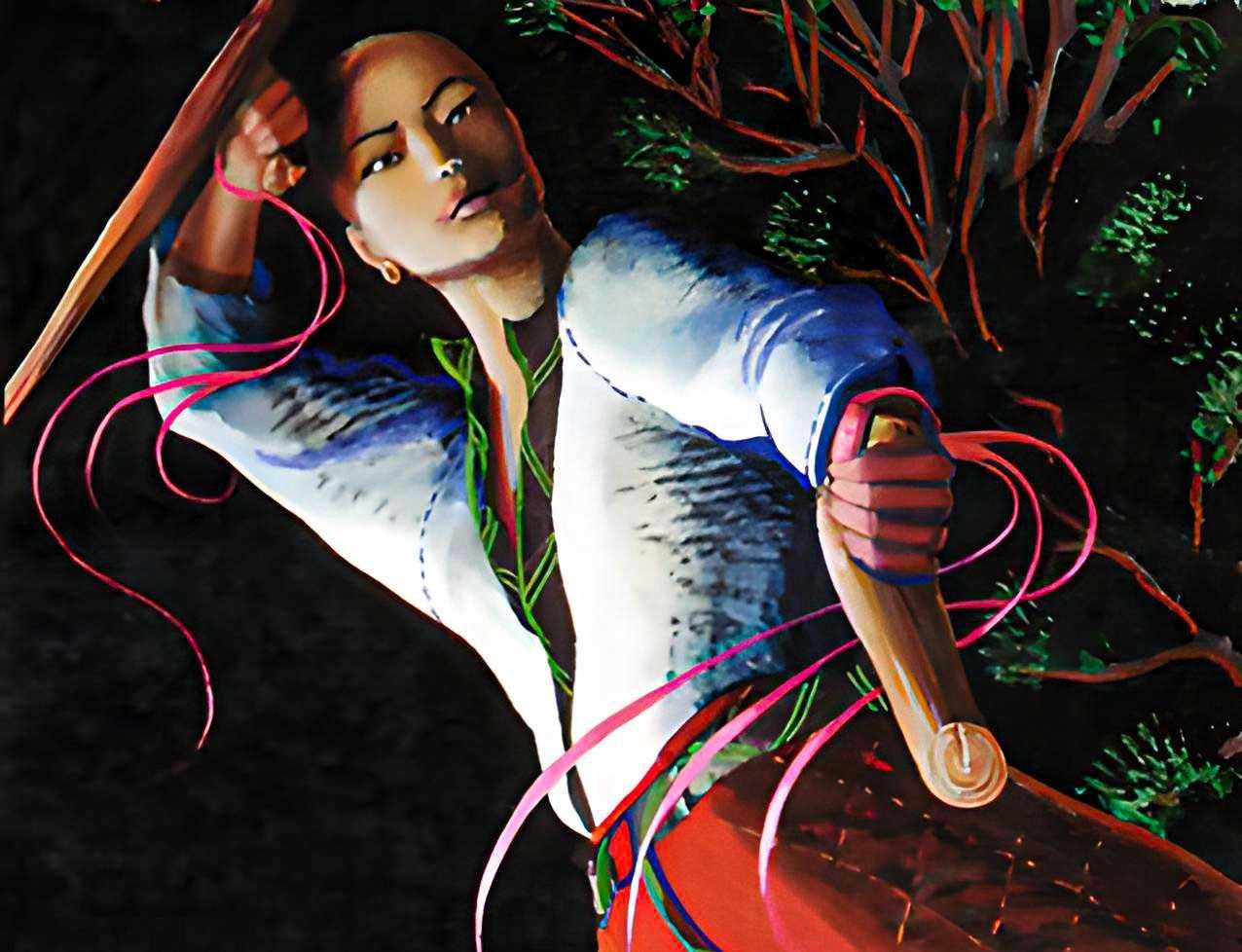
The Chinese characters for Hwando can be translated as “rounded sword,” suggesting a curved blade, as seen in existing Hwando artifacts and records. Another interpretation attributes its origin to the ring on the scabbard, where the sword is hung from the waist. There is also a theory suggesting it originated from the ring shape of the pommel.
During the Joseon period, the term “Hwando” was used generically to refer to long swords with outer edges. Various types of swords, such as Unggeom, Paedo, Baeggeom, and swords listed in the “Muyedobotongji” (Comprehensive Illustrated Manual of Martial Arts) like Yedo, Ssangsudo, Ssanggeom, and even Waeggeom, were all collectively referred to as Hwando. Even during training, everyone trained using only one type of Hwando, and not only Japanese swords and Jurchen swords, but even Western swords from the late Joseon Dynasty were all referred to as Hwando indiscriminately in the annals.
The Hwando’s Design
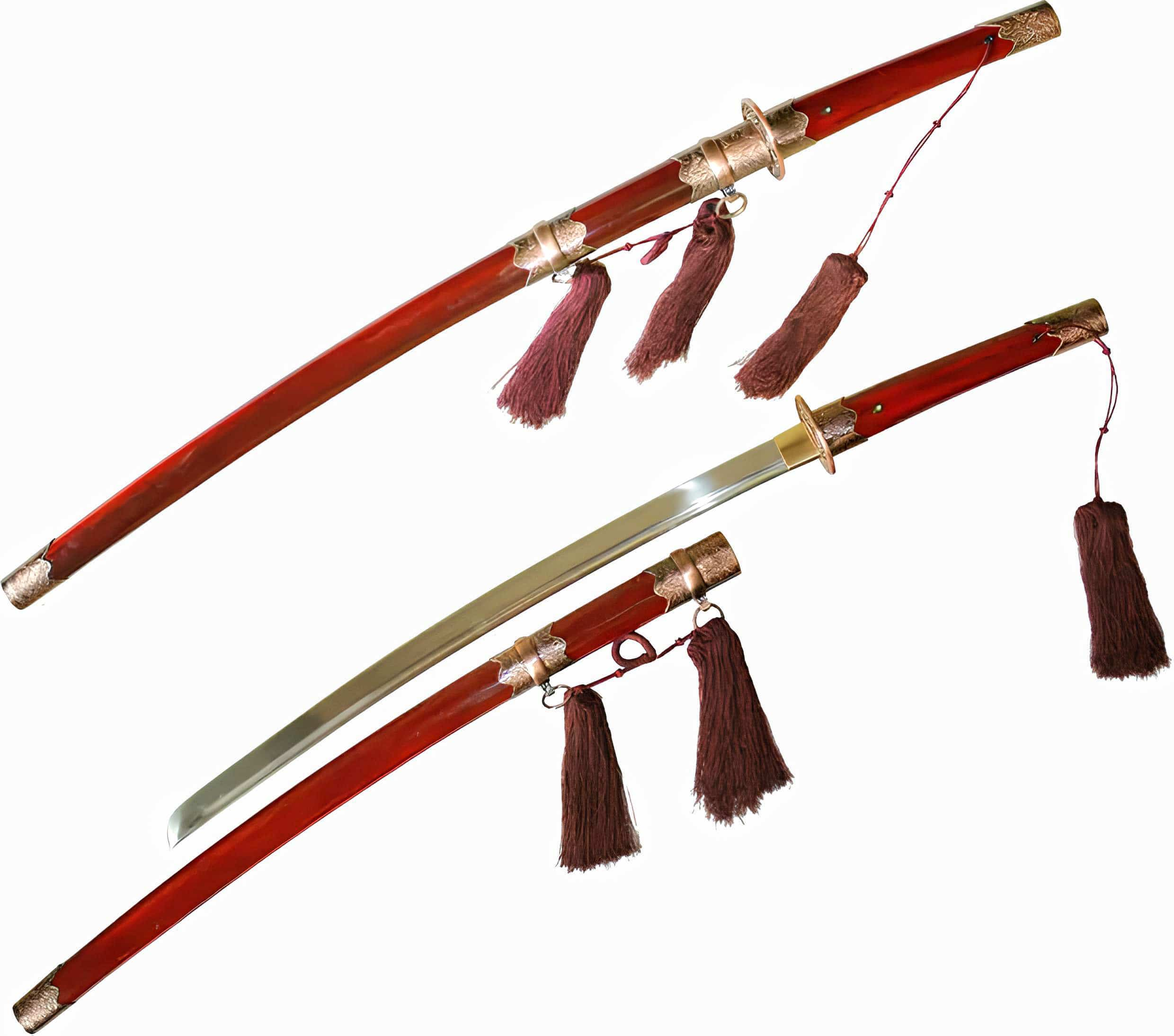
Hwando vs. Katana
The shape of the Hwando sword is similar to the Japanese katana sword, but the curvature of the blade is smaller, and closer to a straight sword compared to the katana. The “Goryeo Dogyeong” describes the pre-Mongol invasion Korean sword as “hoengdo” (horizontal sword), which resembles the katana from the Tang Dynasty onwards. This “hoengdo” has a rounded tip and is tied horizontally under the armpit with a leather sheath.
The influence of the saber from the Central Asian steppes, which entered through Mongolia, is thought to have caused the straight hoengdo to develop a curved blade. This type of “hoengdo” was introduced to Goryeo, becoming the model for the Hwando sword.
In the early Joseon Dynasty, the Hwando was known for its significant curvature and relatively short length. The recorded specifications in the “Munjongsillok of Annals” state that the blade length of the Hwando for infantry was 14 inches and for cavalry was 13 inches.
The handle length was 10.3 inches for infantry and 6.5 inches for cavalry, which, when converted, equated to a total length of approximately 22 inches for infantry and 19.3 inches for cavalry. This length was shorter compared to the Japanese katana.
Reason for the Shorter Sword Length
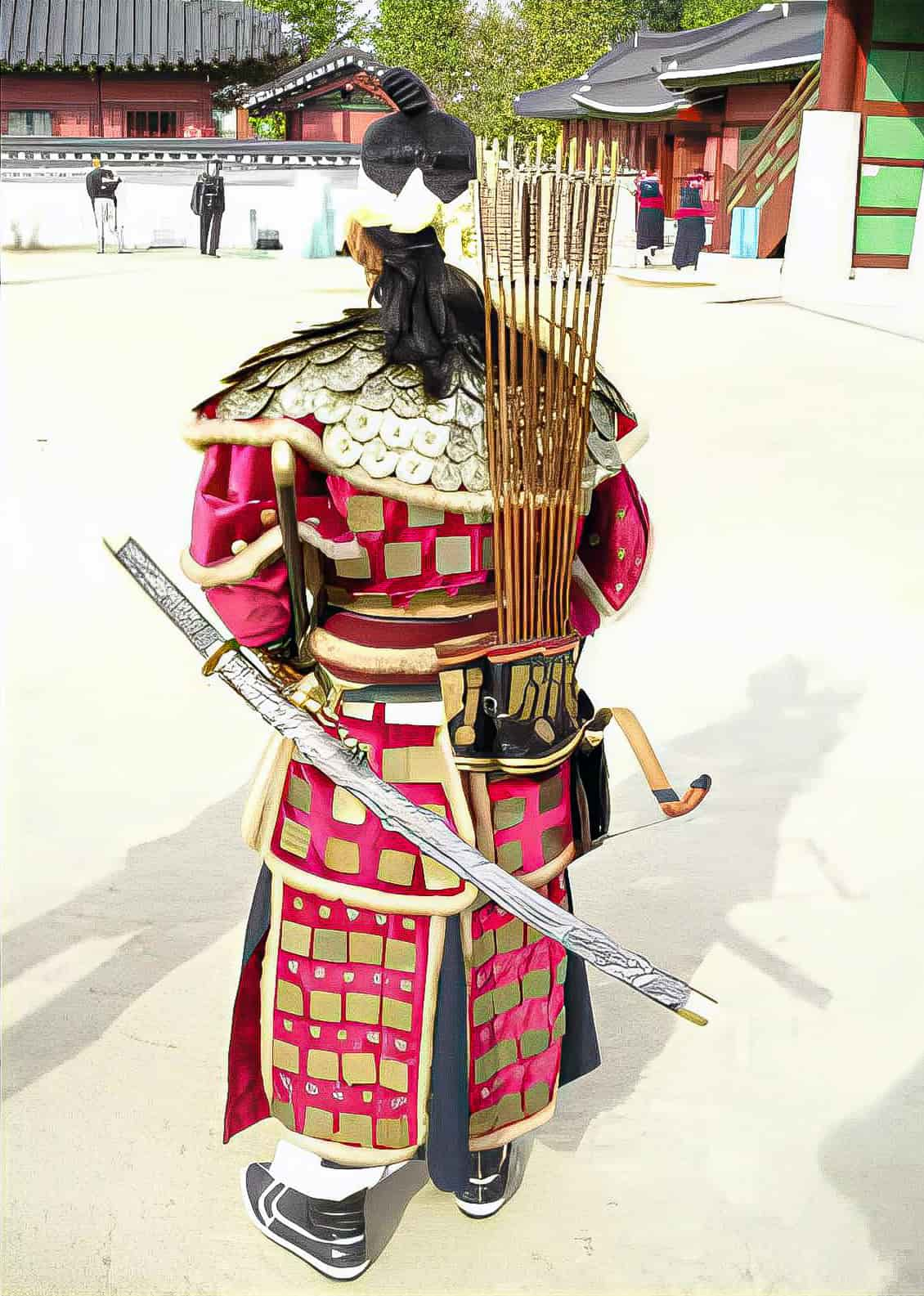
It was believed that a straight and shorter blade was more effective for combat. Weight was also a consideration, as the early Joseon military standards included carrying armor, two bows, about 20 arrows, and the Hwando sword. Therefore, soldiers preferred lighter swords.
However, after the Imjin War (Japanese invasions of Korea), it was realized that the relatively shorter Hwando was inconvenient compared to Japanese swords, especially the katana. Consequently, in the later Joseon period, there was a trend towards longer Hwando swords.
How to Use a Hwando Sword
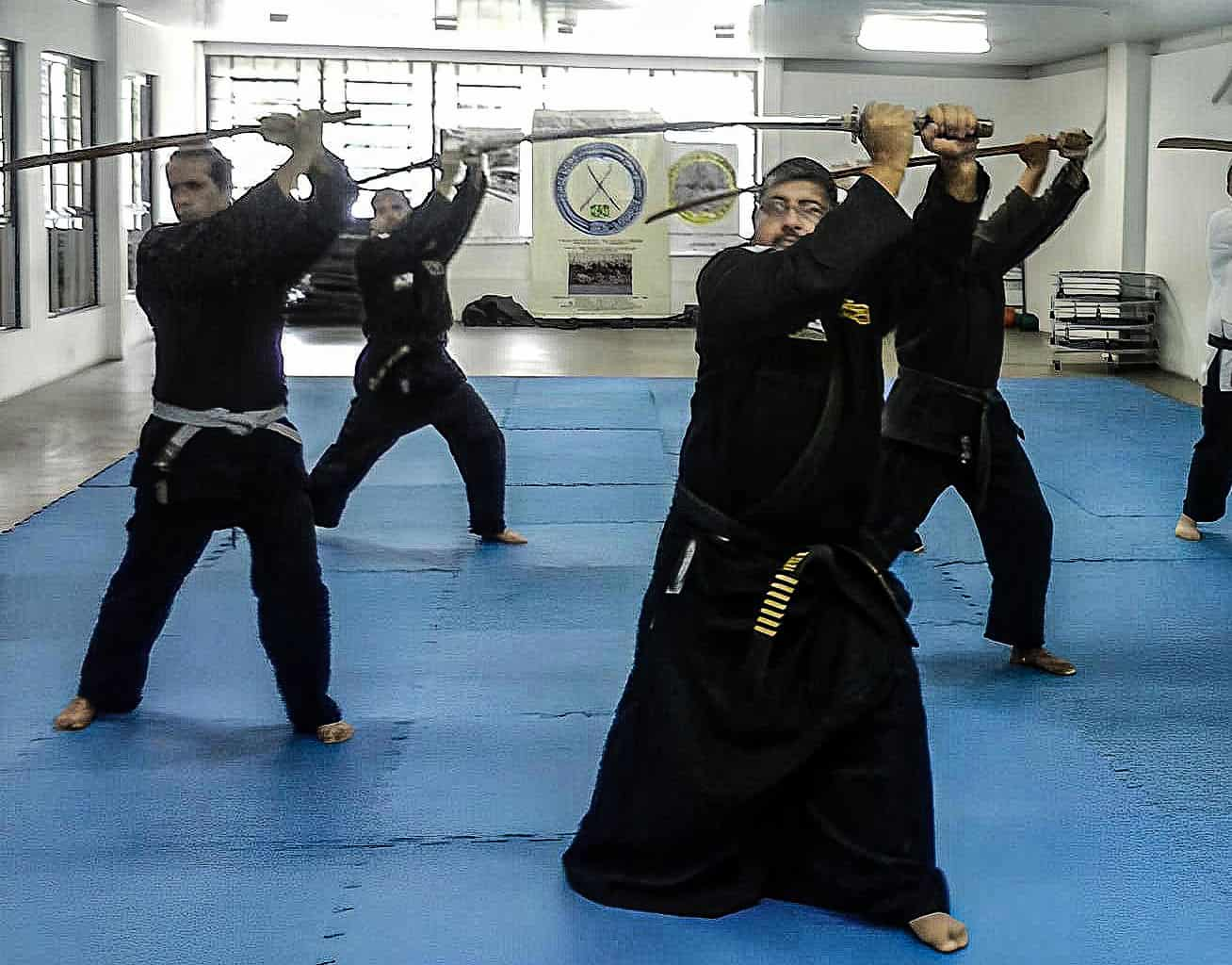
Unlike the Japanese katana, the Hwando sword is worn by threading a cord through two loops attached to the scabbard and tying it around the waist. There was a separate belt made of cowhide or deer skin for wearing the Hwando sword, and the scabbard was wrapped with cloth and painted black or orange. A cord called “Hongjo Sooara” was passed through a hole in the middle of the scabbard, and two tassels adorned the hilt.
What Made Hwando a Remarkable Sword?
The Hwando sword was an example of efficiency in hand-to-hand combat at a time when conventional weaponry was being phased out in favor of modern rifles and artillery. These swords, which were generally 28 inches in length, were ideal for troops who needed to be nimble while wearing bulky armor and wielding many different weapons. During the Japanese invasion of Korea in 1592, the Hwando’s length suddenly increased to almost 36 inches before shrinking down to its more manageable size.
The steel was used in their construction, and they were bolstered with sharkskin or hemp fabric for extra strength. The orange swords were reserved for generals close to the monarch, and the black swords were carried by regular generals and troops. Some ornamental examples were adorned with sea turtle shells, gold, silver, or jade.
In 2017, President Putin delivered a historic Hwando sword to President Moon Jae-in.
References
- Featured Image: Author: 문화재청, License.
- The Fighting Weapons of Korean Martial Arts – Google Books
- The Japanese Sword – Google Books