For nearly a millennium, the Japanese sword stood at the center of samurai warfare, metallurgy, and social identity. While popular culture frequently groups all curved Japanese blades under the single name katana, traditional Japanese swordsmithing produced a specialized arsenal of eleven distinct blade types. Each weapon evolved in response to shifting battlefield tactics, from the sweeping cavalry engagements of the Heian and Kamakura periods to the close-quarters urban duels of the Edo era. Master smiths forged these blades from tamahagane, a high-carbon steel smelted from iron sand, utilizing differential clay tempering to create a razor-sharp martensitic edge supported by a resilient, shock-absorbing spine.
- Chokuto: The Ancient Straight Blade
- Tachi: The Sweeping Cavalry Sword
- Katana: The Iconic Soul of the Samurai
- Wakizashi: The Companion Blade
- Tanto: The Armor-Piercing Dagger
- Nodachi and Odachi: The Battlefield Greatswords
- Nagamaki: The Long-Hilted Cleaver
- Kodachi: The Short Tachi
- Ninjato: The Straight Shinobi Blade
- Shikomizue: The Concealed Cane Sword
- Gunto: The Twentieth-Century Military Sword
Chokuto: The Ancient Straight Blade
Before the iconic curve appeared in Japanesesmithing, warriors of the Kofun and Nara periods wielded the chokuto. Heavily influenced by Tang dynasty Chinese metallurgy and imported continental blades, the chokuto was a straight, single-edged sword forged prior to the tenth century. Worn suspended from the waist by cords, it was designed primarily for thrusting and downward hacking by infantry soldiers. As warfare shifted from foot formations to mounted archery and cavalry charges, smiths realized that a straight blade tended to jam against bone on horseback, leading to the birth of curved steel.
Tachi: The Sweeping Cavalry Sword
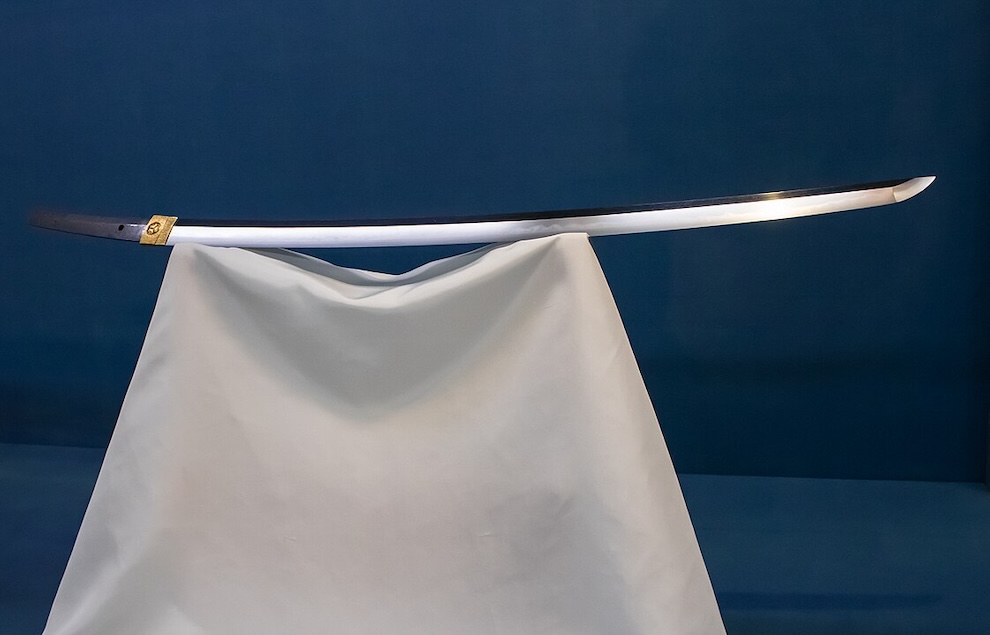
Emerging during the late Heian period, the tachi was the true predecessor of the katana and the primary weapon of the early mounted samurai. Measuring between twenty-seven and thirty-two inches in blade length, the tachi featured a pronounced, deep curvature concentrated near the hilt or the center of the blade. Crucially, the tachi was worn suspended edge-downward from leather or silk hangers attached to the armor belt. This suspension allowed a rider at full gallop to draw the long blade smoothly without hitting his horse’s flank and deliver devastating slicing arcs against enemy infantry.
Katana: The Iconic Soul of the Samurai
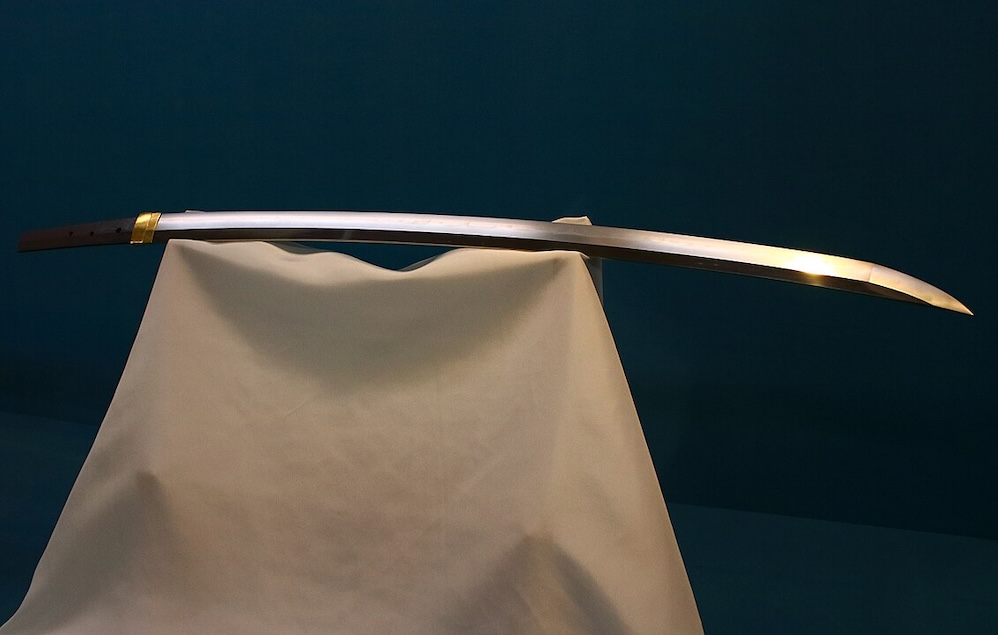
By the Muromachi period in the fourteenth and fifteenth centuries, dense infantry formations armed with polearms forced samurai to fight increasingly on foot, requiring a faster draw. This tactical necessity gave rise to the katana, formally classified as an uchigatana. Slightly shorter and less steeply curved than the tachi, the katana was thrust directly through the warrior’s sash with the cutting edge facing upward. Carrying the blade edge-up allowed the samurai to draw the sword and deliver a fatal strike in a single continuous motion—a martial discipline refined into the art of iaijutsu.
Wakizashi: The Companion Blade
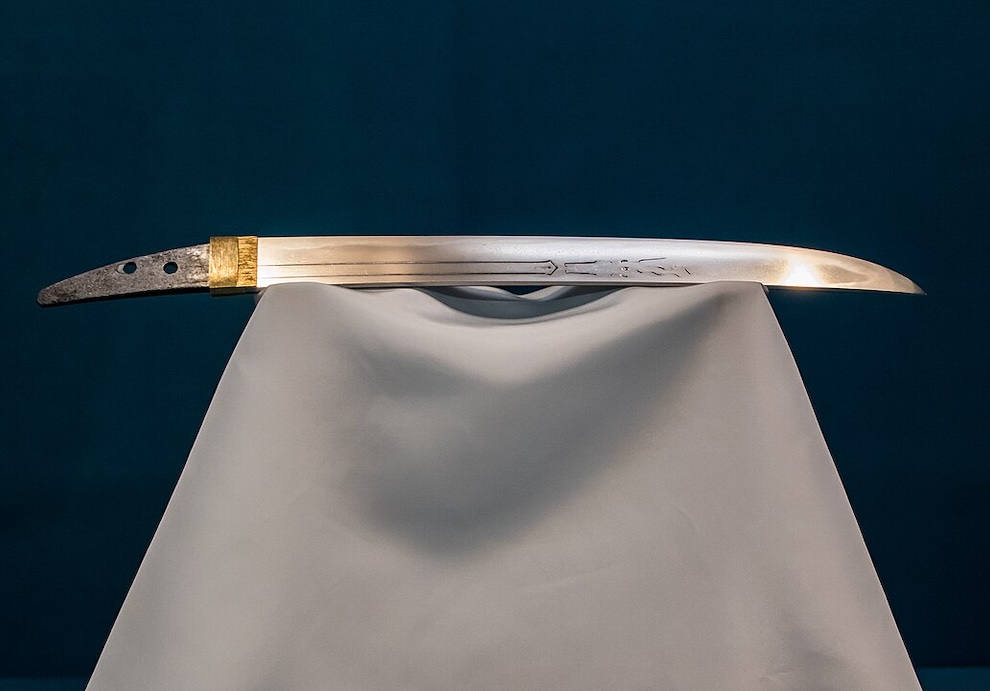
Measuring between twelve and twenty-four inches in blade length, the wakizashi served as the auxiliary sidearm of the samurai class. When worn together with the katana, the pair formed the daisho, meaning large and small, the exclusive visual symbol of samurai rank under the laws of the Tokugawa shogunate. While a samurai was required to leave his long katana at the entrance when entering a lord’s castle or a private residence, the wakizashi remained tucked into his sash at all times, making it the primary weapon for indoor fighting, low-ceilinged corridors, and ritual seppuku.
Tanto: The Armor-Piercing Dagger
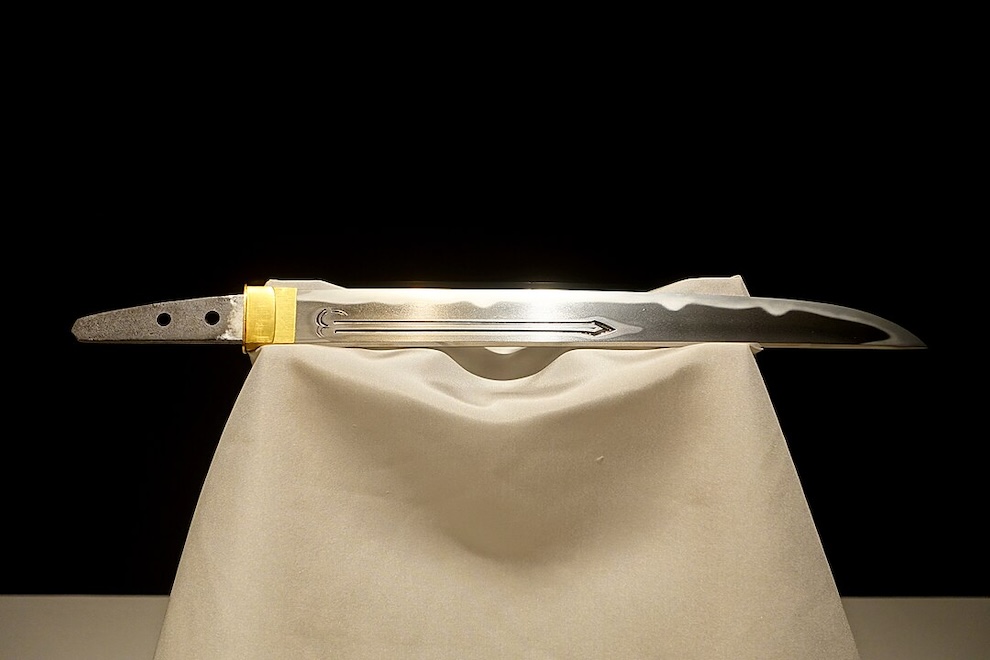
Any Japanese blade measuring less than one shaku—approximately twelve inches—was classified as a tanto. Despite its compact size, the tanto was forged with the exact same folded tamahagane steel and clay-tempering care as a full-length sword. During the Sengoku period, thick, unyielding tanto designs known as yoroi-doshi were carried on the right hip specifically for grappling on the battlefield, allowing a warrior to drive the reinforced point directly through the silk lacings and iron plates of an opponent’s lamellar armor.
Nodachi and Odachi: The Battlefield Greatswords
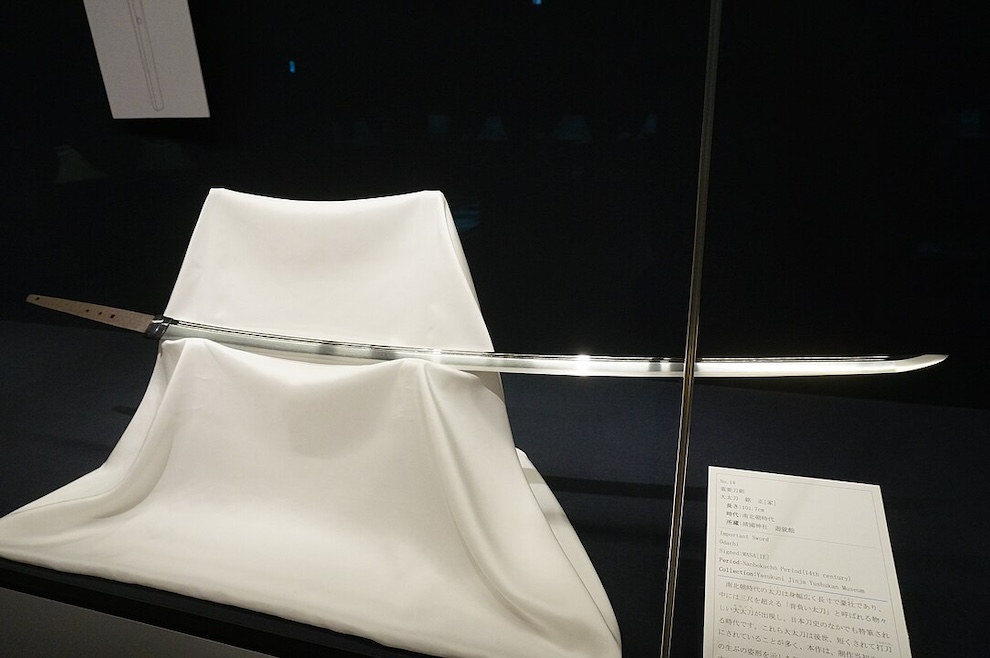
Towering over standard swords, the nodachi (field sword) and odachi (great sword) featured blades exceeding thirty-five inches, with surviving historical examples reaching over five feet in total length. Because their extreme length made it physically impossible to draw them from a waist sash, samurai either carried these colossal weapons slung across their backs or employed an attendant to hold the scabbard while they drew the blade. On the open battlefield, vanguard warriors swung the nodachi with two hands to shatter enemy cavalry formations, cleave horse legs, and snap wooden spear shafts.
Nagamaki: The Long-Hilted Cleaver
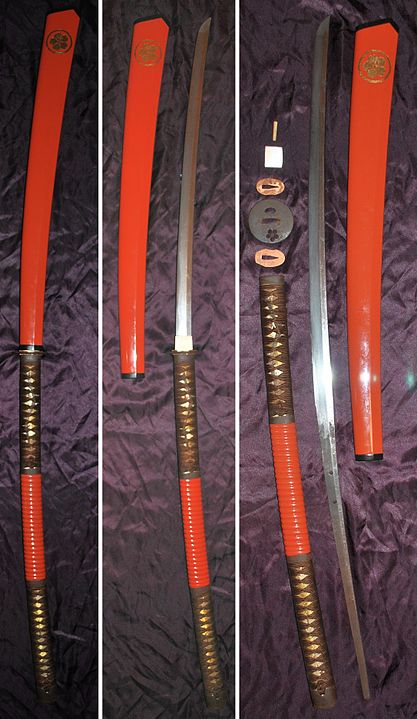
Often mistaken for a polearm, the nagamaki was a specialized two-handed sword whose defining feature was its extraordinary proportion: a massive three-foot katana-style blade paired with an equally long three-foot wooden hilt wrapped in criss-crossed silk or leather cords. Unlike a spear, the nagamaki was held with the hands spaced widely apart along the wrapped handle, using leverage rather than reach to generate immense chopping torque against armored knees, helmets, and pikes during the wars of the fourteenth through sixteenth centuries.
Kodachi: The Short Tachi
Straddling the line between a short sword and a long dagger, the kodachi measured just under two feet in length and was mounted in traditional tachi fittings, worn suspended with the cutting edge facing downward. Because of its light weight and centered balance, the kodachi could be drawn with blinding speed and wielded with a single hand. It was favored by high-ranking nobles traveling in confined palanquins, young samurai who had not yet reached full physical stature, and martial artists who paired it with a long sword in two-sword fencing schools.
Ninjato: The Straight Shinobi Blade
While historical shinobi agents during the feudal era frequently carried modified wakizashi or shortened katanas, martial tradition preserves the distinct profile of the ninjato, also known as the shinobigatana. Shorter than a standard katana to prevent the scabbard from snagging in tight rafters or dense brush, the weapon featured a straight blade fitted with a square iron handguard called a tsuba. The oversized scabbard was engineered as a multi-purpose survival tool: its hollow tip could hold blinding powders or serve as a snorkel, while the sturdy handguard acted as a foothold when scaling castle walls.
Shikomizue: The Concealed Cane Sword
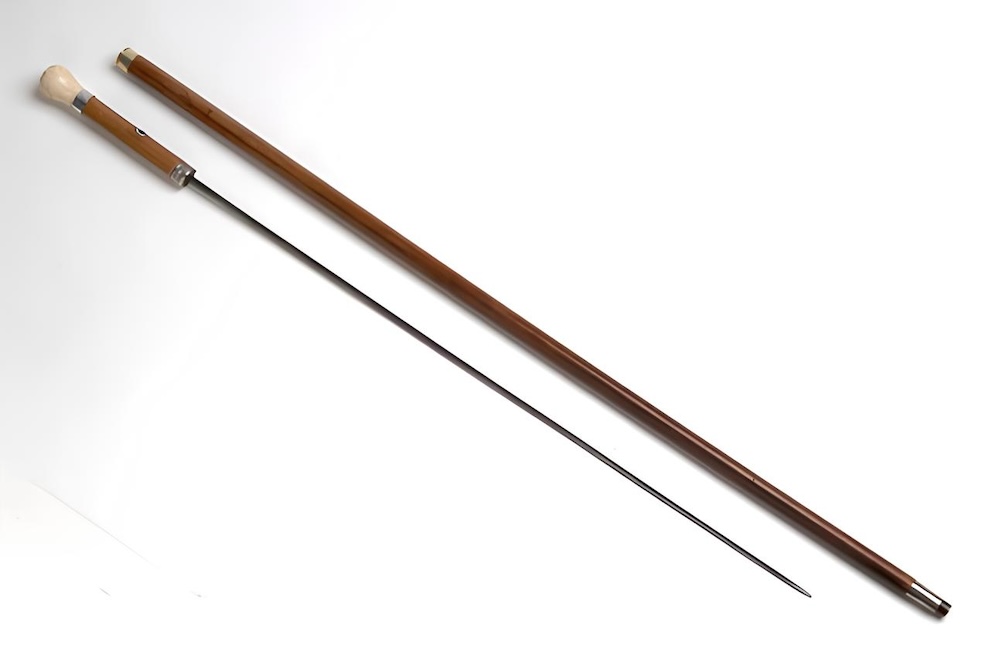
During periods of strict weapons policing and later during the Meiji Restoration’s Sword Abolishment Edict of 1876, the shikomizue emerged as a disguised blade housed inside a plain wooden walking stick or bamboo staff. Because a traditional curved katana required a noticeably curved cane, smiths forging shikomizue blades opted for straight or nearly straight profiles that slid invisibly into a straight wooden shaft. Without a handguard to betray its silhouette, the weapon appeared indistinguishable from a traveler’s walking aid until drawn in self-defense.
Gunto: The Twentieth-Century Military Sword
The final chapter of Japanese military sword production arrived between the Meiji era and the end of World War II with the gunto. Issued to officers and non-commissioned officers of the Imperial Japanese Army (shin-gunto) and Navy (kai-gunto), the vast majority of these blades were mass-produced in arsenals using oil-tempered western mill steel rather than traditional water-quenched tamahagane. However, many wealthy officers coming from ancient samurai lineages took their family’s centuries-old ancestral blades and had them remounted inside regulation military scabbards, blending medieval craftsmanship with modern warfare.