In the spring of 1996, in the quiet industrial village of Kaolinovy outside the town of Kyshtym in Russia’s southern Ural Mountains, an elderly pensioner suffering from psychiatric illness carried home a tiny, whimpering bundle wrapped in a blanket that she had found in the woods near a local well. Naming the creature Alyoshenka—an affectionate diminutive of the Russian boy’s name Alexei—she nursed it for weeks like an infant grandchild until she was hospitalized and the creature died alone in her apartment. When local police investigators subsequently filmed the mummified ten inch remains, the bizarre anatomy of the Kyshtym Dwarf sparked decades of international speculation, only for modern science and local tragic history to point toward a heartbreaking environmental explanation.
Tamara Prosvirina’s Discovery in May 1996
The story began on a stormy night in May 1996 when Tamara Vasilyevna Prosvirina, an elderly woman living alone in Kaolinovy who struggled with paranoid schizophrenia, heard what she believed was a mental voice calling her to go outside into the birch forest during a thunderstorm. Returning to her small apartment, she began telling neighbors that she now had a baby boy named Alyoshenka. Initially, villagers assumed the lonely widow was simply cradling a plastic toy doll.
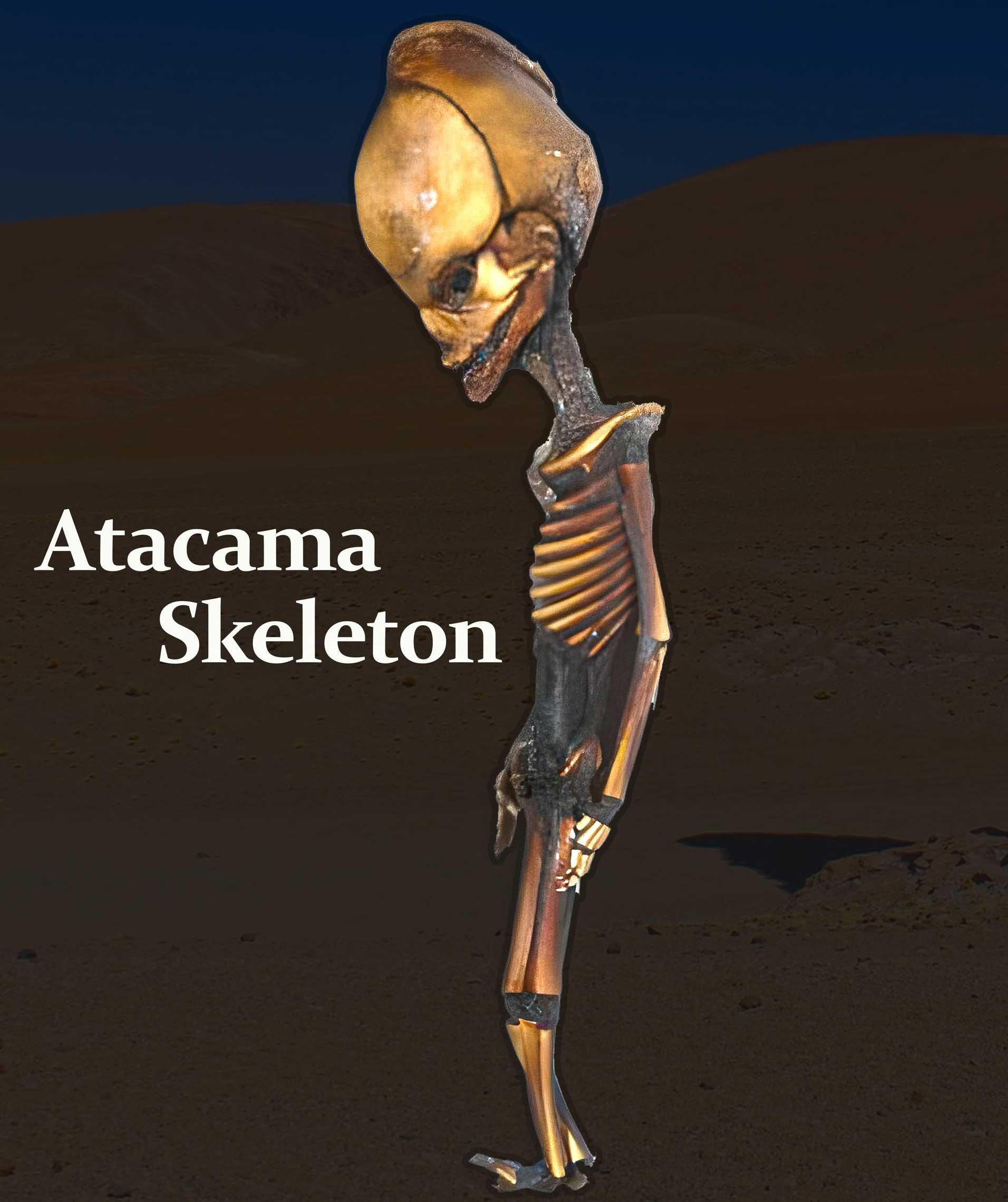
However, several people who visited Prosvirina’s apartment—including her daughter in law and a local acquaintance named Vladimir Nurdinov—later insisted to reporters that what lay wrapped in cloths on her bed was alive. According to these witnesses, the diminutive figure measured roughly twenty to twenty five centimeters (eight to ten inches) long, possessed greyish brown skin devoid of hair, large dark eyes without visible eyelids, a small slit for a mouth that whimpered softly, and a skull shaped like a pointed onion dome formed by four distinct bone plates meeting at a central ridge. For nearly a month, Prosvirina fed the frail creature condensed milk and cottage cheese until late May, when paramedics arrived during an acute psychiatric episode and took the protesting old woman to a psychiatric hospital, ignoring her desperate pleas that her “baby” would starve to death if left behind.
Police Investigation, Video Footage, and the Vanishing Body
While Prosvirina was confined in the hospital, the creature died in the empty apartment. Discovering the decomposing body days later, Vladimir Nurdinov took the tiny corpse, washed it in spirits, and laid it out on a flat roof in the summer sun until it dried into a hard, shriveled mummy. Only in August 1996, when Nurdinov was arrested by Kyshtym police officer Major Vladimir Bendlin for an unrelated theft of electrical copper wire, did Nurdinov hand over the mummified body wrapped in a red cloth.

Stunned by the appearance of the dried remains, Major Bendlin pulled out his personal video camera and filmed an investigative record that later aired on television around the world: laying a ruler beside the twenty five centimeter corpse, zooming in on its vaulted, keel shaped cranium, elongated eye sockets, crossed arms, and strange pelvic proportions. Bendlin stored the body inside his home refrigerator while consulting local medical staff at the Kyshtym hospital. While a local pathologist suggested it was a deformed human fetus of roughly twenty to twenty five weeks gestation, a local gynecologist and urologist expressed confusion over its fused skull ridges and small ribcage. Seeking a definitive answer, Bendlin foolishly handed the mummy over to a flamboyant UFO group calling itself Star Academy UFO Galaxy—who promptly drove off with the body and claimed it had vanished forever, leaving behind only Bendlin’s video tape and the bloodstained wrapping cloth.
DNA Analysis and the Shadow of the 1957 Mayak Nuclear Disaster
For years, Japanese television crews and paranormal writers offered hundreds of thousands of dollars for the missing corpse, spinning tales of crash landed extraterrestrials. Yet when geneticists at the Vavilov Institute of General Genetics in Moscow later extracted DNA from blood and tissue residues preserved on the original cloth that had wrapped Alyoshenka, the laboratory results dismantled the alien myth completely: the genetic material belonged indisputably to a human female suffering from multiple severe congenital chromosomal abnormalities and cranial deformations.
Why would a prematurely born or stillborn human fetus in the woods outside Kyshtym exhibit such extreme, almost unrecognizable skeletal mutations? The answer lies directly in the soil and water of the Chelyabinsk region itself. Just miles away from Kaolinovy sits the Mayak Production Association nuclear complex, the site of the September 1957 Kyshtym Disaster—the third worst nuclear accident in human history after Chernobyl and Fukushima—when a cooling failure caused a tank of liquid radioactive waste to explode, blanketing hundreds of square miles of the East Ural Radioactive Trace in plutonium and strontium 90 alongside decades of radioactive dumping into the Techa River. Combined with rare congenital conditions such as cloverleaf skull syndrome (kleeblattschadel) or progeroid dysplasia, the tragic life and death of Alyoshenka was not a visitation from outer space, but a somber human consequence of premature abandonment and one of the most heavily contaminated industrial landscapes on Earth.