- Ciguapa is a nocturnal creature with backward-bent feet and partridge-like cries.
- First mentioned in 1866, its origins are debated between colonial and pre-Hispanic times.
- The origin theories include Africa, Ciguayos, or Taino survivors.
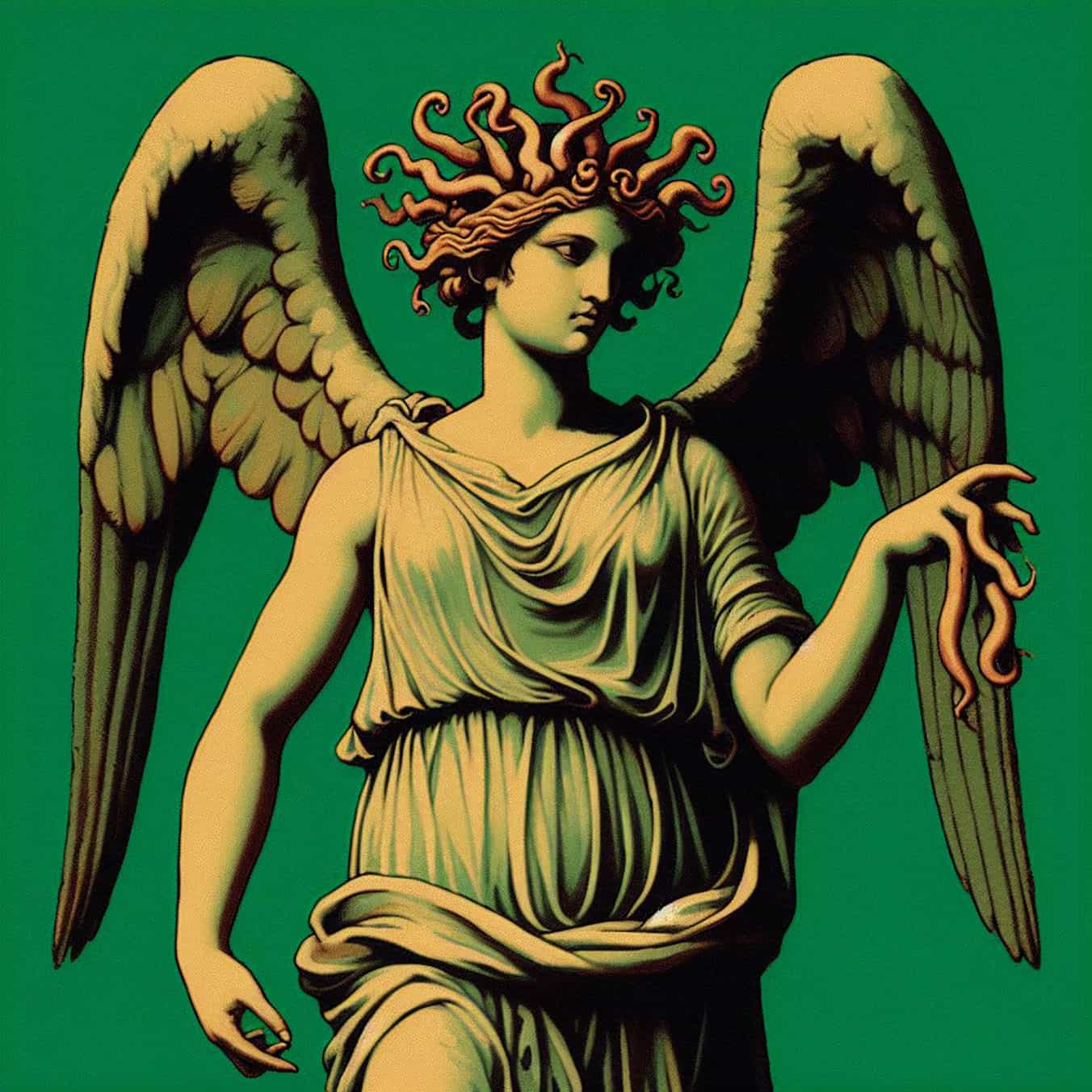
Dominican legend has it that the Ciguapa is a mythical beast that lives in the country’s mountain ranges. A legendary female monster with feet bent backward, the Ciguapa (from Nahuatl, cihuatl, “woman”) makes high-pitched noises like a partridge’s call. It is said to be able to bewitch men and only appears at night at the edge of water currents in myths and legends. However, during nights of the waxing moon, a white dog may aid in capturing ciguapas, despite the fact that the ciguapas’ grief at their capture often leads to their untimely deaths. These creatures are also known as maboyas in Dominican folklore.
Various Remarks on Ciguapa
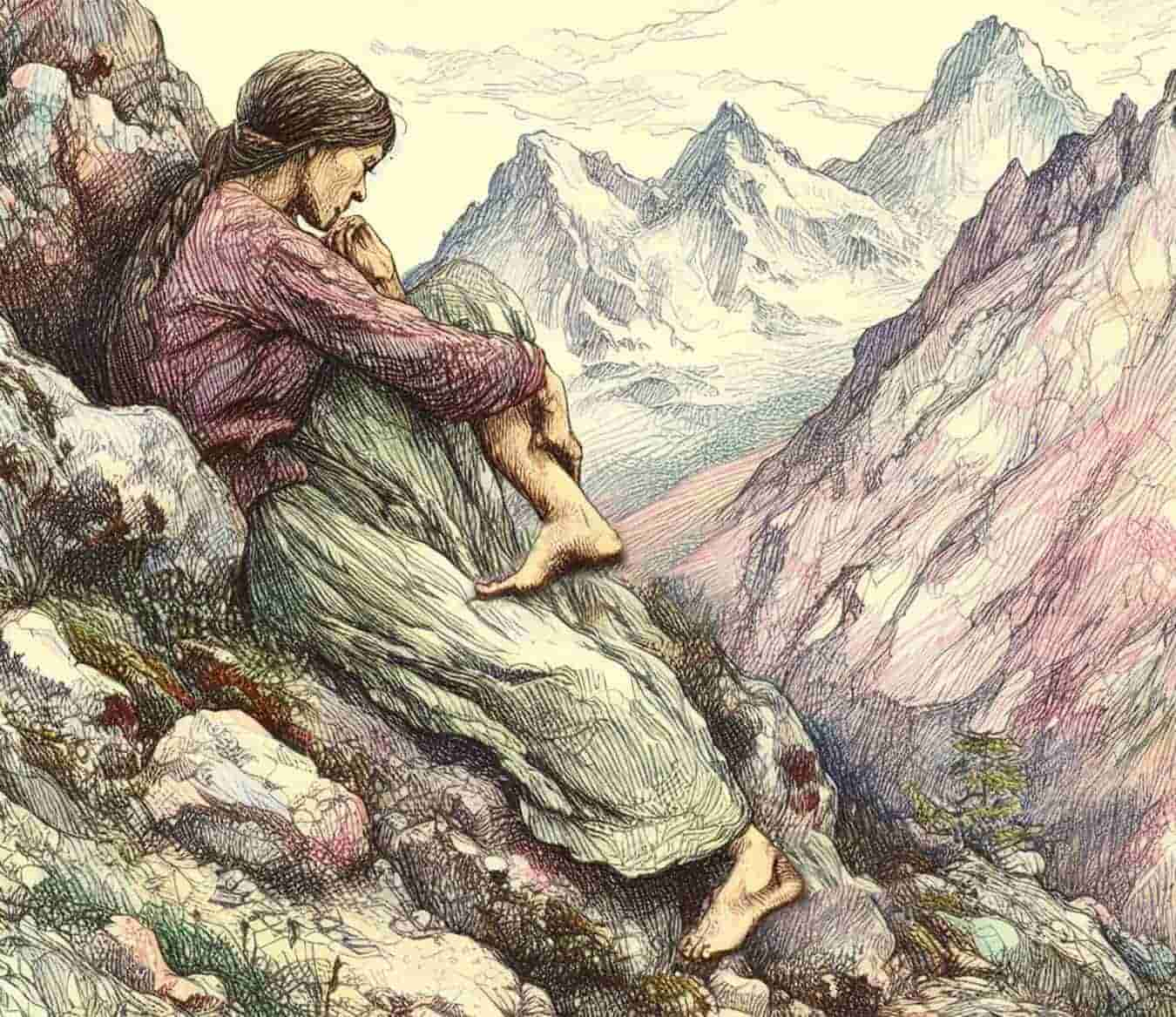
Ciguapa was probably a Dominican woman with foot deformities who isolated herself from the community and lived in the mountains. First mentioned in print in 1866 by Dominican author Javier Angulo y Guridi, the ciguapa’s origins were not known until the 19th century. With works like a well-known play from 1867 and the 1866 short story “The Ciguapa,” both of which drew inspiration from Dominican folklore, he founded the Indianist (for indigenous) literary movement in the Dominican Republic.
Some historians date the ciguapa to the colonial period, while others believe it has pre-Hispanic roots.
The Spanish-Dominican historian Cipriano de Utrera, who first heard about the Ciguapa tale in 1911, supposedly had this to say about them in 1951:
“As such a property of reversely turned feet would necessarily have to be said about a non-human animal species, everyone considers it a hoax and something that we do not remember reading anything written about the Ciguapa. However, the antiquity, apparently, is respectable, if only for the first foundation, of the rarity that goes beyond the limits of the Spanish.”
Utrera explains that he ultimately boiled it down to a connection of likeness with the paintings that the aristocratic people of Spain and Italy saw as odd entities.
Her Alleged Appearance
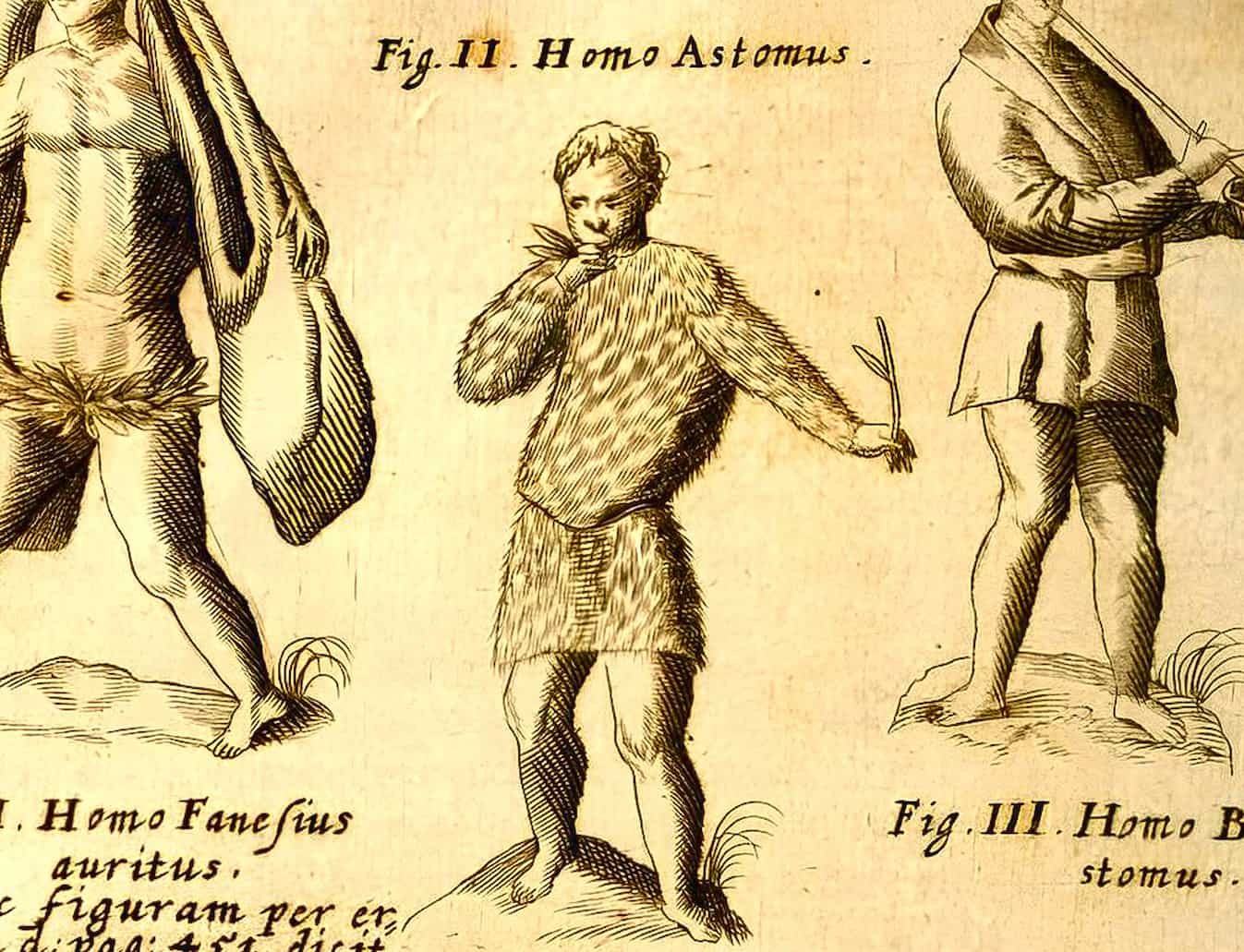
A companion of Columbus and bishop of Santo Domingo, Alessandro Geraldini (1455–1524) writes in his Itinerarium ad Regiones sub Equinoctiali that there were wild individuals whose entire bodies were wrapped in lengthy hair, except for their feet, hands, knees, and faces, in a very remote part of the island to the north, in front of a very high and absolutely inaccessible mountain. Due to their walking in reverse, their tracks cannot be used to determine direction.
According to Geraldini, this entity was a common subject for wall painting in the halls and patios of wealthy homes in Spain and Italy. These people didn’t talk to anyone else. If they happened to be on the plain and spotted a traveler, they would immediately make their way back up the mountain. No horse was quicker than those barbarians, and none could catch them.
The ciguapa is primarily a part of the folklore of the Dominican Republic, Cuba, Puerto Rico, and even Central America.
Historical Roots of the Ciguapa Myth
Africa
Many people don’t know where this beast of Ciguapa came from. But there’s been a theory floating around that says it all started in Africa. The difficulty is that the myth didn’t emerge until a very late time and is completely absent from other Afro-American groups, including those of Haiti.
People of Samana
Some people think the Ciguapa was named after the Ciguayos, the indigenous people who inhabited the Samana Peninsula. They were the island’s protectors since the time the Carib people of a neighboring island put an eye on their home on the Bay of Samana. This bay was on the side of the island where the Ciguayos allegedly lived.
They reportedly slept with their feet pointed toward the sea and the rest of their body facing wherever they were staring in order to be ready for an assault by the Caribs at any moment. According to legend, the Ciguapa also faces in the opposite direction her feet are pointing, for the same reason.
The Spanish Conquistadors
However, the arrival of Christopher Columbus and the invasion of the Spanish conquistadors could have something to do with the beginnings of the Ciguapa myth. Many of the historic Indigenous people of the Caribbean, like the Taino, were slaves after the Spanish invasion, forcing many more to escape.
The last of the Taino may have concealed themselves in the mountains, underground tunnels, and caverns to escape being captured by the Spanish; this is where the mythology of the Ciguapa probably originated.
A lady with long hair, a white complexion, blue eyes, and strolling half-naked was supposedly spotted emerging from a cave. She would rob them of food, clothing, and other necessities, like a mermaid. This kind of conduct was thought to be characteristic of demons, witches, or other otherworldly creatures.
Taino Who Lived in Caves
However, it’s possible that the Ciguapas were really descended from a group of indigenous Taino people who lived underground and made it to the modern day.
A legendary creature known as a Ciguapa is said to frequent the rural parts of the Dominican Republic and Holguin, Cuba. Dominicans who fought for Cuban independence may have taken the myth of this person with them.
Many elements from other folktales occur in the myth of Ciguapa: witches, elves, fairy spirits, enchantresses, nymphs, sirens, succubus, and other supernatural beings. The reason for their backward feet could be due to a condition today called genu recurvatum.