By using this site, you agree to the Privacy Policy.
Accept
MalevuzMalevuz
  • HISTORY
  • SCIENCE
  • BIOGRAPHY
MalevuzMalevuz
Search
  • HISTORY
  • SCIENCE
  • BIOGRAPHY
Follow US
Malevuz > Myth > Was Scepter: An Egyptian Staff of Hegemony and Authority
Myth

Was Scepter: An Egyptian Staff of Hegemony and Authority

Hrothsige Frithowulf
ByHrothsige Frithowulf
History Editor
Hrothsige is a history writer at Malevus. He has a bachelor's in history from the University of Exeter. Hrothsige's areas of historical interest encompass the ancient...
- History Editor
7 June 2025
Share
5 Min Read
SHARE
  • The Was scepter was a symbol of power in ancient Egypt.
  • It originally might have been used as a cattle herding stick.
  • Deities like Ptah, Seker, Osiris, and goddesses like Satis and Bastet were depicted carrying the Was scepter.

In Egyptian mythology, the Was scepter represented power, strength, and dominance; it had the form of a straight rod topped with the head of a mythological beast and ended in a fork. The Ankh, signifying life, and the Djed pillar, representing stability and dominance, may also appear with this scepter.

Contents
  • History of the Was Scepter
  • Was, a Scepter of God
  • Symbolism of the Was Scepter
    • Thebes
    • Earliest Appearances
  • Bull as the Origin of the Was Scepter
was scepter Hieroglyphic
Three types of Was scepter hieroglyphics.
buy amoxicillin online https://www.urologicalcare.com/wp-content/uploads/2024/10/jpg/amoxicillin.html no prescription pharmacy

History of the Was Scepter

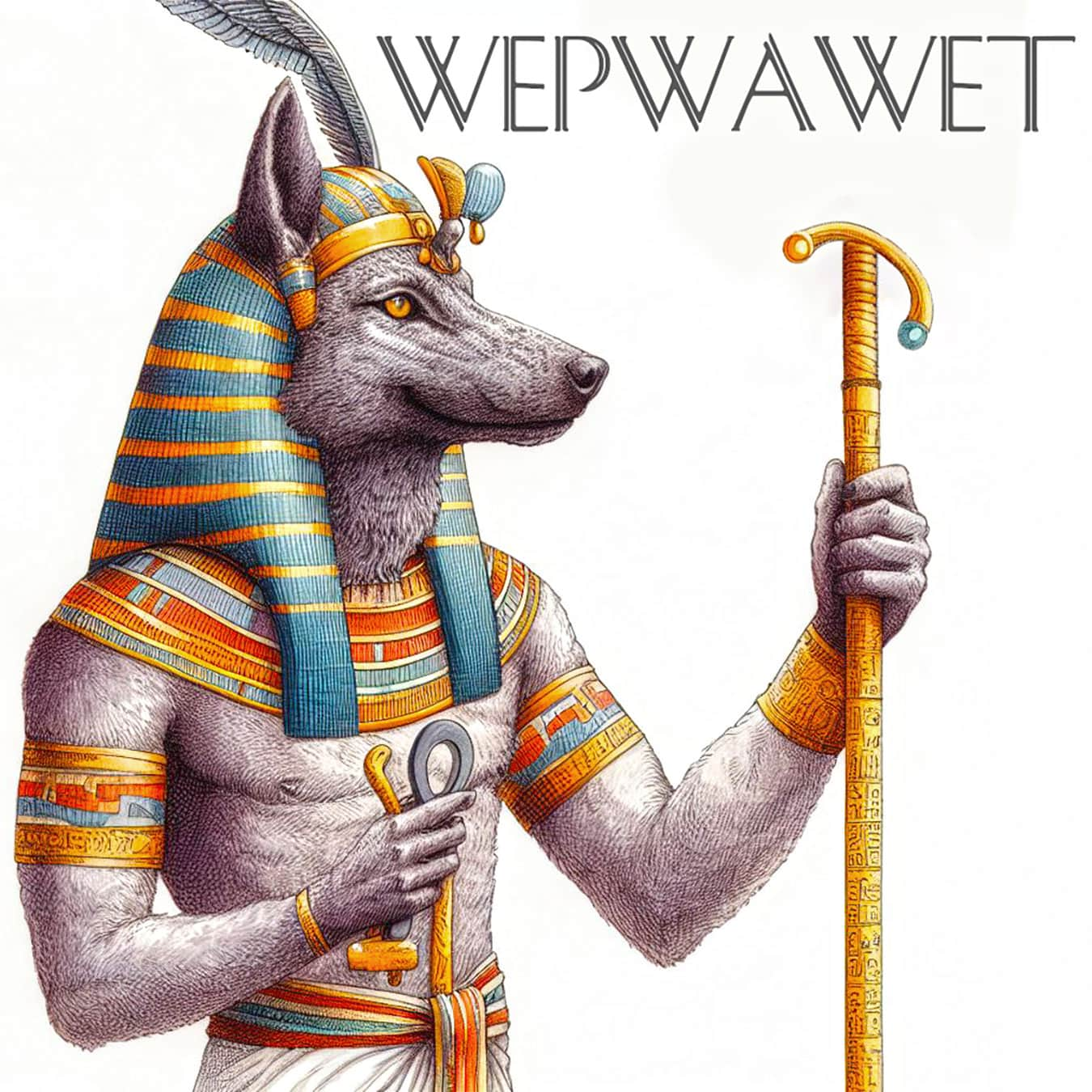
Wepwawet with a Was scepter.
Wepwawet with a Was scepter. (Eternal Space, cc by sa 4.0)
  • See also: Wepwawet: An Egyptian Deity Who Carries a Was Scepter

One of the most well-liked Egyptian talismans, the Was scepter stood for hegemony and authority. During the predynastic era of Egypt, the Was scepter may have been used as a stick for herding cattle before becoming a symbol of authority and strength. A person with a staff resembling the Was scepter is pictured in “Tomb 100” in Hierakonpolis.

The Was scepter was consistently linked to prosperity in funeral settings.

Was, a Scepter of God
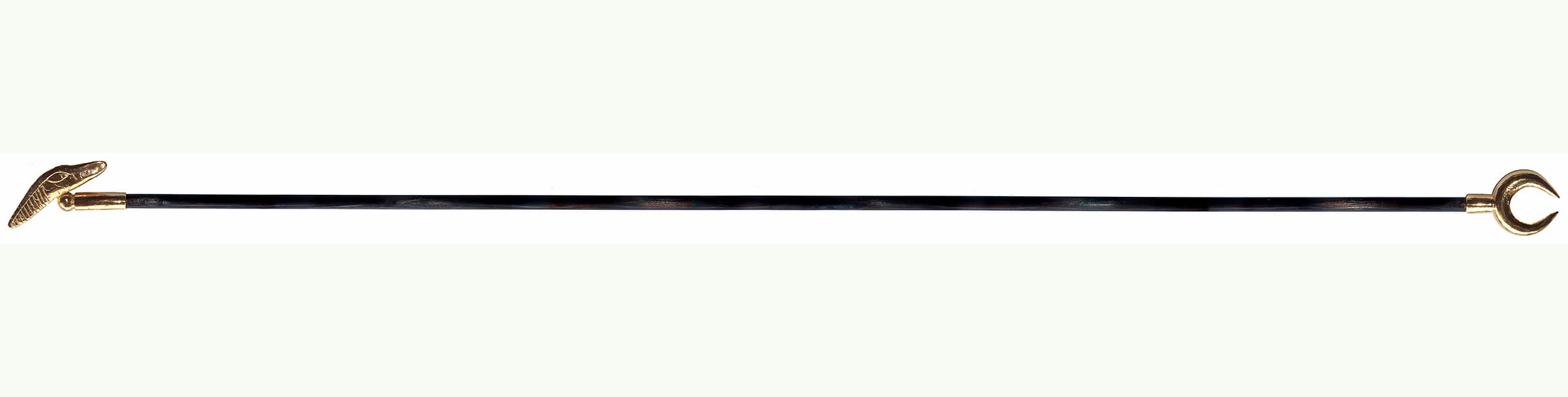
A 66-inch-long Was scepter replica
A 66-inch-long Was scepter replica by Sergio Fabris.

Ptah, Seker, and later Osiris were shown with the Was scepter in temple reliefs, tombs, and steles. In the chapel of Ramesses II in the Medinet Habu temple, Amun-Ra and Khonsu were seen holding it, as were Ra-Horakhty in Tutankhamun’s tomb, Seth on the Year 400 Stele at Tanis, and the ancient deities Khepri or Igai.
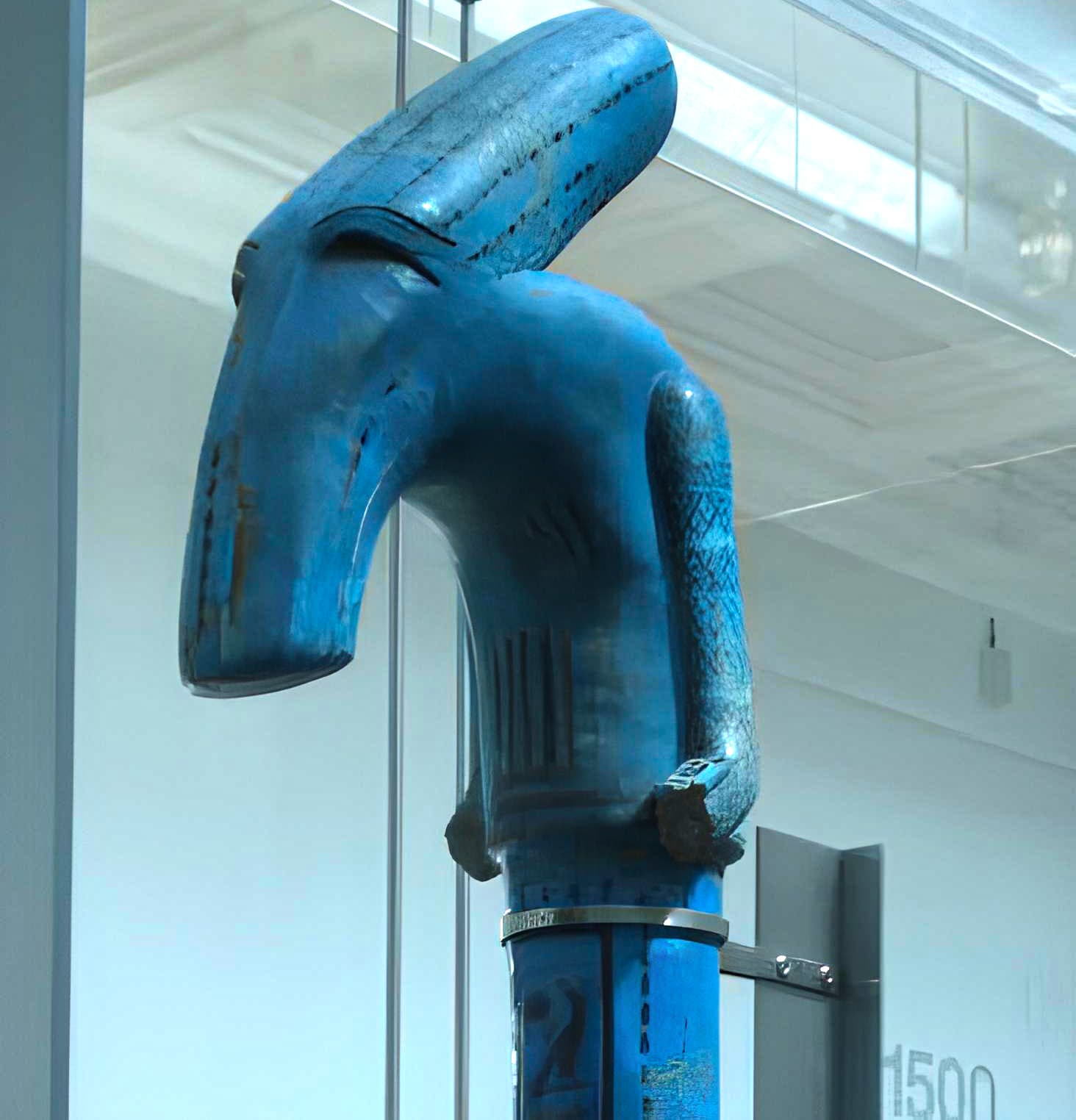
Head of the monumental Was sceptre discovered in 1895 in Ombos.
Head of the monumental Was sceptre discovered in 1895 in Ombos. (Soutekh67, cc by sa 4.0, improved from original)

Although it was usually associated with deities, goddesses like Satis and Bastet were not immune to carrying the Was scepter on occasion.

More Read

lemuria map
Lemuria: The Lost Continent that Sank in the Indian Ocean
Astomi (Astomoi): Ancient Breatharians Who Didn’t Eat or Drink
Adikia: A Minor Greek Deity and Her Story
Ceto: Primordial Sea Goddess and Monster

Symbolism of the Was Scepter

Thebes

The Was scepter is a staff depicting an ancient Egyptian emblem. The end is shaped like a stylized animal head, the base is forked, and the shaft may be straight or wavy. It is unclear why the ancient Egyptian city of Waset, also known as the “City of the Was Scepter,” was renamed by the Greeks as Thebes or Thebai.
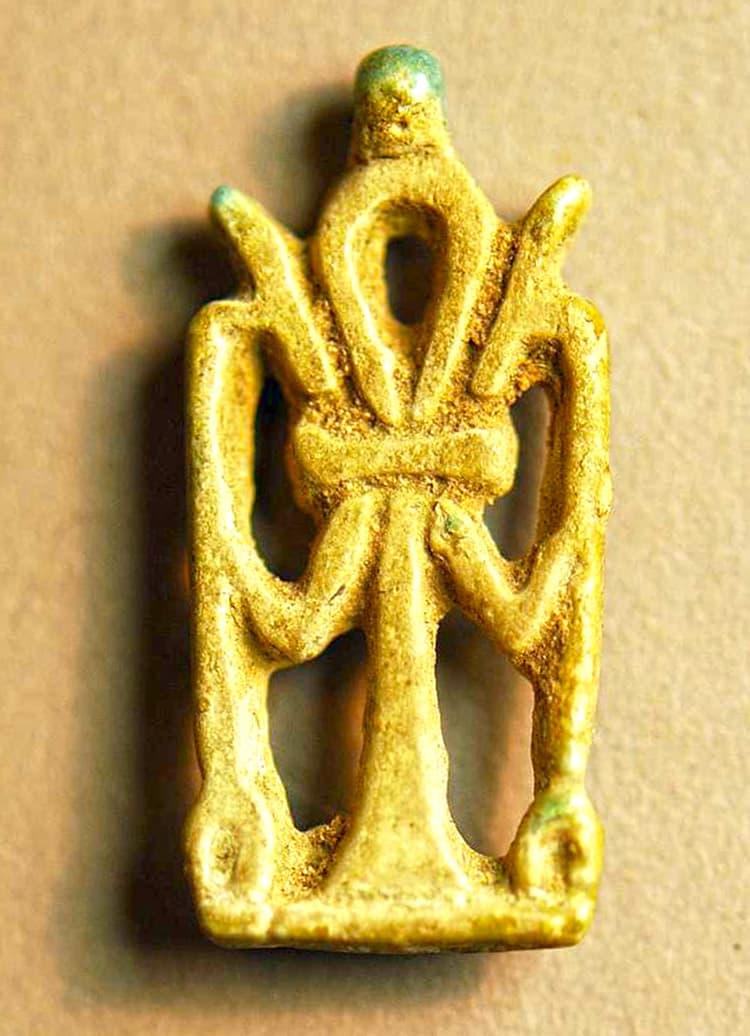
Amulet with an ankh and two Was scepters.

This scepter is most often connected with the monarch and the gods, representing strength and good fortune.

buy Viagra Black online in the best USA pharmacy https://newonlineandblo.com/ no prescription with fast delivery drugstore

Ptolemaic and Roman temple scenes sometimes show the presentation being made by the monarch to the gods. In addition, it is often used as an emblem in place of the king’s name.

Earliest Appearances
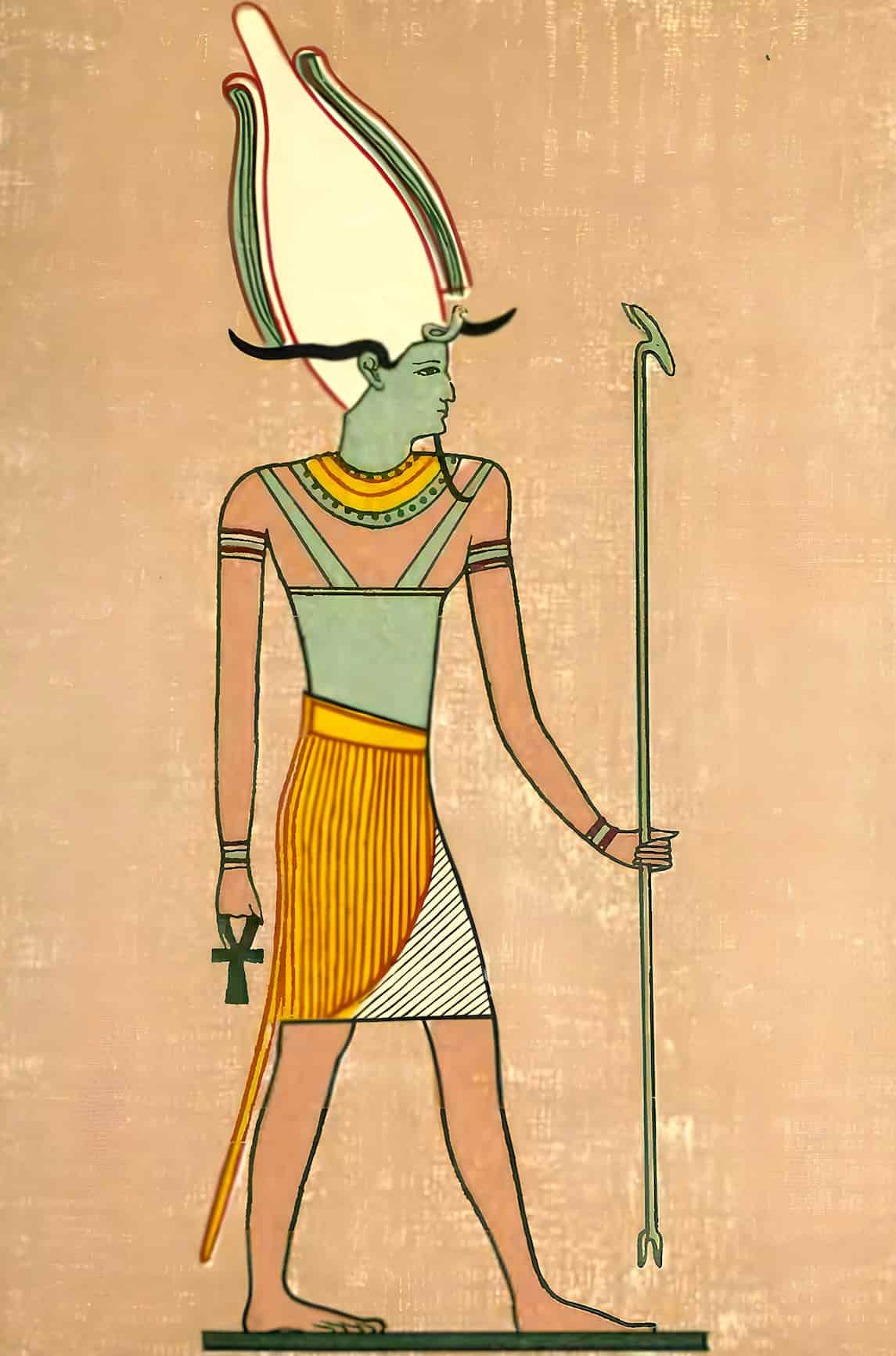
Osiris, chief of the Gods of Tuat, with the Was scepter.

In Upper Egypt, the Was scepter represents the 4th and 19th nomes, a territorial division. As a cult icon, it stands in for the gods Waset, Wasiti, Igai, and Iat and is also regarded as a divine being in its own right.

The earliest appearances of the Was sign are on ancient Egyptian monuments, where it is shown as a pillar of the sky or a celestial scepter. Its history and original significance are the subject of much speculation.

More Read

Eurynome
Eurynome: Primordial Deity, the Daughter of Oceanus and Tethys
Suttungr: A Jotun in Norse Mythology
Asag: A Sumerian Demon Whose Presence Boils Rivers
Menoetius (Son of Actor)
buy xifaxan online https://www.urologicalcare.com/wp-content/uploads/2024/10/jpg/xifaxan.html no prescription pharmacy

Some have speculated that it was inspired by a stick used for driving donkeys, while others have said that it is a stylized giraffe, snake-necked panther, or even a tool for capturing snakes. Some Ramesside-period tombs show shepherds carrying Was-shaped sticks, suggesting that this scepter might have doubled as a shepherd’s crook.

The Was scepter is kept alive physically by ritual sacrifices, ceremonial burials, and protective artifacts.
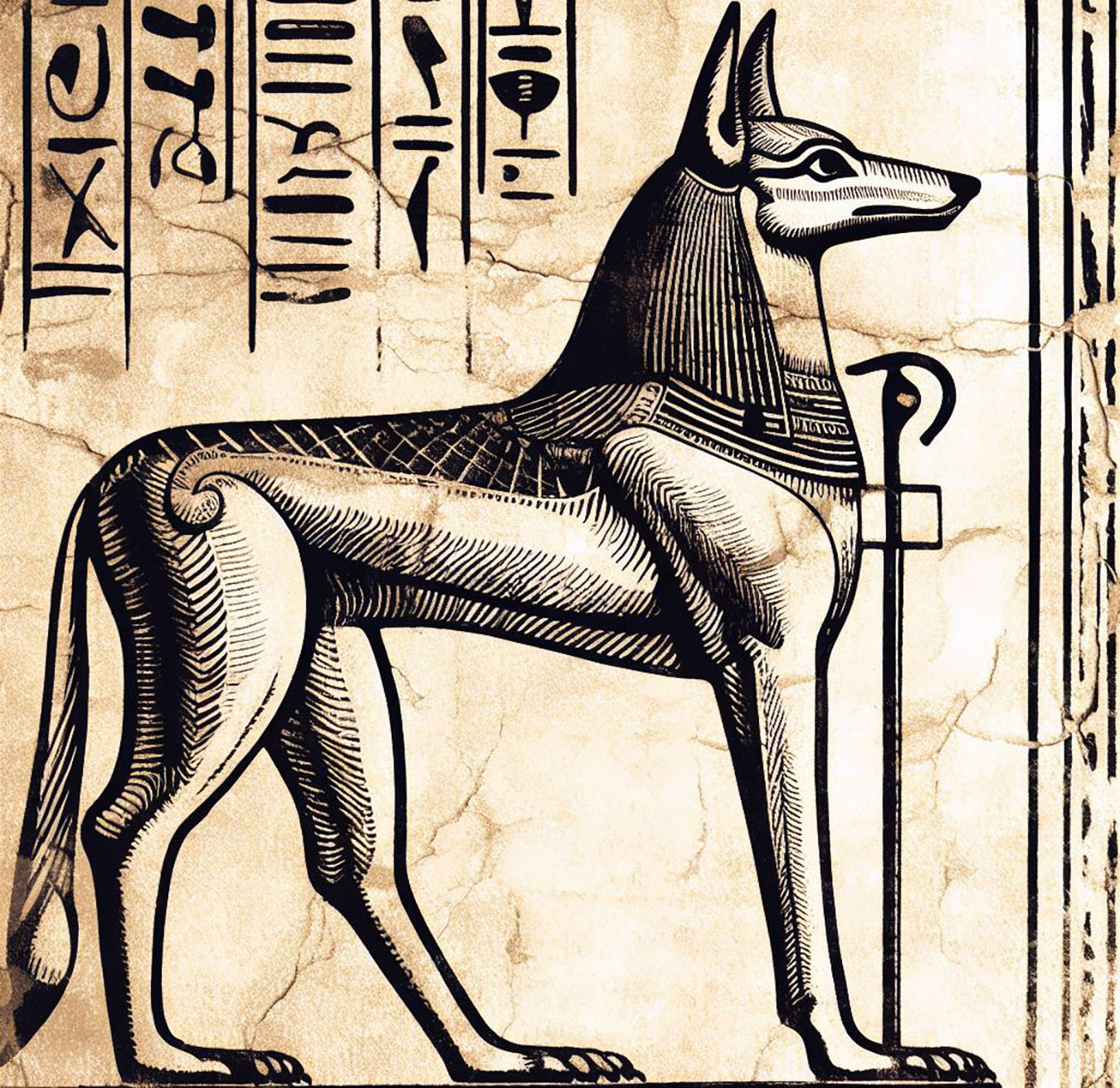
Was Scepter
Wepwawet, the Egyptian deity of funerary rites, with a Was scepter. (©Malevus)

Bull as the Origin of the Was Scepter

It was speculated in Andrew H. Gordon and Calvin W. Schwabe’s 2004 book “The Quick and the Dead” that the Ankh, Djed, and Was symbols were inspired by various anatomical features of the bull that were widespread in these societies.

  • The Ankh – symbol of life – vertebra of a bull
  • The Djed – symbol of stability – sacrum of the animal
  • Wosret – The Was scepter is the symbol of this goddess and its name might have derived from her.
Share This Article
Email Copy Link Print
ByHrothsige Frithowulf
History Editor
Hrothsige is a history writer at Malevus. He has a bachelor's in history from the University of Exeter. Hrothsige's areas of historical interest encompass the ancient world and early Europe, along with the history of modern culture.
Previous Article Wepwawet Wepwawet: An Egyptian Deity of Funerary Rites
Next Article Indricotherium (Paraceratherium or Baluchitherium), biggest land mammal in history Indricotherium: The Largest Mammal Ever to Walk the Earth

Latest News

985px Landing of Lieutenant James Cook at Botany Bay 29 April 1770 painting by E Phillips Fox

Top 10: The Greatest Knights in History

Knights were the medieval equivalent of elite soldiers, and many…

List
3 November 2026
Charles Rolls driving a Peugeot 1896
List

10 of the Craziest Laws in History

For more than 4,000 years, humans have devised new laws…

18 October 2026
Ikinci Meksika Imparatorlugu
History

Why Did the Second Mexican Empire Collapse?

The Second Mexican Empire did not collapse because of a…

14 April 2026
A painting depicting Aboriginal Tasmanians attacking John Allen’s Milton Farm near Great Swanport in 1833.
History

Colonialism in Tasmania

The colonization of Tasmania was not a simple story of…

14 April 2026

You Might Also Like

Eurynomos
Myth

Eurynomos: A Daemon in Ancient Greek Mythology

6 June 2025
Ciguapa, Women with Backward Feet
Myth

Ciguapa: Myth of the Dominican Women with Backward Feet

30 September 2024
Epiales
Myth

Epiales: The Daemon of Nightmares

16 June 2025
Heliades
Myth

Heliades: The Daughters of Helios and Clymene

6 June 2025
  • Privacy Policy
  • About us
  • Editorial Standards

© Malevuz. All Rights Reserved.

Welcome Back!

Sign in to your account

Username or Email Address
Password

Lost your password?