In the rugged, blood-soaked cosmos of Norse mythology, the ability to compose skaldic poetry and speak with divine wisdom was not merely an artistic talent you practiced; it was a literal, intoxicating liquid substance stolen from the realm of the giants by the Allfather Odin himself. At the center of this foundational myth—preserved in the thirteenth-century Prose Edda of Snorri Sturluson and the Viking Age poem Havamal—stands the powerful frost giant (Jotun) Suttungr, who avenged the murder of his parents by seizing the precious Mead of Poetry (Odrerir) and locking it inside a solid mountain fortress before being outwitted in the most dramatic heist in Scandinavian legend.
The Blood of Kvasir and the Murder of Gillingr
To understand how Suttungr acquired the greatest treasure in the Nine Worlds, one must trace the gruesome creation of the Mead of Poetry. Following the ancient war between the two tribes of Norse gods, the Aesir and the Vanir, all the gods sealed their peace treaty by spitting into a single vat. From that mingled divine saliva, the gods fashioned Kvasir, a man so infinitely wise that no question existed in the universe that he could not answer. Traveling across the world to share knowledge with humanity, Kvasir was treacherously murdered by two malicious dwarves named Fjalar and Galar, who drained every drop of his blood into two vats called Son and Bodn and a kettle named Odrerir. Mixing Kvasir’s blood with golden honey, the dwarves brewed a magical mead that turned anyone who drank a single sip into a master poet and scholar, while telling the gods that Kvasir had simply choked to death on his own overwhelming intelligence because no one was smart enough to ask him enough questions.
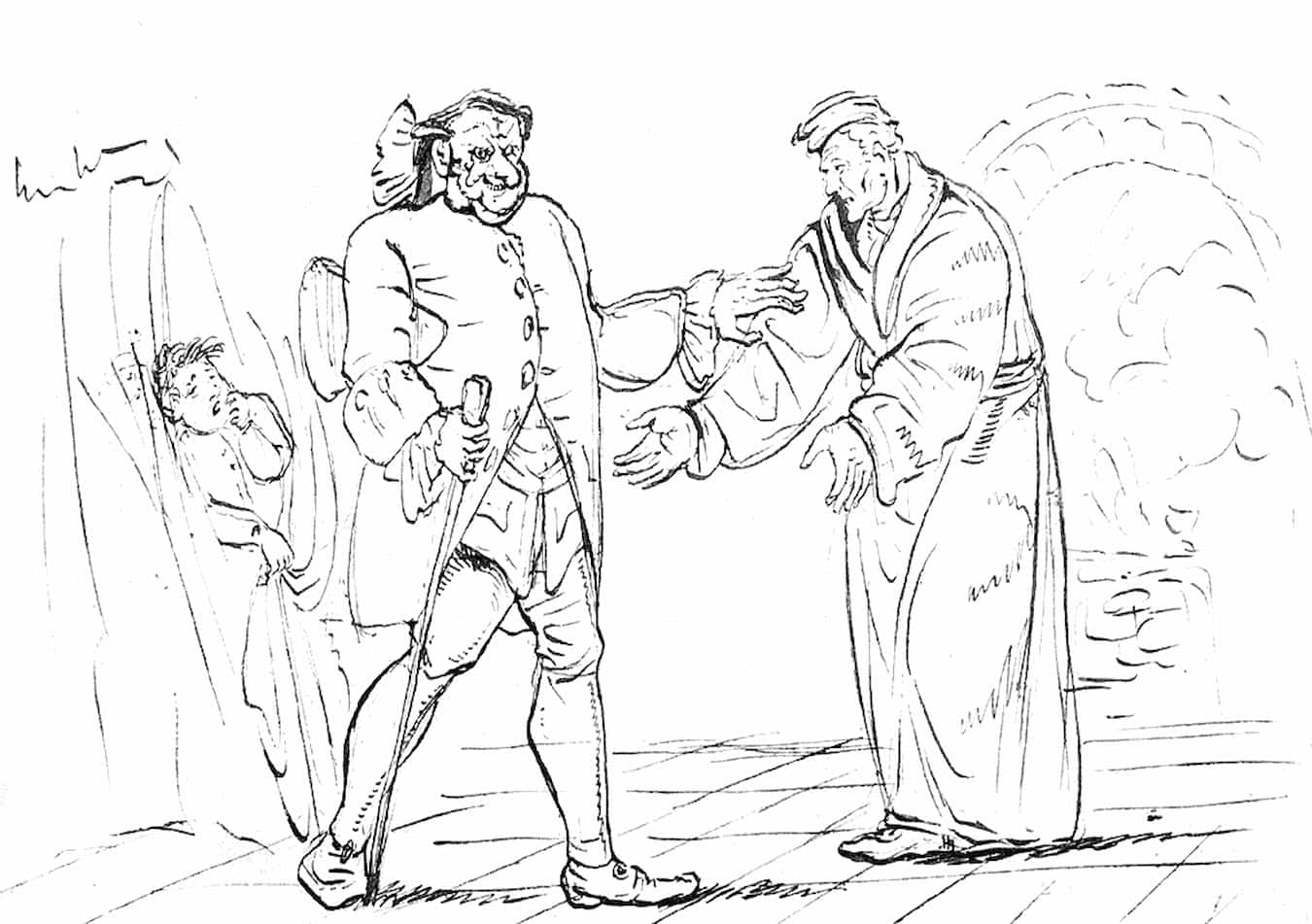
Shortly thereafter, the two wicked dwarves invited a giant named Gillingr—Suttungr’s father—and his wife to visit them. Rowing Gillingr out into the deep sea, the dwarves intentionally crashed their boat onto a submerged rock, capsized the vessel, and left the giant to drown because he could not swim. Returning home, the dwarves grew tired of listening to Gillingr’s grieving widow weep aloud; so they asked her to step outside the house to look out at the sea where her husband had died, while one dwarf climbed onto the roof beam above the doorway and dropped a heavy stone millstone straight down onto her skull, killing her instantly.
Suttungr’s Revenge on the Skerries and the Mountain Vault of Hnitbjorg
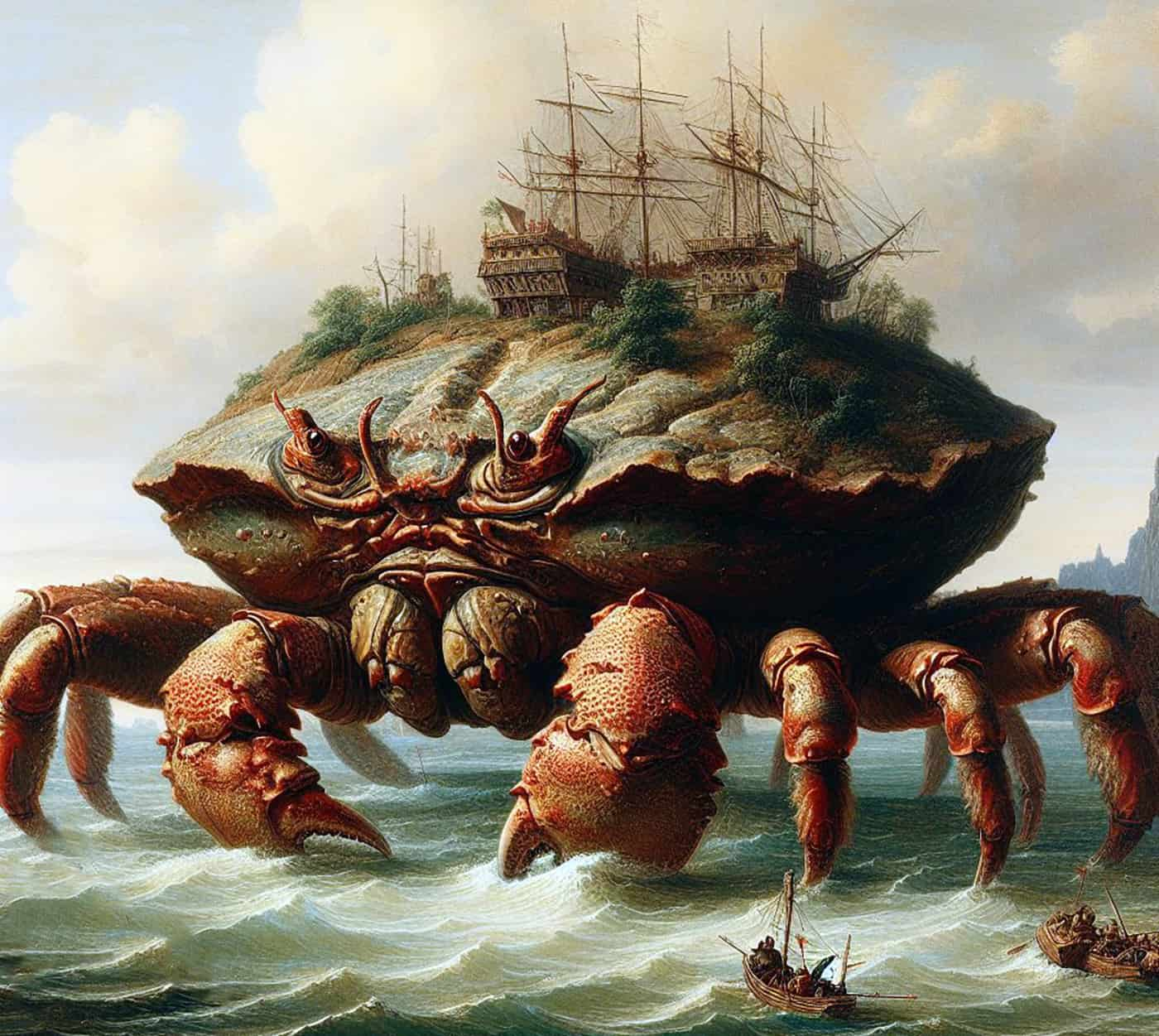
When news of his father’s drowning and his mother’s murder reached Suttungr, the furious Jotun marched down to the dwarves’ home, seized Fjalar and Galar by their necks, and rowed them far out into the freezing ocean. There, Suttungr set the two dwarves down on top of a low, wave-swept coastal rock—a skerry—that was completely submerged underwater whenever high tide rolled in. As the icy North Sea water began rising around their ankles, the terrified dwarves begged Suttungr to spare their lives, offering him their hidden kettle and vats of the Mead of Poetry as weregild—the traditional Norse blood-price paid to settle a family murder feud.
Accepting the priceless ransom, Suttungr untied the dwarves and carried the three vessels of poetic mead back to Jotunheim. Determined that neither gods nor mortals would ever taste a drop of his prize, Suttungr hid the vats inside the heart of a solid rock mountain called Hnitbjorg (“Clashing Rocks”) and appointed his beautiful daughter, Gunnlod, to sit inside the subterranean cavern day and night as its permanent guardian.
Odin’s Disguise as Bolverkr and the Serpent Auger
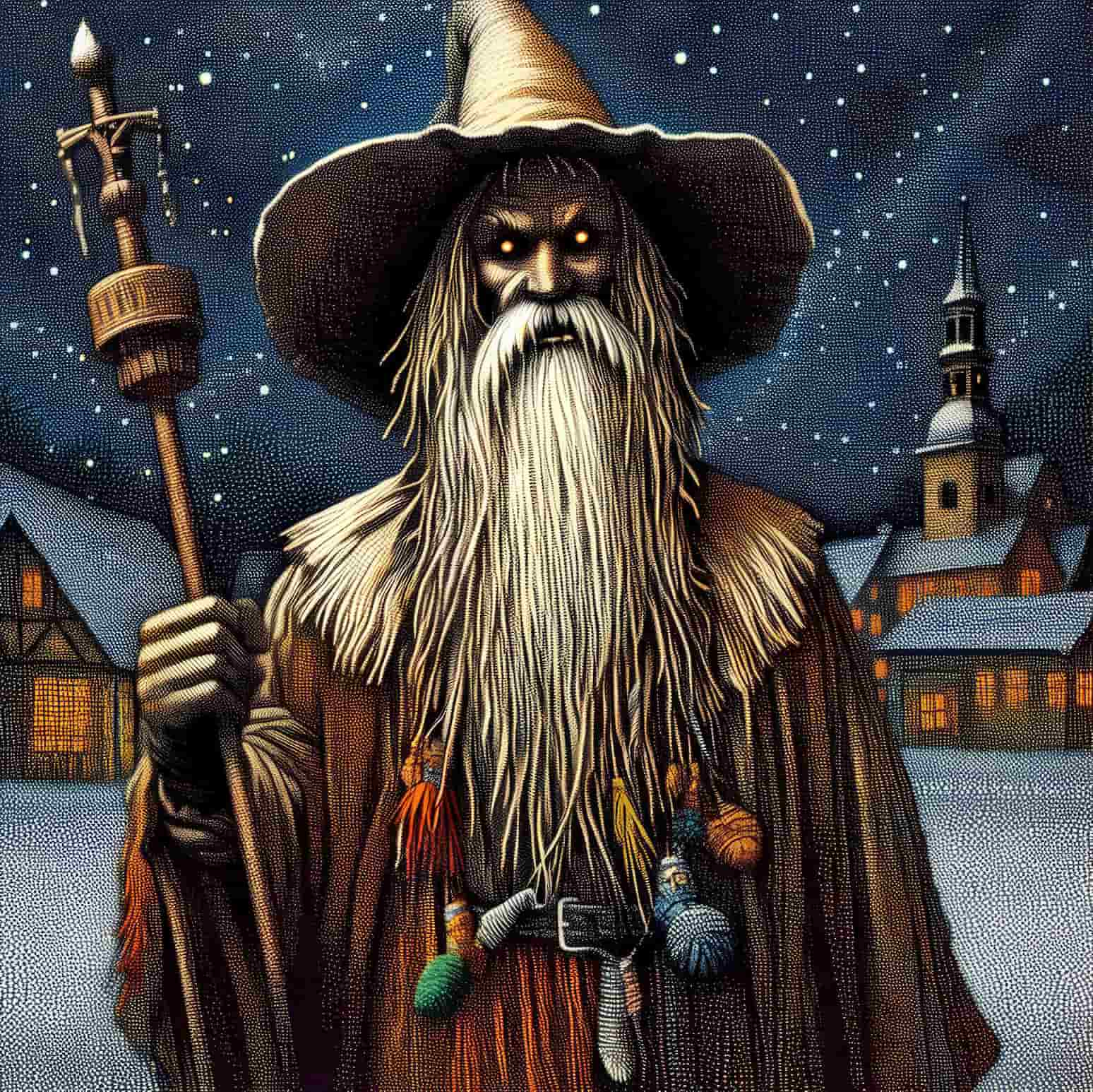
Word of Suttungr’s hidden treasure eventually reached Odin through his two ravens, Huginn and Muninn. Resolving to steal the Mead of Poetry for the gods and worthy human poets, Odin disguised himself as a tall wanderer calling himself Bolverkr (“Evil-Doer” or “Bale-Worker”) and walked into the fields belonging to Suttungr’s brother, Baugi. Seeing nine thralls (slaves) mowing hay in Baugi’s meadow, Odin pulled a magical whetstone from his belt and offered to sharpen their scythes. The whetstone made the blades so razor-sharp that all nine thralls begged to buy it; Odin tossed the stone high into the air, and as all nine men lunged together to catch it, their swinging scythes accidentally sliced one another’s throats, killing all nine on the spot.
That evening, Odin visited Baugi, who was despairing that his nine workers were dead and his harvest was ruined. Still calling himself Bolverkr, Odin offered to perform the labor of all nine men for the entire summer on one single condition: at the end of the harvest, Baugi must help him obtain a single sip of Suttungr’s mead. After Bolverkr completed the impossible farm work alone and winter arrived, the two traveled to Suttungr’s hall to ask for the promised drink—only for Suttungr to flatly refuse to give up even a single drop. Citing their summer contract, Odin convinced Baugi to help him trick Suttungr. Walking out to the rocky face of Mount Hnitbjorg, Odin pulled out a magical hand-auger drill named Rati and commanded Baugi to bore a narrow hole straight through the solid granite mountain. The moment the drill broke through into the inner cavern, Odin shapeshifted into a tiny serpent and slithered rapidly into the hole—narrowly escaping as the treacherous Baugi stabbed into the hole behind him with the drill bit.
Three Draughts, the Eagle Chase, and the Poet’s Share
Once inside the cavern, Odin resumed his handsome divine form and charmed Suttungr’s lonely daughter, Gunnlod. Spending three nights with her inside the mountain, Odin persuaded Gunnlod to grant him three sips of the sacred mead—one sip from each of the three vessels. Instead of taking polite sips, however, Odin opened his throat and drank the entire contents of Odrerir in the first draught, all of Bodn in the second, and all of Son in the third, holding every drop of the Mead of Poetry inside his crop like a bird.
Rushing out of the mountain, Odin transformed himself into a giant eagle and beat his wings furiously toward the high walls of Asgard. However, Suttungr, who possessed the exact same shapeshifting magic, spotted the fleeing thief, put on his own eagle-plumage, and launched into the sky in hot pursuit. Seeing Odin approaching with the enraged Suttungr right on his tail feathers, the gods of Asgard hurriedly dragged every wooden tub and cauldron they owned out into the courtyard. Just as Odin cleared the fortress wall, he spat the precious Mead of Poetry down into the waiting vats—yet Suttungr’s claws were so close behind him that in his frantic haste to escape, Odin accidentally discharged a small spray of mead backward out of his rear end straight into Suttungr’s face, blinding the giant and forcing him to turn back in defeat. While Odin reserved the pure mead spat from his beak for the gods and true master skalds, that accidental rear-end spray fell down to Earth where anyone could lick it up—which is why the Norse jokingly called bad, clumsy, rhyming verses “the poetaster’s share” or “the mud of the eagle.”