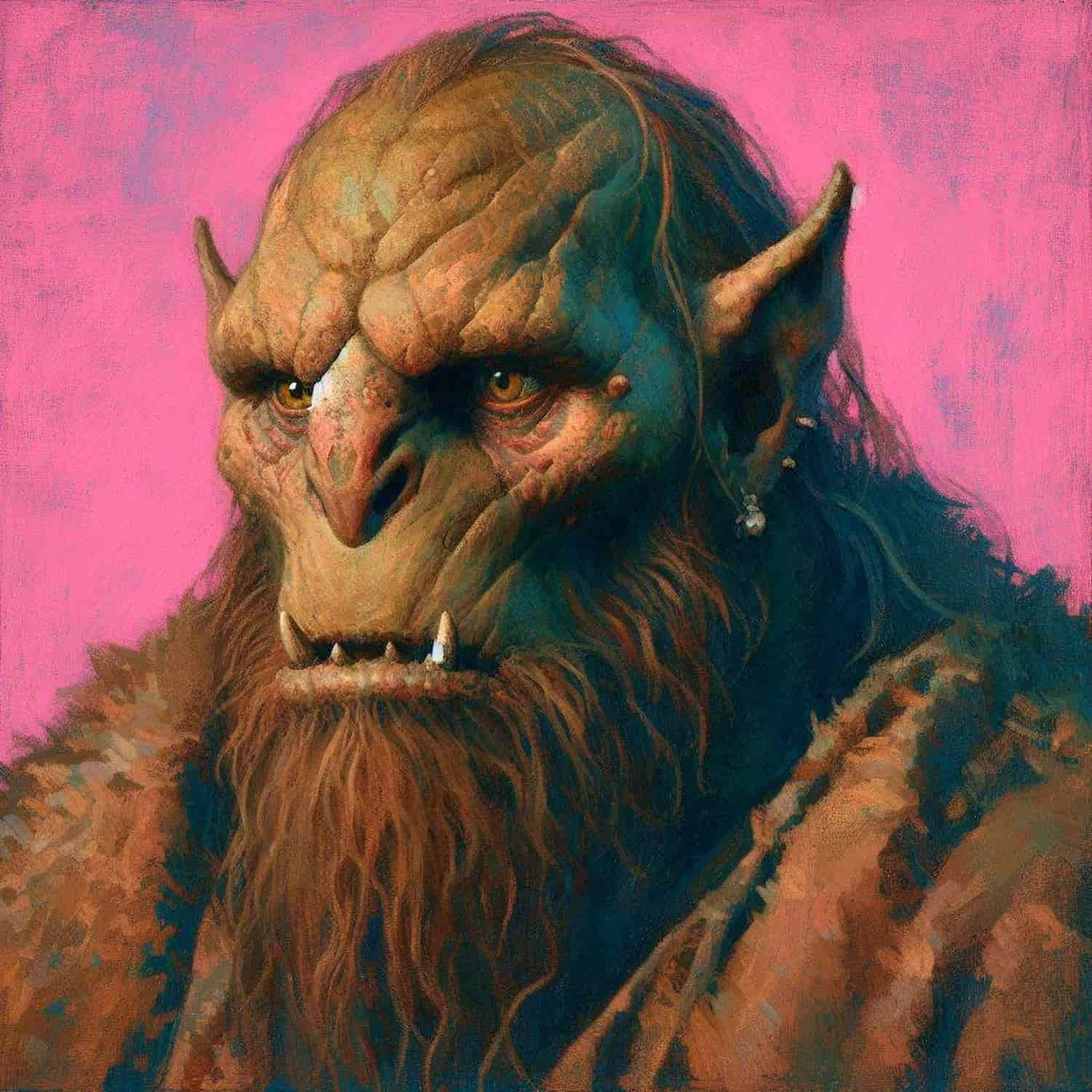
When modern popular culture depicts mythological giants, it almost invariably defaults to lumbering, bearded male brutes wielding wooden clubs. Yet across the foundational mythologies and prehistoric landscapes of Europe and the ancient Mediterranean, the female giant—the giantess—occupied a far more complex, creative, and awe-inspiring role. Far from being mere wives to male monsters, the ancient giantesses of Greek, Norse, and Celtic tradition were the literal geological architects of the planet: primordial earth-mothers who carried mountains in their aprons, gave birth to the ruling gods of heaven, and personified the untamed, life-giving and life-taking forces of wild nature.
Greek Mythology: Gaia, the Titanesses, and the Aloadae’s Ambition
In the earliest Greek cosmology of Hesiod’s Theogony, the entire universe begins with the ultimate primeval giantess: Gaia (Mother Earth), who rose out of Chaos to give birth first to the six female Titanesses—Tethys, Rhea, Themis, Mnemosyne, Phoebe, and Theia—deities envisioned on a titanic, planetary scale who embodied justice, memory, the moon, and the waters before their grandchildren, the Olympians, ever existed.
Later, when Gaia grew furious with Zeus for locking her Titan children inside Tartarus, she gave birth to the race of the Gigantes and the colossal hundred-headed monster Typhon, alongside female gigantic figures like Ceto (mother of sea monsters) and the one-eyed Graeae. In Greek visual art—most famously on the monumental second-century BC marble frieze of the Pergamon Altar—female titans and earth-goddesses are depicted with towering, muscular majesty emerging waist-deep from the soil itself to plead for or defend their children against the arrows of Apollo and Artemis.
The Norse Gygr: Mothers, Lovers, and Foes of the Aesir
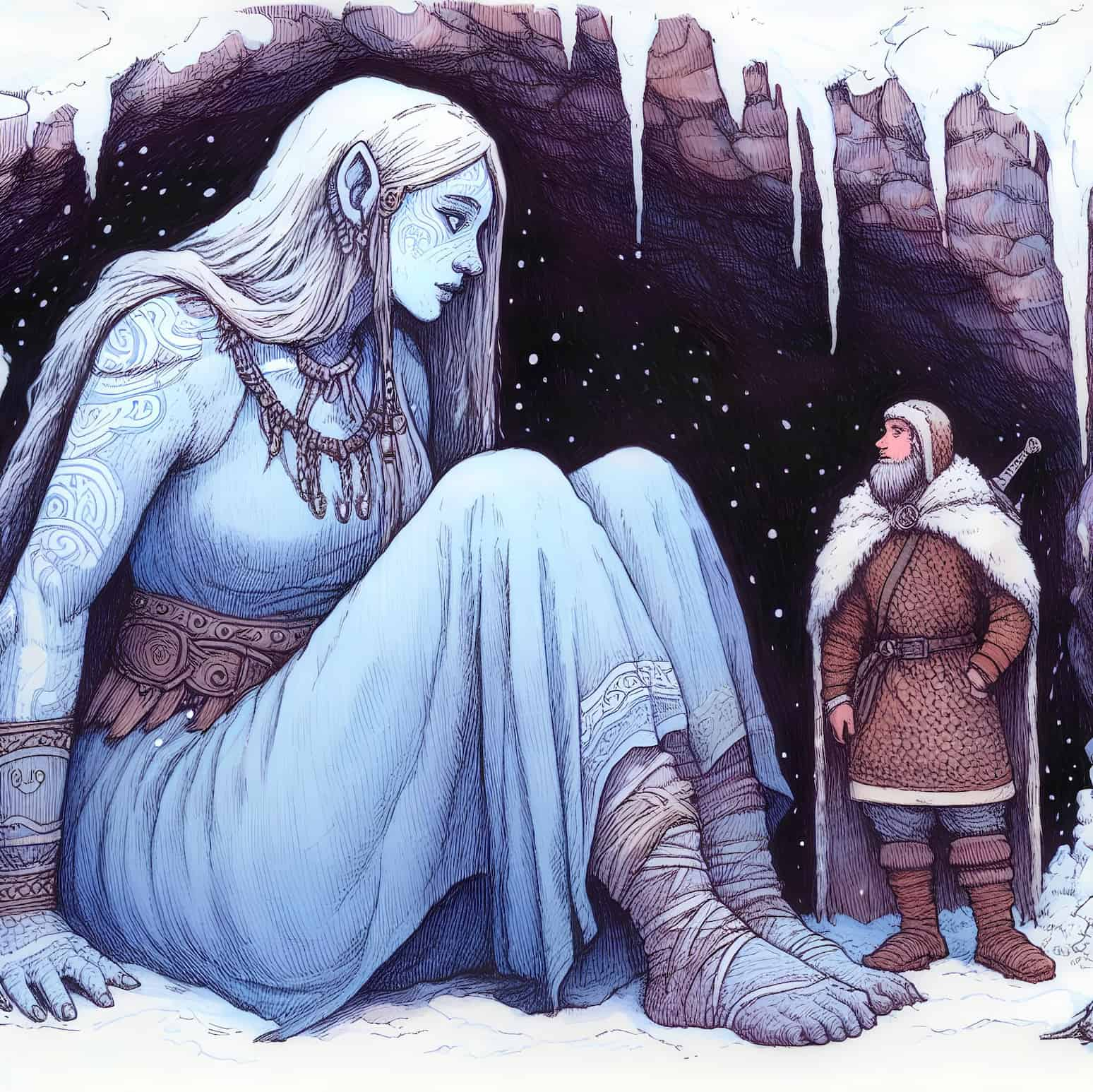
Nowhere in world mythology did the giantess hold greater narrative power than in Viking Age Scandinavia, where female frost- and mountain-giants were known in Old Norse as gýgr (plural gýgjar), jötunn, or tröllkona. Paradoxically, while the gods of Asgard fought male giants on the battlefield, the entire family tree of the Norse gods depended on giantesses for its very survival:

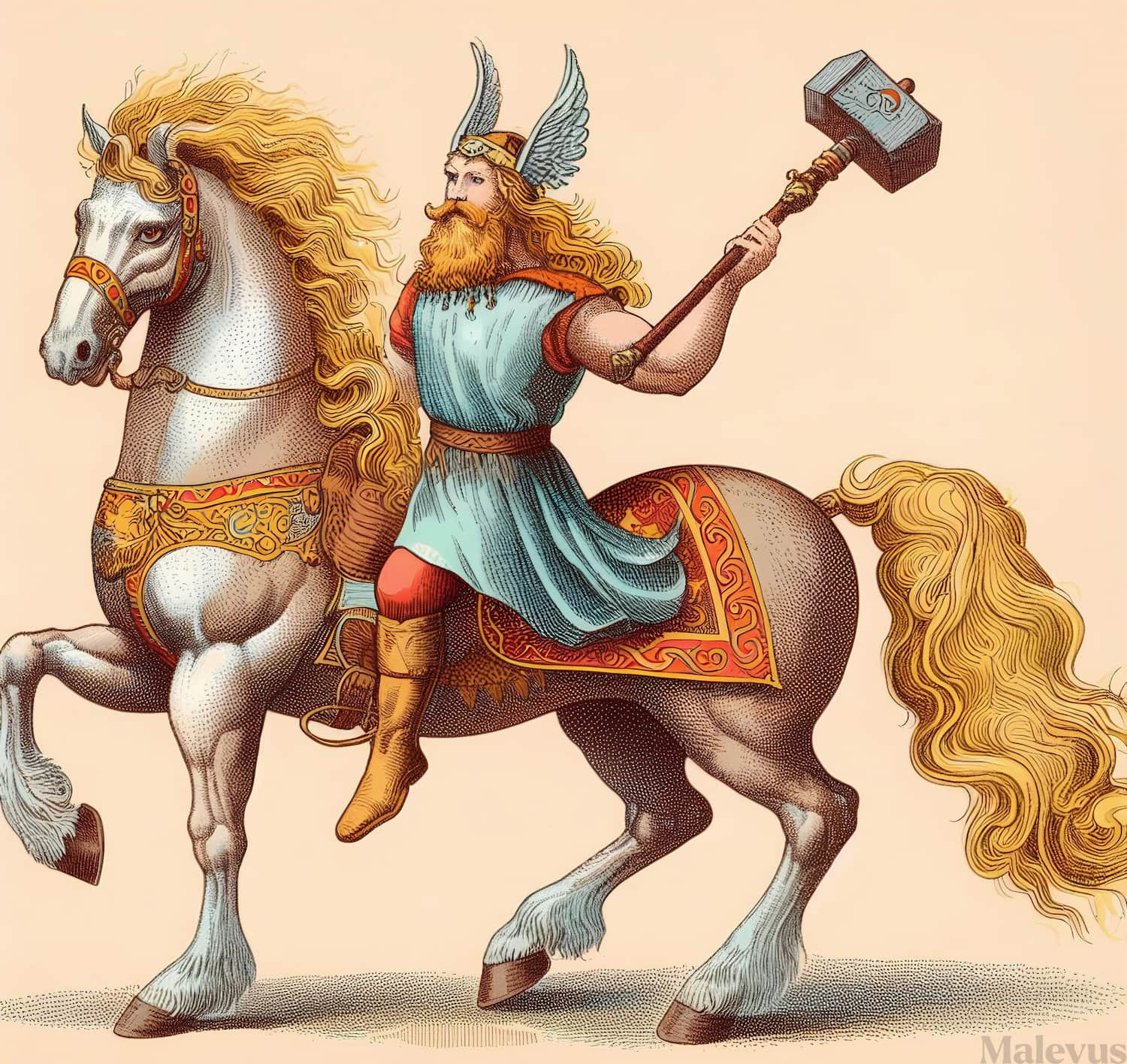
- Ancestors of Odin and Thor: Odin himself was half-giant—his mother was the ancient giantess Bestla! Even more ironically, Thor—the greatest slayer of giants in the cosmos—was the biological son of the earth-giantess Jörð, and fathered his strongest son, Magni, with the iron-woods giantess Járnsaxa.
- Beauty and Courtship (Skaði and Gerðr): Contrary to the stereotype that all giants were hideous, Norse myths described several giantesses as the most breathtakingly beautiful women in the Nine Worlds. The god Freyr fell so helplessly in love at first sight with the radiant giantess Gerðr (whose bare arms shone so brightly they lit up both sky and sea) that he gave away his own magic sword just to win her hand, while the fierce, bow-hunting mountain giantess Skaði marched into Asgard in full chainmail demanding justice for her father’s death and became the bride of the sea-god Njord (and later Odin), revered as the patron goddess of snowshoes, skiing, and winter mountains.
- Superhuman Strength (Hyrrokkin and Fenja & Menja): When the gods of Asgard tried to push the massive funeral ship of the slain god Baldr down the beach into the sea, not even Thor and all the Aesir combined could budge the heavy hull a single inch. The gods had to summon the giantess Hyrrokkin from Jotunheim—who rode in sitting astride a giant wolf using venomous vipers for bridle reins, walked up to the prow of the ship, and shoved the massive vessel into the sea with a single push of her hands so hard that the wooden rollers burst into flames and the whole Earth trembled! Similarly, in the Grottasöngr, two enslaved giantess sisters named Fenja and Menja turned a magic millstone so heavy no human army could move it, grinding out gold, peace, and finally an avenging army before sinking a ship at sea where their millstone still grinds salt at the bottom of the whirlpool.
Celtic Landscape Shapers: The Cailleach and Giantesses’ Aprons
Across the hills of Ireland, Scotland, Wales, and Brittany, folklorists found that local villagers attributed almost every dramatic mountain peak, offshore island, megalithic dolmen, and boulder field to the work of ancient giantesses—led in Gaelic tradition by An Cailleach Bhéara (the divine “Veiled One” or Hag of Winter).
According to Scottish and Irish lore, the giantess Cailleach strode across the primordial landscape carrying colossal boulders and peat inside her plaid apron to build the mountains as stepping stones. Whenever her apron strings accidentally snapped in the wind, thousands of tons of rock spilled onto the ground or into the sea—forming the mountains of Meath in Ireland, the Scottish Hebrides islands, and prehistoric stone circles, proving that to our ancestors, the very contours of the Earth were the enduring handiwork of the mythological giantess.