By using this site, you agree to the Privacy Policy.
Accept
MalevuzMalevuz
  • HISTORY
  • SCIENCE
  • BIOGRAPHY
MalevuzMalevuz
Search
  • HISTORY
  • SCIENCE
  • BIOGRAPHY
Follow US
Malevuz > Myth > Thökk: Nordic Giantess Whose Punishment Brought Ragnarök
Myth

Thökk: Nordic Giantess Whose Punishment Brought Ragnarök

Hrothsige Frithowulf
ByHrothsige Frithowulf
History Editor
Hrothsige is a history writer at Malevus. He has a bachelor's in history from the University of Exeter. Hrothsige's areas of historical interest encompass the ancient...
- History Editor
7 June 2025
Share
5 Min Read
SHARE

Thökk, or Thokk (Þökk), as she is also called, was a giantess (gýgr) in Norse mythology. Her name means “thanksgiving”, “reward”, and “joy”. Thökk, who many believe to be Loki in disguise, is the only figure who shows no emotion during Baldur’s funeral. Baldur is stuck in Hel’s Realm of the Dead, Helheim, because of this rejection by the giantess. Chapter 49 of Snorri’s Gylfaginning (a part of the Prose Edda, which was written in the early 13th century) explains this story in detail.

Contents
  • The Story of Thökk (Þökk)
    • Her Punishment Led to Ragnarök
  • References to Thökk
  • Thökk Is Rarely Mentioned in Nordic Mythology

The Story of Thökk (Þökk)

Thökk prevents the return of the god Baldur from the realm of the dead of Hel.

In this story, Loki is responsible for the death of the deity Baldur. Baldur now lives in the underworld of Hel, much to the chagrin of his fellow Aesir deities. Hermod is selected to ride to the land of the dead (sometimes called Hel) and plead with the goddess protecting the afterlife to let Baldur’s spirit go free.

Hel agrees, but only if everyone in the universe mourns Baldur’s loss. Since Baldur is a cherished deity, the gods sent messengers all around the globe to encourage all things to cry for him in order to release him from the underworld.

online pharmacy order promethazine online with best prices today in the USA

Thökk, a cave-dwelling giantess, refuses to cry.
online pharmacy order elavil online with best prices today in the USA

All the couriers beg her to cry, but she still refuses because she has no use from Baldur, either alive or dead.
buy biltricide online https://andnewonlineblo.com/buy-biltricide.html no prescription pharmacy

Her Punishment Led to Ragnarök

After concluding that the giantess was indeed Loki in disguise, the gods resolve to harshly punish him, setting in motion the events that lead to Ragnarök. According to Rudolf Simek, the giantess gave herself the name “joy” or “happy” since she didn’t have anything to be sad about in life, including Baldur.
More Read

Geras and heracles
Geras: Personification of Old Age in Mythology
Sea Serpent: Origin, Myths, and Stories
Voluptas: The Personification of Sensual Pleasures
Lævateinn: The Magical Weapon Crafted by Loki
buy augmentin online https://andnewonlineblo.com/buy-augmentin.html no prescription pharmacy

References to Thökk

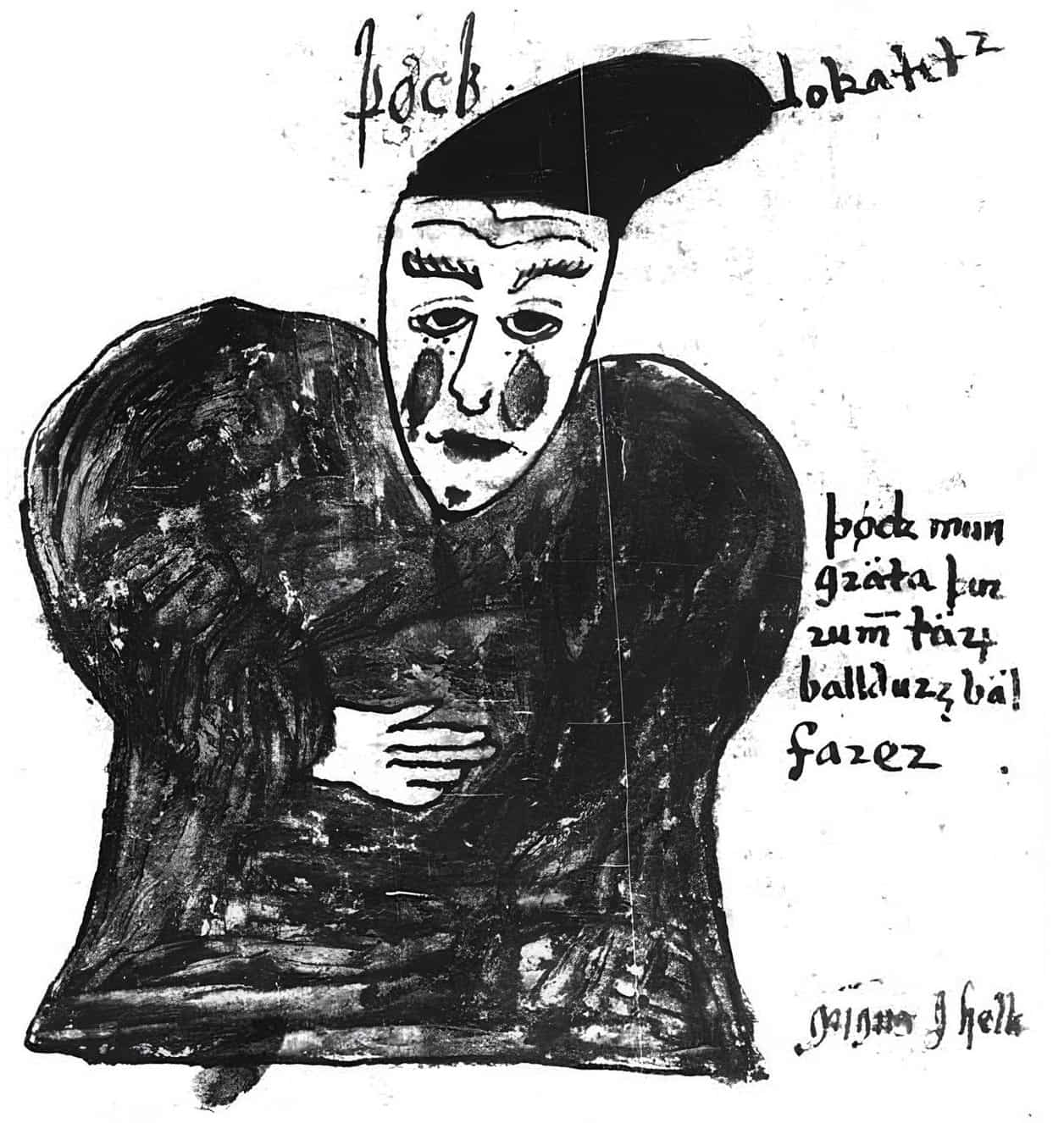
Thökk (Thokk or Þökk) in the AM 738 4to, Icelandic manuscript from the late 17th century.
Thökk (Thokk or Þökk) in the AM 738 4to, an Icelandic manuscript from the late 17th century.

Chapter 49 of Gylfaginning from the 13th century ends with the following text:

Returning, the messengers found in a cave a giantess who said her name was Thokk. They begged her to weep for Baldur to secure his release from Hel, Thokk she declared:

Thokk will shed
Dry tears
On the funeral of Baldr
Neither alive nor dead, the old man’s son
I had no cause to rejoice.
May Hel keep what she has!

It is inferred that it was Loki, Laufey’s son, who caused the most harm to the Aesir.

—Gylfaginning, Chapter 49, Prose Edda.
buy robaxin online https://andnewonlineblo.com/buy-robaxin.html no prescription pharmacy

The authorship of this poetry actually remains mysterious. Like most of the lyrical portions in the Prose Edda, it was likely written by Snorri Sturluson himself while he was working on this Old Norse textbook, or else it was stolen by him from an earlier poem that has since been lost.

Chapter 50 follows with Gylfi (Gangleri) saying, “Loki did something very grave when he ensured, first that Baldur was killed, and then that he was not redeemed from Hel. Was there any kind of consequence for his actions?”

Loki’s arrest and torture are detailed in the following paragraphs and the crime Thokk committed became synonymous with hatred and selfishness.
More Read

Sandman
Sandman: A Legendary Figure in European Mythology
Abarimon: People Who Can’t Breathe Out of Their Valley
Camenae: Nymphs of Springs and Woods
Erigone: The Daughter of Icarius

Thökk Is Rarely Mentioned in Nordic Mythology

Only in the AM 738 4to, an Icelandic manuscript from the late 17th century, is the name “Thökk” accompanied by an illustration. In this illustration, Thokk looks exactly like Loki. However, her name does not appear anywhere else in the surviving mythical narratives about Nordic mythology.

Share This Article
Email Copy Link Print
ByHrothsige Frithowulf
History Editor
Hrothsige is a history writer at Malevus. He has a bachelor's in history from the University of Exeter. Hrothsige's areas of historical interest encompass the ancient world and early Europe, along with the history of modern culture.
Previous Article Giantess Giantess: History of a Mythological Being
Next Article Rosalind Hicks, Daughter of Agatha Christie Rosalind Hicks’ Life: Agatha Christie’s Daughter

Latest News

985px Landing of Lieutenant James Cook at Botany Bay 29 April 1770 painting by E Phillips Fox

Top 10: The Greatest Knights in History

Knights were the medieval equivalent of elite soldiers, and many…

List
3 November 2026
Charles Rolls driving a Peugeot 1896
List

10 of the Craziest Laws in History

For more than 4,000 years, humans have devised new laws…

18 October 2026
Ikinci Meksika Imparatorlugu
History

Why Did the Second Mexican Empire Collapse?

The Second Mexican Empire did not collapse because of a…

14 April 2026
A painting depicting Aboriginal Tasmanians attacking John Allen’s Milton Farm near Great Swanport in 1833.
History

Colonialism in Tasmania

The colonization of Tasmania was not a simple story of…

14 April 2026

You Might Also Like

Eurynomos
Myth

Eurynomos: A Daemon in Ancient Greek Mythology

6 June 2025
Alseid
Myth

Alseid: Nymphs in Greek Mythology

6 June 2025
Macaria
Myth

Macaria: Daughter of Hades and Heracles

7 June 2025
Fragarach
Myth

Fragarach: The Irish Sword of Nuada That Creates Wind

25 November 2023
  • Privacy Policy
  • About us
  • Editorial Standards

© Malevuz. All Rights Reserved.

Welcome Back!

Sign in to your account

Username or Email Address
Password

Lost your password?