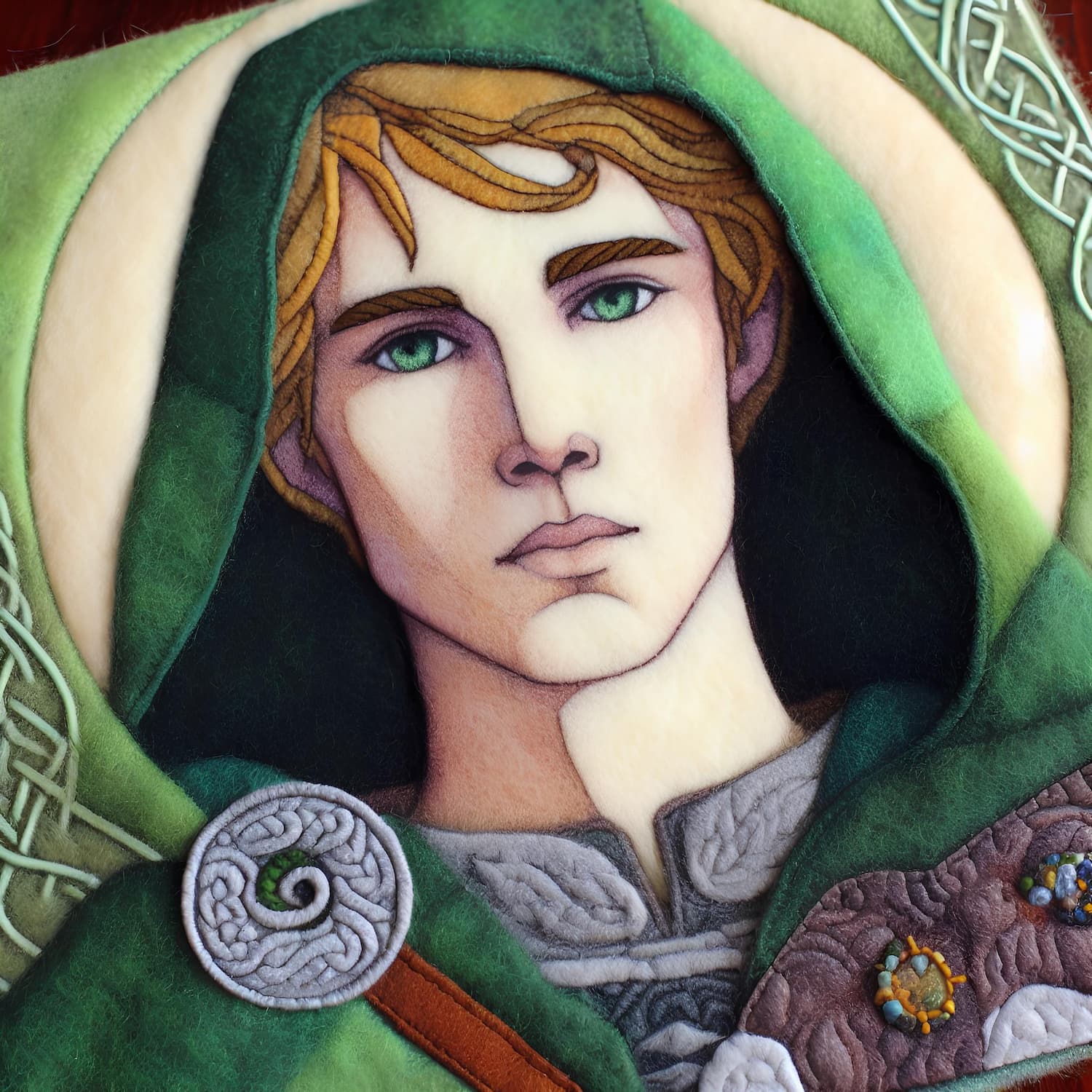
On nights when a sudden, howling gale sweeps across the dark heather moors of the Scottish Highlands, the Hebrides islands, and the western glens of Ireland, traditional Gaelic storytellers warned against stepping outside or leaving a western window unlatched. Riding inside the screaming gusts of wind was not merely a winter storm, but the Sluagh (pronounced roughly “sloo-ah”)—known in Scottish Gaelic as Sluagh na Marbh (“The Host of the Dead”). Unlike mischievous fairy folk who danced in woodland rings, the Sluagh were the terrifying aerial army of the restless, unforgiven dead, swooping down from the western sky like a flock of dark starlings to snatch living mortals up into the clouds.
Etymology of “The Host” and Excluded From Both Heaven and Hell
In both Old Irish and Scottish Gaelic, the noun sluagh translates simply as a “host, multitude, crowd, or army” (surviving in modern English inside the word slogan, which comes from the Gaelic sluagh-ghairm—”battle cry of the host”!). In folk belief documented intensively in the nineteenth century by the great Scottish folklorists Alexander Carmichael (in his Carmina Gadelica) and John Gregorson Campbell, the Sluagh represented the darkest, most dangerous category of supernatural beings in the Celtic twilight.
Who made up the ranks of the Sluagh? According to Hebridean and Irish lore, they were the souls of mortal men and women whose earthly lives had been so malicious, quarrelsome, or unrepentant that upon death:
- The gates of Heaven were barred against them.
- Even Hell or the peaceful Otherworld refused to take them in, and the consecrated soil of the churchyard rejected their bones.
- Condemned to fly endlessly in turbulent flocks up and down the face of the Earth through eternity without a moment’s rest, the Sluagh looked down with bitter envy upon warm, happy living homes below.
Approaching From the West and Firing Poisoned “Elf-Bolts”
Unlike other Scottish fairies (the Sìthichean) who lived inside green earthen hills and mounds, the Sluagh lived exclusively in the air and were said to always approach from the West—because in ancient Celtic cosmology, the setting sun in the west marked the direction of death and the departed. Observers who claimed to see the Host passing overhead at midnight described them as a dense, swirling black cloud of shadowy figures flapping against the wind like storm-tossed crows or starlings, fighting and shrieking against one another in the clouds while dropping tiny drops of blood onto rocks and sheep’s wool below.
As the Host flew over a farmstead, they carried miniature bows and shot invisible, poisoned flint arrowheads—known to Highlanders as elf-shot or elf-bolts (actually prehistoric Neolithic flint arrowheads that farmers found lying in their plowed fields!)—down at prized dairy cows, horses, and sheep, causing sudden paralysis or death unless a healer stroked the animal with a charm stone dipped in water.
Why Dying Sickrooms Locked Their Western Windows
The greatest terror of the Sluagh was how they recruited new members into their ranks. Whenever a person lay dying in bed inside a Highland cottage, villagers believed the Sluagh gathered in the night sky outside the house, waiting to snatch the dying person’s soul away before it could depart in peace—or even kidnapping a healthy living sleeper right out of their bed, leaving an inanimate wooden log or straw effigy (a stock) lying under the blankets that looked just like a corpse while the real victim was forced to fly through the sky with the Host!
To protect a dying relative and keep oneself safe on a stormy night, Gaelic custom enforced three strict precautions:
- Shutting All Western Windows and Doors: In a house where someone was seriously ill or dying, every window and door on the west side of the cottage was kept bolted and shuttered tight until the soul had safely passed, preventing the western wind of the Sluagh from blowing into the room.
- Never Speaking a Dying Person’s Name to the Wind: If a traveler caught outdoors at night heard the rustling wings of the Sluagh overhead and accidentally called out the name of a friend, the Host gained the power to seize that named person.
- Throwing the Left Shoe or Earth: If a lone walker felt himself being lifted off his feet into the night sky by the invisible hands of the Sluagh, his only salvation was to throw his left shoe, an iron knife, or a handful of churchyard earth over his left shoulder while calling upon the Archangel Michael to bind the Host of the Dead.