There is no truth to the urban legend that Halloween is the devil’s birthday. Nothing points to October 31st being the devil’s birthday in the Bible or any other holy recordings or if the devil was “born”. The concept of Halloween as the devil’s birthday developed in Christian contexts to alienate Europeans from a popular non-Christian festival. To justify the persecution of Pagans like the Celts, Christians in the Middle Ages sought to portray Halloween as a festival of evil by linking it to Satanism and witchcraft. Claiming Halloween as the devil’s birthday is one of the ancient Christian propagandas that still persists to this day.
The Origin of Halloween
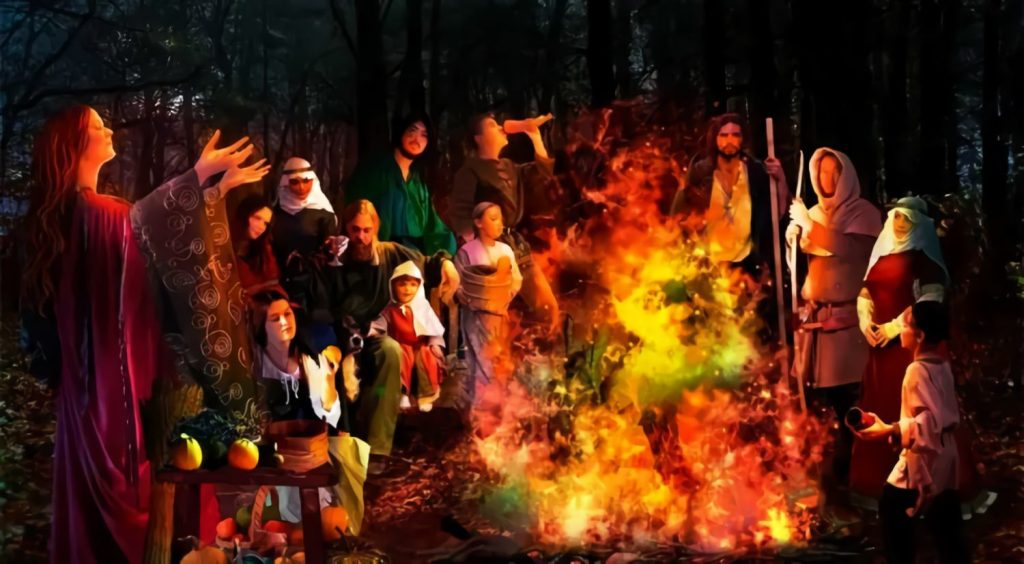
The ancient Celtic holiday Samhain is the inspiration for the modern-day Halloween celebration. The Celts, who inhabited what is now the island of Ireland, the United Kingdom, and northern France some 2,000 years ago, marked the beginning of the year on November 1. It was at this time that the gloomy, chilly winter had begun, signaling the end of summer and the crop.
In Celtic tradition, the line between the living and the dead blurred on the eve of the new year, October 31. Samhain was celebrated on the evening of this date because it was thought that the spirits of the dead came back to the world at this time.
Halloween in North America
Therefore, Samhain marked the end of the harvest season and the beginning of winter. However, Christian elements were introduced into the Pagan Halloween celebrations over time. Pope Gregory III in the 8th century established All Saints’ Day on November 1. All Hallows’ Eve was the evening before All Saints’ Day and the three holidays of All Saints’ Day, All Souls’ Day, and Samhain eventually fused into one holiday known today as Halloween.

Halloween has a long and storied history in Ireland and Scotland, and in the 19th century, immigrants from those countries brought many of their Halloween traditions to North America. Trick-or-treating, carving pumpkins into jack-o’-lanterns, having bonfires, apple bobbing, divination games, playing pranks, going to haunted attractions, and telling frightening tales have been introduced to North America by the grandchildren of the Celts, who have celebrated Samhain in the same fashion.
Why Halloween is Called the Devil’s Birthday
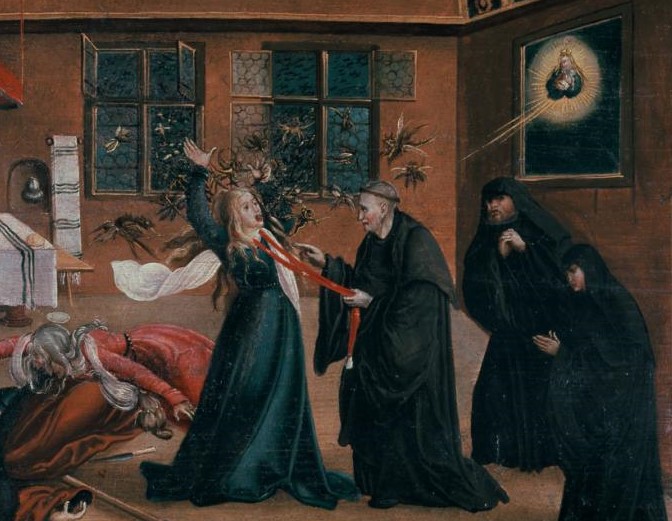
Modern Christian interpretation and popular culture have contributed much to the legend that Halloween is the devil’s birthday. However, neither the Bible nor history support this view. This claim seems to have developed with Christian hostility toward Pagan traditions.
Some Christians reject Halloween because they believe it has pagan roots and even demonic overtones. This point of view, along with Halloween’s common link with scary costumes, trick-or-treating, and themes of death and the occult, aided in the spread of the myth that the festival has satanic overtones.
Satanism and Halloween
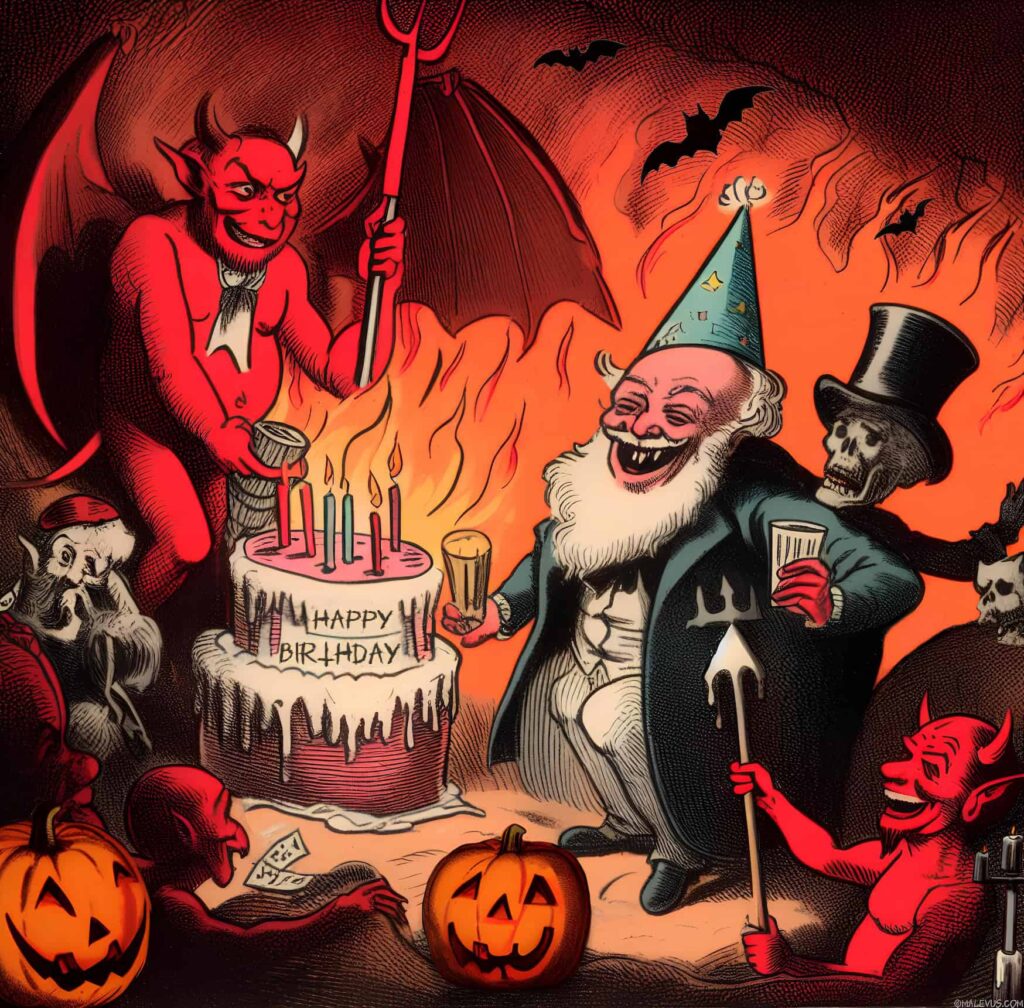
The Church of Satan and other similar organizations celebrate Halloween, although they do not consider it the devil’s birthday. As it is a religion focused on the individual, Anton LaVey, who formed the Church of Satan in 1966, mandated three festivals for Satanists to celebrate: the individual’s birthday, Walpurgisnacht (April 30), and Halloween (October 31). LaVey, however, used Halloween more as a gag on people who superstitiously hated it than because of any inherent Satanic symbolism in the day.
No Proof in History
Neither the Bible nor history provide any proof that October 31 is the devil’s birthday or that he was indeed born. The Bible is silent on the subject and there is no evidence that Halloween’s origin lies in a satanic celebration.
Scholars contend that Satan lacks a birthday since he was allegedly formed by God with the rest of the angels. Ironically, it would be disrespectful to God, who created all the days, to assign Satan a birthday.
Origins of Halloween Traditions
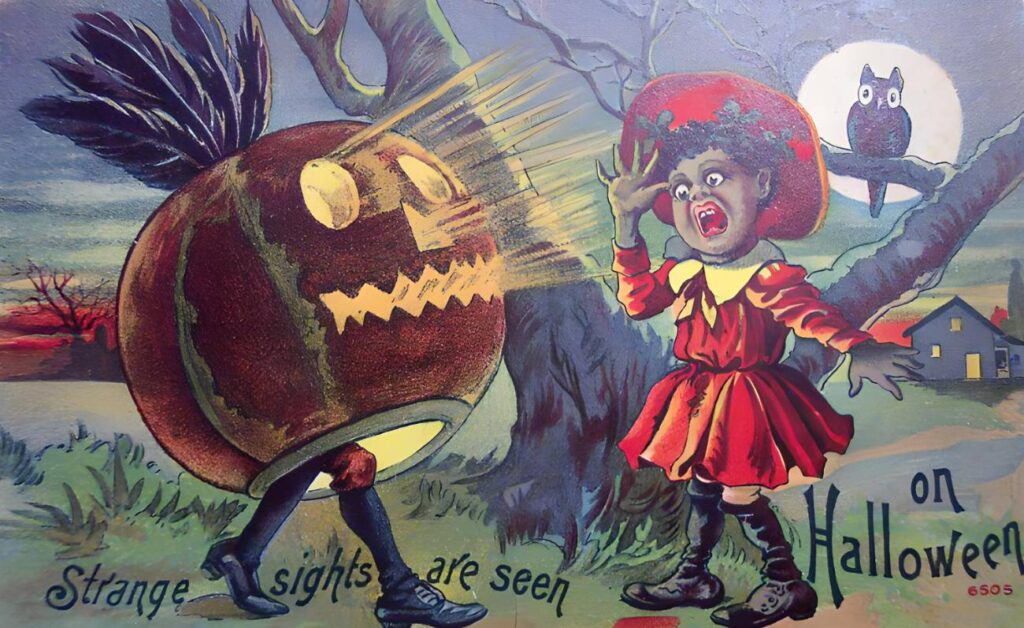
In many Halloween depictions, death, evil, and fantastical beasts feature prominently. Black cats, traditionally linked to witchcraft, are also often seen around. Samhain was where the Halloween customs involving skeletons and spirits first emerged.
Beets and turnips
In the past, the villagers used to cut and display beets and turnips in front of their homes instead of pumpkins. They were left as offerings on doorsteps and in graves in the form of carved skulls. The pumpkin became the standard once the celebration was brought to North America, where this food is more widely available. And most importantly, larger. Beets, turnips, and pumpkins helped make black, orange, and purple the traditional colors of Halloween.
Jack-O-Lantern
An ominous Irish tale served as inspiration for the well-known pumpkin lantern. If Jack dies, he won’t be able to choose between heaven and hell because of all the times he made fun of Satan. He removes the flesh of a turnip and places charcoal inside to light his path. He has supposedly returned to Earth every Halloween since then.
Trick or Treat
Food collection by going door to door has its origins in the Middle Ages. It is believed that trick-or-treating evolved from this custom. In return for ‘soul cakes’, the destitute would sing prayers for each family’s departed members. The children would later sing in exchange for money, fruit, or nuts.
The Actual “Devil’s Birthday”
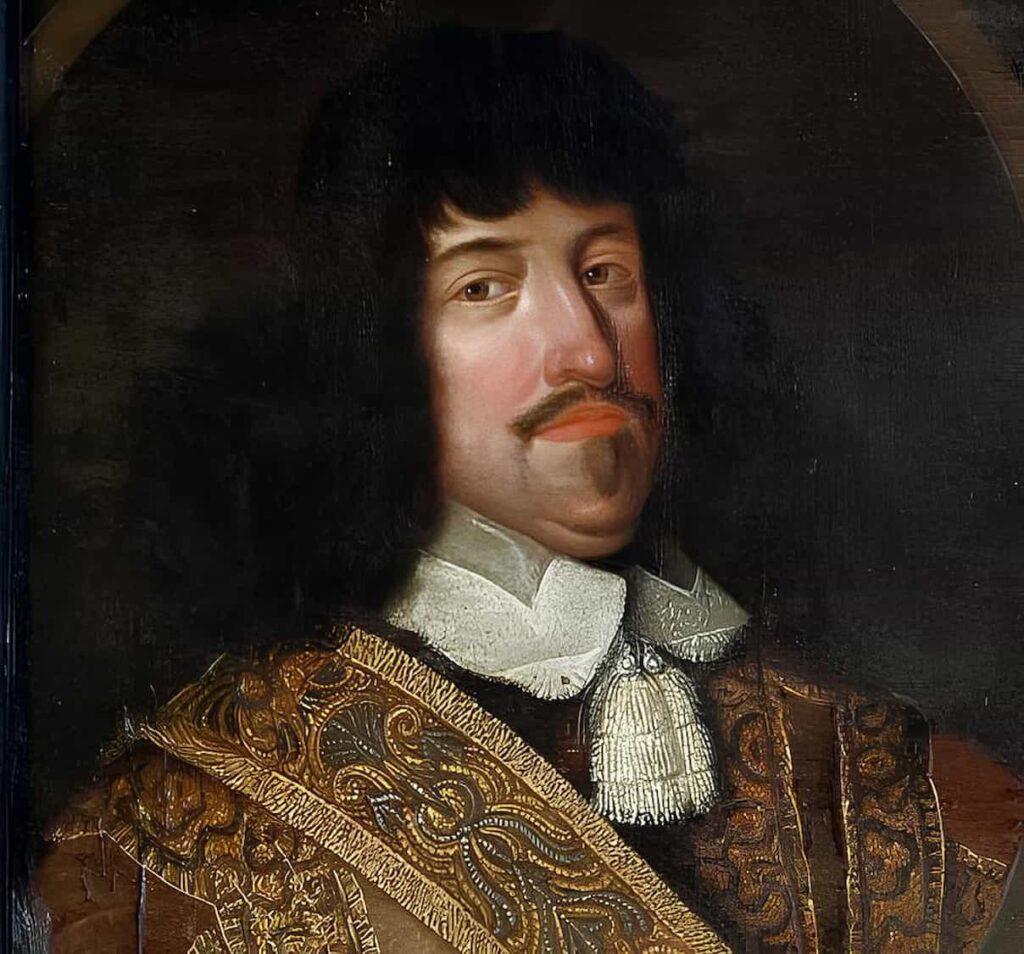
If there’s a “devil’s birthday,” it doesn’t lie on Halloween. The term “the devil’s birthday” is used jokingly in Denmark and Norway to refer to December 11 and June 11. King Frederick III of Denmark issued a proclamation on December 17, 1656, mandating these two dates for the repayment of loans and the payment of interest. This announcement turned these days into “devil’s birthday.”
Outside of Denmark and Norway, however, the “devil’s birthday” has little to no historical or cultural weight in any other region.
Meaning of Halloween in Other Cultures
Several nations throughout the world also observe Halloween. Costume parties, trick-or-treating, and pranks are common Halloween activities in the United States, Canada, and Ireland. There are further celebrations of this event in other countries.
Dia de los Muertos, or the Day of the Dead, is a celebration held in Mexico and other Latin American nations in memory of departed friends, family members, and ancestors. Guy Fawkes Day is celebrated with pyrotechnics and bonfires in England on November 5th.
Pangangaluluwa is a Filipino custom in which children knock on neighbors’ doors to beg for prayers for the souls of the dead who are still in purgatory. On the fifteenth day of the seventh lunar month, Hong Kongers commemorate the Hungry Ghost Festival.
When This Myth Gained Traction
It’s only in recent years that belief in Halloween as the devil’s birthday has gained widespread popularity. The extensive consumption of horror movies around the turn of the 20th century is credited with inspiring this trend among the American masses.
The widespread portrayal of Satan as the protagonist of Halloween movies helped perpetuate the myth that Halloween celebrates the devil’s birthday.
Satanists do not celebrate Halloween as the devil’s birthday, despite popular belief. Satan is a metaphor for their faith. Further, October 31 is described by the Church of Satan as “the Fall climax” and a day to dress as one’s true self or remember a recently departed loved one.