According to legend and history, the tradition of footbinding in China is said to have originated during the time of imperial China, specifically after the reign of the Tang Dynasty in the 10th century. Initially, it was limited to women from affluent social classes.
- How Did the Tradition of Footbinding Evolve in China?
- Why Was the Chinese Tradition of Footbinding Banned?
- Why Are Chinese Women’s Footbinding Characterized as “Lotus”?
- Do Wealthy Chinese Women Today Continue This Tradition?
- Why Were Small Feet a Symbol of Beauty for Chinese Women in the Past? buy robaxin online https://blobuyinfo.com/buy-robaxin.html no prescription pharmacy
The first recorded instance of footbinding is attributed to the concubine of Emperor Xuanzong, with the emperor himself purportedly endorsing the practice. The purpose was to enhance the gracefulness of the concubine’s lotus dance, thereby increasing his desire. This tradition then spread within the emperor’s court, eventually becoming a symbol of femininity and wealth.
—>Footbinding involved tightly wrapping the feet, usually starting at a young age, to prevent natural growth. The process could be painful and involved breaking the arch of the foot and curling the toes under, resulting in the desired lotus shape.
How Did the Tradition of Footbinding Evolve in China?
0.
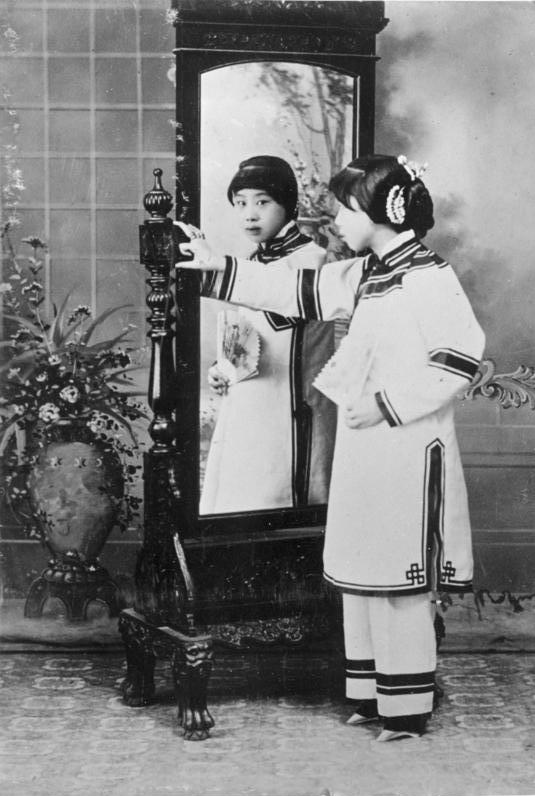
While originally the tradition of footbinding was exclusive to the emperor’s court, it quickly spread to other social classes. Initially a symbol of distinction, bound feet hindered women from walking properly and, consequently, from moving around. This was an inconceivable issue for less affluent social classes, as women were obligated to work.
However, over the years, the legend of footbinding permeated throughout the country. Women adhering to this tradition believed they would secure a happy marriage and a better future. Gradually, they became destined to stay at home and cease working. Using their feet became unnecessary, and to take it a step further, the smaller their feet, the cuter they were considered.

Why Was the Chinese Tradition of Footbinding Banned?
In 1912, the tradition of footbinding was prohibited in China during the establishment of the first republic. This practice, now entirely illegal, was indeed responsible for significant pain among women.
The tradition of footbinding began at the age of 4, involving the binding of the feet to prevent further growth. Submerged in boiling water, the feet were then wrapped in cotton cloth with the toes curled and the other digits folded. The binding was tightened progressively until it reached the desired size, approximately 7.5 cm for the Golden Lotus (“three-inch golden lotus”). However, this tradition was synonymous with mutilation and inflicted pain that could extend to fatal consequences.
Why Are Chinese Women’s Footbinding Characterized as “Lotus”?
The term “lotus” is intimately connected to the aesthetics and beauty standards of the time.
Bound feet were likened to lotus buds due to their small size and rounded shape. The “golden lotus” was the highest distinction, awarded to feet measuring less than 7.5 cm (3 inch). This lotus imagery was also associated with the symbolism of purity and eroticism, reinforcing male desire. Lotus shoes, specially designed for footbinding, heightened this image of delicacy and refinement.
Do Wealthy Chinese Women Today Continue This Tradition?
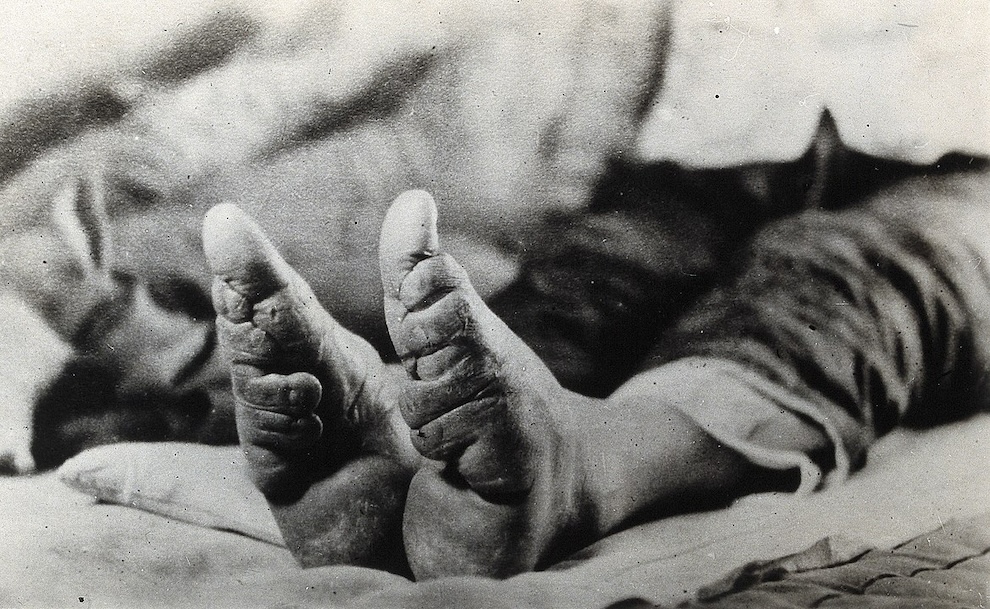
Today, the practice of footbinding has almost disappeared in China. It is important to note that this practice is now illegal and is considered a form of mutilation. Wealthy Chinese women, as well as those from other social classes, no longer adhere to such traditional practices.

In the 21st century, Chinese society has embraced new standards of beauty and mobility for women. Thus, even though footbinding was once an integral part of Chinese cultural identity, this tradition is no longer practiced and has become a relic of the past.
That being said, the history of footbinding remains a subject of fascination and research for many historians and sociologists. Exhibitions and documentaries continue to study and document this unique practice, shedding light on the customs and values of ancient China.
—>The practice of footbinding began to decline in the early 20th century, particularly with efforts during the late Qing Dynasty and the early Republic of China. Anti-footbinding campaigns, social changes, and increased awareness of the physical toll contributed to its decline.
Why Were Small Feet a Symbol of Beauty for Chinese Women in the Past?
buy robaxin online https://blobuyinfo.com/buy-robaxin.html no prescription pharmacy
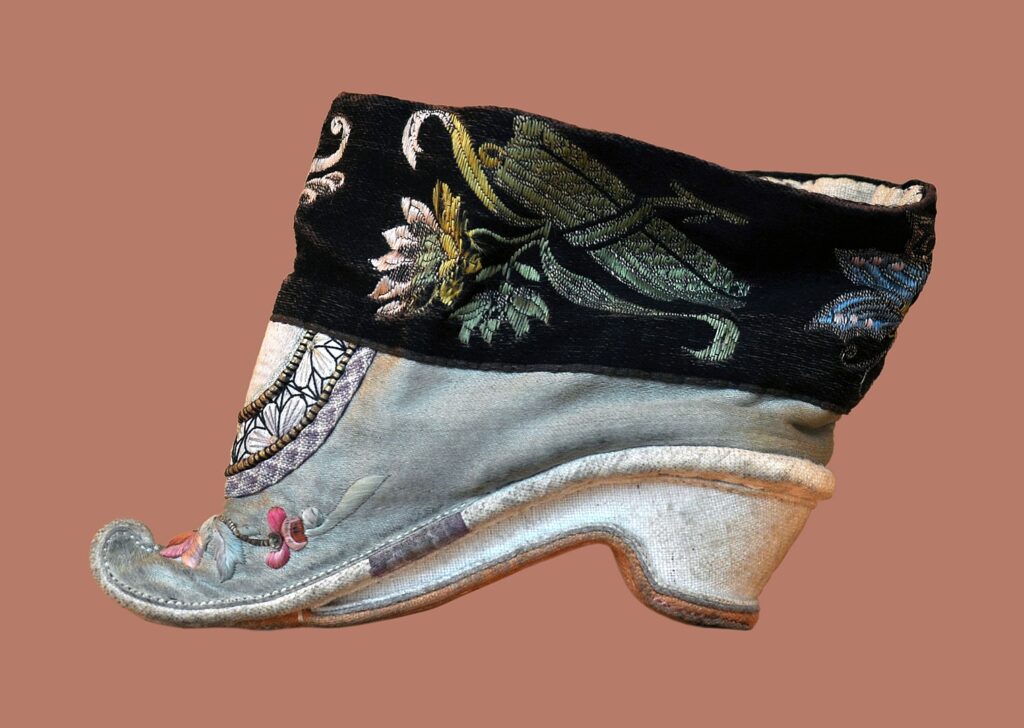
In ancient Chinese society, the aesthetics of footbinding, despite the suffering they caused, were associated with notions of femininity, wealth, and distinction. The idea that a bound and thus deformed foot could be perceived as beautiful may seem surprising, but its appreciation is a cultural conception linked to specific values and ideals.
- Femininity: Small feet were seen as a sign of delicacy and femininity, reinforcing the traditional image of a gentle and fragile woman.
- Wealth: The practice of footbinding was costly and involved constant care, meaning that only affluent families could afford it. Thus, small feet became an indicator of high social status.
- Distinction: Additionally, the skill required to bind and maintain feet in an “aesthetic” state was considered a form of art, adding a certain distinction to those who mastered this practice.
In summary, these values associated with bound feet, combined with the legend of Emperor Xuanzong and his concubine, contributed to making this practice an ideal of beauty in ancient China.