Is it true that having a larger brain makes you smarter? The brain size comparison only make senses when comparing members of the same species to one another. Nonetheless, brain size has relatively little effect on intelligence; other factors have a far higher influence.
It has long been assumed that a person’s IQ is proportional to their brain size. It seems natural that the larger the volume of the thinking organ, the more capability it should have for processing information and storing content. But this might not be the case.
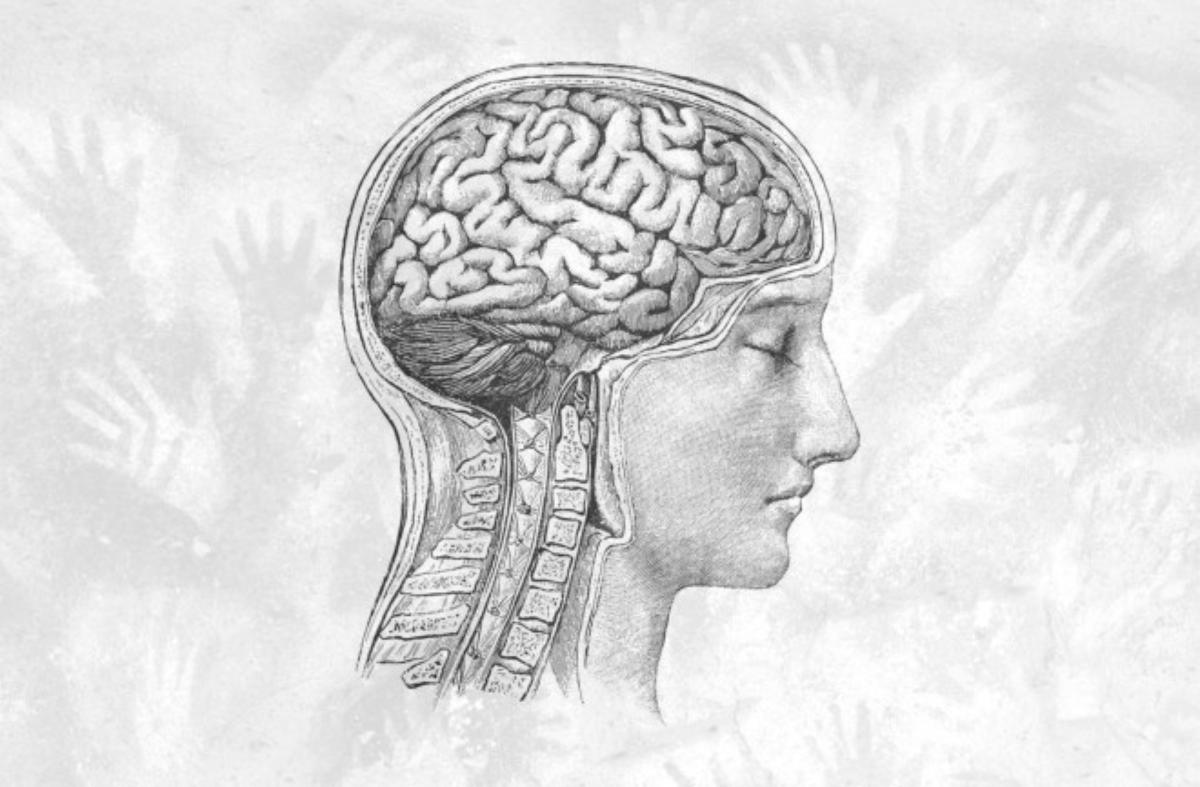
Studies of the brains of different vertebrates demonstrate that it is not quite that simple. The sperm whale has the largest brain. This marine species, however, has this equally large thinking organ due to its vast body mass. So, maybe the brain-to-body mass ratio is more important?
Thus, the shrew is the vertebrate with the largest brain-to-body mass ratio. But this and other related relationships between body measurements and brain features have already been discovered. Contrary to popular belief, none of these calculations ranked humans first on the neurocharts.

In general, the (relative) size of a species’ brain tells us little about its intelligence or adaptability. This is mostly due to the different sizes and densities of neurons found in different animal species. Human neurons, for example, are more compact and take up less space than neurons in most animal brains.
Strange Findings
But could varying brain size play a role within individual species? An historical occurrence involving Friedrich Schiller’s tomb exemplifies this assumption. Before the poet was put to rest in the Weimar royal vault, Goethe, a close friend of the poet, asked that his colleague Schiller be placed next to him. The latter, on the other hand, had died young, and the only information available about his last resting place was that it was somewhere in the so-called Kassengewölbe. After futile efforts to match the excavated bones to Schiller’s death mask, it was decided to be the largest skull buried beside Goethe. People of the time believed that the exalted spirit needed a lot of space to contemplate. However, DNA testing performed in the 2000s revealed that none of the bones in “Schiller’s coffin” genuinely belonged to him. As a consequence, his coffin is now empty.
Not Entirely Inaccurate
However, the intelligent big skull theory is not entirely inaccurate. The study of the association between skull size and cognitive aptitude started in the early twentieth century. Even if the majority of the study suggested a positive correlation, the early measurements were still quite inaccurate. This changed in the 1970s, when imaging tools such as magnetic resonance imaging (MRI) were discovered, allowing researchers to accurately estimate the volume of the human brain while the individual was still alive. When comparing individuals within a species, researchers use absolute volume rather than body measures. Using these tools, researchers discovered that disparities in IQ are mostly explained by differences in brain size.
According to some of the studies, if there is a four-point difference in IQ between two people, one IQ point may be allocated to the difference in brain size alone. That would have a significant effect. Several further studies on the subject have been published, essentially demonstrating a link between intelligence and brain size. However, this only explains one out of every twenty IQ points variation between two people.

To put it another way, the size of the thinking organ is merely one of several aspects that contribute to the biological basis of our cognitive abilities. IQ is significantly more strongly connected to how well neurons are networked and how rapidly different brain areas interact with one another than it is to brain size. Thus, the better the gray cells’ wiring, the more effectively they collaborate.