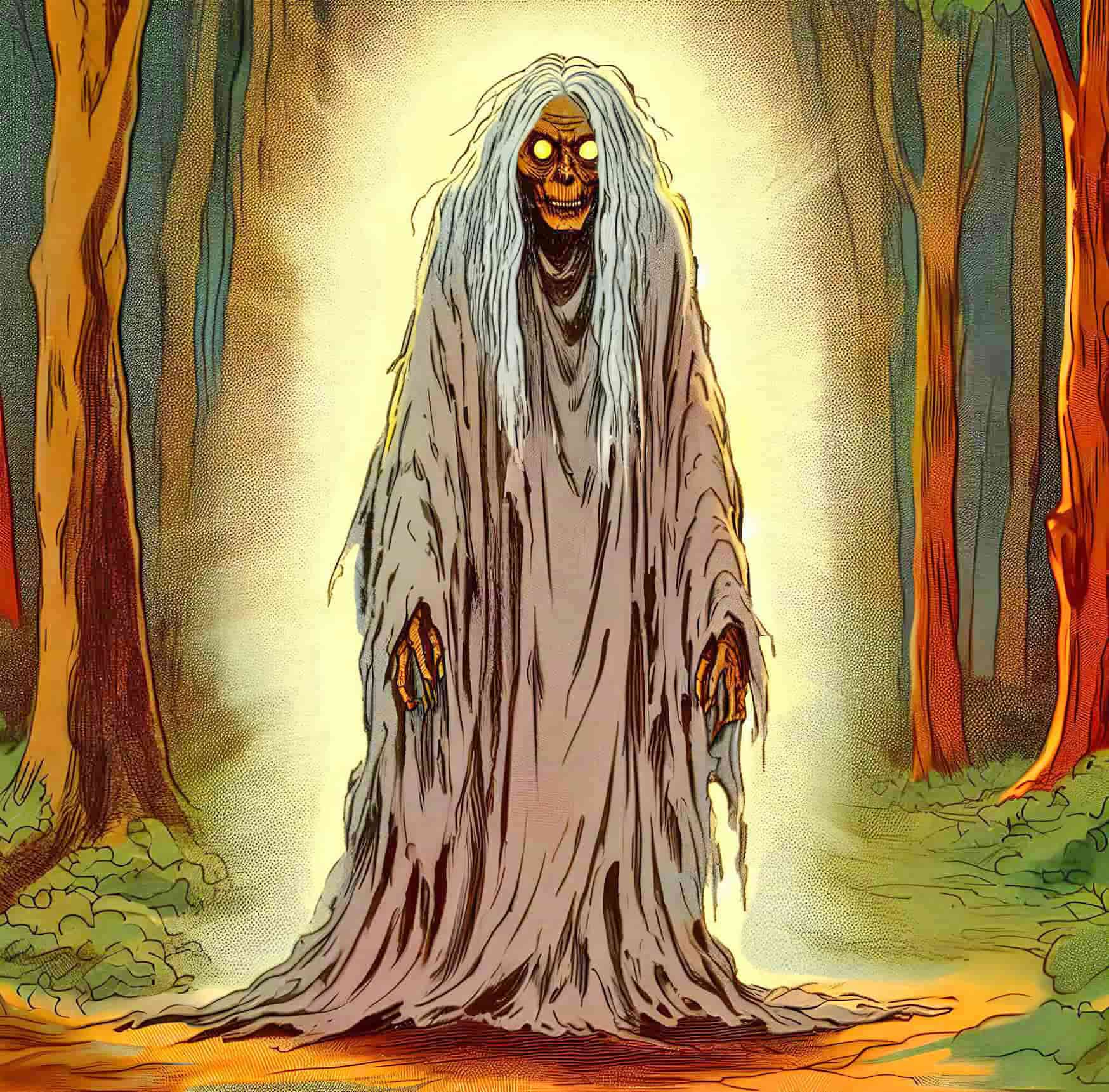
Towering over ordinary mortals with brutish strength, shaggy hair, and an insatiable appetite for human flesh, the ogre stands as one of the most recognizable monstrous archetypes in global storytelling. While modern animated cinema has softened the figure into a misunderstood swamp dweller, the classical ogre of European fairy tales and world folklore represented a terrifying embodiment of predatory power, starvation, and the dangers lurking beyond the village edge. Tracing the history of the ogre reveals how ancient linguistic roots, Roman underworld deities, and real historical traumas merged to create the ultimate giant of nursery cautionary tales.
Etymological Roots in Orcus, the Roman God of the Underworld
Although the word ogre feels as old as language itself, its formal entry into European literature occurred at a specific historical moment in late seventeenth century France. The term was popularized by the French fairy tale pioneer Charles Perrault in his landmark 1697 collection Histoires ou contes du temps passe (Stories or Tales of Past Times), though an earlier isolated appearance occurs around 1180 in Chretien de Troyes’s Arthurian romance Perceval, which mentions the mythical realm of Logres as the land of the ogres.
Linguists trace the French word ogre directly back to the Latin name Orcus, the ancient Roman and Etruscan god of the underworld, oaths, and the punishment of broken covenants. Unlike Pluto, who ruled the subterranean realm with regal distance, Orcus was envisioned in rural Italian folklore as a hairy, winged, grim reaper figure who physically seized the souls of the dead. As Latin evolved into medieval Italian dialects, Orcus became the orco or uorco—a man eating forest giant who haunted mountain passes—while simultaneously crossing into Old English via Germanic cognates as orcneas in the epic poem Beowulf, and centuries later inspiring J.R.R. Tolkien’s orcs.
Charles Perrault, Madame d’Aulnoy, and the Classic Fairy Tale Villain
When Charles Perrault and his contemporary salon writer Marie Catherine d’Aulnoy codified the literary fairy tale at the court of King Louis XIV, they established the behavioral and physical blueprint of the ogre that endures today. In Perrault’s Little Thumb (Le Petit Poucet), the famished woodcutter’s seven sons seek shelter at a lonely castle, only to learn from a compassionate woman that her husband is a ruthless ogre who devours lost children. Returning home, the giant sniffs the air and utters the famous sensory catchphrase that echoes the English tale of Jack and the Beanstalk: declaring that he smells fresh meat.
Crucially, in the tales of Perrault—including Little Thumb, Sleeping Beauty, and Puss in Boots—the ogre is never a mindless wild animal living in a cave; instead, he is depicted as a wealthy feudal landowner living inside a grand castle or manor house, possessing chests of gold, seven league boots that cross mountains in a single stride, and the magical ability to shapeshift into lions and mice. Folklorists note that for seventeenth century French peasants who endured devastating famines in the 1690s while paying crushing feudal taxes to aristocratic lords, the castle dwelling ogre who literally ate the children of poor woodcutters served as a thinly veiled social metaphor for predatory nobility. Yet every fairy tale ogre shared one fatal weakness: despite his physical invincibility, he was vain, gullible, and easily outwitted by the cleverness of a small child or a talking cat.
Global Parallels: From the Japanese Oni to the Rakshasa and Dev
The psychological need to personify brute, cannibalistic terror is not unique to Western Europe; nearly every major civilization developed a direct counterpart to the ogre. In Japanese folklore, the oni emerged as towering, muscular humanoids with red, blue, or black skin, wild hair, sharp claws, and bull horns growing from their foreheads. Wearing tiger skin loincloths and wielding massive iron spiked clubs called kanabo, oni functioned originally as invisible spirits of disease and disaster in Buddhist and Shinto cosmology before evolving into physical mountain ogres defeated by folk heroes like Momotaro, the Peach Boy.
Across the Indian subcontinent and Southeast Asia, Hindu and Buddhist epics such as the Ramayana chronicle the exploits of the Rakshasas—powerful nocturnal shapeshifters with protruding fangs and fiery eyes who disturb Vedic sacrifices, haunt cremation grounds, and feast on human travelers, led by the ten headed scholar king Ravana. In Persian, Turkish, and Central Asian oral traditions, travelers feared the Dev (or Div), colossal horned ogres possessing reverse feet and immense magical strength who imprisoned princesses inside underground fortresses until slain by heroes like Rostam in the Shahnameh, while North Algonquian indigenous traditions warned against the Wendigo, a gaunt winter spirit born from the taboo of human cannibalism during freezing famines.
Why the Ogre Endures in Human Imagination
From an anthropological perspective, the figure of the ogre fulfilled two vital functions in pre modern communities. First, at a practical level, stories of child eating giants lurking in deep forests, dark wells, and abandoned ruins functioned as effective behavioral guardrails, terrifying young children into staying within eyesight of the village before dusk. Second, by pairing a colossal, terrifying monster against the smallest, weakest member of society—such as Hop o’ My Thumb or a youngest sibling—and allowing the child to triumph through quick thinking rather than muscle, ogre tales taught generations of listeners that intelligence, courage, and composure can overcome even the most overwhelming physical odds.