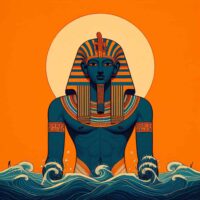
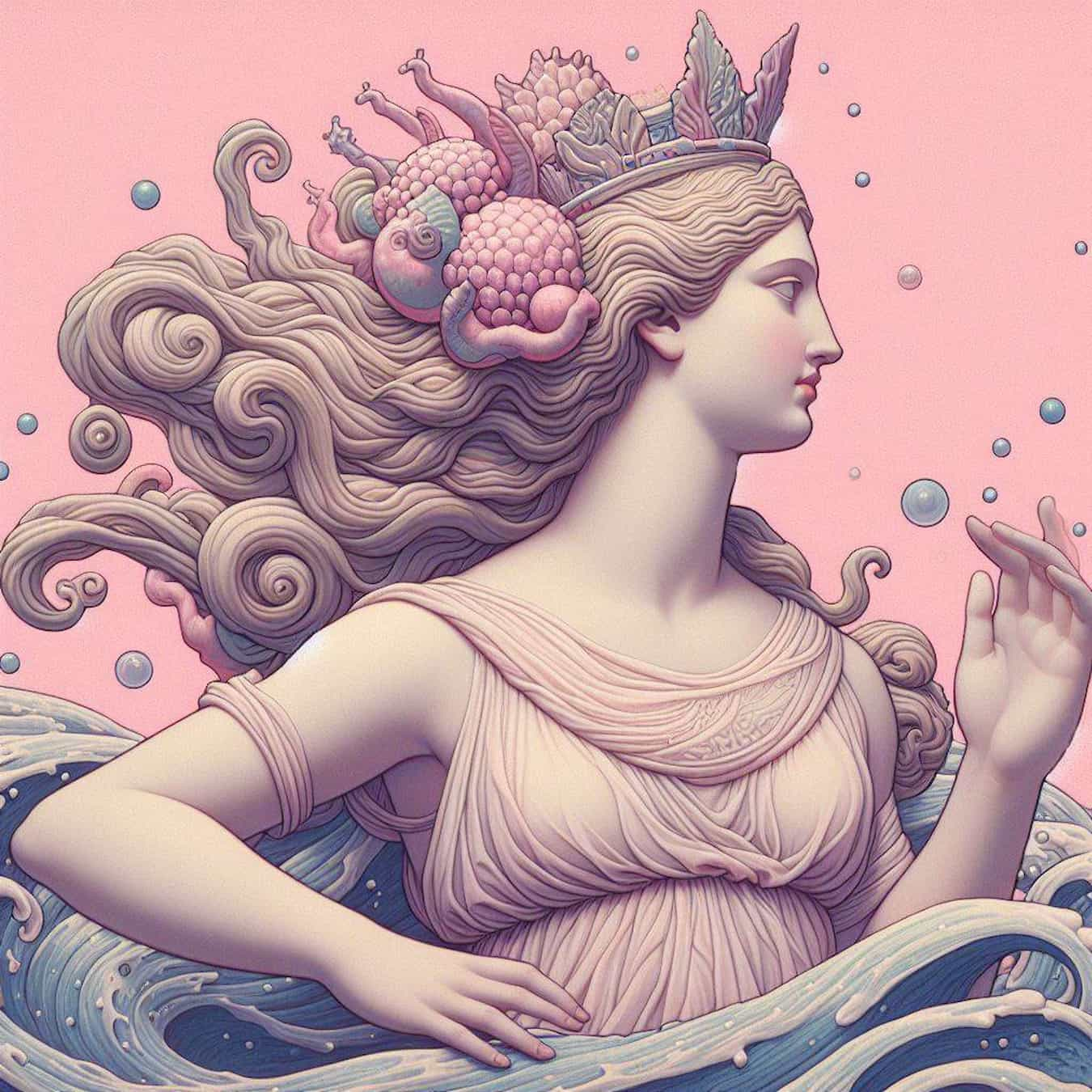
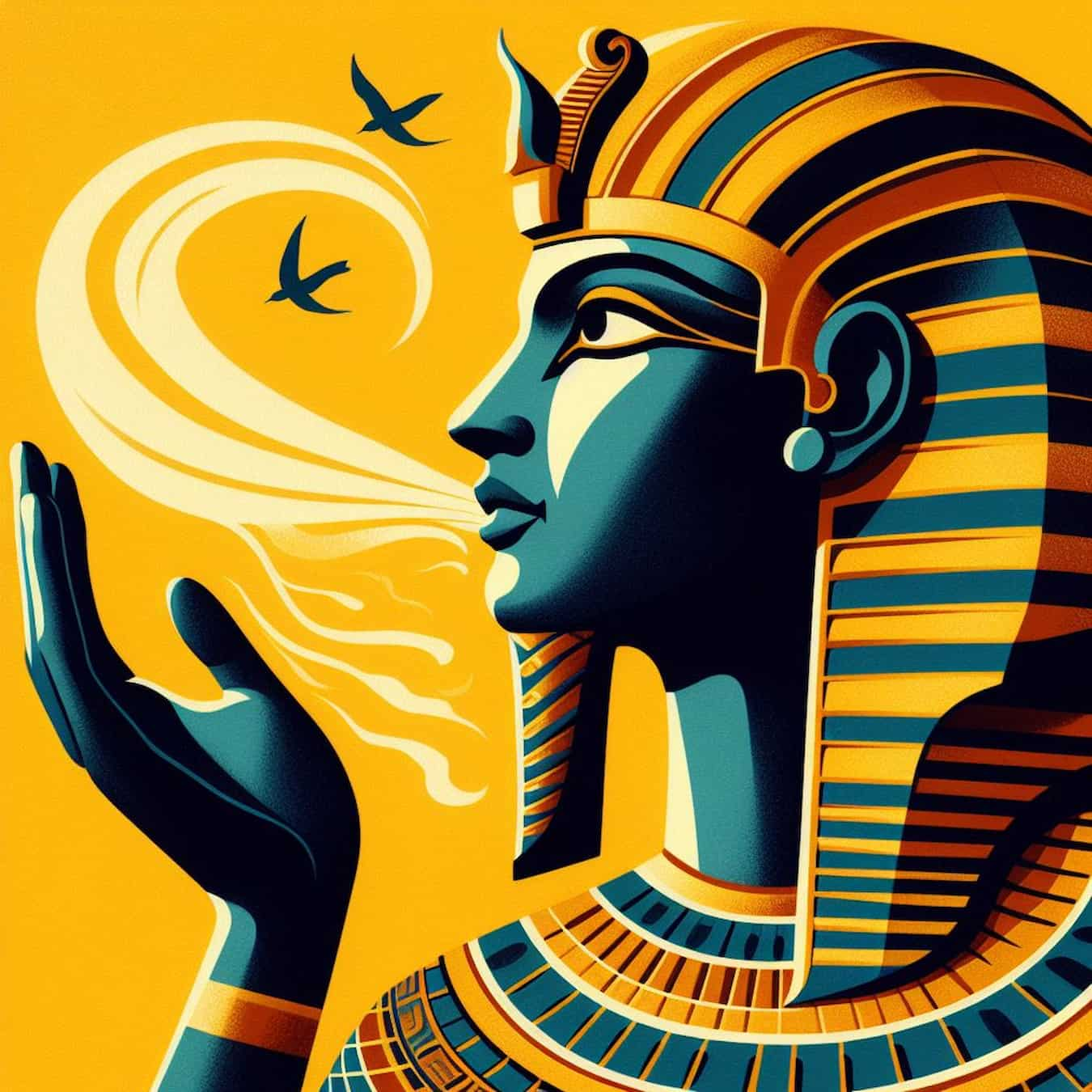
In the earliest cosmological texts carved inside the Fifth and Sixth Dynasty pyramids at Saqqara around 2400 BC, the birth of the physical universe began when the self created sun god Atum rose upon a primeval mound of earth emerging from the dark, boundless waters of Nun and brought forth the very first divine couple: a son named Shu and a daughter named Tefnut. Revered for three thousand years as a foundational member of the Great Ennead of Heliopolis—the sacred council of nine creator gods—Tefnut embodied the essential atmospheric moisture, morning dew, and life sustaining rain that balanced the scorching desert heat, while simultaneously holding a terrifying alter ego as the fiery, lion headed Eye of Ra.
The Twin Lioness of Moisture and Cosmic Order
According to the theology of Heliopolis (ancient Iunu), before Shu and Tefnut were born through Atum’s breath or vital bodily fluids, no space or differentiation existed in the cosmos. Shu personified dry, sunlit air and the physical space that held the sky goddess Nut high above the earth god Geb, while his twin sister and consort, Tefnut, personified moisture, humidity, mist, and the gentle rains that fell from the heavens. Together, the twins were known in the Pyramid Texts and Coffin Texts as the Ruty—the Twin Lions—who guarded the eastern and western horizons at dawn and dusk as the solar barque sailed into the sky.
In Egyptian temple reliefs and bronze statuary, Tefnut was almost always depicted as a slender woman with the head of a fierce lioness—or as a full lioness—crowned with the round solar disk encircled by the rearing cobra (the uraeus) and holding the ankh symbol of life and the papyrus scepter in her hands. To the farmers of the Nile Valley, Tefnut was not merely weather; she was closely linked to Maat, the cosmic principle of balance and truth. If Tefnut withheld her moisture completely, the desert sands scorched the land into dust; if she balanced her brother Shu’s dry air with refreshing morning dew and the waters of the netherworld sky, grain sprouted and the deceased pharaohs had pure water to quench their thirst in the afterlife.
The Myth of the Distant Goddess and the Nubian Exile
The most dramatic narrative surrounding Tefnut in Egyptian literature is the Myth of the Distant Goddess, preserved on temple walls at Philae and Dakka as well as in Demotic papyri. According to the story, after a bitter quarrel with her father, the sun god Ra (Atum), Tefnut grew furious with the state of Egypt, abandoned her post in the Delta, and fled far to the south into the scorching deserts of Nubia (modern Sudan and southern Egypt).

Transforming into a bloodthirsty wild lioness who breathed fire from her nostrils andwhose mane smoked with rage, Tefnut roamed the Nubian wilderness hunting prey. Her departure triggered an immediate ecological catastrophe across Egypt: without the goddess of moisture in the land, the Nile shrank, wells dried up, plants withered, and Maat began to collapse. Desperate to bring his daughter home, an aging Ra summoned Tefnut’s twin brother Shu and the wise god of magic and rhetoric, Thoth. Disguising themselves as two agile baboons so they could approach the ferocious lioness without being mauled to death, Thoth and Shu trekked into the Nubian desert.
Thoth’s Fables and the Joyful Return of the Flood
When Thoth found the raging lioness Tefnut in the desert of Bugem, he did not try to overpower her with weapons; instead, he used the gentle magic of storytelling, music, and homesickness. Whenever Tefnut bared her fangs and prepared to tear the small baboon apart, Thoth calmly told her charming animal fables—including the famous fable of the Lion and the Mouse, which centuries later passed into Greek literature as one of Aesop’s Fables—and spoke poetically about the cool, shady marshes, fragrant wine, and joyful festivals waiting for her back home in her beloved cities of Egypt.
Softened to tears of nostalgia by Thoth’s eloquence, Tefnut agreed to return northward down the Nile Valley accompanied by dancing troops of Nubian musicians, baboons, and bes-spirits who played tambourines and poured wine to keep her temper calm along the way. As she crossed the southern border of Egypt at Philae and Elephantine, she bathed in the cool waters of Abaton, shedding her ferocious Nubian lioness rage and transforming into the gentle, benevolent goddess of fertility and joy. Her triumphant procession through every major city along the Nile coincided precisely with the summer arrival of the annual Nile Inundation—turning the Myth of the Distant Goddess into the grand ritual celebration of water returning to renew the land of Egypt.