Sovnya at a Glance:
What is a sovnya, and where did it come from?
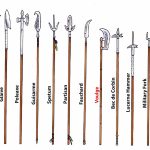
A sovnya is a polearm that was used as a stabbing and chopping weapon by the Ancient Russians or u0022Rus’ people.u0022 The weapon is a mixture of different cold weapons from various regions, such as the glaive and rohatyn (u0022Bear Spearu0022) of Western Europe, the guandao of China, the naginata of Japan, and the palma of Siberia. The spear’s curved blade makes it an excellent weapon for cavalry.
When was this weapon first put to use?
The origins of this weapon are unclear, but it was likely first used in Eastern Europe. The earliest surviving chronicle mentioning the weapon is the Novgorod First Chronicle from 1016u002du002d1471, which suggests that the Lithuanian army used this weapon in 1234. However, some scholars believe that the term u0022sovnyau0022 was removed from the original text, and darts or throwing spears were what was actually meant.
Who used the sovnya, and for what purpose?
It was primarily used by the Muscovite people as a medieval polearm. In the 17th century, it became a weapon of common soldiers in Moscow. The polearm was employed by the people’s militia in the Polish-Muscovite War (1605–1618) and the Battle of Moscow (1612). It was also sometimes used for flagpoles.
What is the design of a sovnya, and what other weapons are similar to it?
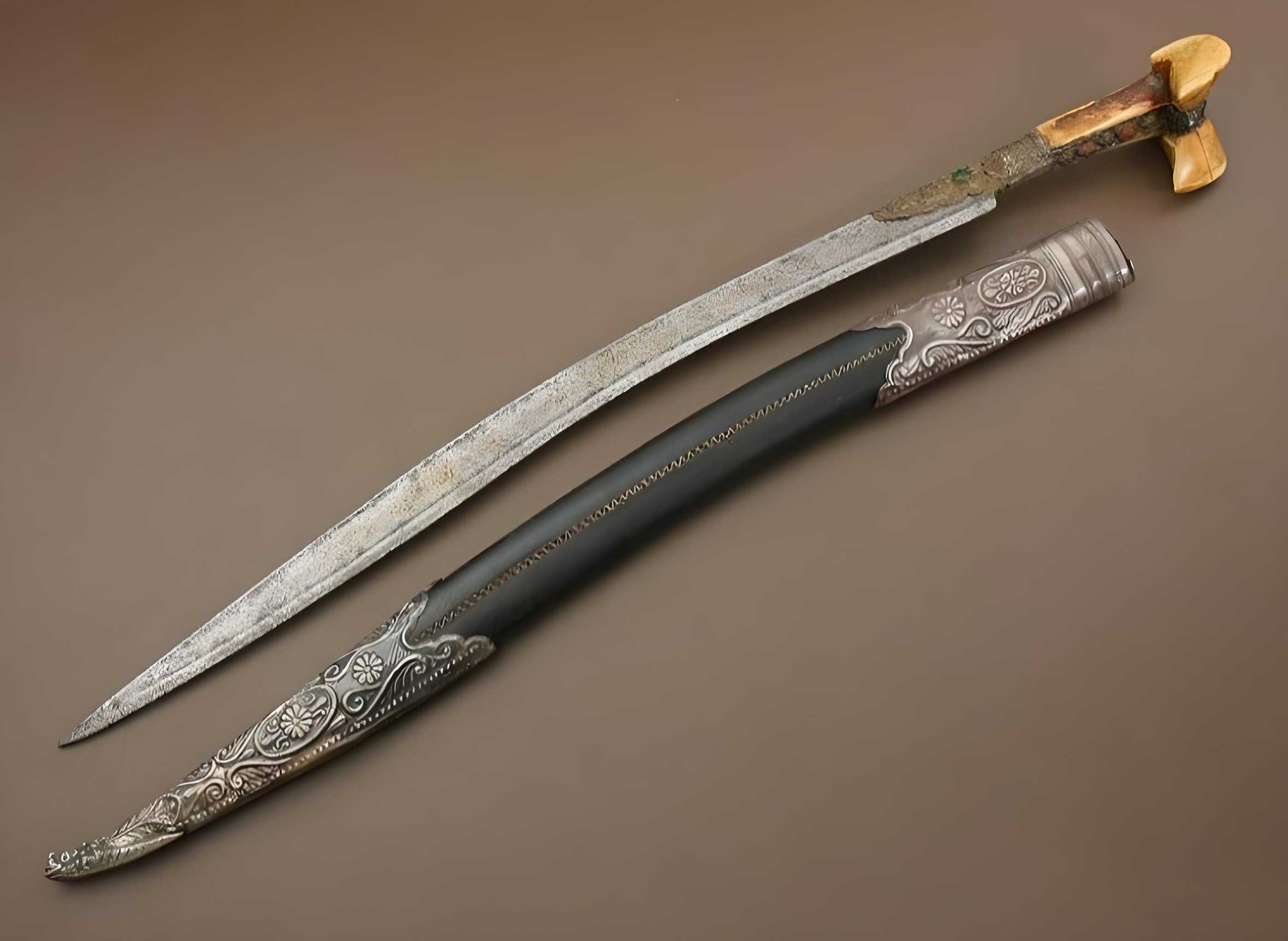
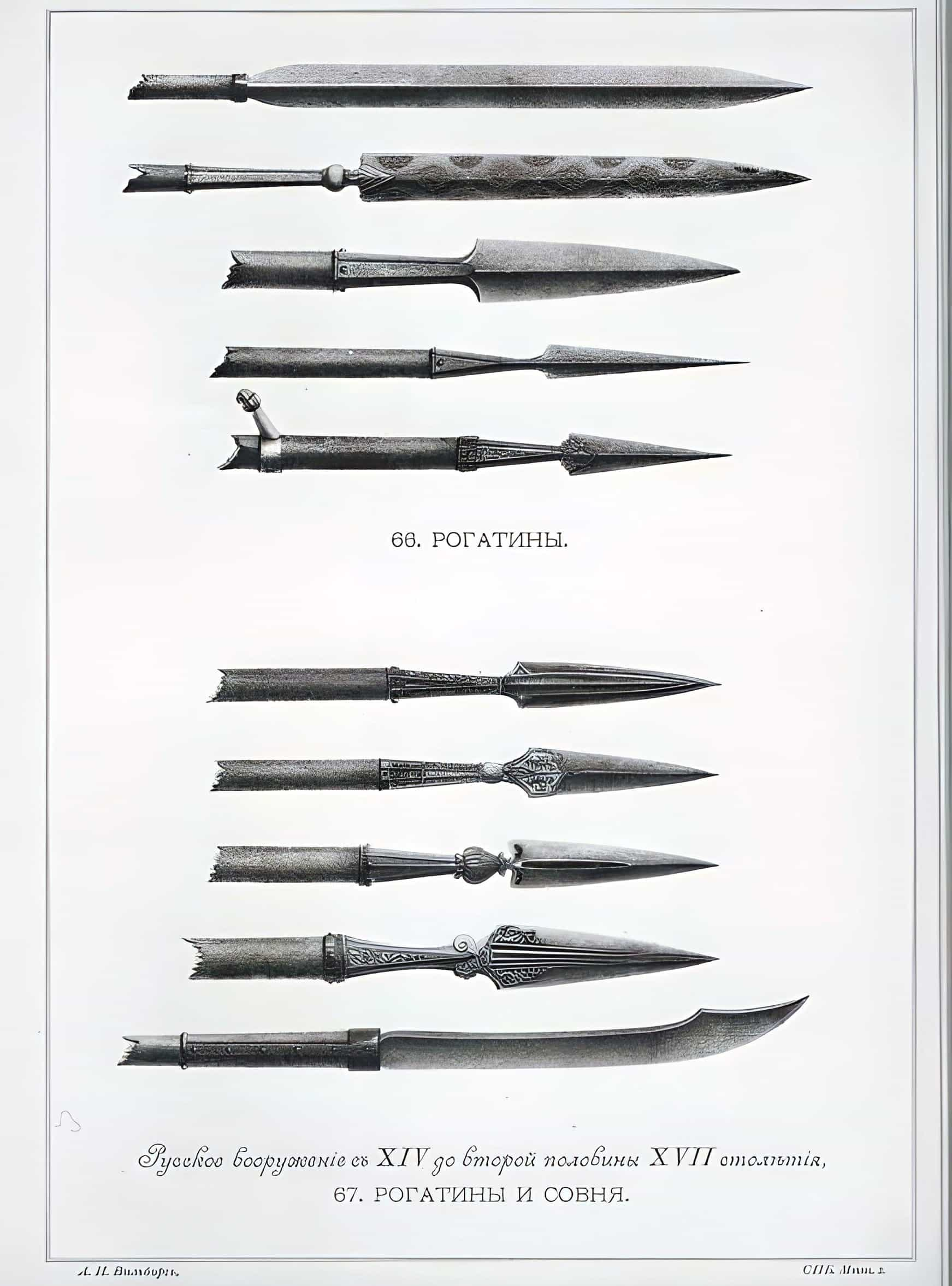
It has a beveled butt on the end of an abnormally long piece of blade tip that is 20u0022–32u0022 (50–80 cm) long, and 2u0022–4u0022 (5–10 cm) broad. The tip was often slightly curled upward and sometimes straight. The weapon could cause slashing, piercing, and chopping wounds. Other weapons similar to this polearm include the glaive, guandao, kusa, naginata, palma, and falchion.
Ancient Russians or “Rus’ people” used the sovnya as a stabbing and chopping pole weapon. The appearance of the sovnya is a mixture of the glaive and rohatyn (“Bear Spear”) of Western Europe, the guandao of China, the naginata of Japan, and the palma of Siberia. As a polearm, the weapon appears like a saber with a longer hilt. The curve of its single-edged blade makes it a better cavalry weapon than traditional swords.
Origin of Sovnya

The sovnya’s range mostly included Eastern Europe. The Muscovite people used it as a medieval polearm. The curved blade of this weapon is said to have developed from rohatyn (not to be confused with Rohatyn city). It has also been speculated that this weapon descended from the war scythe, similar to how the glaive was developed in the first place. No one knows for sure when the sovnya was first put to use.
The Lithuanian army in 1234 may have used sovnyas as suggested by one interpretation of the Novgorod First Chronicle, the Novgorod Republic’s earliest surviving chronicle, written in the Rus’ language:
“…and they (the Lithuanians) ran into the forest, …leaving weapons, shields, and sovnyas all behind”).
Novgorod First Chronicle (1016–1471)
However, the term “sovnya” was partially removed in the original text, leading some scholars to believe that darts, or throwing spears, were what was really meant.
History of Sovnya
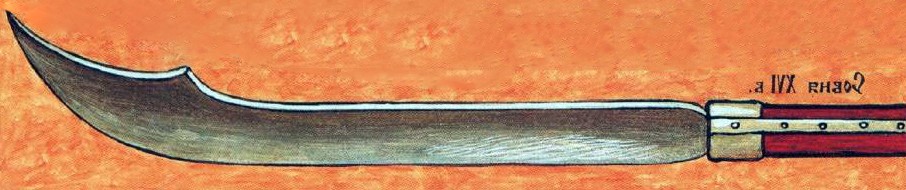
The first mention of this weapon in writing is from the early modern period (the 17th century). Similar to the halberd’s usage in Western Europe, it was a weapon of the common soldiers in 17th-century Moscow.
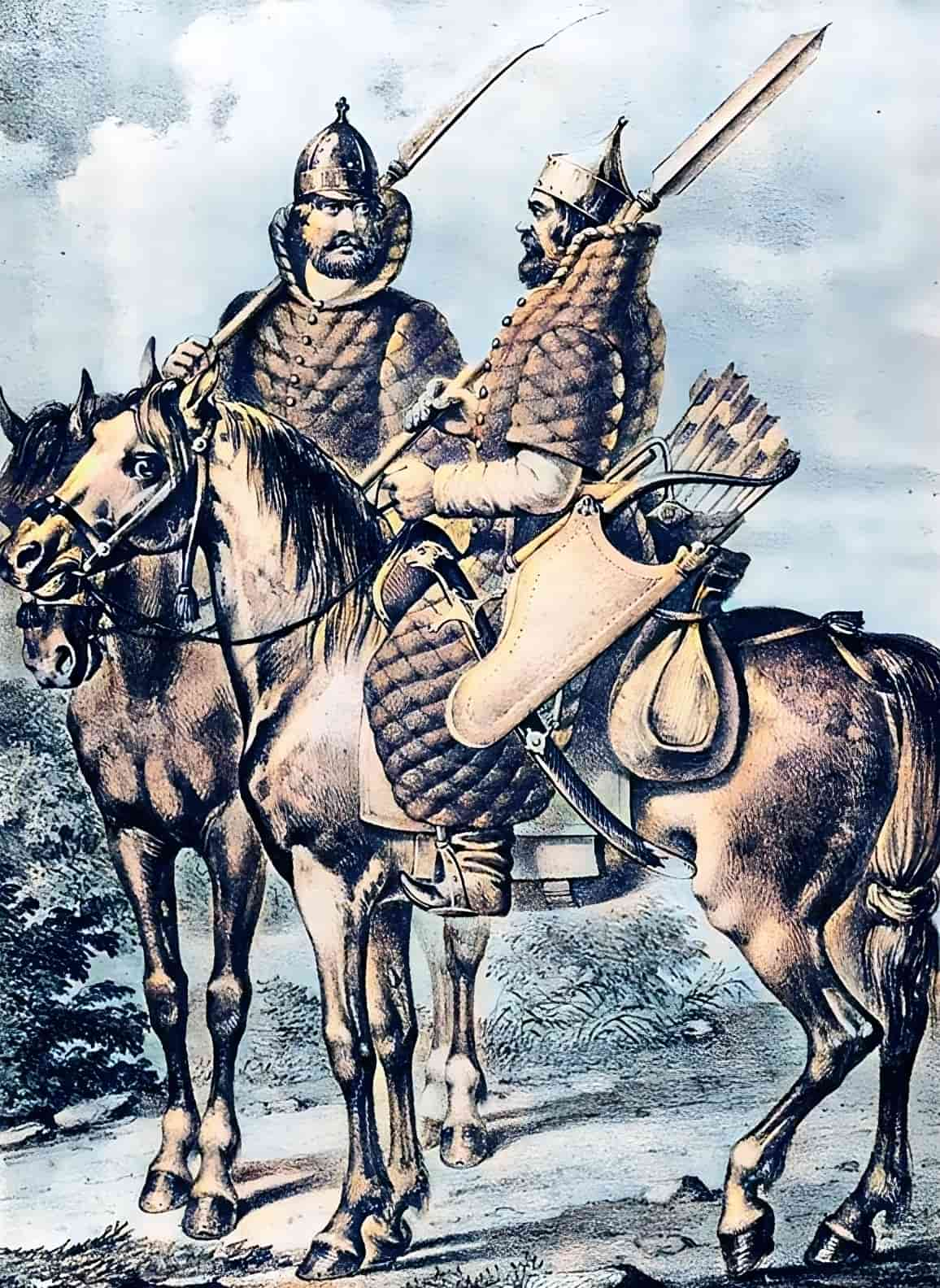
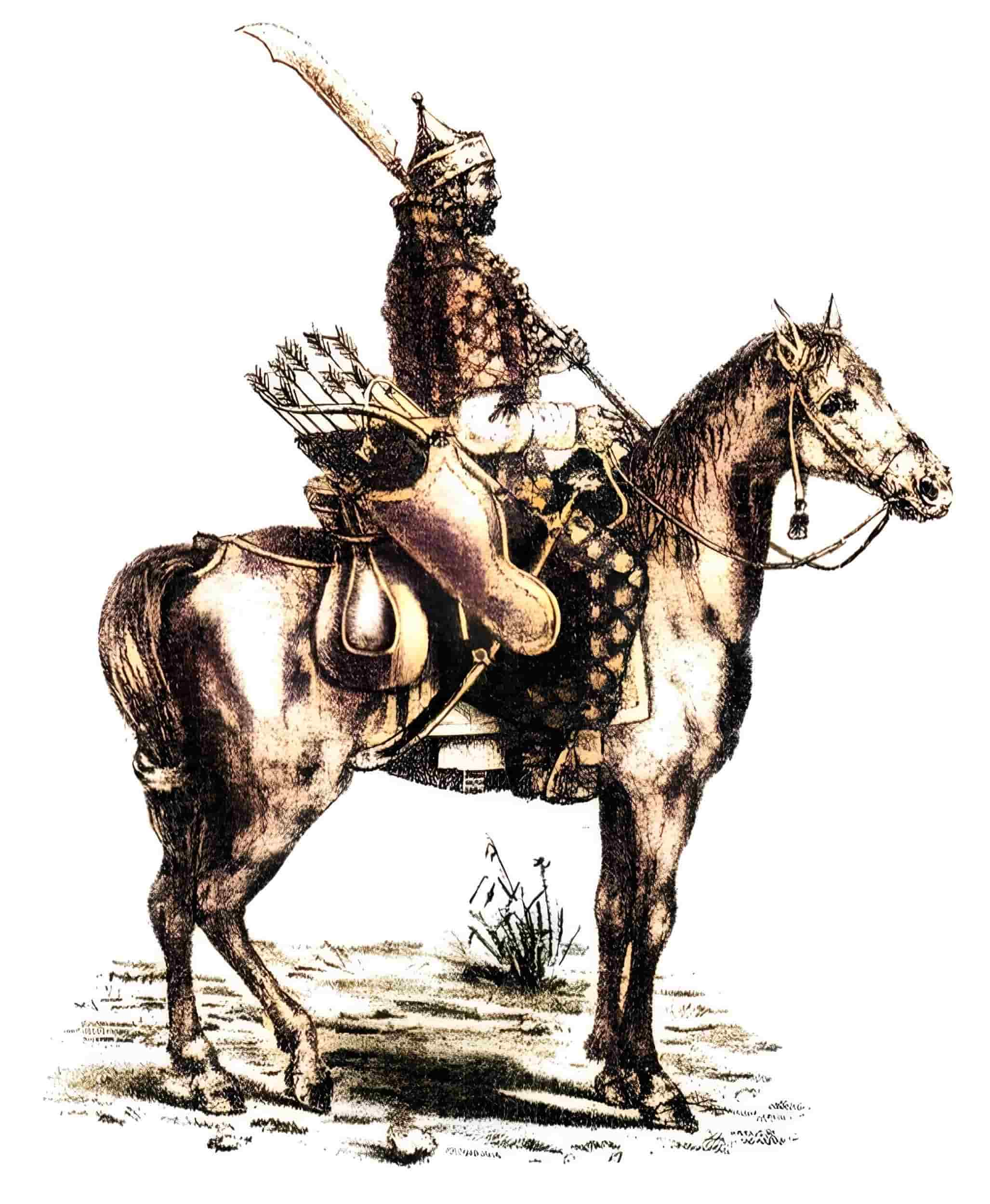
A drawing from a mid-19th-century book named The Historical Description of the Clothing and Weapons of Russian Troops by A. Vasilevich Viskovatov purportedly depicts horsemen from 16th-century Moscow carrying this weapon. According to the Explanatory Dictionary of the Living Great Russian Language the term sovnya was introduced by this military historian.
The sovnya was employed by the people’s militia in the Polish–Muscovite War (1605–1618) and the Battle of Moscow (1612).
Not many people utilized this weapon; therefore, you won’t find many examples even in museums. Some accounts have suggested a sovnya-shaped tip for flagpoles. There is a flag from the 17th century mentioned in the inventory of the Kremlin Armory’s valuables from 1865: “the pole is painted, the tip is iron, the spear is slotted, the sovnya is long and flat, there is a wreath carved under it, and in it is St. Archangel Michael with a sword in his hand.“
Sovnya’s Design
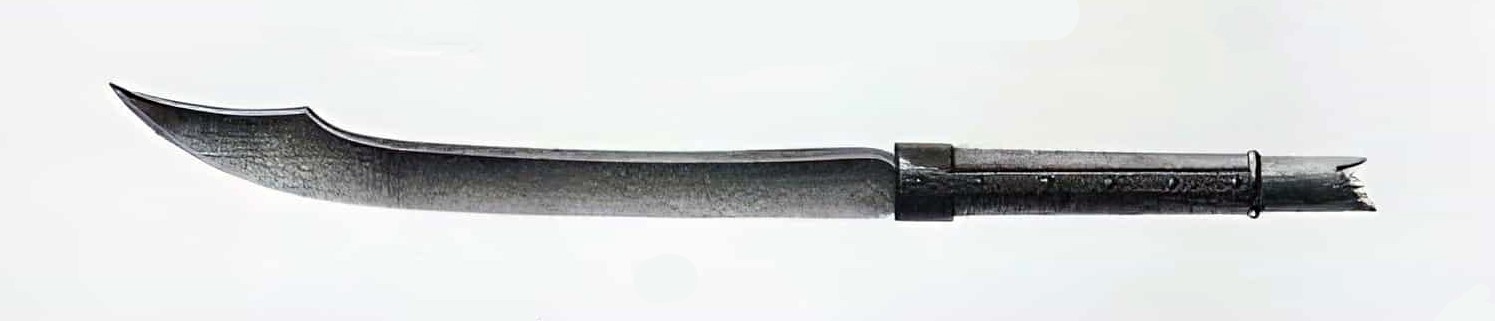
The sovnya appears to be a beveled butt on the end of an abnormally long piece of blade tip that is 20″–32″ (50–80 cm) long, and 2″–4″ (5–10 cm) broad. The weapon’s tip was often slightly curled upward and sometimes straight.
The overall length of the polearm is known to be between 10.8″ and 15.6″ (27.5 and 39.7 cm) thanks to 16th and 17th-century archaeological findings in Moscow, Kolomna, Belgorod, and Cheboksary.
The outer edge of the tip was sharpened into a single point; additional hooks or spikes could be added; and the sovnyas given to the commanding staff could be equipped with a hole through which a banner was placed.
In sovnya, a spear-butt of 1.45″–1.6″ (37–40 mm) in diameter was used to attach the tip to the shaft. The tips were constructed of high-quality steel for the regular army, but low-carbon steel was also employed when a significant quantity of such weapons was needed for the militia. The sovnya was capable of causing slashing wounds in addition to piercing and chopping ones.
Similar Weapons
- Glaive – a Western European cold weapon.
- Guandao – a Chinese cold weapon in the form of a curved blade on a long handle.
- Kusa – a European cold weapon from the 15th century, a variety of halberd similar to a sickle.
- Naginata – a Japanese cold weapon in the form of a curved blade on a long handle.
- Palma – a Siberian cold weapon in the form of a large, curved knife on a handle.
- Falchion – a European cold weapon, a variety of halberd with a tip in the form of a curved sword.