The fabled race of cannibals known as Anthropophage (from Greek ανθρωποφάγος “human eater”, plural “Anthropophagi“) was initially portrayed by Herodotus (c. 484–425 BC) as Androphagi in his writings, and afterward by other writers, such as playwright William Shakespeare. In 1552, the term made its English debut.
Origin
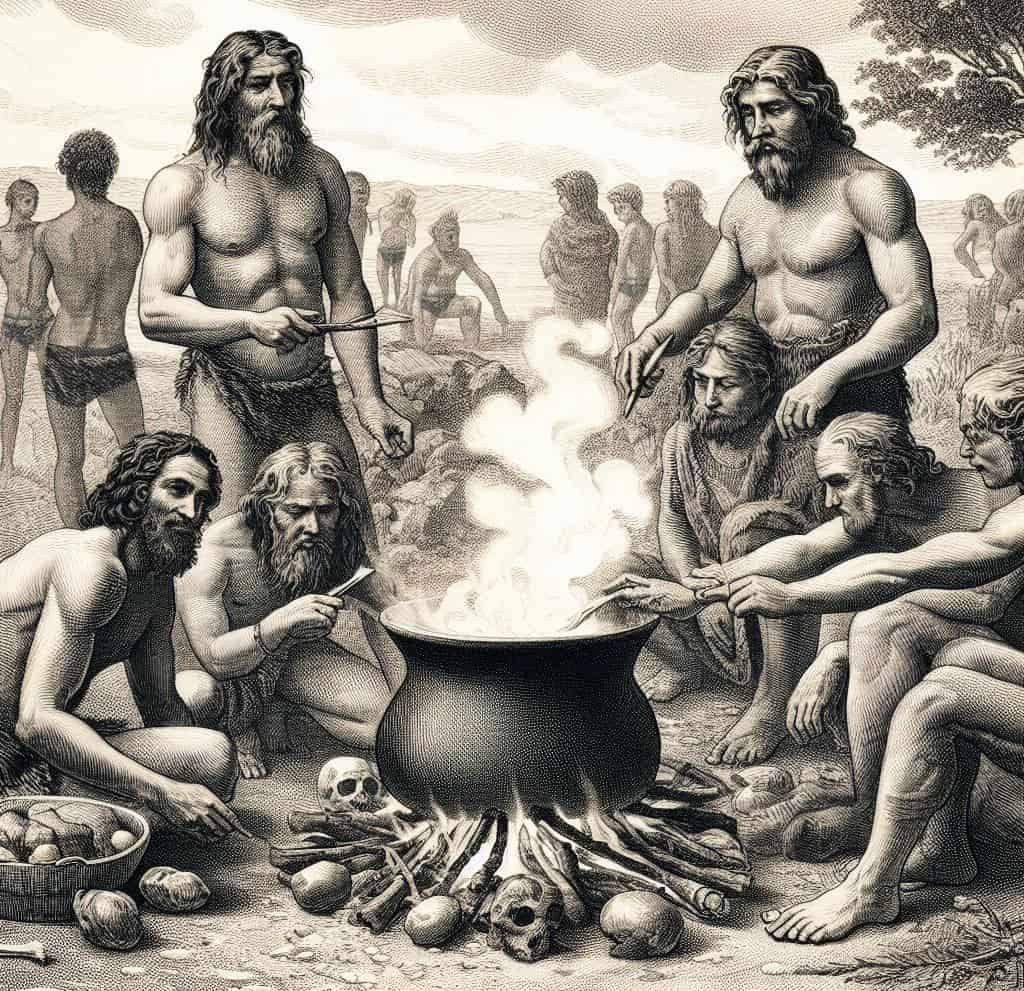
Anthropophagi are commonly depicted in popular culture as headless creatures, although in alleged reality, their faces were on their bodies like a usual human.
Shakespeare’s description of Anthropophage as “and men whose heads do grow beneath their shoulders” in Othello may have led to this misunderstanding.
Furthermore, the Anthropophage sometimes alludes to a distinct race of mythological animals called Blemmyes, more commonly known as “headless men”, who are said to have facial characteristics on their chests rather than their heads.

However, they were two different people. The Blemmyes also dates back to ancient Greek history with the name ἀκέφαλοι, “without a head.”
References to Anthropophage
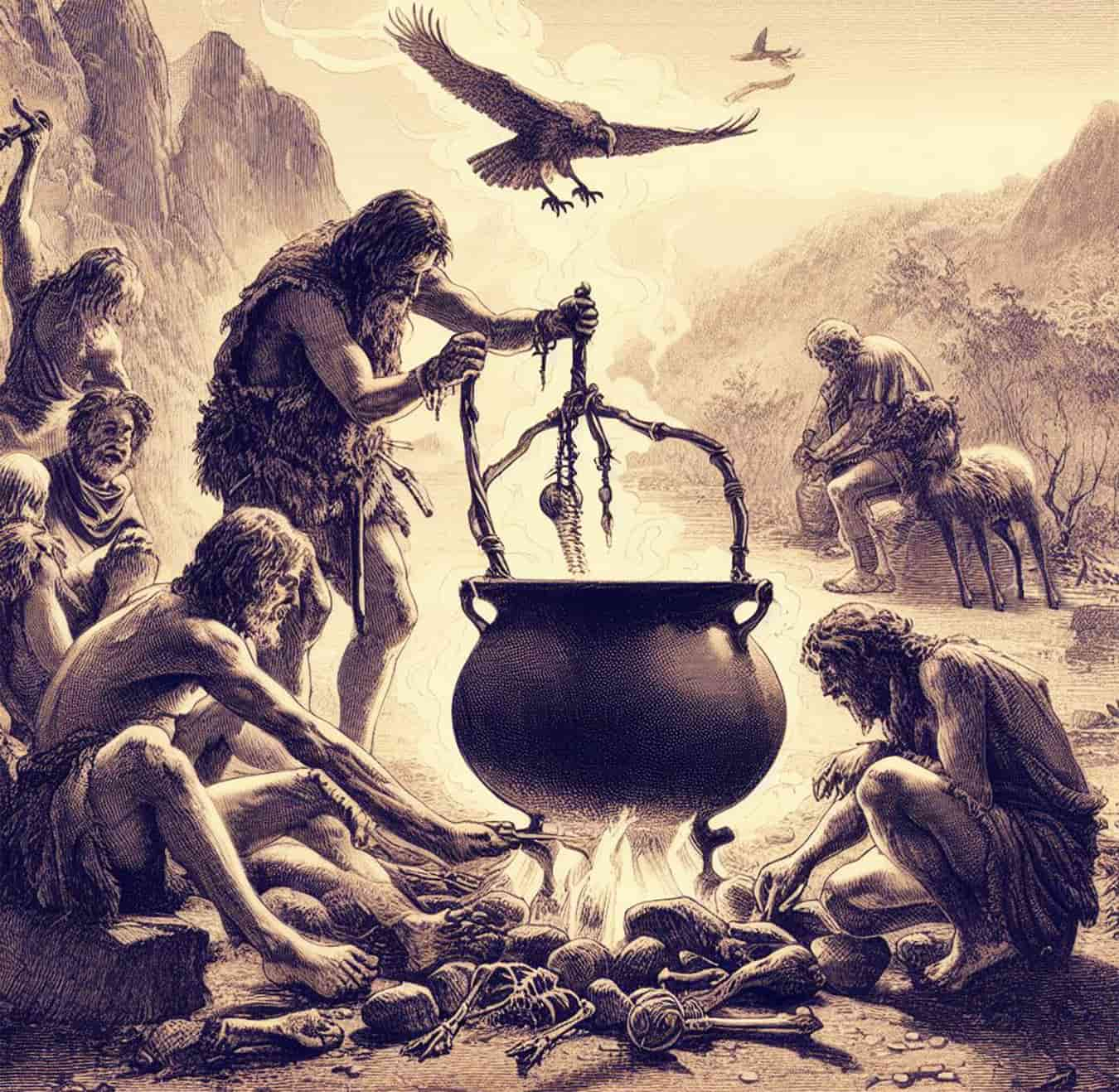
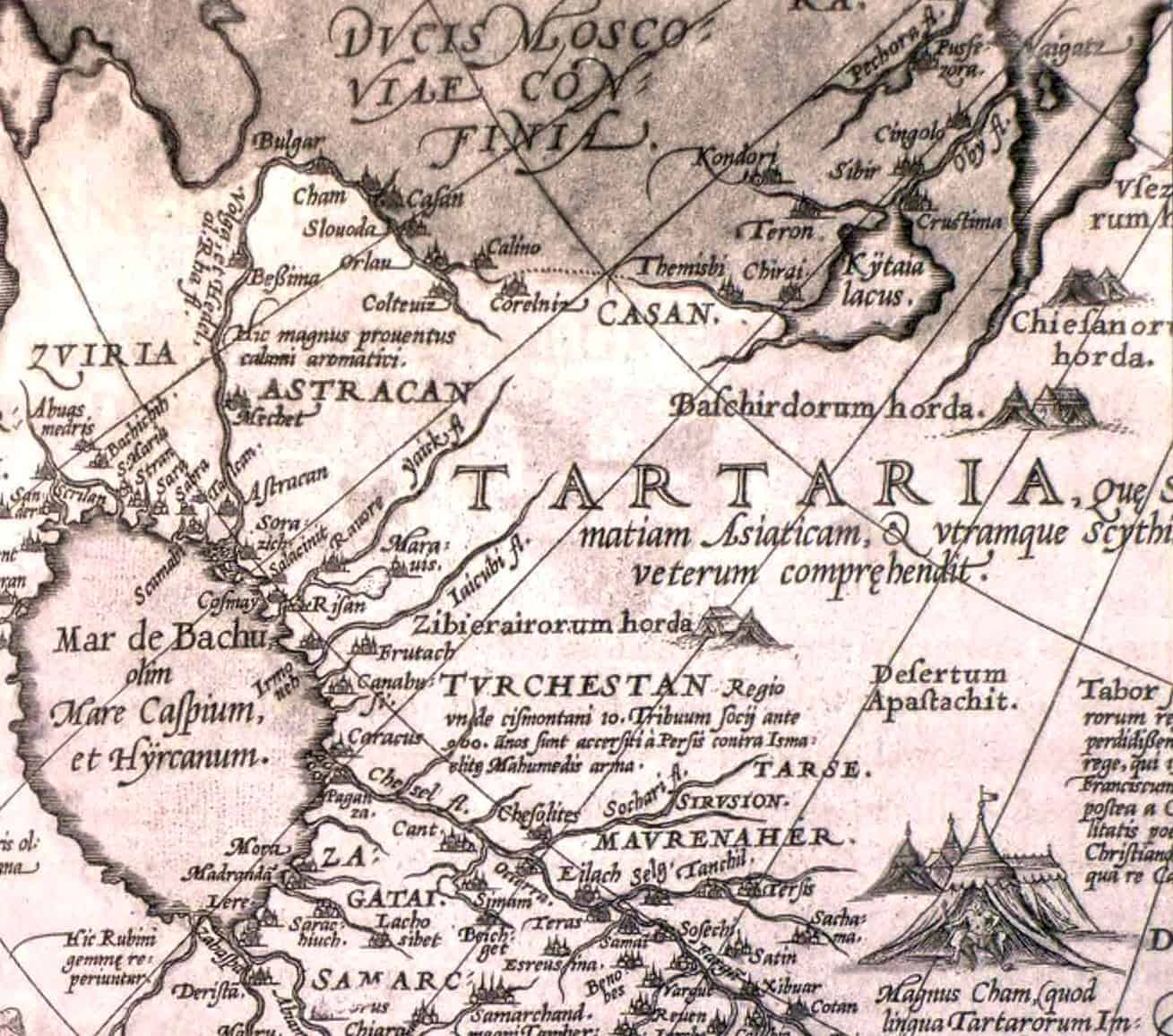
In his “Histories,” Herodotus first mentioned the Anthropophage, referring to them as one of the several tribes that lived close to Scythia. An additional note states that Androphagi are cannibals, as their name implies:
The manners of the Androphagi are more savage than those of any other race. They neither observe justice, nor are governed, by any laws. They are nomads, and their dress is Scythian; but the language which they speak is peculiar to themselves. Unlike any other nation in these parts, they are cannibals. […] Now they who had come together were the kings of the Tauri, the Agathyrsi, the Neuri, the Androphagi, the Melanchaeni, the Geloni, the Budini, and the Sauromatae.
The Histories Book 4: Melpomene
Philostratus in The Life of Apollonius of Tyana, mentions the Anthropophage:
And the Nasamones and the man-eaters [Anthropophagi] and the pigmies and the shadow-footed people are also tribes of Ethiopia, and they extend as far as the Ethiopian ocean, which no mariners ever enter except castaways who do so against their will.
Philostratus, Life of Apollonius 6.21-25 – Livius
The same cannibals in Scythia were subsequently reported by Pliny the Elder in his book Naturalis Historia to have carried human scalps on their chests.
The Anthropophagi, whom we have previously mentioned as dwelling ten days’ journey beyond the Borysthenes, according to the account of Isigonus of Nicaea, were in the habit of drinking out of human skulls, and placing the scalps, with the hair attached, upon their breasts, like so many napkins.
Natural History (Naturalis Historia), by Pliny the Elder, Book 7, Chapter 2.
Pliny the Elder, who lived in the first century AD, once again references Anthropophage in Book 7:
In a more westerly direction [in Athiopia] are the Nigroæ, whose king has only one eye, and that in the forehead, the Agriophagi, who live principally on the flesh of panthers and lions, the Pamphagi, who will eat anything, the Anthropophagi, who live on human flesh, the Cynamolgi, a people with the heads of dogs […]
Pliny the Elder, Natural History 6. 195
The work “Res gestae” by Ammianus Marcellinus made reference to Anthropophages:
Next to these are the Melanchlamae and the Anthropophagi, who roam about upon different tracts of land and live on human flesh. And these men are so avoided on account of their horrid food, that all the tribes which were their neighbors have removed to a distance from them. And in this way the whole of that region to the north-east, till you come to the Chinese, is uninhabited.
Ammianus Marcellinus, Res Gestae, Book 31, 1862
Anthropophage in Written Works
Later authors who referenced the mythical people of Anthropophage in their works were probably influenced by the writings of the ancient Greeks.
- The most well-known example related to these people may be found in Act 1. Scene III of William Shakespeare’s Othello, where it says,
- “of the Cannibals that each other eat … and men whose heads /
Do grow beneath their shoulders“
- “of the Cannibals that each other eat … and men whose heads /
- In The Merry Wives of Windsor, Shakespeare made reference to the Anthropophage once again.
- T.H. White‘s book “The Sword in the Stone” also portrayed Anthropophage as Robin Hood’s adversaries.
- Myths about Anthropophagi are used by American author Rick Jency in his 2010 book The Monsterologist.