Stretching over two thousand six hundred miles from the bone dry Atacama Desert to the glacial fjords of Patagonia, Chile celebrates Christmas during the height of the Southern Hemisphere summer. Known locally as Navidad, the Chilean holiday blends sixteenth century Spanish Catholic heritage, nineteenth century European immigrant customs, and warm weather family traditions. Rather than huddling around fireplaces in snowstorms, Chileans celebrate the birth of Christ beneath blooming jacaranda trees, gathering for late night outdoor dinners, vibrant coastal fireworks, and unique beverages that exist nowhere else in the world.
Viejito Pascuero: How Santa Claus Adapted to the Southern Summer
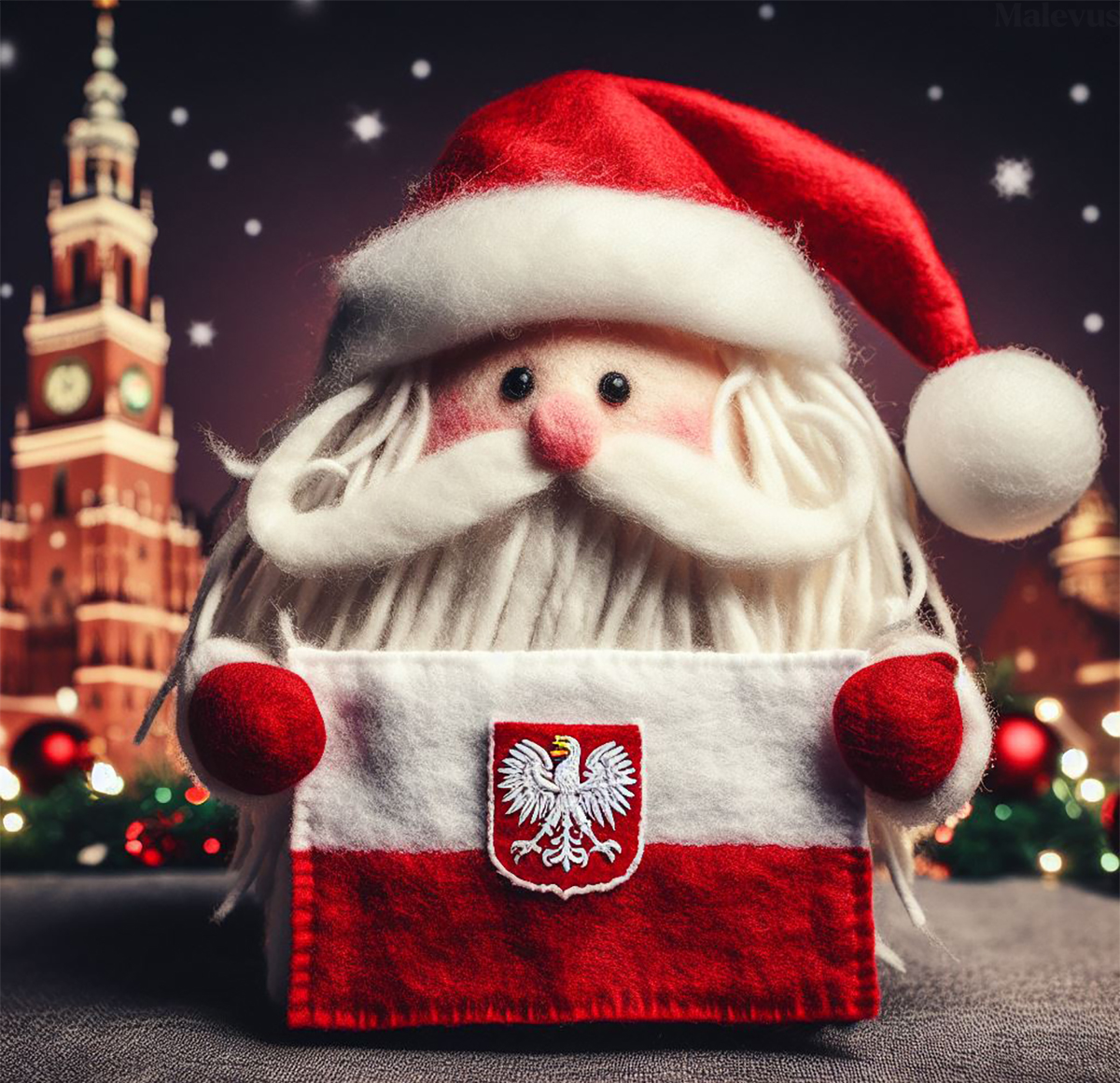
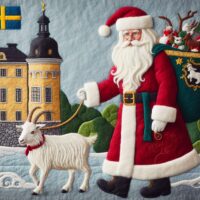
In Chile, the beloved gift bringer is rarely called Papa Noel or Santa Claus; instead, children eagerly await the arrival of El Viejito Pascuero, which translates affectionately to the Little Old Man of Christmas. In Chilean Spanish, the word Pascua historically referred to major religious feasts including Easter, Pentecost, and Christmas, though today Pascua is often used conversationally for Christmas alongside Navidad.
Visual depictions of Viejito Pascuero began circulating in Santiago department stores during the early twentieth century as European and North American toy manufacturers advertised their wares. Although he retains the iconic white beard and red suit, Chilean folklore adapts his personality to the local geography and climate. Because December evenings in central Chile reach temperatures above eighty degrees Fahrenheit, children often joke that Viejito Pascuero trades his heavy fur boots for sandals when crossing the Andes, and because few modern Chilean homes require heating chimneys, he enters houses quietly through open windows or garden doors at midnight.
Cola de Mono and Pan de Pascua: The Flavors of a Chilean Christmas
No Chilean holiday gathering is complete without the twin culinary pillars of the season: Pan de Pascua and Cola de Mono. Despite its name resembling the Italian Easter bread, Chilean Pan de Pascua is a dark, dense, deeply aromatic sponge cake born from the blending of German Stollen and Italian Panettone recipes brought by nineteenth century immigrants. Baked with dark brown sugar or honey, ginger, nutmeg, cloves, and cinnamon, the batter is soaked in rum or pisco and packed with walnuts, almonds, raisins, and candied fruit, filling kitchens across the country with a warm spiced aroma throughout December.
Served alongside slices of Pan de Pascua in tall, chilled glasses is Cola de Mono, a creamy cocktail whose name translates literally to Monkey’s Tail. Prepared at home by simmering milk with sugar, whole cloves, cinnamon sticks, vanilla bean, orange peel, and instant coffee, the mixture is cooled and spiked generously with Chilean aguardiente or pisco. The humorous name traces back to the early twentieth century presidency of Pedro Montt, nicknamed El Mono Montt. According to popular Santiago lore, after a heated political gathering or election defeat in which Montt had to surrender his Colt revolver—pronounced col de Montt in Chilean vernacular—a resourceful bartender served a coffee and aguardiente concoction in empty liquor bottles, and the playful wordplay evolved into Cola de Mono.
La Novena, Pesebres, and the Midnight Cena de Nochebuena
At its heart, Christmas in Chile remains a deeply family centered occasion anchored in Catholic tradition. During the nine days leading up to December twenty fourth, many parishes and traditional households pray the Novena del Nino Dios, singing traditional Spanish villancicos (Christmas carols) around the family pesebre, or Nativity scene. In rural towns of the Central Valley and on Chiloe Island, artisans craft pesebres out of local clay, wood, and woven horsehair, placing the Holy Family alongside miniature Chilean huasos (cowboys) and native farm animals.
The main celebration takes place on Christmas Eve, Nochebuena. Families dress in their finest summer attire and gather around nine or ten o’clock in the evening for the Cena de Nochebuena. Because of the warm summer weather, the meal is frequently served on open air patios or garden terraces. While roasted turkey stuffed with apples or chestnuts remains a classic centerpiece, many families opt for roasted pork loin, grilled beef asado on the barbecue, accompanied by papas duquesas—golden, piped swirls of mashed potato baked until crisp—and fresh seasonal salads featuring avocados, tomatoes, and palmitos. Exactly at midnight, after families attend or watch the Misa del Gallo (Rooster’s Mass), glasses of sparkling wine and Cola de Mono are raised in a toast, hugs are exchanged, and children rush to open their presents rather than waiting for Christmas morning.
Andean Festival of La Tirana Chica and December Twenty-Fifth
In the far northern desert regions of Tarapaca and Antofagasta, Christmas takes on an indigenous Andean vibrancy through the celebration of the Pascua de los Negros. In desert oasis towns like La Tirana and Pica, religious brotherhoods known as bailes religiosos honor the infant Jesus with days of continuous brass band music, traditional drumming, and elaborate folkloric dances in the town plazas, blending Aymara and Quechua devotion with Spanish colonial liturgy.
Across the rest of the country, after the late night excitement of Nochebuena, Christmas Day itself is a quiet, sun drenched holiday dedicated to rest and recovery. With shops closed and streets peaceful, Chilean families spend the twenty fifth of December lounging in shaded backyards, sharing leftovers of cold roasted meats and Pan de Pascua, or packing coolers to spend the afternoon swimming along the Pacific beaches of Vina del Mar, La Serena, and Algarrobo.