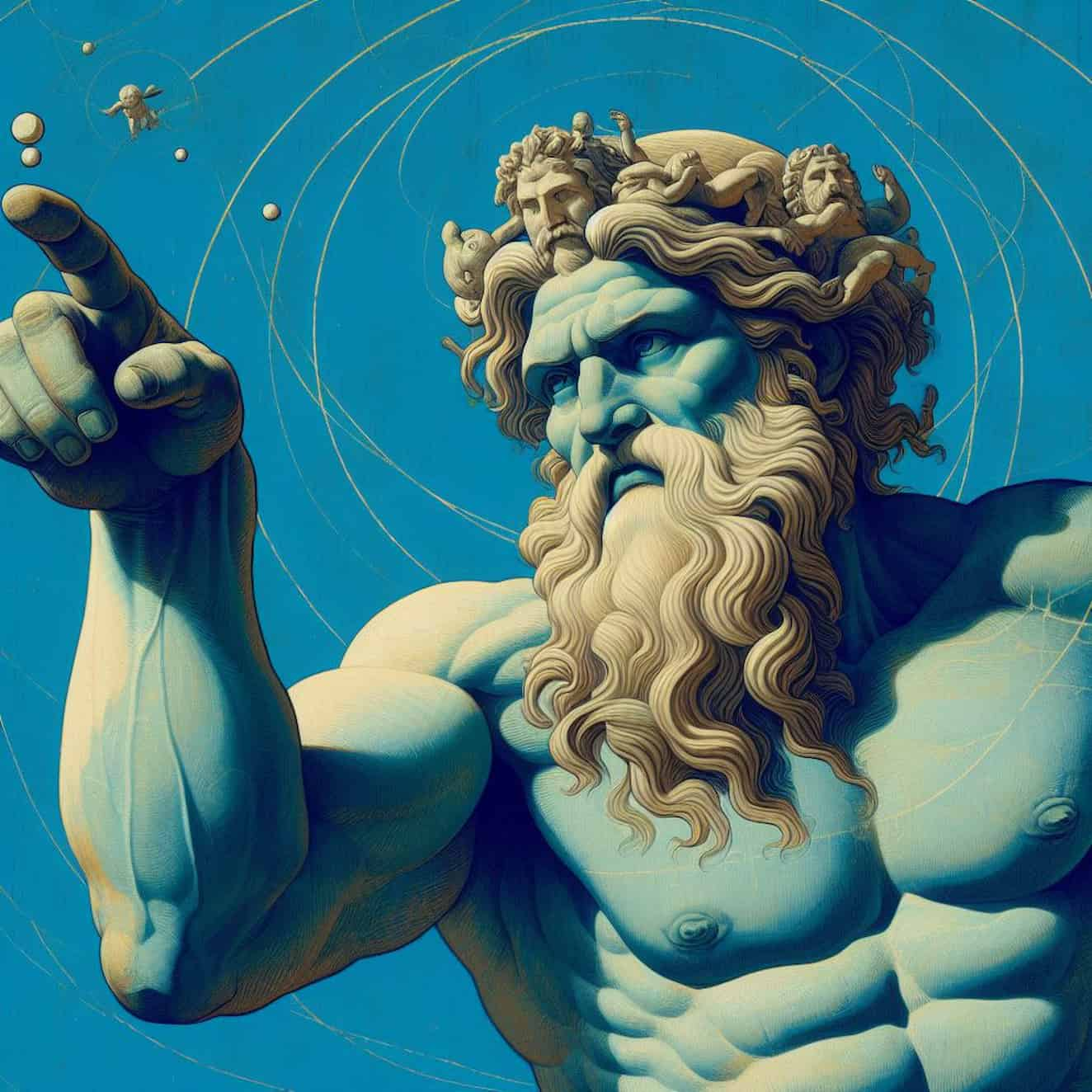
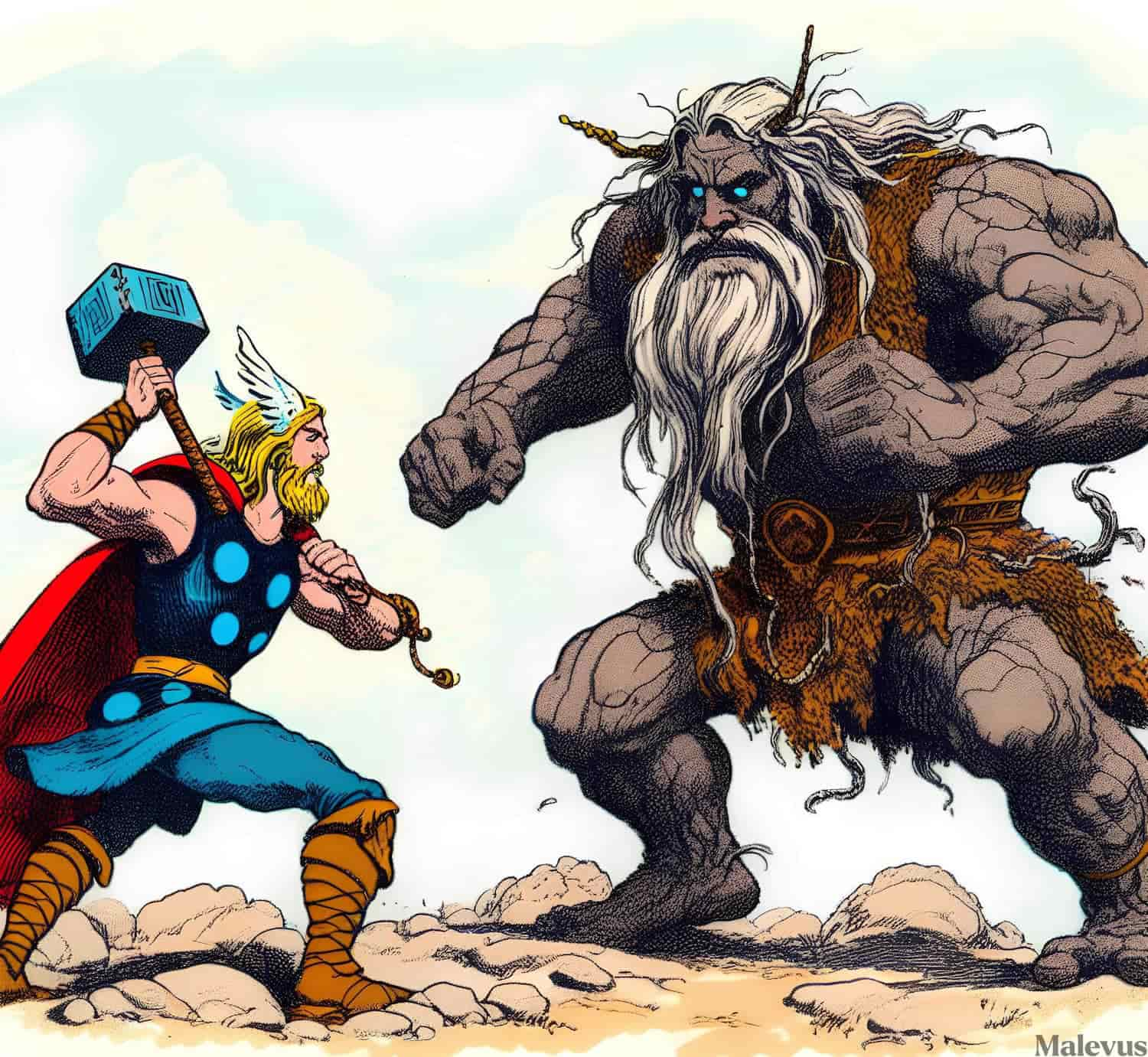
Epiales, recognized as the “black dream” or “melas oneiros” in Greek mythology, represents nightmares. This entity, often considered one of the Oneiroi, the offspring of Nyx, the goddess embodying night, is a daemon associated with dreams. The name Epiales originates from the Greek verb “epiallô,” signifying “to lay upon.” This divine being serves as a representation of unsettling and gloomy dreams that may afflict or “lay upon” those in slumber.
As a spirit or “daemon,” Epiales has the power to afflict sleepers with dark and disturbing dreams. The name suggests that Epiales has the ability to “lay upon” or impose nightmares on individuals. Epiales’ role in Greek mythology was to cause people nightmares while they slept. He was considered a menacing figure. However, he did not have any significant battles or stories associated with him in Greek mythology.
The Symbolism of Epiales
Epiales serves as a symbolic representation of the darker facets within the human psyche. In his role as the embodiment of nightmares, he signifies the fears, anxieties, and internal conflicts that may manifest within our dreams. This interpretation aligns with the ancient Greek perspective on dreams and nightmares, viewing them as divine messages offering insights into an individual’s mental and emotional state.
Within ancient Greek culture, dreams and nightmares held importance and were regarded as meaningful. They were analyzed as omens or messages from the divine, providing guidance or issuing warnings.
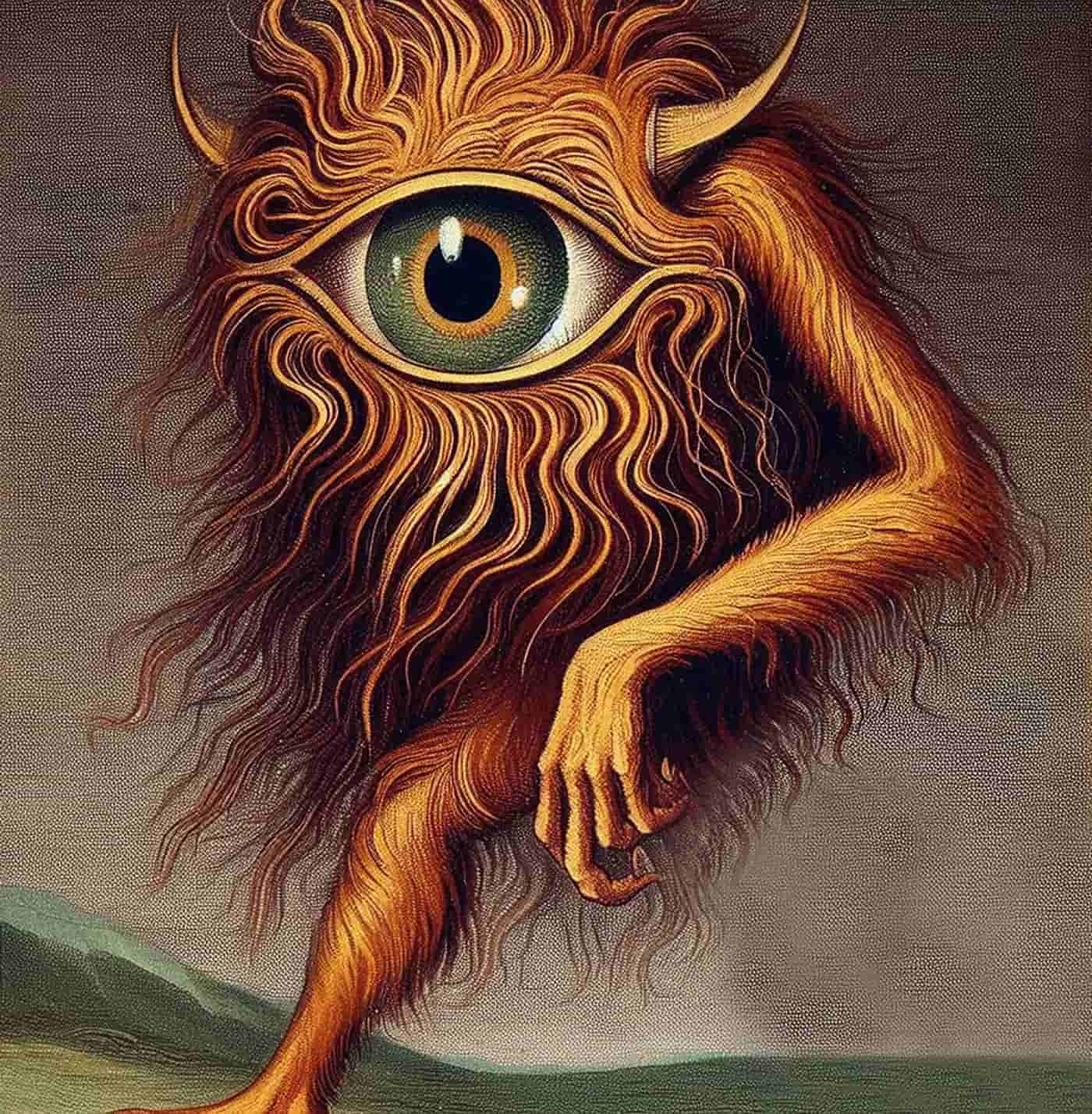
The symbolism of Epiales also underscores the dual nature of dreams in ancient Greek philosophy. While dreams could act as sources of inspiration or prophecy, they also had the potential to evoke fear and confusion.
This dual aspect is personified in Epiales, who has the ability to “lay upon” sleepers both unsettling and enlightening dreams.
Epiales in Modern Culture
Epiales has undergone a reinterpretation in contemporary culture, particularly within literature. An example of this transformation is evident in the novel “The Sun and the Star,” where Epiales assumes the role of an antagonist.
In this rendition, Epiales is depicted as the demon responsible for nightmares and as the offspring of Nyx, the primordial goddess of darkness.
Epiales is also presented as a non-binary entity. Within the narrative, Epiales ensnares two characters, Nico di Angelo and Will Solace, in their most haunting nightmares, until Will’s luminous abilities empower him to overcome the demon. A reformed version of Epiales later collaborates with their siblings Nemesis and Hypnos to assist Nyx but eventually rebels alongside them. The reason cited is that demigods appreciate Epiales’ unique talents, leading to a collective effort to restrain Nyx, allowing their escape.
Difference Between Epiales and Phobetor
Epiales and Phobetor are both figures originating from Greek mythology and linked to the realm of dreams. However, they embody distinct aspects.
Epiales is the embodiment of nightmares, while Phobetor is described in dreams as taking the form of either a beast, a bird, or a lengthy serpent. He is alternatively known as the ‘Frightener’, derived from the Ancient Greek term “φόβος” (phobos), signifying ‘fear’ or ‘panic,’ and stands as one of the myriad sons of Somnus (Sleep).
Phobetor is distinguished by Ovid as having siblings Morpheus, who manifests in human form in dreams, and Phantasos (‘Fantasy’), who appears in dreamscapes in the guise of inanimate objects.
Although both Epiales and Phobetor share a connection with dreams, Epiales specifically embodies the realm of nightmares, while Phobetor is associated with dreams materializing in the form of animals, birds, or serpents.