As every year, the mild summer evenings are favorable for prolonged observation of the sky, especially during the Perseids. It is certainly the most popular meteor shower visible from the northern hemisphere of the year. But what are perseids, what causes them and where are they coming from?
The Perseids are active from July to September each year and usually peak in mid-August. They are considered to be the “best” meteor shower of the year, as they are one of the most abundant – 50 to 100 meteors observed per hour on average in the sky. With very fast and bright meteors, Perseid meteors frequently leave long “trails” of light and color behind them as they pass through Earth’s atmosphere, allowing skywatchers to easily notice them.
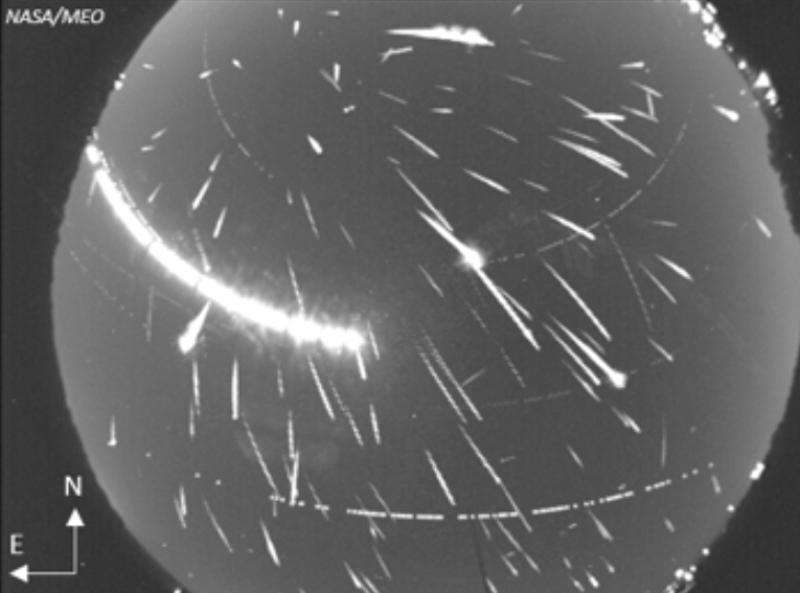
A meteor is a space rock, or meteoroid, that enters the Earth’s atmosphere. As it falls toward Earth, the resistance – or drag – of the air on the rock makes it extremely hot. This bright trail is not actually the rock, but rather the hot air and glowing dust as the hot rock passes through the atmosphere and disintegrates.
Where Do Perseid Meteors Come From?
Meteors come from the remnants of comet particles and broken pieces of asteroids. As comets approach the sun, they see their ice evaporate and pulverize tiny pieces of rock, forming a cloud of small rocky particles. Each year, the Earth passes through these trails of debris, which collide with our atmosphere and disintegrate to create these fiery and colorful trails in the sky. The peak of a shooting star shower corresponds to the peak of meteor activity when the Earth passes through the densest part of the debris shower.

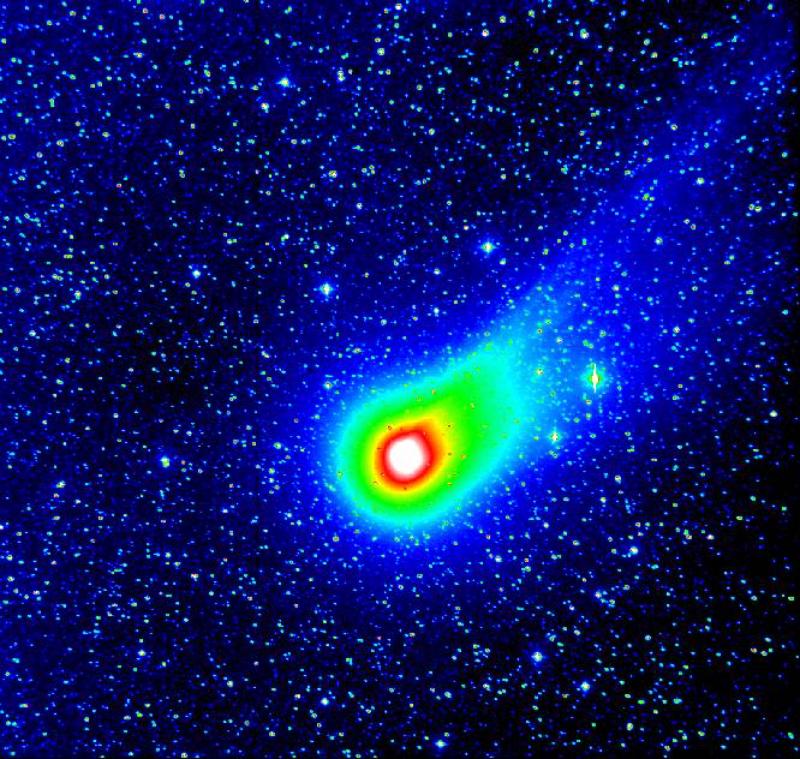
The space debris that interacts with our atmosphere to create the Perseids comes from comet 109P/Swift-Tuttle. It was discovered in 1862 by Lewis Swift and Horace Tuttle. Its nucleus measures 16 miles (26 kilometers) in diameter, nearly twice the size of the meteor that is supposed to have led to the disappearance of the dinosaurs, and four times faster: it goes around the Sun in 133 years. It was Giovanni Schiaparelli who realized, in 1865, that this comet was at the origin of the Perseids.
As the largest object in the solar system (except for the Moon) to pass repeatedly close to Earth, the movements of Comet Swift-Tuttle have been meticulously studied by scientists and have been predicted for many years. Its most recent “perihelion”—the point in its orbit where it comes closest to the Sun—was in 1992, and the next one will not occur until July 12, 2126.
The point in the sky from which the Perseids seem to originate—their radiant—is the constellation of Perseus, which gave the Perseids their name. Although the constellation the meteor shower is named after helps the observers determine which shower they are looking at on a given night, the Perseus constellation is not the source of the Perseid meteors.
How to See the Perseid Meteor Showers?
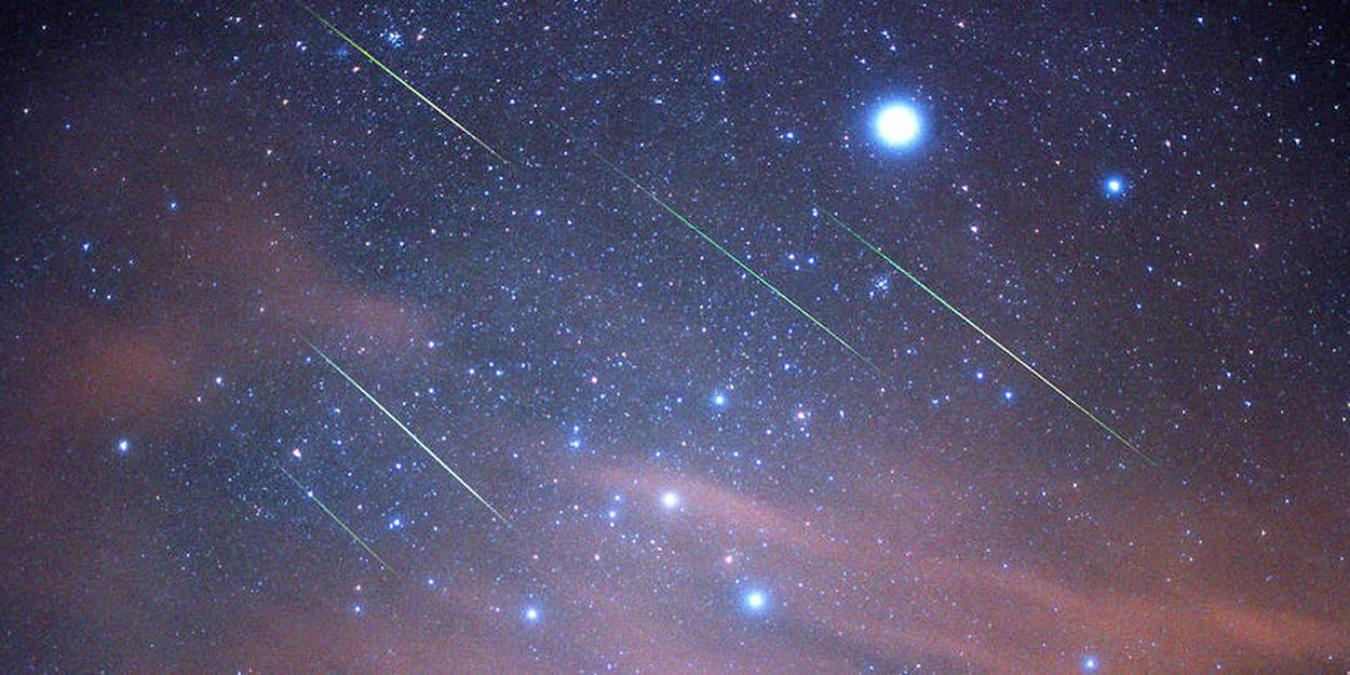
While a shooting star often lasts only a fraction of a second in the sky (with an average speed of 30 mi/s or 50 km/s), it is best to watch a large portion of the sky for at least 30 minutes beforehand for the eye to get used to the darkness. This should be done preferably in “complete darkness” and toward the northeast, for the Perseids. No special equipment is required.
The Perseids are much more visible in the northern hemisphere, because no meteor is visible below about 30 degrees south latitude. The best time is during the hours before dawn when the sky is darkest. It is sometimes possible to see the Perseid meteors during the peak of activity as early as 10 p.m., but the best time for observation is at 3 a.m., according to NASA.
Nevertheless, this year, unlike last year, the Perseid observation will meet a major obstacle, the Moon. There will be a full Moon and it will illuminate the whole sky.
In addition to the Perseids, there are many more meteor showers to observe each year. The Southern Delta Aquariids, usually active between July and August, can be best seen from the southern tropics. These are generally small meteors and are difficult to observe.
There are also alpha Capricornids, active from July to August. What is remarkable about this shower is the number of bright meteors produced during its period of activity, which was observed on both sides of the equator.
Then, this year, we will have to wait for the Orionids, between September 26 and November 22, 2022, with a peak of activity on the night of October 20 to 21. They are quite visible, despite a low density of shooting stars (10 to 20 per hour). These meteors come from Halley’s Comet.