To date, the earliest evidence of opium use in the world comes from a gravesite in Israel. As early as 3,500 years ago, the intoxicant was reportedly given to the deceased to help them on their journey to the afterlife. The fact that opium and other plant elements were discovered in the remnants of pottery containers in late Bronze Age burials is proof of this. The origin of the vessels also suggests that Cyprus was the entry point for opium shipments to the Levant.
There is a historical precedent for the use of intoxicating and hallucinogenic drugs, including their usage by early shamans for trance, by doctors to anesthetize their patients, and by religious institutions to foster a state of ecstatic devotion via the use of cannabis and other hallucinogens. Nearly 2,500 years ago, in northwest China, mourners would bury hemp plants with the dead to aid them in the afterlife. Cuneiform tablets from Mesopotamia and Egyptian writings indicate that opium was also grown approximately 5,000 years ago. However, this is something for which archeological evidence has been lacking
Cemetery rites
Now, Israeli archaeologists have uncovered the oldest known evidence of opium use. Approximately 13 kilometers east of Jaffa, the site of Tel Yehud is located on the fringes of Tel Aviv. Due to the impending construction of a town, a rescue excavation directed by Tel Aviv University’s Vanessa Linares uncovered hundreds of Bronze Age tombs and their accompanying burial artifacts. The tombs were buried between the years 1800 and 1400 B.C.
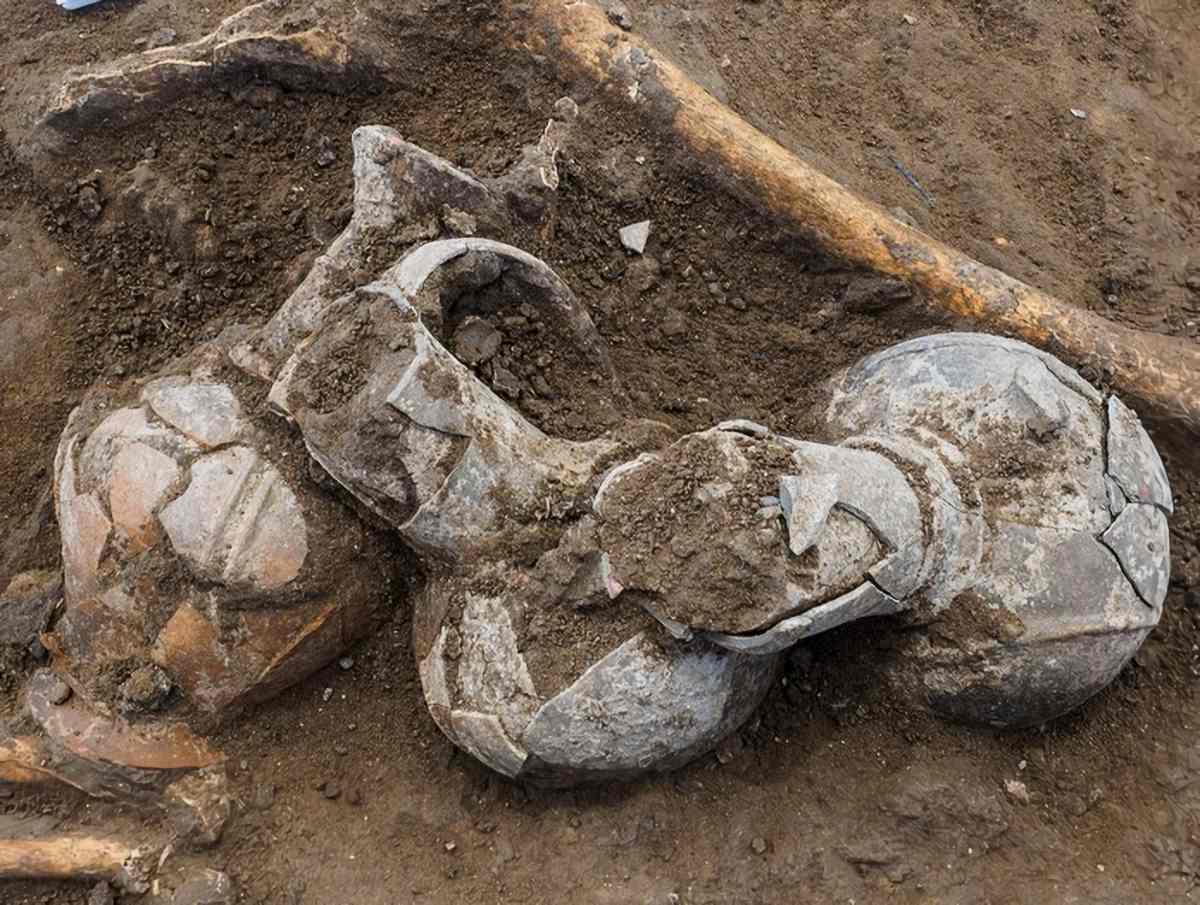
According to Ron Be’eri of the Israel Archaeological Authority, ceremonial meals, ceremonies, and rituals were conducted by the living for their deceased family members using ceramic containers that were deposited in the graves. Food and wine were either deposited in the containers or devoured during a feast at the cemetery, with the deceased counted among the revelers.
Objects shaped like poppy flowers made of ceramic
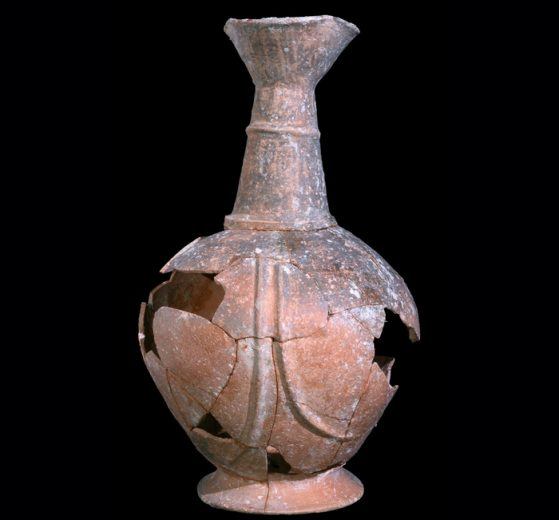
But what makes some of these tombs really unique is the discovery of Cyprus-made “base-ring vessels” among the domestic clay vessels. These little ceramic vases are shaped like the inverted flower of the opium poppy. Because of this, it has been theorized for a long time that these vessels were previously used to store and transport opium oil, which was obtained from poppy pods.
Linares and her colleagues transported 22 ceramic containers of different kinds from the tombs of Tel Yehud to the laboratory, where they extracted samples from the inner vessel wall to determine what was formerly stored within. It was hoped that chemical analysis using gas chromatography-mass spectrometry (GC-MS) would reveal any traces of the substances left behind.
Opium residues prove drug use and importation
Several opioid alkaloids, such as opianic acid, morphine, and other opium breakdown products, were present in 8 of the vessels with base rings that were unearthed from the graves. The researchers conclude that there is strong evidence that opium was formerly stored in these jars. Vegetable oil, wax, and other organic component residues also point to an oily method of transport and administration for this medication.
Around 3,500 years old, the burial containers from Tel Yehud provide the earliest definite evidence of opium usage around the globe, the study adds. The discovery also represents the earliest proof of drug hallucinogen usage ever found. To get to the Levant and Bronze Age Canaan, Linares and her colleagues think opium was first brought from Asia Minor through Cyprus.

Regarding the afterlife and funeral rites
Archaeologists have concluded that ceremonies, including funerals at Tel Yehud, were the most common contexts for the usage of opium.
“Of course, we do not know what opium’s role was in the ceremony – whether the Canaanites in Yehud believed that the dead would need opium in the afterlife, or whether it was the priests who consumed the drug for the purposes of the ceremony,” Linares explains. Maybe the medicine was supposed to aid the soul in leaving the grave and moving on to the next world.
It’s also possible that the priests took the drug during the funeral rite so they might connect with the deceased. This was a common notion in Canaanite culture. Ron Be’eri adds that historical records show the Canaanites valued funeral rites and rituals as means of meeting the needs of the deceased. That way, the afterlife might protect them and their loved ones from harm, so the thinking went.
Major drug with far-reaching implications
Thus, the discovery of opium residue in the Bronze Age containers provides fresh insight into the function of opium in Late Bronze Age societies and the burial practices of ancient Canaan. Keep in mind that the opium was extracted from opium poppies that were growing in Asia Minor at the time, whereas the containers in the tombs were imported from Cyprus, as Linares explains. Because of the high value placed on opium during the period, it was likely transported to Canaan through many stops.