The ancient Egyptians believed that even the most unusual animals—from the tiniest insects to the largest reptiles, amphibians, birds, and mammals like the hippopotamus—were representations of the gods. The ancient Egyptians carefully observed the diverse animal life around them and found ways to incorporate it into their religious practices. In ancient Egypt’s view of the universe, animals were used as symbols of the divine. However, this should not be confused with zoolatry, which was the act of worshipping real animals.
The Beetle Was a Solar Insect
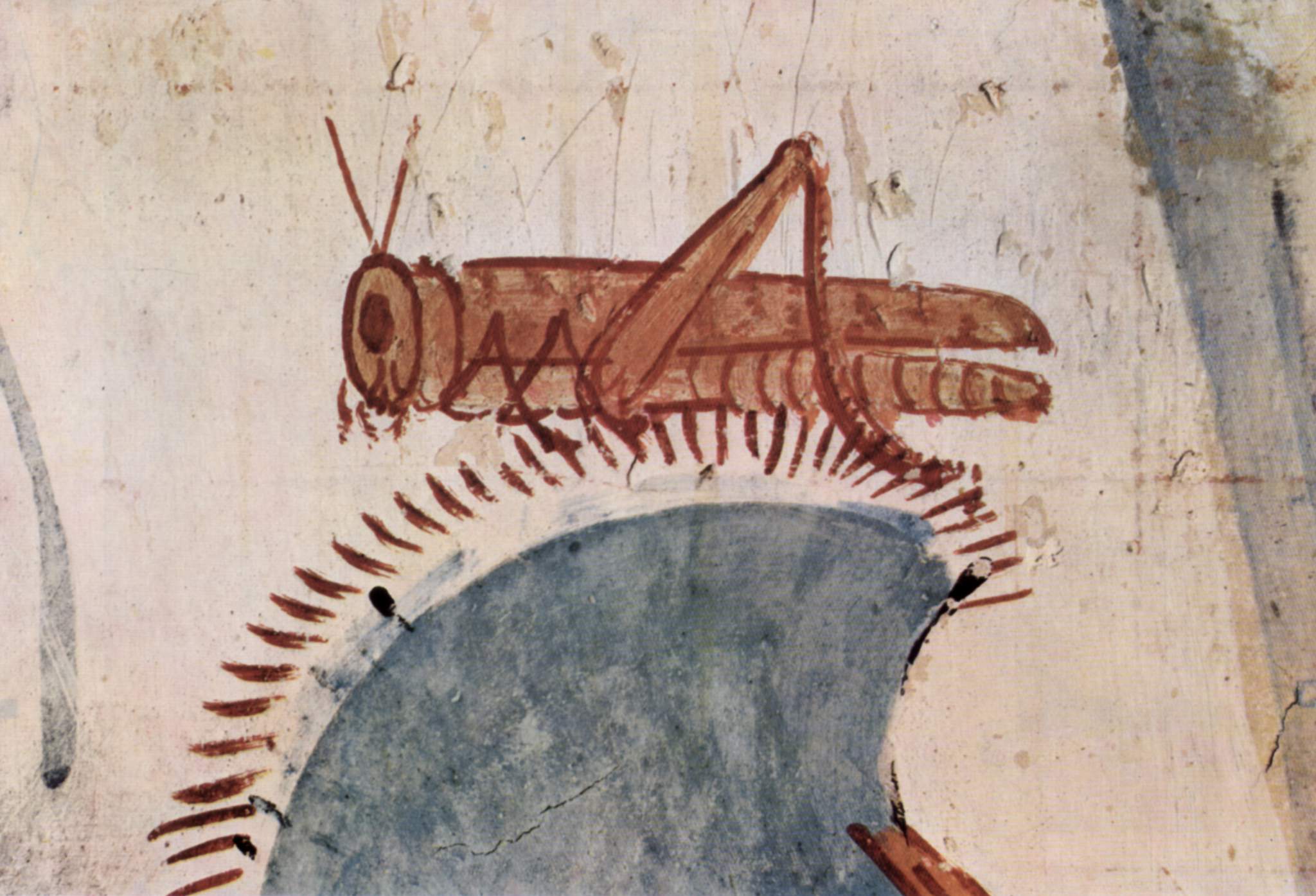
According to a core Egyptian belief, animals might occasionally display hints of their heavenly origins. Like all other life forms, they had been fashioned by the sun deity by absorbing some aspect of his own physical makeup, such as his saliva, sperm, sweat, tears, etc. That’s why their appearances, actions, and manners mirrored, to some extent, the fundamental principles that the creator and the divinities that sprang from them used to keep the universe running in order. These included the creative energy and power, the chaos essential to the being’s dynamism, etc., that underlay all of these processes, as well as birth, development, maturity, regeneration, and the potential for rebirth engraved in biological death itself.
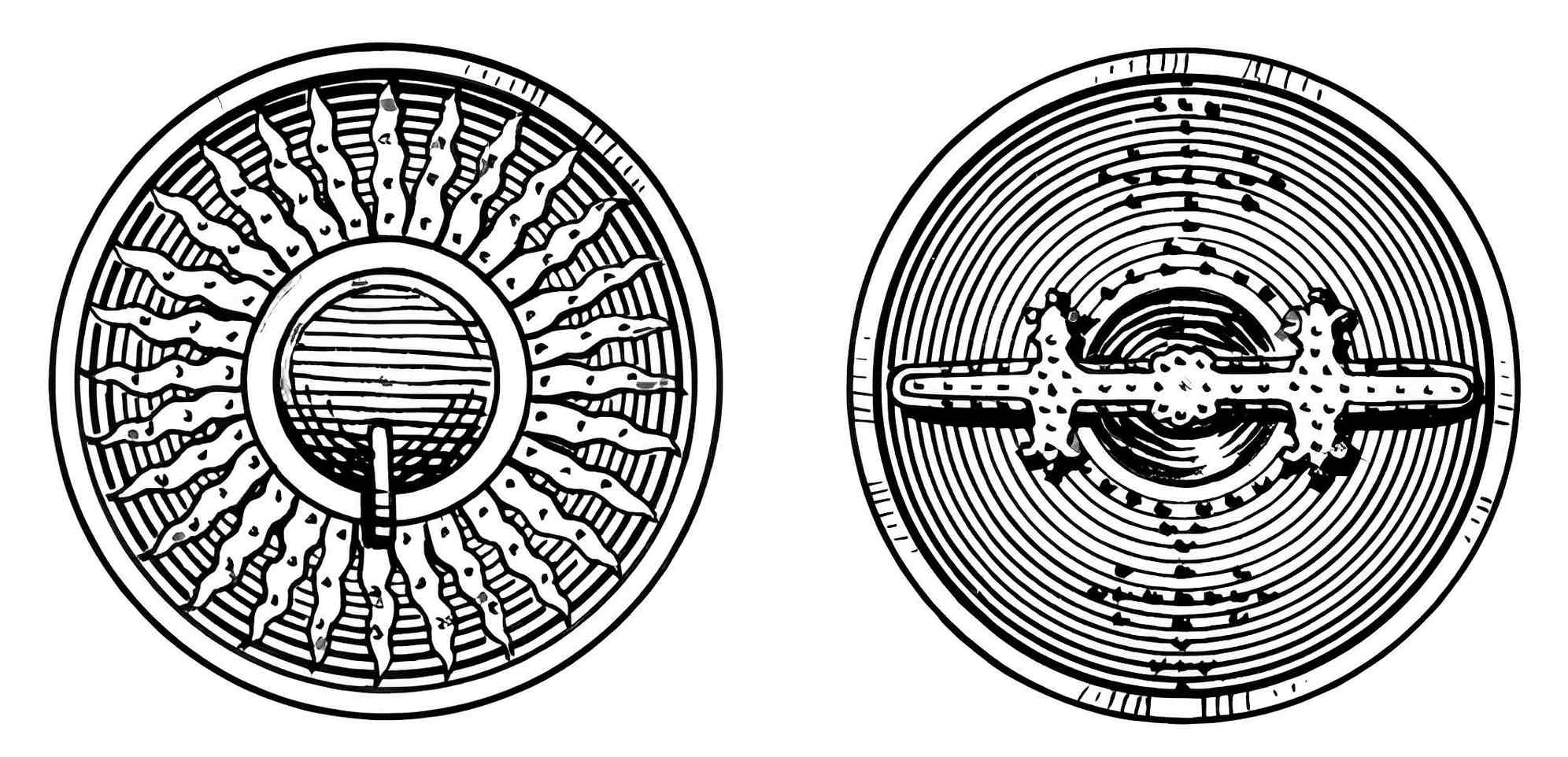
Consider the beetle, which lays its eggs in a hole by pushing a ball of feces into it. A new beetle would hatch out of the egg and take off into the sky. In doing so, the beetle, the ancient Egyptians reasoned, bore within itself even a small percentage of the force that animates the sun, whose disk, round like the ball carrying the eggs, rises from the earth every morning to the sky and completes its trip. This was why the bug had been elevated as a potential representation of the sun god in ancient Egypt.
It is important to realize, however, that even though the beetle serves as a “hypostasis” of the deity, allowing the sun to continue its cyclical pattern, this is only true on a very small scale. The divine sun vastly outstrips it, not being content to be confined within those limits. One’s own recognition of animals as hypostases or representations of the divine is always secondary to the divine itself.
The Frenetic Dance of The Ostriches
From the tiniest of beetles and insects, such as the nepus or a variety of mole, to the largest of hippopotamuses, all animals, including millipedes, snakes, fish, birds, shrews, hedgehogs, and mammals of any size, as well as fantastic beasts like the lion with the head of a ram were included in the list of animals that were thought to manifest the activity of divine powers, or “criosphinx.”
However, their connections to the divine were not all the same. Not everyone actively participated; others simply watched and shouted the cycles that keep the world ticking. The fish known as the tetrodon fahaka inflate with air and ride the Nile’s rising waters to the surface as a flood begins. As dawn rises, ostriches start dancing wildly, while baboons yell and scream in the background. These two enormous vectors, air and water, were used by fish and birds to convey the message of divine power. Sometimes they would kill snakes, crocodiles, and hippos as a kind of punishment, but not the one she had picked out.
Each God Has a Favorite Anima
However, certain animals have been associated with specific deities in various religions. Amun, Khnum, and Heryshaf manifested as rams; Anubis and Wepwawet as dogs, jackals, and foxes; Hathor as cows; Anuket as gazelles; Sekhmet, Mut, and other goddesses as lionesses; Nefertem as lions; and Set as hippos. Wadjet, Renenutet, and Meretseger were cobra goddesses, whereas Khenti-kheti and Sobek were crocodile gods. Horus, in his many guises, Hemen, Montu, and Seker were also linked to the bird of prey. Toth particularly favored ibises. Many people immediately associated the lath with Neith, whereas the scorpion represented Isis in various contexts.
Each of the Egyptian gods had a preferred animal or group of animals through which they might make their appearance. Animals such as the ram, goose, and bull represent Amun, whereas the cow represents Hathor and the ibis or monkey represents Toth.
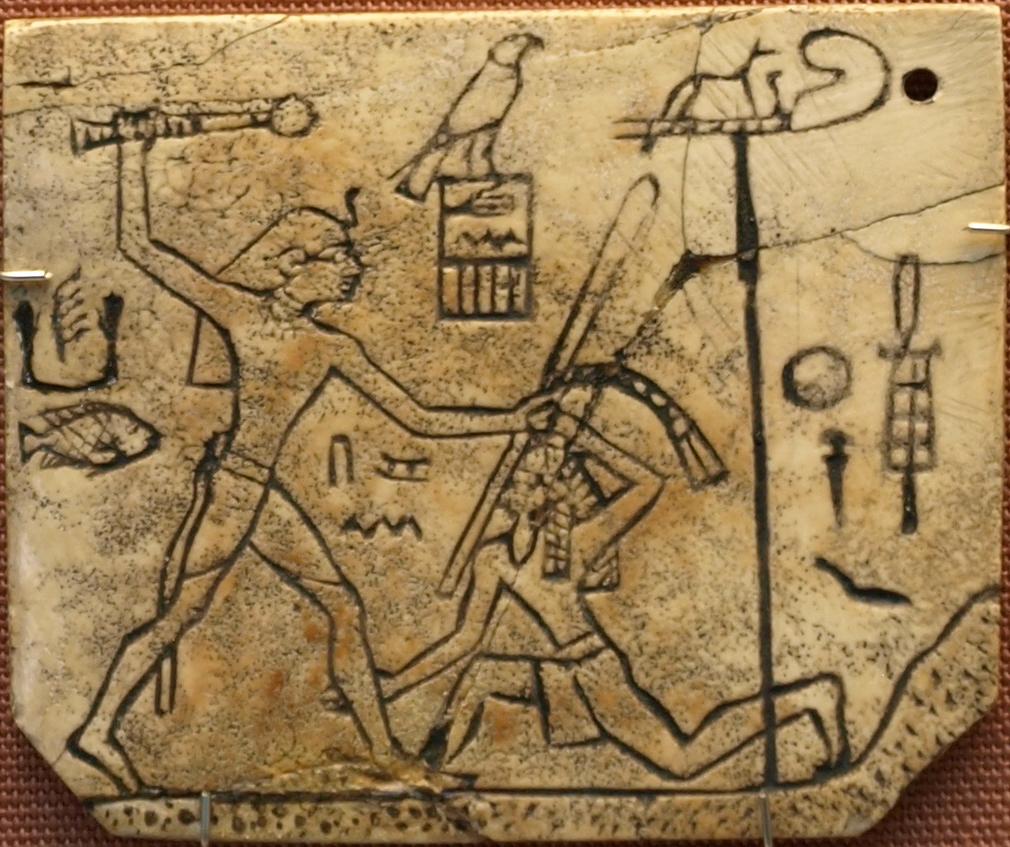
Each god may have many animal hypostases if the same animal could serve as the hypostasis for different gods. Wadjet was primarily a cobra but also a lioness; Toth was a baboon and an ibis; and Amun had characteristics of both the goose and the bull. The sun god was acknowledged in turn by the scarab, the falcon, the monkey, the lion, and the ram. Whether in three or two dimensions, deities were typically shown as the whole of an animal or as a hybrid figure with animal and human parts (like the sphinx) or vice versa (or a hairstyle recalling it).

Thousands of Animal Mummies
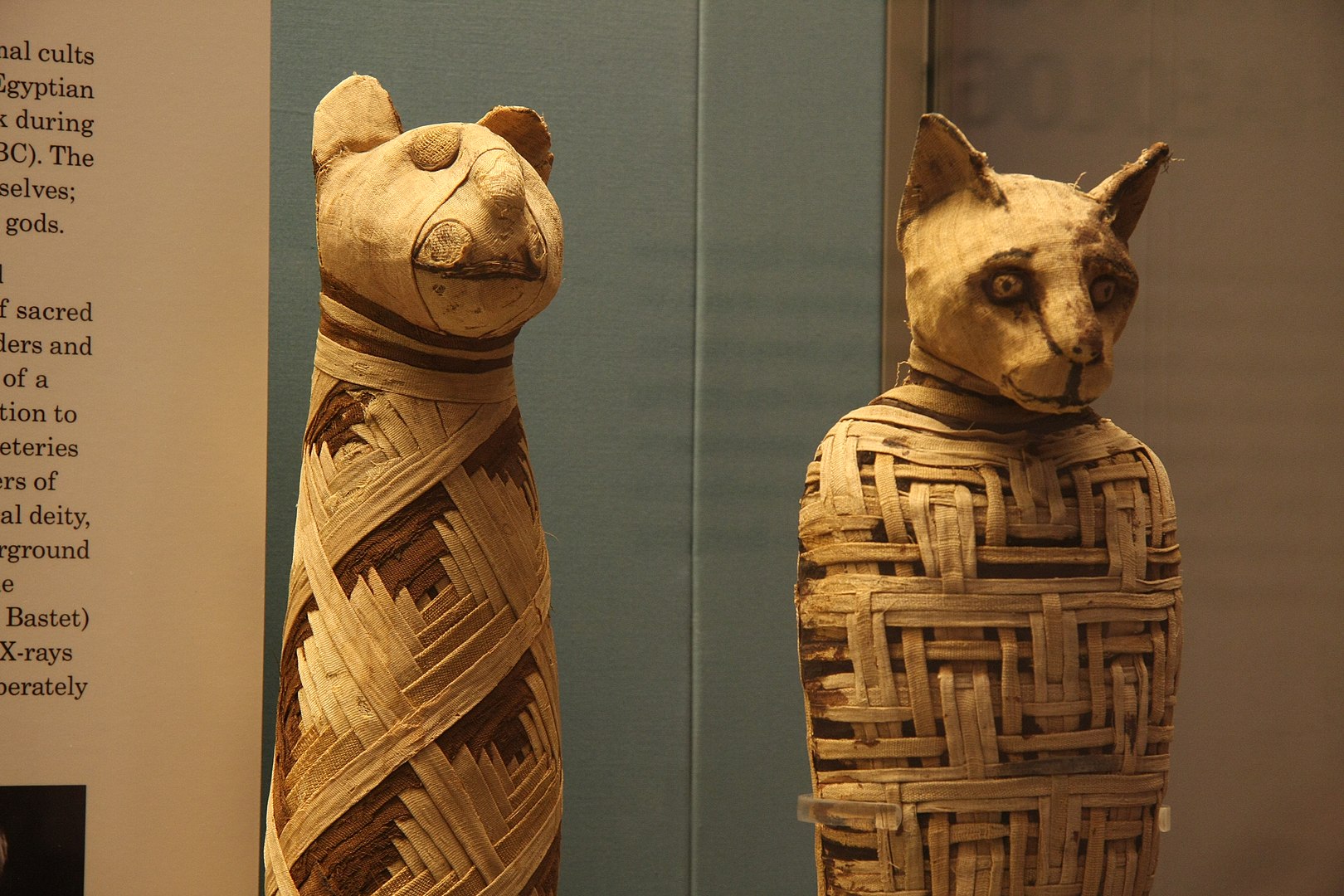
Zoolatry developed as a result of the close association between animals and the divine. It may have started off small, but during the Ptolemaic and Roman periods (3rd century BC–4th century AD, it grew and spread like wildfire). In each region where a deity was associated with a revered animal form, a specimen of the species was selected because of its unique markings. From that point on, it resided in a section of the temple that had been set aside for it, receiving oracles from the pious people and receiving care from the clergy. The cow that gave birth to Apis, the bull, should also be honored for her role in his creation. In the territory ruled by the sacred animal, its animal friends were off-limits; anybody caught harming them faced instant execution.
When an Apis bull died, it was a national tragedy, yet its passing was always a local tragedy. The rituals during the burial were extensive. On this special day, its devotees engaged in an unusual ritual to demonstrate their allegiance. A representative of the species of the deceased sacred animal was quickly mummified and presented to the afterlife, sometimes in a metal reliquary and more commonly in a conical jar with a sealed aperture. In exchange, they hoped that the sacred animal would bestow supernatural protection on them.
Animals were killed, despite not being legally protected, to fulfill the order. Many of these corpses were consecrated and then buried in enormous catacombs, much like champagne was aged in the cellars. The phenomenon was quite common. It was speculated that several million ibis mummies may be found in the Saqqara sanctuary’s network of lengthy passageways. If there weren’t enough animals to go around, people would sometimes make do with using only one body part per mummy, or they would borrow characteristics from similar species, or they would wrap a poorly made animal effigy or even just a piece of wood.
Bibliography:
- The Book of the Pharaohs, P. Vernus, J. Yoyotte, Perrin, 2005.
- An Egyptian bestiary, P. Germond, J. Livet, Citadelles & Mazenod, 2001.