Yes, Mennonites do celebrate Christmas, but their festivities are normally more modest and centered on the religious nature of the occasion, stressing spiritual contemplation and non-material minimalism. Celebrating the birth of Jesus is of paramount importance to Mennonites. It is unusual to see Christmas trees or lights since they don’t celebrate Christmas commercially. Some Orthodox Mennonites observe Christmas on January 6 instead of December 25.
Mennonites’ Perspective on Christmas
Mennonites are Christian Anabaptists (“Re-baptizers”) and they do celebrate Christmas, although their commemoration of Christmas is distinct. The religious importance of Jesus’ birth, rather than the commercial trappings of the holiday, is at the center of their festivities. These people stress simplicity, community, and introspection, and that’s why even gift-giving is not an element of Mennonites Christmas, and decorations are kept simple as well.
Since Mennonites are Christians, they celebrate Christmas just like everyone else, but in their own way. They do not go to great lengths for this holiday and rather than throwing lavish parties to let loose and have fun, they spend Christmas Day contemplating the significance of Jesus’ birth to their religion. But some less conventional members can still put up a small tree in their houses.
-> See also: 48 Countries That Celebrate Christmas Widely
Mennonite Christmas Traditions
For the spiritual importance of Christmas to Mennonites, the emphasis is on the birth of Jesus.
- Church Services: Mennonites participate in religious services where the birth of Jesus is the topic of the teachings.
- Family Gatherings: Christmas dinners are a big time for Mennonite families.
- Singing Carols: Carols are sung, but no commercial Christmas music is listened to or sung.
- Simplicity: This event is low-key and serves as a time for introspection and celebration. Lavish displays and gift-giving are unusual.
Some Mennonite communities, like Wellesley Orthodox Mennonites and Huron Orthodox Mennonites in the US and Canada, still have distinct customs. Following the traditional Julian calendar, they celebrate the day on January 6.
How Do Mennonites Celebrate Christmas?
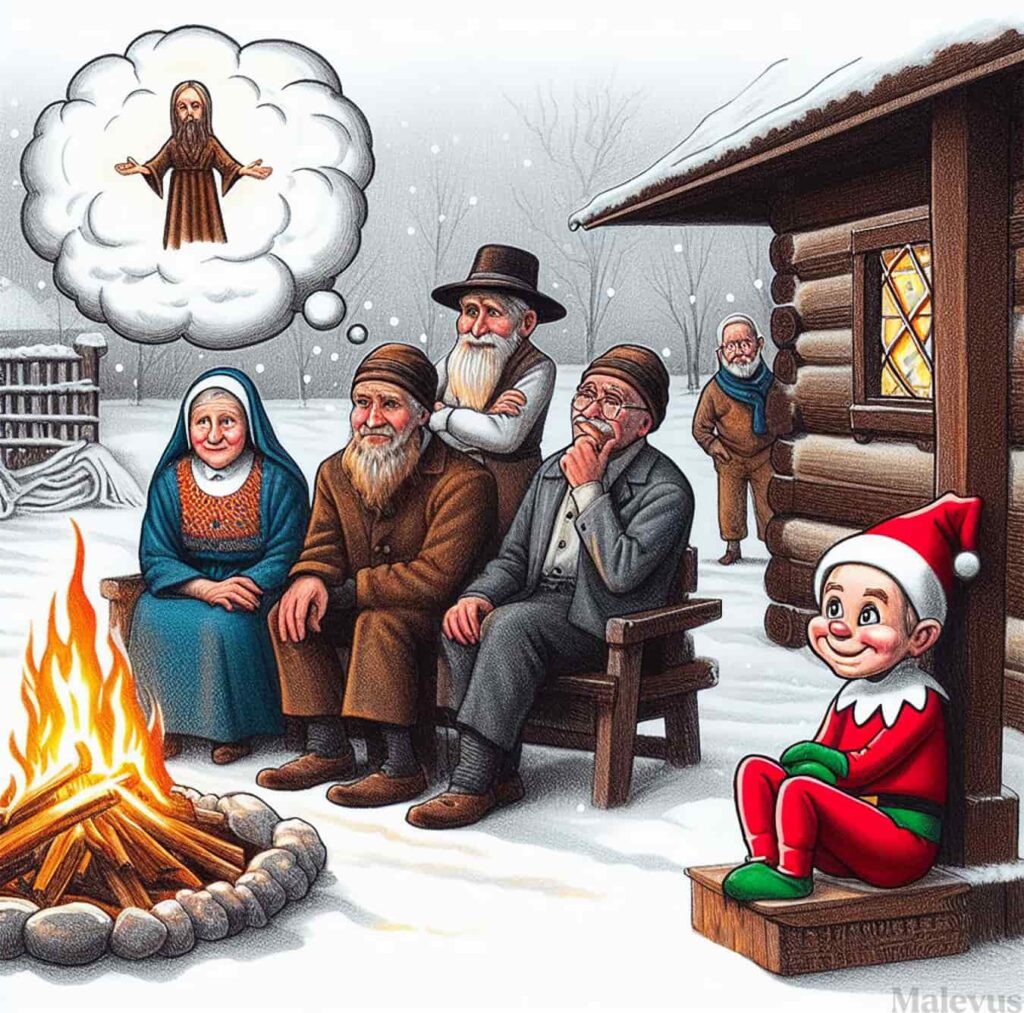
Christmas is significant to Mennonites, but Easter is much more so. They attend Easter services on Good Friday (March 29) and Easter Sunday (March 31). Common Christmas customs like decorating with lights and gift-giving are not practiced by Mennonites since they do not believe in Santa Claus or elves because they consider them to be of Paganic origin. In general, Mennonites celebrate Christmas in a low-key manner that puts the spotlight squarely on Jesus.
They do not decorate their houses since Christmas is the day Jesus was born and they celebrate his birth rather than their own. Mennonites will get up and go to church to hear the sermon for the day. After that, they’ll go back to their homes, where they’ll have a meal and give thanks to God. While the Mennonites certainly like singing traditional Christmas songs, they shun commercial Christmas music. Easter Sunday is more important to Mennonites than Christmas, which is the day Jesus was allegedly raised from his grave.
Mennonites Christmas Meals
Traditional Mennonite Christmas dinners consist of a few main dishes, side dishes, bread, and dessert to emphasize austerity. They have a festive feast with family on either Christmas Eve or Christmas Day. Their favorite Christmas meals include:
- Soft and fluffy dinner rolls
- Mashed potatoes and roast beef
- Turkey and chicken, roasted
- Fruitcakes and trifles
-> See also: Do Jews Celebrate Christmas?
But Some Mennonites Still Don’t Celebrate Christmas
For Mennonites, Good Friday and Easter will always have more significance than most other days. This is not because they disregard Jesus’ birth; rather, they look to his death and resurrection for the promise of everlasting life.
Some members feel this festival has become too commercialized and the importance of the birth of Jesus has been lost sight of. Since they respect humility, they believe that the grandiose Christmas events are for no good. Some Mennonites do not agree that Jesus was born in December. This is despite their shared belief in the virgin birth of Christ, as reported in the Gospels of Matthew and Luke.
Mennonite Christmas vs. Other Christian Denominations
Mennonite Christmases are unique among Christian traditions due to their emphasis on simplicity and modesty. There are distinctions between how Mennonites and other Christian faiths spend this holiday:
- Simplicity: Mennonites do not celebrate Christmas with the same pomp and circumstance as other Christian families. They tend to have more muted festivities that center on the religious side of things.
- Reflection: Rather than throwing lavish festivities, Mennonites spend the day in quiet contemplation of their religion.
- Church: They participate in religious services at Christmas, where discourses typically center on the nativity of Jesus.
- Gatherings: Having a meal together as a group is a common Christmas tradition in many Christian cultures.
- Singing songs: They do not listen to or sing commercial Christmas music, but they do sing Christmas songs.
In contrast, many other Christian groups traditionally celebrate Christmas with more elaborate customs, including decorating houses and churches, giving presents, and organizing enormous celebratory parties. The Mennonites’ ways of life reflect holiness and community.
Mennonite Christmas Compared to Amish Christmas
Anabaptist Christians like the Mennonites and Amish celebrate Christmas in similar ways. The importance of Jesus’s birth is emphasized by both groups. In general, they shun Christmas’ materialistic aspects like trees, Santa Claus, lights, and gifts. They place a premium on strong social bonds and living a basic life. There are still some distinctions:
- Mennonites: Mennonite Christmas festivities highlight simplicity and humility. They celebrate the holiday by getting together to eat, go to church, and sing carols. Gift-giving and extravagant decorations are rare.
- Amish: The Amish also celebrate Christmas in a low-key and unassuming manner. In contrast to the Mennonites, they tend to exchange small gifts and even Christmas cards. They still survive on their own, using what the earth provides and tend to have smaller, more intimate Christmas festivities with close relatives.
Who Are the Mennonites?
The Mennonites are a Christian denomination with their origins in the 16th-century Protestant movement, the Radical Reformation. The term “Mennonite” honors Menno Simons, a leader of the movement. Menno Simons (1496-1561), a clergyman from the Netherlands, adopted Anabaptist ideology as an alternative to Catholicism and hence inspired the term “Mennonite.”
He was an Anabaptist leader who helped to complete the job initiated by more moderate figures in the movement.
The Mennonites adhere to the Anabaptist branch of Christianity. These early Christians attempted to establish a wall of separation between church and state, and their descendants, the Anabaptists and Mennonites, as well as many others in the “Free Church” tradition, continue this work today. The Mennonite community is well recognized for its commitment to nonviolence, equality, and peace.