The Shield Boss at a Glance
What is the purpose of the shield boss?
The shield boss, also known as the umbo, served two main purposes. Firstly, it was designed to strengthen ancient wooden shields by reinforcing them with a hemispherical or conical metal lining. Secondly, it acted as a defense mechanism, deflecting attacks from edged weapons and protecting the warrior’s hand from blows that penetrated the shield.
How did the shield boss contribute to battle tactics?
The shield boss played a significant role in battle tactics. It was used in ancient Greece by the Hoplite infantry and later adopted by Roman legions. By gripping the shield’s handle in the center and using the boss, warriors could actively defend against incoming attacks and even execute offensive maneuvers by deflecting attacks with the umbo. It also facilitated the formation of tightly aligned shield walls, creating effective line formations.
What was the significance of the shield boss in different shield types?
It was primarily effective on circular and oval shields, as its design absorbed and redirected strikes away from the shield’s center. The hemispherical or conical shape considerably weakened the strength of an opponent’s strikes. This design piece was commonly found on smaller or medium-sized round shields, where the grip was located in the middle. In larger shields, two grip straps were used, reducing the shield boss’s effectiveness.
Why did the use of shield bosses decline in the Middle Ages?
The introduction of newer shield designs and grip techniques, such as the Norman shield and hand straps, led to the decline of shield bosses during the High Middle Ages. The curved shape of the newer shields allowed for better deflection of blows, and the use of hand straps eliminated the need for deep inner sides of shields to accommodate the hand. These modifications rendered the shield boss unnecessary, relegating it to a purely decorative feature.
The shield boss, also known as the umbo, is a hemispherical or conical metal lining positioned at the center of certain shield variants—such as the parma shield of the ancient Romans. The shield boss, usually made of metal, was developed to reinforce the wooden boards used in traditional shield construction. In this cold weapon, the word “umbo” comes from the Latin word for “protrusion” or “bulge” (umbo, gen. umbonis).
- The Shield Boss at a Glance
- What is the purpose of the shield boss?
- How did the shield boss contribute to battle tactics?
- What was the significance of the shield boss in different shield types?
- Why did the use of shield bosses decline in the Middle Ages?
- The Shield Boss’ Purpose
- History and Origin
- Significance of the Umbo
- How Did They Do That?
- Function of the Shield Boss
- The Small Shields Instead of the Large Ones
- End of the Shield Boss
The Shield Boss’ Purpose
The shield boss (or just “boss”), often metal (bronze and iron) and rarely wooden, was intended to strengthen the construction of ancient shields, which were mostly made of wood. Its second purpose was to deflect the attack of an edged weapon.
It also served as a means of safeguarding the hand against sword or spear thrusts, while also enabling offensive maneuvers by striking the enemy’s face or abdomen with the shield.
The grip and the boss of a shield were of the utmost importance to Viking shields.
It was punched into the mandrel from a metal sheet that was only 0.08–0.1 inches (2–2.5 mm) thick. It began as a flat, relatively thin sheet, which was obtained by melting the metal into a container, and which could then be smoothed and polished.
History and Origin
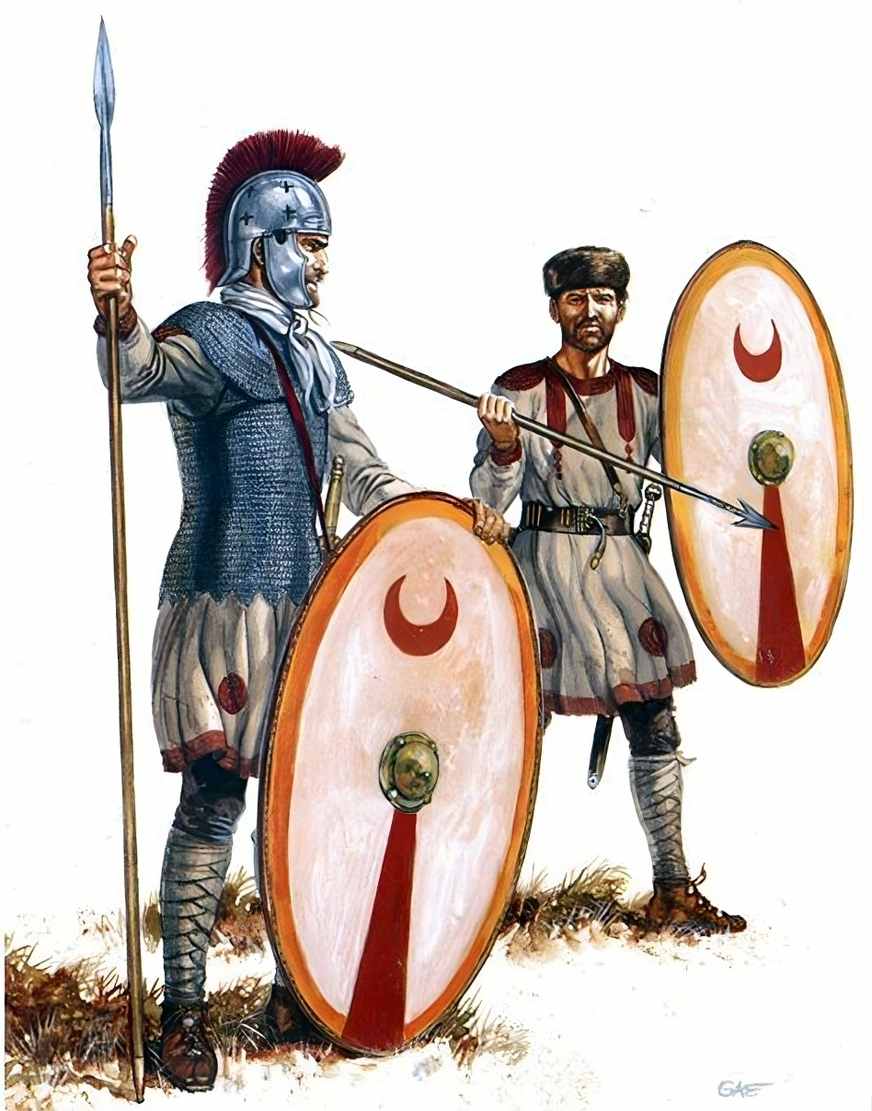
The first shield bosses were invented in the Bronze Age (2,000–700 BC) and they were widely used from the Bronze Age to the late Middle Ages, serving as an upgraded and dependable alternative to basic wooden shields.
The earliest examples of shield bosses are already known from discoveries within Latin culture, dating back to the beginning of the Iron Age (1200–550 BC). These shields were used by various groups, including Germans, Celts, and Romans.
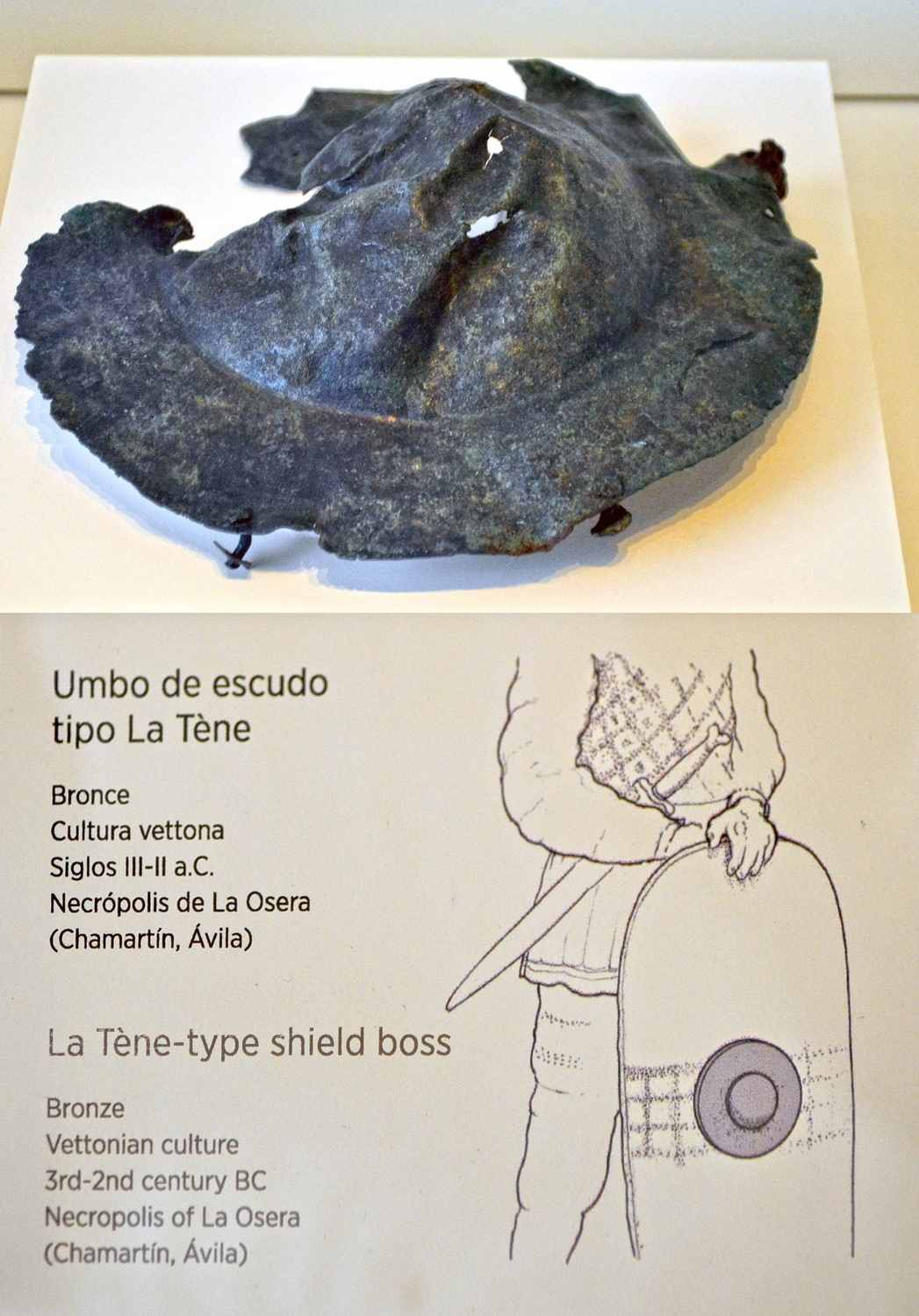
In the Middle Ages, they reappeared as a component of bucklers, where they were riveted onto them. In archaeological studies, the shield bosses are often studied alongside the fibula (brooch) to help determine the dating of funerary artifacts from the pre-Roman era, the period of Roman influence, and the migrations of different peoples.
As curved shields (like the Roman scutum) and leather straps became more widespread, the shield boss became more of an aesthetic thing. In Denmark, several shield bulges from both the Iron Age and the Viking Age (793–1066 AD) have been discovered.
Significance of the Umbo
The umbo or shield boss was utilized in ancient Greece, where it adorned the shields of the Hoplite infantry. This feature was later embraced by the Roman legions, who employed it to create openings for sword or gladius attacks during close combat. During the Roman Empire (31 BC – AD 476) the term “shield boss” referred to the entirety of a shield.
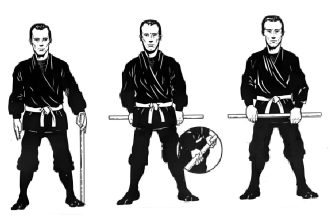
The way the shield was held, with the fist gripping the handle in the center, had a significant impact on battle tactics. It allowed for not only active defense against incoming attacks, but also offensive maneuvers (to deflect the attacks with the umbo).
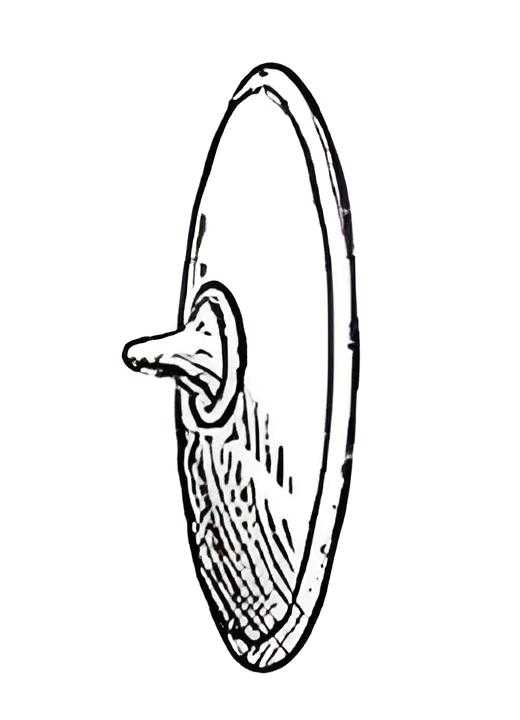
Additionally, when forming infantry formations, the shields with umbo were tightly aligned to create a solid wall, enabling effective line formations. As cavalry warfare evolved and grew in prominence, a secondary strap was introduced, allowing the shields with umbos to be hung on the forearm for added convenience.
How Did They Do That?
Just beneath the handle, a spherical hole was cut into the shield, and the opening was sealed with a shield boss on the exterior. As a result, a depression was carved out in the middle of the shield’s inner surface, just where the user’s hand would naturally rest.
Oftentimes, the exterior side of the shield boss would be minted or engraved with various forms and signs—such as the owner’s symbol—while the inner side would include identifying data—name, component number, etc.—.
But these were not the only purposes of a shield boss: Ancient Roman legionaries carried their purses in the shield boss of their iconic red scutum shields.
Function of the Shield Boss
The shield boss’ hemispherical or cone-shaped design considerably weakened the strength of an opponent’s strikes.
Since most of the strikes were directed at the spot in the middle of the shield, the powerful shield boss absorbed the blows and redirected them off of their intended paths. This design piece was therefore only useful for combat on circular and oval shields.
The umbo was a protective protrusion present on almost all oval shields.
The size and strength of the heater shields and the kite shields allowed them to be moved across the body to deflect strikes. The shield boss did not serve its purpose with these particular shield types. Because a round shield was directed towards the attack for deflection, which made the shield boss much more useful.
Numerous historians also posit that the conical shape of the shield boss played a significant role in enhancing its efficacy as a striking weapon in close-quarters combat, effectively catching adversaries off guard with its element of surprise. It also protected the center of the shield, where the shield’s handle and the user’s hand are located.
The Small Shields Instead of the Large Ones
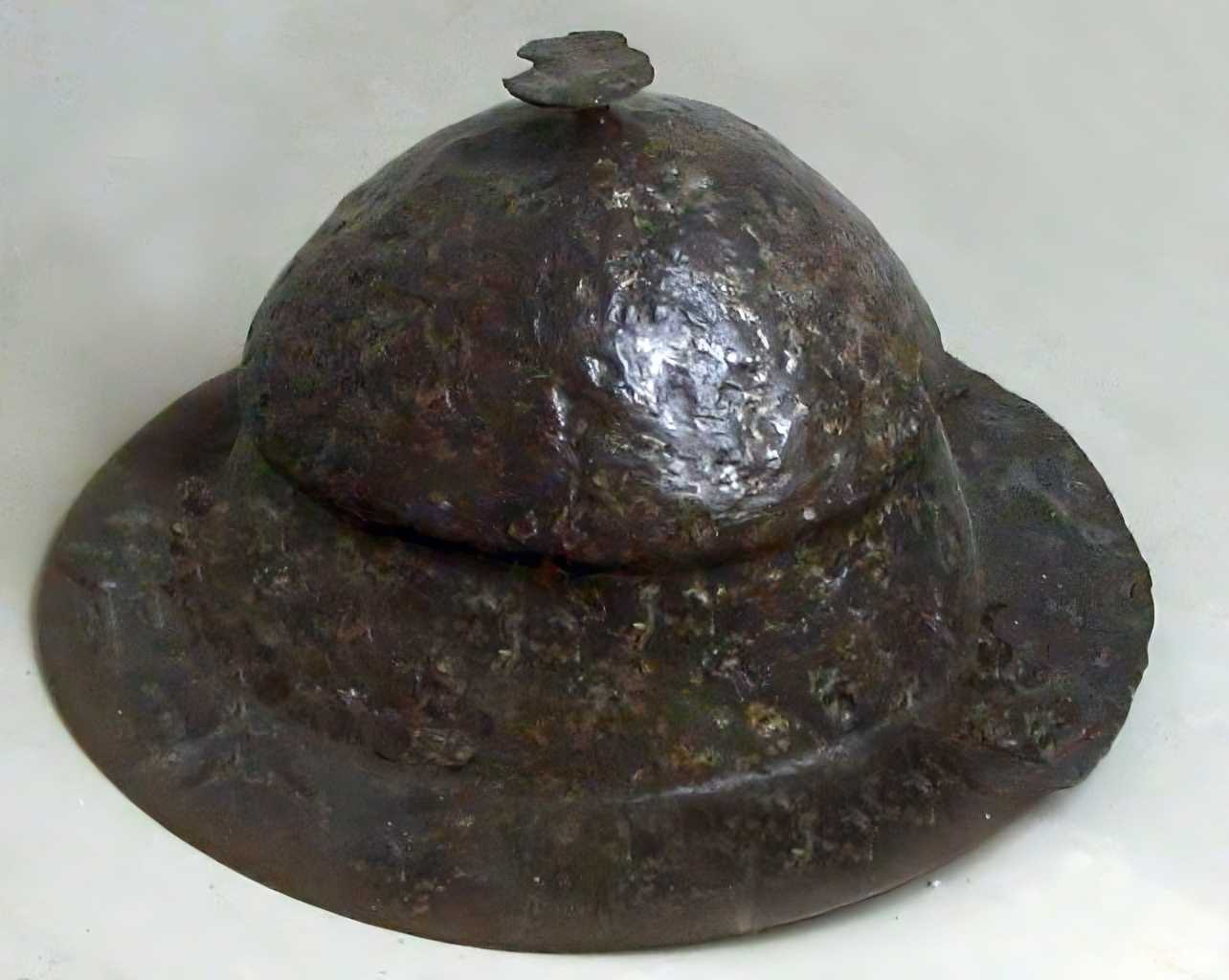
The shield bulge was more often seen on round shields of a smaller or medium size than on larger ones. Although there were still some large shields with a protective bulge because of their difference in grip.
In small shields, the grip was located in the middle of the shield, and it was used in the same way as a punch; it was swung in front of the user to deflect blows.
Another use for the shield protrusion was to damage the blade of the sword. Whether the shield was composed of wood or metal, the bulge was almost always constructed from metal. The pointed blade tips were relatively thin and brittle. Repeatedly slamming the blade into the massive protective bulge could have eroded the blade and rendered it inoperable during battle.
When it came to large shields, holding them with just one grip was uncomfortable. That’s why it was common to have two grip straps: one positioned near the elbow and the other near the edge of the shield. When lifting a shield of this size, it was typically done in a circular motion. The effectiveness of the shield boss diminished with this rotational lifting.
End of the Shield Boss
After the introduction of the so-called “Norman shield” in the 11th century, which had a different grip technique, the shield boss was only decoration, and disappeared in the course of the High Middle Ages (1000–1300 AD).
The shapes of the shield bosses differed greatly depending on the fashion and region. There were spherical, hemispherical, conical and pointed ones, which could be richly decorated or gilded on ceremonial shields.
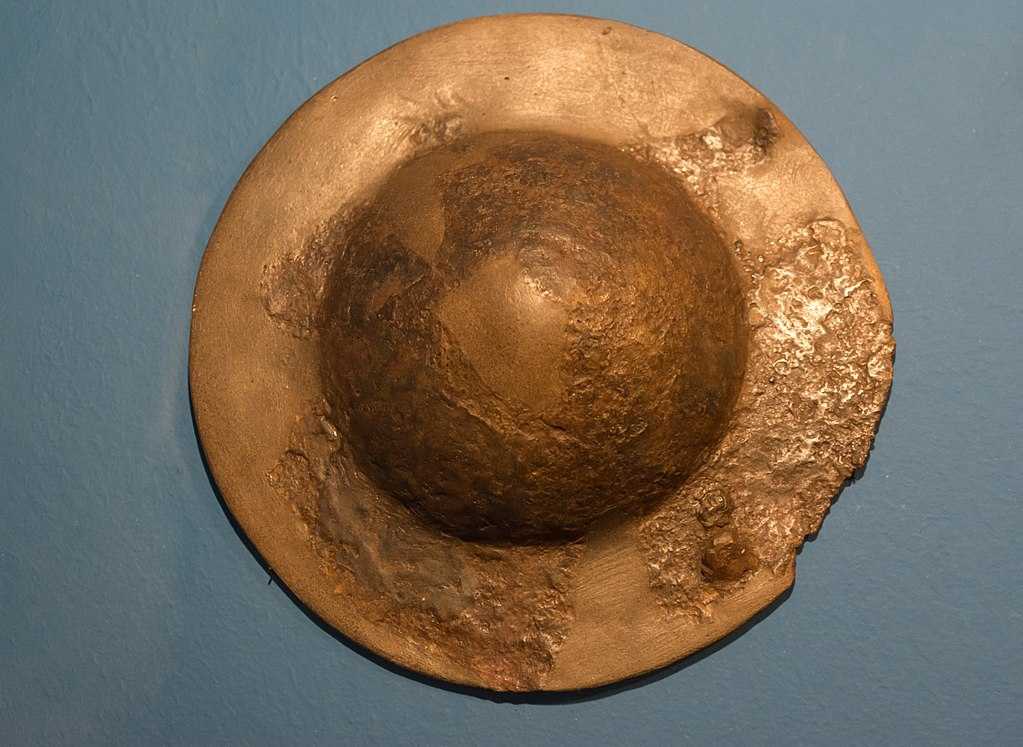
Invented in the Bronze Age (2,000–700 BC), the shield boss was relegated to purely aesthetic purposes throughout the Middle Ages (500 to 1400–1500 AD). There were two reasons behind this shift:
- The curved shape of the newer shields made them more effective at deflecting blows by scattering the strikes throughout the body.
- The hand straps (enarmes), rather than a bar grip, eliminated the need for the inner side of the shield to be deep enough to accommodate the hand.
These two modifications did away with the necessity for a shield boss.
References
- Roman Shields by M.C. Bishop, 2020 – Bishop Osprey Publishing
- Rome and the Sword: How Warriors and Weapons Shaped Roman History by Simon James, 2011 – Amazon Books
- Ancient Roman War and Weapons (People in the Past: Rome) by Brian Williams – 2002 – Amazon Books